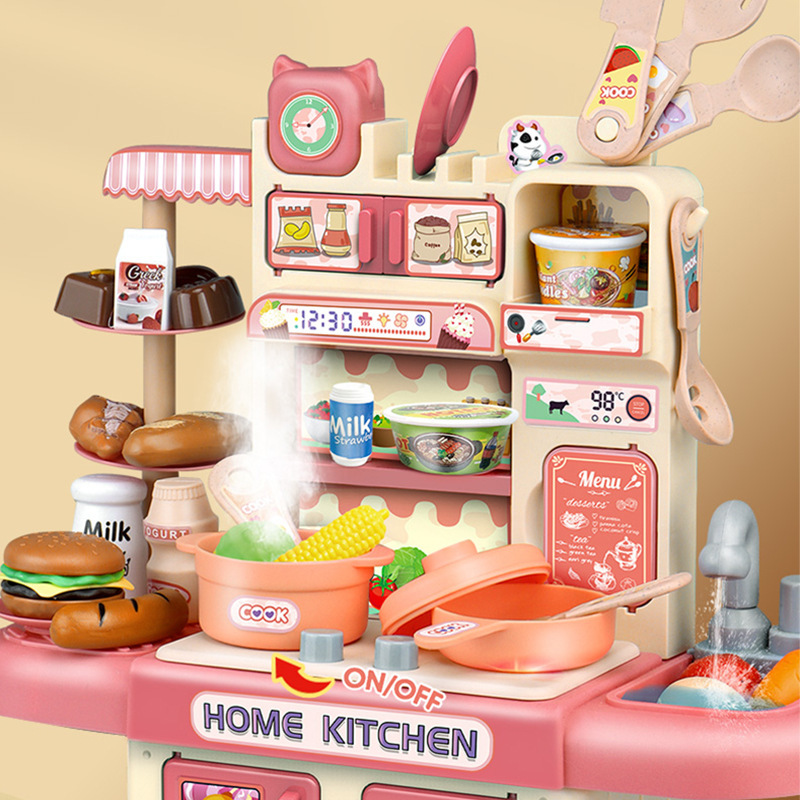
In a world where imagination knows no bounds, toy kitchenware sets stand out as a beacon of creativity and fun for children. These delightful playsets not only provide hours of entertainment but also serve as essential tools for learning and development. In this article, we will explore the various aspects of toy kitchenware sets, their benefits, and how they can enhance a child’s playtime experience.
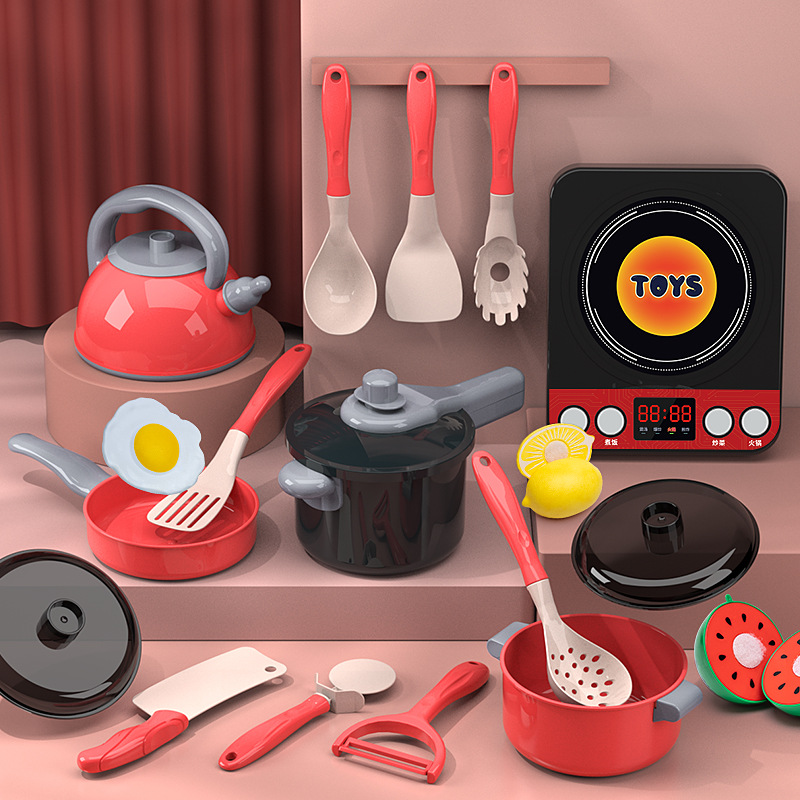
Table of Contents
The Allure of Toy Kitchenware Sets
Toy kitchenware sets are designed to mimic real kitchen items, allowing children to engage in imaginative play. These sets typically include pots, pans, utensils, and various food items, all crafted from safe, durable materials. The vibrant colors and realistic designs captivate young minds, encouraging them to explore the world of cooking and food preparation.
Why Choose Toy Kitchenware Sets?
- Imaginative Play: Children love to imitate adults, and toy kitchenware sets provide the perfect opportunity for them to role-play as chefs, bakers, or restaurant owners. This type of imaginative play fosters creativity and helps develop social skills as children interact with peers during play.
- Educational Benefits: Playing with kitchenware sets can teach children about food, nutrition, and cooking processes. They learn about different ingredients, how to prepare meals, and the importance of healthy eating habits. Additionally, these sets can introduce basic math concepts through measuring and counting.
- Fine Motor Skills Development: Manipulating small kitchen items helps improve fine motor skills. Children practice hand-eye coordination as they pour, stir, and serve food, which is crucial for their overall physical development.
- Cognitive Growth: Engaging in pretend play with kitchenware sets encourages problem-solving and critical thinking. Children must think creatively to come up with recipes, manage their pretend kitchens, and even resolve conflicts that may arise during play.
- Social Skills Enhancement: When children play together with kitchenware sets, they learn to communicate, share, and collaborate. These interactions are vital for developing social skills, as they navigate roles and responsibilities within their imaginative scenarios.
- Cultural Awareness: Through play, children can explore different cuisines and cooking styles from around the world. This exposure can foster an appreciation for diversity and cultural differences, enriching their understanding of global traditions.
- Confidence Building: As children engage in cooking and serving food in their play kitchens, they gain a sense of accomplishment. This boosts their confidence and encourages them to try new things, both in play and in real life.
Types of Toy Kitchenware Sets
Toy kitchenware sets come in various styles and themes, catering to different interests and age groups. Here are some popular types:
Wooden Kitchenware Sets
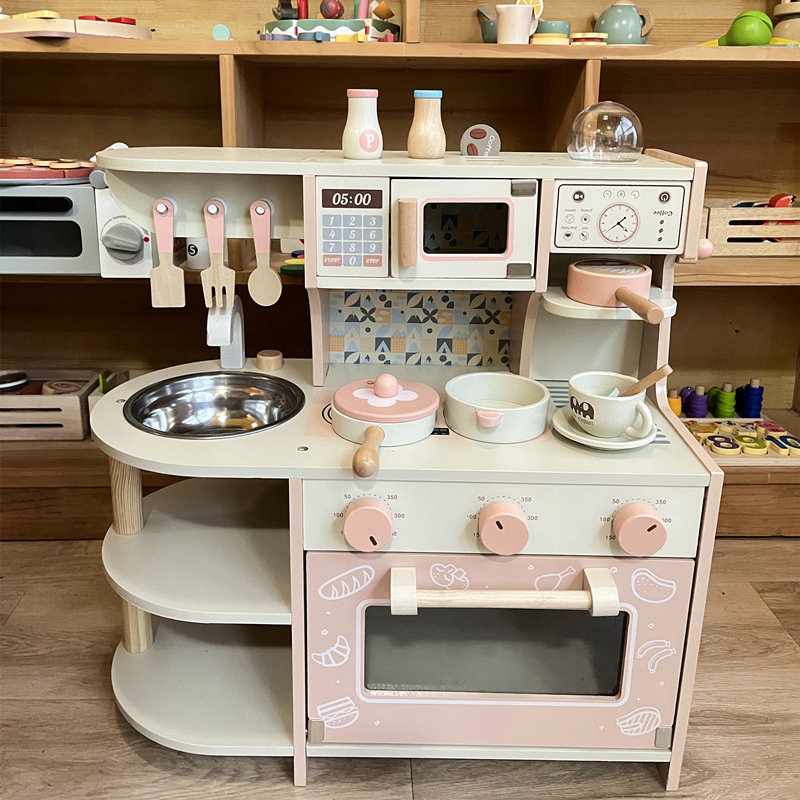
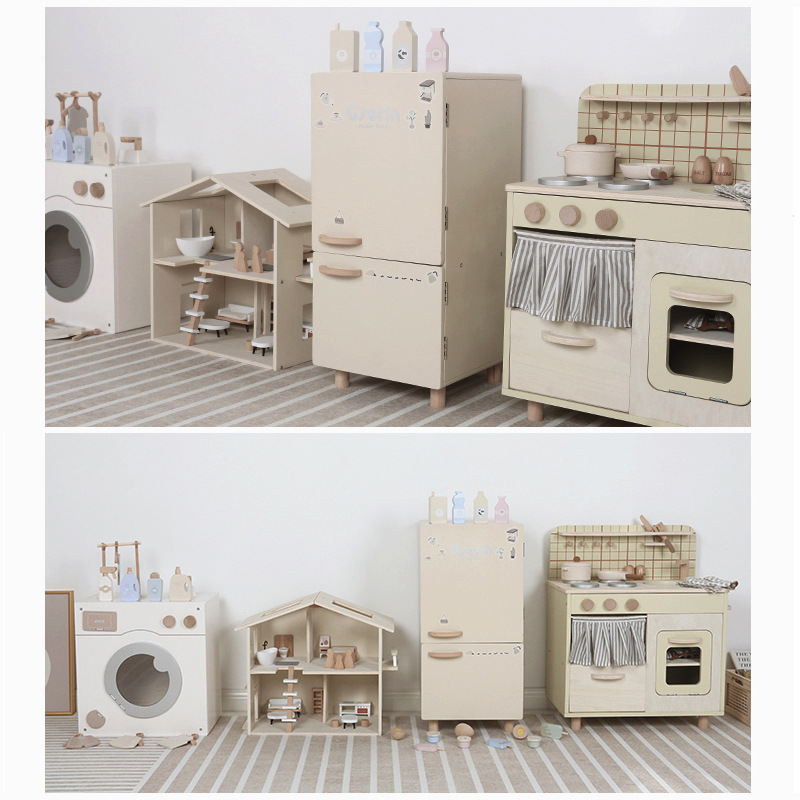
Wooden kitchenware sets are often favored for their durability and aesthetic appeal. They are typically made from high-quality wood and painted with non-toxic finishes. These sets often include a variety of utensils, pots, and food items, providing a comprehensive play experience. The tactile nature of wood also adds a sensory element to play, making it more engaging for children. Additionally, wooden toys are often more environmentally friendly, appealing to eco-conscious parents.
Plastic Kitchenware Sets
Plastic kitchenware sets are lightweight and often come in bright colors, making them visually appealing to children. They are usually more affordable than wooden sets and can include interactive features like sound effects or lights, enhancing the play experience. Many plastic sets are also dishwasher safe, making cleanup easy for parents. However, it is essential to choose high-quality plastic that is free from harmful chemicals.
Themed Kitchen Sets
Themed kitchenware sets, such as those based on popular TV shows or movies, can be particularly enticing for children. These sets often include character-themed utensils and food items, allowing kids to immerse themselves in their favorite stories while they play. For example, a set themed around a popular cooking show can inspire children to recreate their favorite dishes or invent new ones. Themed sets can also encourage children to explore different cultures and cuisines, broadening their culinary horizons.
Interactive Kitchen Sets
Some modern toy kitchenware sets come with interactive features, such as sound effects, lights, or even app connectivity. These sets can simulate real cooking experiences, making playtime even more engaging. For instance, a toy stove might make sizzling sounds when a pot is placed on it, or a refrigerator might have lights that turn on when opened. These interactive elements can enhance the sensory experience and make children feel like they are truly cooking.
Compact Kitchen Sets
For families with limited space, compact kitchen sets are an excellent option. These sets are designed to fit into smaller areas while still providing a full kitchen experience. They often include foldable or stackable components, making them easy to store when not in use. Compact sets can be just as engaging as larger ones, allowing children to enjoy imaginative play without taking up too much room.
Setting Up a Play Kitchen
Creating an engaging play kitchen environment can significantly enhance the play experience. Here are some tips for setting up a toy kitchen:
Choose the Right Location
Select a space that is safe and spacious enough for children to move around freely. A corner of the playroom or a dedicated area in the living room can work well. Ensure the area is well-lit and easily accessible. Consider placing a small table nearby for serving food, which can further enhance the play experience.
Organize the Kitchenware
Arrange the kitchenware in a way that mimics a real kitchen. Use shelves or bins to store pots, pans, and utensils. This organization not only makes it easier for children to find what they need but also teaches them about tidiness and responsibility. Labeling bins with pictures or words can help younger children learn to identify items and develop their reading skills.
Incorporate Realistic Elements
Adding real kitchen items, such as aprons, dish towels, or even a small table for serving, can enhance the authenticity of the play kitchen. Consider including pretend food items that resemble real ingredients, such as fruits, vegetables, and baked goods. You can also add a small chalkboard for children to write down their “menu” or “grocery list,” encouraging literacy and creativity.
Create a Sensory Experience
Incorporating sensory elements into the play kitchen can make the experience even more engaging. Consider adding items with different textures, such as soft fabric food items or wooden utensils. You can also introduce scents by using herbs or spices in small containers, allowing children to explore their senses while they play.
Personalize the Space
Encourage children to personalize their play kitchen by decorating it with drawings or stickers. This can make the space feel more special and encourage them to take ownership of their play area. You can also involve them in setting up the kitchen, allowing them to choose where to place items and how to arrange their cooking space.
Include a Cleaning Station
To teach children about cleanliness and responsibility, consider including a small cleaning station in the play kitchen. This can consist of a pretend sink, dish soap, and sponges. Encourage children to “clean up” after their cooking sessions, reinforcing the importance of hygiene and tidiness in the kitchen.
Engaging Activities with Toy Kitchenware Sets
To maximize the benefits of toy kitchenware sets, consider incorporating various activities that promote learning and creativity.
Cooking Challenges
Set up cooking challenges where children can create their own recipes using the toy kitchenware. Encourage them to think about the ingredients they want to use and how they will prepare their dishes. This activity fosters creativity and critical thinking. You can even introduce a timer to make it more exciting, simulating a real cooking competition.
Role-Playing Scenarios
Encourage children to engage in role-playing scenarios, such as running a restaurant or hosting a dinner party. This type of play allows them to practice social skills, teamwork, and communication as they interact with peers. You can provide them with menus and pretend money to enhance the experience, making it feel more realistic.
Educational Games
Incorporate educational games that involve counting, measuring, or sorting food items. For example, ask children to measure out specific quantities of pretend ingredients or sort food items by color or type. These activities reinforce math and cognitive skills in a fun way. You can also introduce simple cooking terms and techniques, such as “chop,” “mix,” and “bake,” to expand their vocabulary.
Themed Cooking Days
Organize themed cooking days where children can explore different cuisines from around the world. Each week, focus on a different culture and encourage children to create dishes inspired by that cuisine. This not only broadens their culinary knowledge but also introduces them to diverse cultures and traditions. You can even incorporate stories or music from the featured culture to enrich the experience.
STEM Learning Integration
Toy kitchenware sets can also be a gateway to STEM (Science, Technology, Engineering, and Mathematics) learning. For instance, you can introduce concepts of measurement and volume by having children measure ingredients for their recipes. Discussing the science behind cooking processes, such as how heat transforms food, can spark curiosity and encourage scientific thinking. Additionally, you can challenge children to design their own kitchen layouts, promoting engineering skills as they think about space and functionality.
Cooking with Real Ingredients
For older children, consider involving them in real cooking experiences using simple recipes. This can bridge the gap between pretend play and real-life skills. Start with easy recipes that require minimal supervision, such as making sandwiches or fruit salads. This not only reinforces their learning but also builds confidence in the kitchen.
Cooking Competitions
Host friendly cooking competitions where children can showcase their culinary creations. Set up a panel of “judges” (which could include family members or friends) to taste and evaluate the dishes based on creativity, presentation, and taste. This not only makes playtime exciting but also encourages children to think critically about their cooking and presentation skills.
Safety Considerations
When selecting toy kitchenware sets, safety should always be a priority. Here are some tips to ensure safe play:
- Choose Age-Appropriate Sets: Always check the recommended age range for the toy kitchenware set. Ensure that the items are suitable for your child’s age and developmental stage.
- Inspect for Quality: Look for sets made from non-toxic materials and free from sharp edges. High-quality toys are less likely to break and pose safety risks.
- Supervise Playtime: While toy kitchenware sets are generally safe, it’s essential to supervise young children during play to prevent accidents and ensure they are using the items correctly.
- Teach Safe Practices: Use playtime as an opportunity to teach children about kitchen safety. Discuss the importance of not running in the kitchen, being careful with utensils, and cleaning up spills to prevent accidents.
- Regularly Check for Wear and Tear: Periodically inspect the kitchenware for any signs of damage or wear. Replace any broken items to maintain a safe play environment.
- Encourage Cleanliness: Teach children the importance of cleanliness in the kitchen. Encourage them to wash their hands before and after play, and to clean up any messes they make during their cooking adventures.
- Avoid Small Parts for Younger Children: Ensure that any small items included in the kitchenware set are appropriate for the child’s age to prevent choking hazards.
Conclusion
Toy kitchenware sets are more than just playthings; they are valuable tools for fostering creativity, learning, and social interaction in children. By providing a platform for imaginative play, these sets help children develop essential skills that will benefit them throughout their lives. Whether through cooking challenges, role-playing scenarios, or educational games, the possibilities for fun and learning are endless. As children engage with their toy kitchenware, they not only enjoy themselves but also build a foundation for lifelong skills in cooking, collaboration, and creativity.
How to purchase:Online B2B sourcing platform, China purchase, Chinese suppliers – LooperBuy
Related Questions & Answers
· What age range is most suitable for toy kitchenware sets?
Most toy kitchenware sets are designed for children aged 3 and up. However, always check the manufacturer’s recommendations for specific age guidelines.
· How can parents encourage creativity and learning through toy kitchen play?
Parents can encourage creativity by providing diverse play scenarios, incorporating educational games, and allowing children to experiment with their cooking ideas. Engaging in themed cooking days can also enhance learning.
· What are the key safety features to look for when buying toy kitchenware?
Look for sets made from non-toxic materials, free from sharp edges, and designed for the appropriate age group. Ensure that the items are durable and can withstand rough play.
Hot Tags: Toy Kitchenware Sets, Kids Cooking Play, Educational Playsets, Imaginative Role Play, Wooden Kitchen Toys, Plastic Cooking Sets, Interactive Kitchenware, Child Development Activities, STEM Learning Toys, Pretend Play Kitchen, Creative Cooking Challenges, Social Skills Development, Fine Motor Skills Toys, Cultural Awareness in Play, Safe Play Kitchenware, Cooking with Kids, Family Cooking Fun, Themed Kitchen Sets, Sensory Play Experiences, Engaging Learning Activities