Table of Contents
What is Drop Shipping?
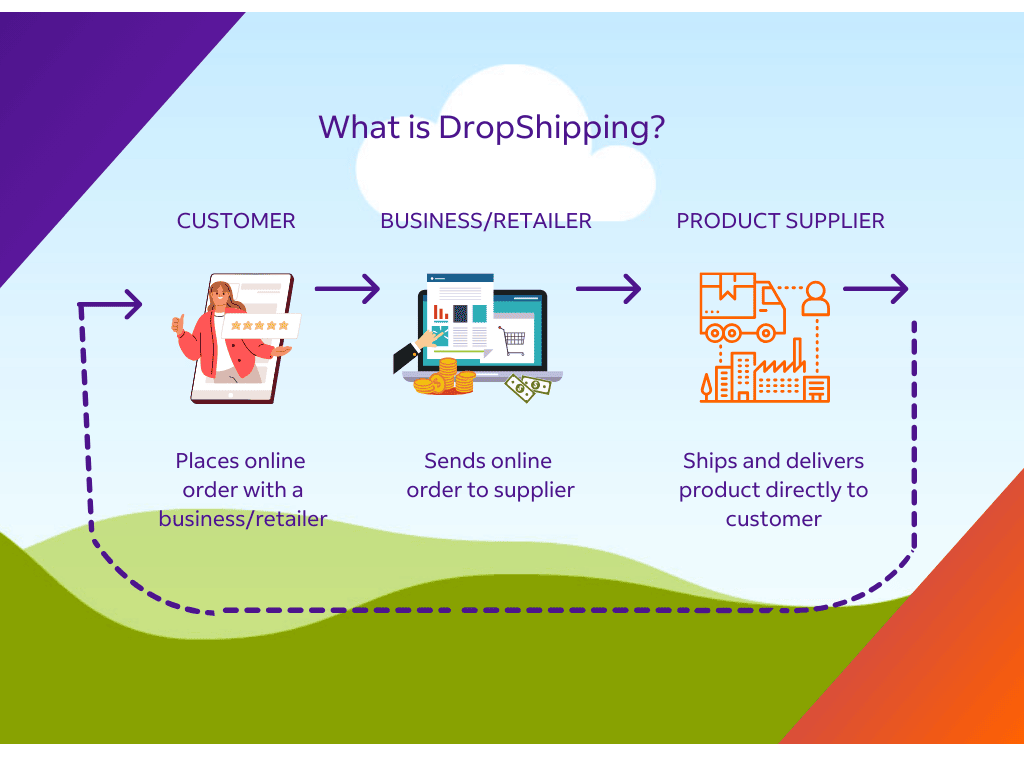
Drop shipping is a retail fulfillment method where a store doesn’t keep the products it sells in stock. Instead, when a store sells a product, it purchases the item from a third party and has it shipped directly to the customer. As a result, the seller never sees or handles the product. This model has gained immense popularity due to its low overhead costs and the ability to operate without a physical storefront.
The Evolution of Drop Shipping
The concept of drop shipping has been around for decades, but it has evolved significantly with the rise of e-commerce. Initially, it was primarily used by small retailers who wanted to offer a wider range of products without the financial burden of maintaining inventory. With the advent of online marketplaces and platforms like Shopify, the drop shipping model has become accessible to entrepreneurs worldwide.
How Drop Shipping Works
The drop shipping process involves several key steps:
- Setting Up an Online Store: Entrepreneurs create an online store using platforms like Shopify, WooCommerce, or BigCommerce.
- Choosing a Niche: Selecting a specific market or niche is crucial for success. This could range from fashion to electronics.
- Finding Suppliers: Retailers partner with suppliers who are willing to fulfill orders on their behalf. Popular platforms for finding suppliers include AliExpress, Oberlo, and SaleHoo.
- Listing Products: Once suppliers are chosen, products are listed on the online store with descriptions, images, and prices.
- Receiving Orders: When a customer places an order, the retailer forwards the order details to the supplier.
- Shipping: The supplier ships the product directly to the customer, and the retailer is notified of the shipment.
Advantages of Drop Shipping
Low Startup Costs
One of the most significant advantages of drop shipping is the low barrier to entry. Entrepreneurs can start an online store without investing heavily in inventory. This makes it an attractive option for those looking to start a business with limited funds.
Flexibility and Scalability
Drop shipping allows for flexibility in terms of product offerings. Retailers can easily add or remove products from their store without worrying about unsold inventory. Additionally, as the business grows, scaling up operations is relatively straightforward since the retailer does not need to manage physical stock.
Wide Product Selection
Retailers can offer a vast array of products without the need to purchase them upfront. This enables them to cater to diverse customer preferences and trends, making it easier to adapt to market changes.
Location Independence
Since drop shipping is primarily an online business model, entrepreneurs can operate from anywhere with an internet connection. This location independence is appealing to many, allowing for a better work-life balance.
Challenges of Drop Shipping
Lower Profit Margins
While drop shipping offers low startup costs, it often comes with lower profit margins compared to traditional retail models. Retailers must carefully price their products to remain competitive while covering costs.
Inventory Issues
Since retailers do not hold inventory, they rely on suppliers to maintain stock levels. This can lead to issues if a supplier runs out of stock or discontinues a product, potentially resulting in lost sales and dissatisfied customers.
Shipping Complexities
Managing shipping can be complicated, especially if retailers work with multiple suppliers. Different suppliers may have varying shipping times and costs, which can affect customer satisfaction.
Customer Service Challenges
As the retailer does not handle the products directly, any issues with shipping or product quality must be addressed through the supplier. This can lead to delays in resolving customer complaints and may impact the retailer’s reputation.
Best Practices for Successful Drop Shipping
Research Your Market
Conduct thorough market research to identify profitable niches and understand customer preferences. Tools like Google Trends and keyword research can help gauge demand for specific products.
Choose Reliable Suppliers
Partnering with trustworthy suppliers is crucial for maintaining product quality and timely shipping. Look for suppliers with positive reviews and a proven track record in the industry.
Optimize Your Online Store
Invest time in creating a user-friendly and visually appealing online store. High-quality product images, detailed descriptions, and easy navigation can enhance the shopping experience and increase conversion rates.
Focus on Marketing
Effective marketing strategies are essential for driving traffic to your online store. Utilize social media, email marketing, and search engine optimization (SEO) to reach potential customers and build brand awareness.
Provide Excellent Customer Service
Prioritize customer service to build trust and loyalty. Respond promptly to inquiries, address concerns, and ensure a smooth return process to enhance the overall customer experience.
Conclusion
Drop shipping presents a unique opportunity for aspiring entrepreneurs to enter the e-commerce space with minimal investment. While it comes with its challenges, understanding the intricacies of the model and implementing best practices can lead to a successful online business. By focusing on market research, supplier reliability, and customer service, retailers can navigate the complexities of drop shipping and thrive in the competitive e-commerce landscape.
Ready to explore a world of unique products and unbeatable deals? Discover your next favorite item at LooperBuy today! Visit https://looperbuy.com/.
Related Questions & Answers
· What are the main benefits of drop shipping?
The main benefits of drop shipping include low startup costs, flexibility in product offerings, a wide selection of products, and the ability to operate from anywhere.
· How do I find reliable suppliers for drop shipping?
You can find reliable suppliers through platforms like AliExpress, Oberlo, and SaleHoo, as well as by researching reviews and ratings from other retailers.
· What are the common challenges faced in drop shipping?
Common challenges include lower profit margins, inventory issues, shipping complexities, and customer service difficulties.
· Can I run a drop shipping business part-time?
Yes, many entrepreneurs run drop shipping businesses part-time, as it allows for flexibility in managing time and resources.
· Is drop shipping a sustainable business model?
While drop shipping can be sustainable, success depends on effective market research, supplier reliability, and strong marketing strategies.
Hot Tags: Drop Shipping; E-commerce; Online Retail; Business Model; Supply Chain; Inventory Management; Market Research; Customer Service; Digital Marketing