Table of Contents
Introduction to Global Shipping Industry
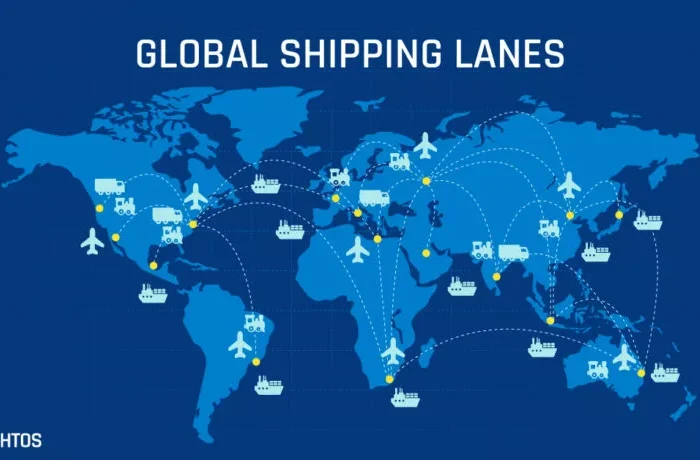
The shipping industry has long been the backbone of global trade. As businesses expand their operations across borders and consumers demand products from around the world, the need for efficient, reliable shipping services continues to grow.
Role of Global Shipping Companies
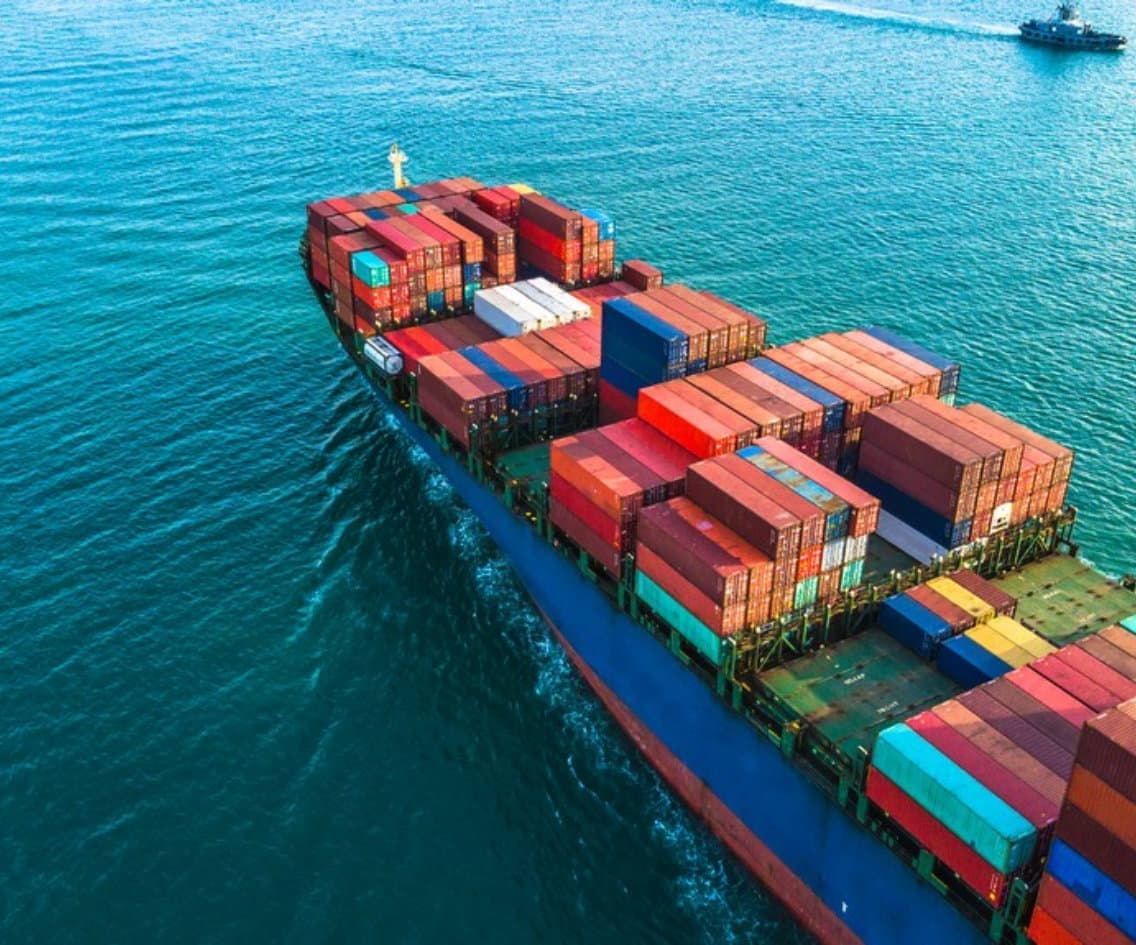
Global shipping companies play a crucial role in connecting producers, manufacturers, and retailers with consumers worldwide. They handle the transportation of vast quantities of goods across oceans, ensuring timely delivery and maintaining the flow of global commerce.
These companies invest heavily in maintaining large fleets of vessels equipped with advanced technology to ensure cargo is transported safely and efficiently. They also have extensive networks of ports and terminals, allowing them to serve multiple regions and provide comprehensive logistics solutions.
Current State of the Global Shipping Market
The global shipping market has been evolving rapidly. Factors such as globalization, e-commerce growth, and technological advancements have significantly impacted the industry. The market has witnessed increasing demand for shipping services, driven by the need to move goods across long distances quickly and cost-effectively.
Competition among shipping companies has intensified, leading to improvements in service quality, cost efficiency, and innovation. Sustainability has also become a key focus area for many shipping companies as they strive to reduce their environmental impact and meet regulatory requirements.
Major Global Shipping Companies
Several shipping companies dominate the global market due to their extensive networks, large fleets, and advanced operational capabilities.
Maersk Line
Maersk Line is one of the world’s largest container shipping companies. It operates a vast fleet of vessels and serves hundreds of ports across six continents. Known for its commitment to reliability and customer service, Maersk offers a wide range of shipping solutions, including liner shipping, logistics, and supply chain management.
The company has been at the forefront of adopting sustainable practices. It has set ambitious goals to achieve net-zero emissions by 2040 and is actively investing in research and development to explore alternative fuels and technologies.
Maersk’s digital transformation initiatives include the implementation of advanced tracking systems, e-commerce solutions, and data analytics to enhance operational efficiency and provide customers with real-time visibility into their supply chains.
Mediterranean Shipping Company (MSC)
MSC is another leading global shipping company. With a strong presence in over 150 countries, it operates one of the largest container ship fleets in the world. MSC is known for its reliability, flexibility, and customer-focused approach.
The company offers a wide range of shipping services, including full-container load (FCL), less-than-container load (LCL), and specialized transportation for oversized or heavy cargo. It has also expanded its logistics services to provide end-to-end supply chain solutions.
MSC is committed to environmental sustainability. It has implemented several initiatives to reduce its carbon footprint, such as optimizing shipping routes, investing in energy-efficient vessels, and exploring alternative energy sources.
CMA CGM
CMA CGM is a major player in the global shipping industry. Headquartered in France, it operates a large fleet of vessels and serves numerous ports worldwide. The company offers comprehensive shipping solutions, including container shipping, logistics, and maritime agency services.
CMA CGM has been actively expanding its service offerings through strategic acquisitions and partnerships. It has also been investing in digital technologies to enhance its operations and customer experience. Its digital platforms provide customers with online booking, tracking, and documentation services.
The company places a strong emphasis on sustainability. It has launched several environmental initiatives, such as deploying liquefied natural gas (LNG)-powered vessels and reducing greenhouse gas emissions. CMA CGM aims to achieve carbon neutrality by 2050.
Hapag-Lloyd
Hapag-Lloyd is a leading global container shipping company. It operates a modern fleet of vessels and provides shipping services to over 120 countries. The company is known for its reliability, service quality, and innovative solutions.
Hapag-Lloyd offers a wide range of shipping services, including liner shipping, logistics, and supply chain management. It has a strong focus on customer service and provides personalized solutions tailored to the specific needs of its clients.
The company has been actively investing in digitalization to enhance its operations and customer experience. Its digital platforms allow customers to manage their shipments, access real-time tracking information, and generate reports. Hapag-Lloyd is also committed to sustainability and has implemented several initiatives to reduce its environmental impact.
COSCO Shipping Lines
COSCO Shipping Lines is a major Chinese shipping company and one of the largest container shipping operators in the world. It has a global network of ports and terminals and offers shipping services to numerous countries.
The company provides a wide range of shipping solutions, including container shipping, logistics, and supply chain management. It has been expanding its service offerings through strategic acquisitions and investments. COSCO Shipping Lines has also been investing in digital technologies to enhance its operations and customer experience.
COSCO Shipping Lines is committed to sustainable development. It has implemented several initiatives to reduce its carbon footprint, such as optimizing shipping routes, investing in energy-efficient vessels, and exploring alternative energy sources.
Factors Influencing the Success of Global Shipping Companies
Several factors contribute to the success of global shipping companies in today’s competitive market.
Fleet Modernization and Technology Integration
Investing in modern vessels equipped with advanced technology is crucial for shipping companies to remain competitive. Modern ships are more fuel-efficient, have larger carrying capacities, and incorporate features that enhance safety and operational efficiency.
Technology integration plays a vital role in improving shipping operations. Advanced tracking systems, automated booking platforms, and data analytics tools help companies optimize their routes, improve cargo handling, and provide customers with real-time information about their shipments.
Network Expansion and Strategic Partnerships
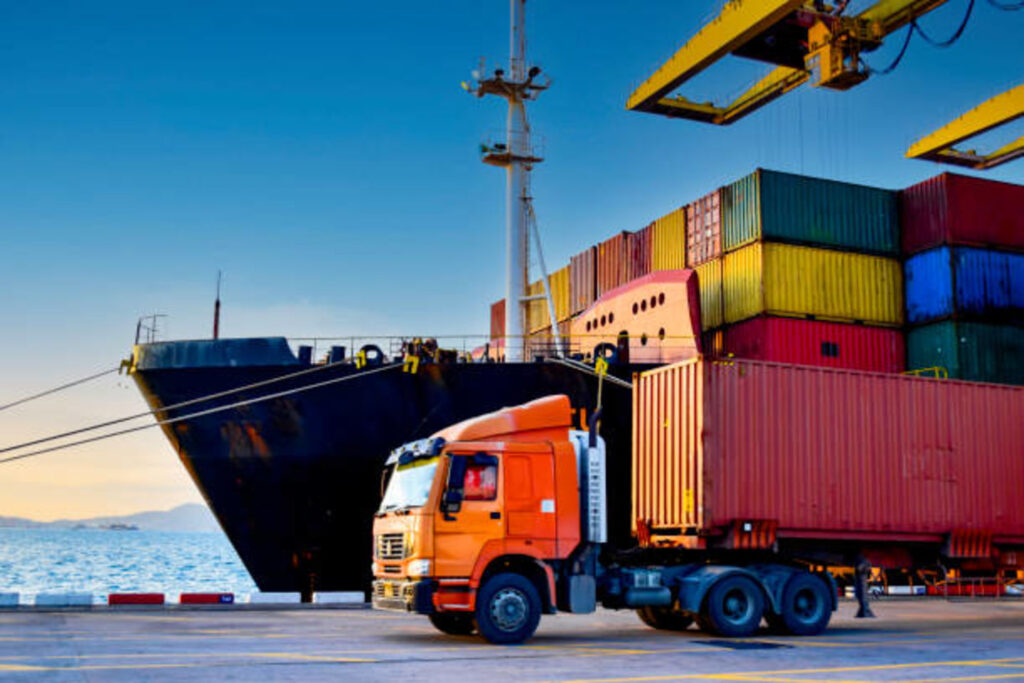
Expanding shipping networks and forming strategic partnerships enable companies to enhance their service coverage and reach new markets. By establishing operations in key ports and terminals worldwide, shipping companies can provide more comprehensive logistics solutions to their customers.
Strategic partnerships with other shipping lines, logistics providers, and port operators help companies share resources, reduce costs, and improve service quality. These collaborations also enable companies to offer more competitive pricing and better service terms to their customers.
Customer-Centric Services and Solutions
Providing customer-centric services is essential for shipping companies to build strong relationships and retain clients in the long run. This involves understanding customers’ specific needs and offering tailored solutions that meet their requirements.
Shipping companies must prioritize customer service excellence by providing timely and accurate information, responding promptly to inquiries, and resolving issues efficiently. Offering additional value-added services such as logistics planning, supply chain optimization, and customs clearance support can also enhance customer satisfaction.
Sustainability Initiatives and Environmental Responsibility
With increasing environmental awareness and regulatory pressures, shipping companies are under pressure to reduce their environmental impact. Implementing sustainability initiatives such as adopting cleaner fuels, optimizing shipping routes to reduce emissions, and investing in energy-efficient technologies helps companies meet regulatory requirements and appeal to environmentally conscious customers.
By embracing sustainable practices, shipping companies can also improve their brand reputation, reduce operational costs in the long run, and contribute to the global efforts to combat climate change.
Future Outlook for Global Shipping Companies
The future of the global shipping industry looks promising, with several trends and developments shaping the landscape.
Growth of E-commerce and Changing Consumer Demands
The rise of e-commerce continues to drive demand for shipping services. As more consumers shop online, shipping companies must adapt to meet the changing requirements of e-commerce businesses. This includes providing faster delivery options, reliable tracking services, and efficient returns management.
Shipping companies are also exploring new delivery models such as same-day delivery and direct-to-consumer shipping to cater to the expectations of today’s customers. The ability to integrate with e-commerce platforms and provide seamless shipping solutions will be crucial for shipping companies to remain competitive in this space.
Technological Advancements and Digital Transformation
Technology will continue to play a transformative role in the shipping industry. Advances in artificial intelligence, machine learning, and the Internet of Things (IoT) are expected to revolutionize shipping operations.
Shipping companies are likely to adopt technologies such as autonomous vessels, drone deliveries, and blockchain for secure and transparent supply chain management. Digital transformation will also focus on enhancing customer experience through personalized services, real-time tracking, and automated customer support.
Sustainability and Regulatory Challenges
Shipping companies will face increasing pressure to address environmental concerns and comply with stricter regulations. The International Maritime Organization (IMO) has set targets to reduce greenhouse gas emissions from shipping, and companies will need to implement measures to achieve compliance.
This may involve investing in alternative fuels such as hydrogen and ammonia, developing more energy-efficient vessel designs, and improving operational efficiency to reduce emissions. Companies that successfully navigate these regulatory challenges and embrace sustainability will be better positioned to thrive in the future.
Conclusion
The global shipping industry is characterized by intense competition, rapid technological changes, and evolving customer demands. The leading shipping companies highlighted in this article have demonstrated their ability to adapt to these challenges and maintain their positions as industry leaders.By investing in modern fleets, expanding their networks, prioritizing customer service, and embracing sustainability, these companies continue to play a vital role in facilitating global trade. As the industry continues to evolve, it will be interesting to see how these shipping giants adapt and shape the future of maritime commerce.
If you want to ensure your goods are reliably delivered to overseas addresses despite these global logistics complexities, you can use looperbuy, a one-stop purchasing-logistics solution:https://looperbuy.com/.
Related Questions & Answers
· What are the key factors that make Maersk Line a leader in the shipping industry?
Maersk Line’s leadership in the shipping industry can be attributed to its extensive fleet of vessels, global network of ports, commitment to reliability and customer service, and strong focus on sustainability. The company’s investments in digital transformation and adoption of advanced technologies also play a crucial role in maintaining its competitive edge.
· How does Mediterranean Shipping Company (MSC) differentiate itself from other shipping companies?
MSC differentiates itself through its strong presence in over 150 countries, reliable and flexible shipping services, and customer-focused approach. The company’s wide range of shipping solutions, including specialized transportation for oversized cargo, and its commitment to environmental sustainability further set it apart from competitors.
· What initiatives is CMA CGM undertaking to achieve carbon neutrality by 2050?
CMA CGM is undertaking several initiatives to achieve carbon neutrality by 2050, including deploying liquefied natural gas (LNG)-powered vessels, reducing greenhouse gas emissions through optimized shipping routes and energy-efficient technologies, and exploring alternative energy sources and innovative solutions to decarbonize maritime transport.
· How is Hapag-Lloyd enhancing its customer experience through digitalization?
Hapag-Lloyd is enhancing its customer experience through digitalization by providing online booking and tracking platforms, enabling customers to manage their shipments and access real-time information. The company’s digital solutions also include tools for generating reports and analyzing shipment data to help customers make informed decisions.
· What role does COSCO Shipping Lines play in the global supply chain?
COSCO Shipping Lines plays a significant role in the global supply chain by providing extensive shipping services to numerous countries through its large fleet of vessels and global network of ports and terminals. The company’s comprehensive logistics solutions, strategic acquisitions, and investments in digital technologies contribute to its ability to facilitate the movement of goods across international borders efficiently and reliably.
Hot Tags: Maritime Shipping Leaders; Container Shipping Giants; Global Logistics Providers; Sustainable Shipping Practices; Advanced Shipping Technology; International Freight Services; E-commerce Shipping Solutions; Shipping Industry Innovation; Global Supply Chain Management