Table of Contents
Introduction to Home Textiles in Bangladesh
Home textiles play a crucial role in the cultural and economic landscape of Bangladesh. This sector not only reflects the rich heritage of the country but also significantly contributes to its economy. With a blend of traditional craftsmanship and modern manufacturing techniques, Bangladesh has emerged as a key player in the global home textiles market. This article explores the various aspects of home textiles in Bangladesh, including their history, types, market dynamics, and future prospects.
The Historical Context of Home Textiles in Bangladesh
Traditional Craftsmanship
The roots of home textiles in Bangladesh can be traced back centuries, with a rich tradition of weaving and textile production. The country is renowned for its handloom products, which are often made using age-old techniques passed down through generations. Craftsmen in rural areas create exquisite pieces that reflect the local culture and artistry. Notable traditional textiles include Nakshi Kantha, a form of embroidered quilt, and muslin, which was historically prized for its fine quality.
Evolution Over Time
As the textile industry evolved, so did the methods of production. The introduction of mechanized weaving and dyeing processes in the late 20th century transformed the landscape of home textiles. While traditional methods are still cherished, modern techniques have allowed for mass production, catering to both domestic and international markets. This evolution has enabled Bangladesh to become one of the largest exporters of home textiles globally.
Cultural Significance
Home textiles in Bangladesh are not merely functional items; they are imbued with cultural significance. Each piece often tells a story, reflecting the traditions, beliefs, and lifestyles of the people. For instance, the intricate designs of Nakshi Kantha quilts often depict rural life, folklore, and nature, making them not just decorative items but also cultural artifacts. This cultural richness adds value to Bangladeshi textiles, making them sought after in international markets.
Types of Home Textiles Produced in Bangladesh
Bed Linen
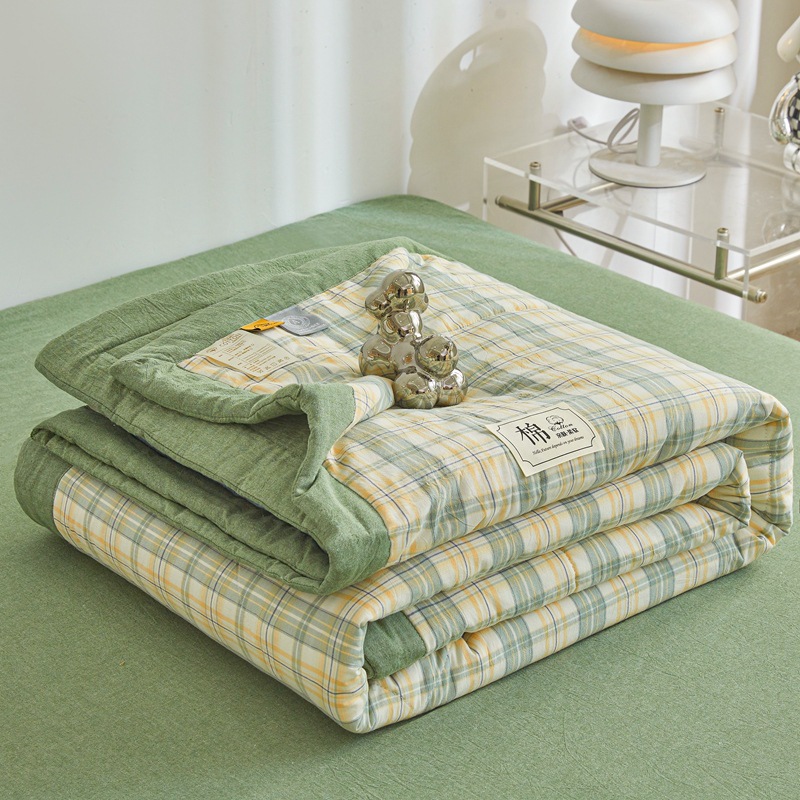
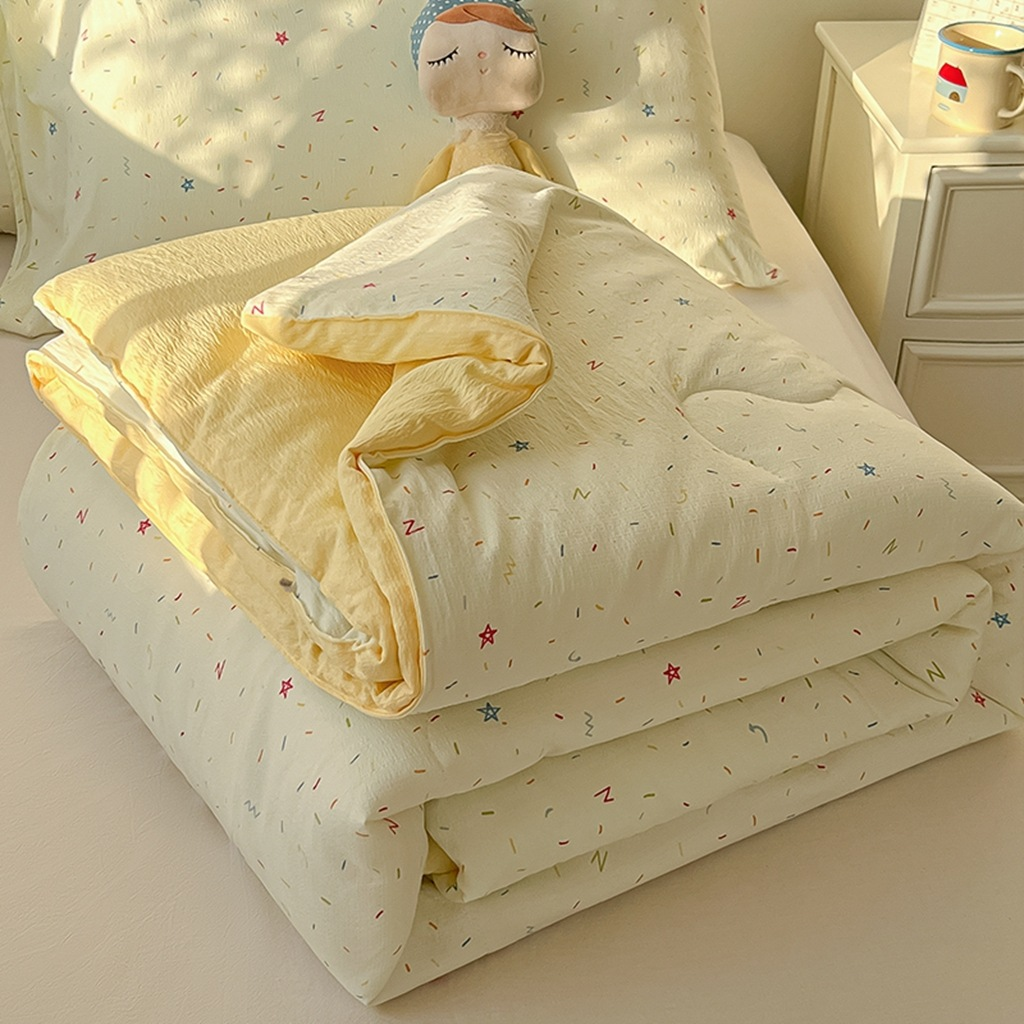
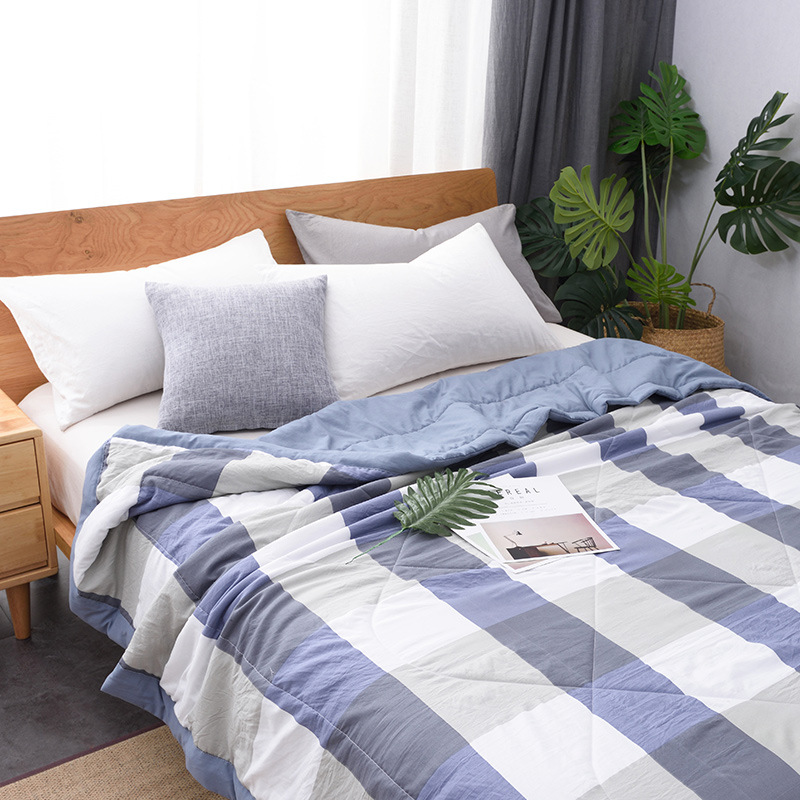
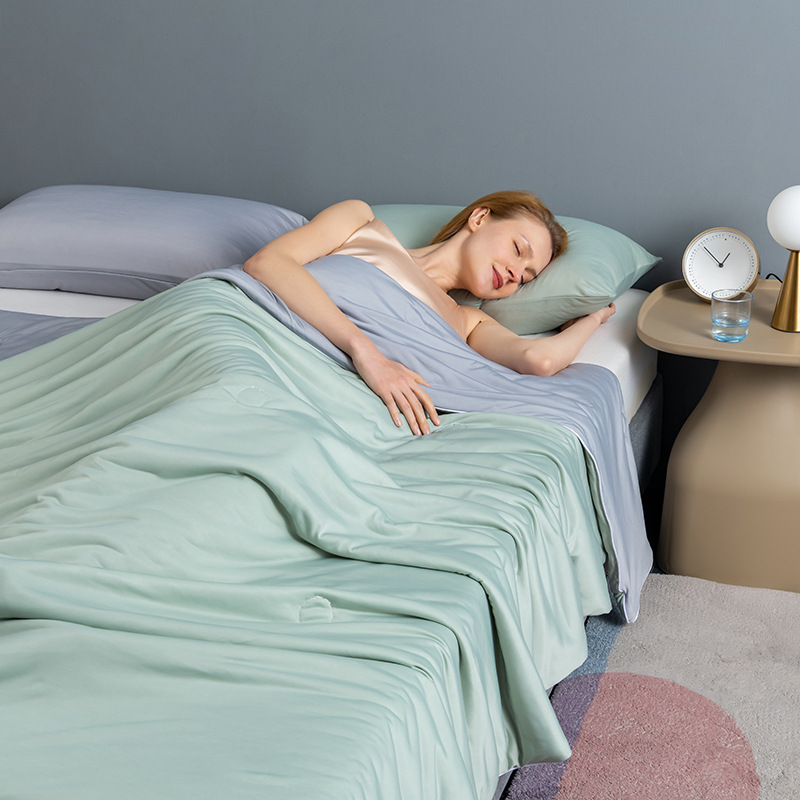
Bed linen is one of the most significant segments of the home textiles market in Bangladesh. This category includes bed sheets, pillowcases, and duvet covers, often made from cotton and blended fabrics. The demand for high-quality bed linen has surged, driven by both local consumers and international buyers seeking affordable yet stylish options. Manufacturers are increasingly focusing on producing eco-friendly bed linen, utilizing organic cotton and sustainable dyes to meet the growing demand for environmentally conscious products.
Bath Linen
Bath linen, which encompasses towels, bath mats, and shower curtains, is another vital segment. Bangladeshi manufacturers produce a wide range of bath textiles, focusing on absorbency, durability, and design. The use of vibrant colors and patterns makes these products appealing to consumers. Additionally, the trend towards luxury bath products has led to the introduction of high-end towels and bath accessories, further expanding this market segment.
Kitchen Linen
Kitchen textiles, including tablecloths, aprons, and dish towels, are also popular. These items often feature traditional designs and are made from cotton or linen, ensuring they are both functional and aesthetically pleasing. The kitchen linen market has seen growth due to the rising trend of home cooking and dining. As more people invest in their kitchens, the demand for stylish and practical kitchen textiles continues to rise.
Upholstery and Floor Coverings
Upholstery fabrics and floor coverings, such as rugs and carpets, represent a significant portion of the home textiles industry. Bangladesh is known for its handwoven rugs, which are often made from natural fibers like jute and cotton. These products are not only environmentally friendly but also add a touch of elegance to home interiors. The growing interest in interior design has spurred demand for unique and artisanal floor coverings, further enhancing the market for Bangladeshi textiles.
Decorative Textiles
In addition to functional textiles, decorative items such as cushions, throws, and wall hangings are gaining popularity. These products often incorporate traditional motifs and modern designs, appealing to a wide range of consumers. The rise of social media and online shopping has also contributed to the increased visibility and demand for decorative textiles, as consumers seek to personalize their living spaces.
The Economic Impact of Home Textiles in Bangladesh
Contribution to Exports
The home textiles sector is a vital contributor to Bangladesh’s economy, accounting for a substantial share of the country’s total exports. With a growing demand for home textiles in international markets, particularly in Europe and North America, Bangladesh has positioned itself as a reliable supplier. The sector’s growth has been supported by favorable government policies and trade agreements that facilitate exports. In recent years, the government has implemented initiatives to promote the textile industry, including financial incentives and support for research and development.
Employment Generation
The home textiles industry is a significant source of employment in Bangladesh, providing jobs to millions of people, particularly women in rural areas. This sector empowers women by offering them opportunities for financial independence and skill development. Many organizations are working to enhance the livelihoods of artisans and workers in this industry, ensuring fair wages and safe working conditions. Training programs and workshops are being conducted to improve skills and promote entrepreneurship among women, further contributing to gender equality in the workforce.
Challenges Faced by the Industry
Despite its successes, the home textiles industry in Bangladesh faces several challenges. These include competition from other textile-producing countries, fluctuating raw material prices, and the need for sustainable practices. Additionally, the industry must adapt to changing consumer preferences, such as the demand for eco-friendly and ethically produced textiles. The COVID-19 pandemic has also posed significant challenges, disrupting supply chains and affecting production capacity.
The Role of Technology
The integration of technology in textile production is becoming increasingly important. Manufacturers are adopting advanced technologies such as automation, digital printing, and data analytics to enhance efficiency and reduce costs. These innovations not only improve production processes but also enable companies to respond quickly to market trends and consumer demands. The use of technology in design and manufacturing is helping Bangladeshi textile companies maintain a competitive edge in the global market.
The Future of Home Textiles in Bangladesh
Embracing Sustainability
As global awareness of environmental issues grows, the home textiles industry in Bangladesh is increasingly focusing on sustainability. Many manufacturers are adopting eco-friendly practices, such as using organic cotton and natural dyes. This shift not only meets consumer demand for sustainable products but also enhances the industry’s reputation on the global stage. The government is also promoting sustainable practices through various initiatives, encouraging manufacturers to adopt environmentally friendly production methods.
Innovation and Technology
The integration of technology in textile production is another trend shaping the future of home textiles in Bangladesh. Innovations in design, manufacturing processes, and supply chain management are helping companies improve efficiency and reduce costs. Digital printing, for instance, allows for more intricate designs and faster turnaround times, catering to the fast-paced market demands. Additionally, the use of artificial intelligence and machine learning in production planning and inventory management is becoming more prevalent, enabling companies to optimize their operations.
Expanding Market Reach
To sustain growth, Bangladeshi home textile manufacturers are exploring new markets and diversifying their product offerings. By participating in international trade fairs and exhibitions, they can showcase their products to a broader audience. Additionally, the rise of e-commerce presents new opportunities for reaching consumers directly, bypassing traditional retail channels. Online platforms allow manufacturers to connect with customers globally, expanding their market reach and increasing sales.
Collaboration and Partnerships
Collaboration between manufacturers, designers, and retailers is essential for the growth of the home textiles industry. By working together, stakeholders can share knowledge, resources, and expertise, leading to innovative product development and improved market strategies. Partnerships with international brands can also help Bangladeshi manufacturers gain access to new markets and enhance their global presence.
Focus on Quality and Design
As competition intensifies, the emphasis on quality and design is becoming increasingly important. Bangladeshi manufacturers are investing in research and development to create unique and high-quality products that stand out in the market. Collaborations with designers and artists are also helping to infuse fresh ideas and creativity into the home textiles sector, appealing to a diverse range of consumers.
Latest Innovations in Sustainable Home Textile Production
The push for sustainability has led to several innovations in the home textile sector. Manufacturers are increasingly using recycled materials, such as recycled polyester made from plastic bottles, to create new textile products. This not only reduces waste but also lowers the carbon footprint associated with textile production. Additionally, advancements in dyeing technology, such as waterless dyeing processes, are being adopted to minimize water usage and pollution.
Blending Traditional Motifs with Modern Aesthetics
Bangladeshi home textiles are known for their rich cultural heritage, and many manufacturers are successfully blending traditional motifs with modern aesthetics. This fusion creates unique products that appeal to both local and international markets. For example, traditional patterns from Nakshi Kantha are being incorporated into contemporary cushion designs, making them attractive to younger consumers who appreciate both heritage and modernity.
Government Policies Supporting Growth
The Bangladeshi government has recognized the importance of the textile industry and has implemented several policies to support its growth. Initiatives such as tax incentives for sustainable practices, investment in infrastructure, and support for research and development are aimed at enhancing the competitiveness of the home textiles sector. Additionally, the government is working to improve labor conditions and promote fair trade practices, ensuring that the benefits of the industry are shared among all stakeholders.
Conclusion
The home textiles industry in Bangladesh is a vibrant and dynamic sector that reflects the country’s rich cultural heritage while contributing significantly to its economy. With a focus on sustainability, innovation, and expanding market reach, the future of home textiles in Bangladesh looks promising. As the industry continues to evolve, it will play a crucial role in shaping the global textile landscape. By embracing new technologies, fostering collaboration, and prioritizing quality, Bangladeshi manufacturers can ensure their continued success in the competitive home textiles market.
How to purchase:Online B2B sourcing platform, China purchase, Chinese suppliers – LooperBuy
Article Summary:
This article explores the vibrant home textiles industry in Bangladesh, highlighting its historical roots, types of products, economic impact, and future prospects. It emphasizes the importance of traditional craftsmanship while acknowledging the industry’s evolution through modernization and sustainability efforts. The article concludes that the future of home textiles in Bangladesh is promising, driven by innovation and expanding market opportunities.
Hot Tags:
Home Textiles; Bangladesh Textiles; Bed Linen; Bath Linen; Kitchen Linen; Upholstery Fabrics; Sustainable Textiles; Handloom Products; Textile Exports; Eco-Friendly Fabrics; Traditional Crafts; Textile Industry; Jute Products; Cotton Textiles; Home Decor; Global Market; Textile Manufacturing; Artisan Empowerment; Fair Trade; Organic Cotton; Digital Printing; E-commerce; Textile Innovation; Cultural Heritage; Fashion Textiles; Interior Design; Textile Supply Chain; Market Trends; Textile Sustainability; Women Empowerment; Craftsmanship
Related Questions & Answers
· What are the most popular types of home textiles exported from Bangladesh?
The most popular types include bed linen, bath linen, kitchen linen, upholstery fabrics, and decorative textiles.
· How are Bangladeshi home textile manufacturers addressing sustainability concerns?
Manufacturers are adopting eco-friendly practices, such as using organic materials and natural dyes, to meet consumer demand for sustainable products.
· What are the key challenges faced by the home textile industry in Bangladesh in the global market?
Challenges include competition from other countries, fluctuating raw material prices, and the need for sustainable practices, along with adapting to changing consumer preferences.
· What are the latest innovations in sustainable home textile production in Bangladesh?
Innovations include the use of recycled materials, waterless dyeing processes, and advancements in eco-friendly production techniques.
· How do Bangladeshi home textile designs blend traditional motifs with modern aesthetics?
Designers are incorporating traditional patterns into contemporary products, creating unique items that appeal to both local and international consumers.
· What government policies support the growth and sustainability of the home textile industry in Bangladesh?
The government provides tax incentives for sustainable practices, invests in infrastructure, and supports research and development to enhance the industry’s competitiveness.