The global demand for high-quality intimate apparel is shifting toward precision, comfort, and sophisticated design. Among these, Japanese bra brands have established a formidable reputation, blending advanced textile technology with an meticulous understanding of body morphology [1, 5, 7]. For B2B buyers—including brand owners, wholesalers, and specialized retailers—sourcing these products requires more than just catalog browsing; it demands a deep understanding of market trends, fabric innovation, and consumer expectations.
This guide provides a comprehensive overview of the Japanese bra brands landscape in 2026, offering actionable insights for those looking to expand their inventory with world-class Japanese designs. By leveraging global sourcing platforms like LooperBuy, businesses can efficiently bridge the gap between high-end design standards and mass-market scalability.
Table of Contents
The Evolution of Japanese Bra Brands in the Global Market
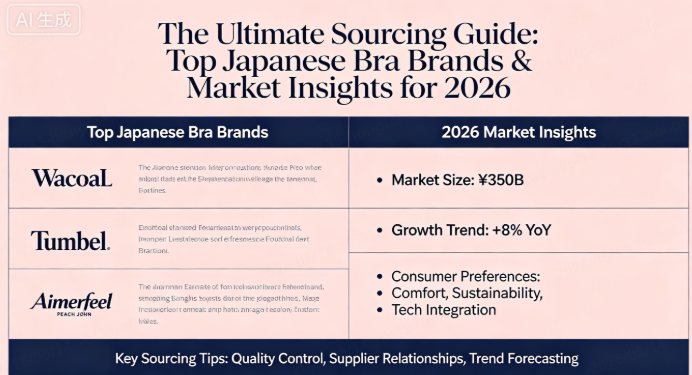
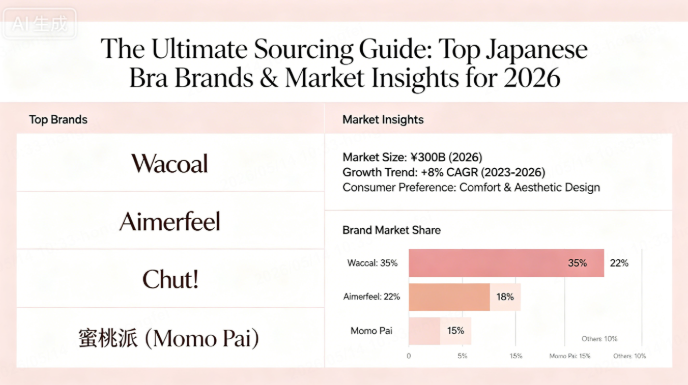
The Japanese lingerie market is experiencing robust growth, projected to reach approximately USD 10.1 billion by 2034, growing at a CAGR of 6.50% from 2026 [7]. This is not merely due to brand prestige but is rooted in a fundamental industry commitment: the fusion of functional engineering and aesthetic elegance.
Unlike Western mass-market lingerie, which often prioritizes bold silhouettes, Japanese bra brands focus on:
- Ergonomic Precision: Tailoring that accommodates diverse body types while providing superior support without discomfort [5, 7].
- Material Innovation: Advanced use of lightweight, breathable fabrics, and moisture-wicking technology designed for all-day wear [8].
- Durability and Quality: Strict quality control standards ensuring that products maintain their shape and elasticity over time [7].
Strategic Deep-Dive: Key Industry Players
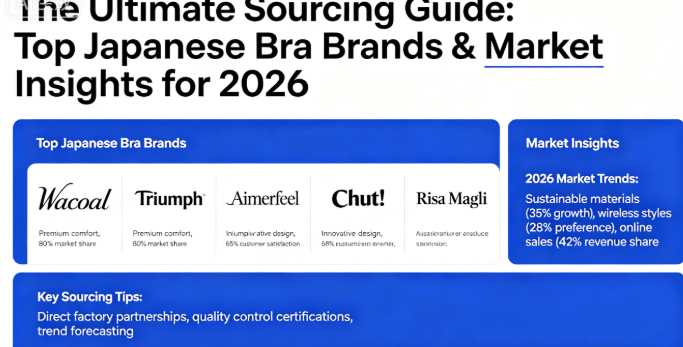
When evaluating potential brands for your portfolio, consider the following industry leaders that define the sector’s current standards. These brands have set the benchmark for quality that international B2B buyers should look for when sourcing comparable manufacturing solutions.
| Brand | Key Strength | Market Positioning |
|---|---|---|
| Wacoal | Technological innovation, wide size range [8, 19] | Global premium leader |
| Peach John | Trendy designs, high-velocity e-commerce sales [19] | Youth-focused, fashion-forward |
| Wing (Wacoal sub-brand) | Everyday comfort, reliable support [19] | Mass-market accessible |
| CW-X | Performance engineering, sport-specific support [19] | Specialty/Athletic market |
Note: Data derived from corporate financial summaries and industry performance metrics [19].
Technical Specifications: What Makes Japanese Design Unique?
The secret to the success of top Japanese bra brands lies in their technical construction. For a B2B buyer, understanding these specifications is crucial for vetting suppliers:
- High-Density Knitting: Japanese manufacturing utilizes high-density circular knitting machines. This results in fabric that provides “4-way stretch,” ensuring the garment moves with the body rather than constricting it [14].
- Structural Integrity: Many Japanese bras incorporate a “3D-fit” molded cup. Unlike traditional foam, these cups maintain their volume under stress, significantly increasing the shelf life of the product [7].
- Adjustability: Japanese designs often feature “multi-point adjustment” straps, allowing for a custom fit—a feature that significantly reduces product returns for retailers.
The Shift Toward Body Positivity and Inclusivity
The conversation around lingerie has shifted significantly since 2023. Modern Japanese bra brands are no longer just focusing on “beauty,” but on “wellness.” This includes:
- Diverse Sizing: Expanding ranges to include a broader spectrum of cup and band sizes [4, 5].
- Non-Wire Alternatives: A massive surge in demand for comfortable, wire-free bras that still provide enough lift for professional settings.
- Sustainability: The integration of recycled polyamide and organic cotton blends as consumers become increasingly eco-conscious [7].
Operational Excellence: Sourcing Strategies for 2026
Navigating the supply chain requires agility. Whether you are seeking established Japanese bra brands for wholesale or looking for manufacturers capable of replicating Japanese-level quality control, consider these essential steps:
1. Audit Material Quality
Prioritize manufacturers who use elastane-blended synthetics (5-10% content), which are the industry standard for functional comfort [14]. Always request “stress-test” reports, where fabrics are stretched repeatedly to simulate thousands of wear cycles.
2. Prioritize E-commerce Adaptability
Ensure your product listings emphasize the benefits (breathability, support, shape) rather than just the design. Consumers today are looking for solutions to common problems (e.g., strap slipping, cup gaping).
3. Optimize Logistics
Global shipping volatility is a major risk for B2B buyers. Utilizing a one-stop platform like LooperBuy allows you to consolidate orders from various top-tier manufacturers. This reduces your logistics overhead and ensures a smoother, more transparent supply chain, allowing you to focus on marketing and sales rather than customs and shipping documentation.
The Role of Technology in Future Lingerie Sourcing
Looking ahead to 2030, the integration of “smart textiles” will be the next major disruptor. We are already seeing initial prototypes of bras that can monitor vitals or adjust compression levels based on temperature. For B2B buyers, staying ahead of these trends by partnering with innovative manufacturers today will pay dividends tomorrow [6].
Summary of Market Outlook
The intimate apparel industry is evolving rapidly. By 2035, the global market is expected to continue its upward trajectory, with synthetic blends remaining dominant (over 62% of fabric volume) [14]. The winners in this space will be those who balance functional innovation with aesthetic appeal.
Frequently Asked Questions (FAQ)
1. Why are Japanese bra brands considered superior in quality?
Japanese brands excel due to rigorous manufacturing standards, precise ergonomic design, and the use of advanced, durable textile technology that provides long-term comfort [7].
2. Is it profitable for wholesalers to import Japanese-style lingerie?
Yes. High customer retention rates, combined with the premium positioning of Japanese designs, allow retailers to maintain stronger margins compared to generic products [12].
3. What is the projected market growth for lingerie through 2035?
The global lingerie market is expected to grow steadily, with regional segments like the Asia-Pacific market expanding significantly due to rising disposable incomes and fashion awareness [15, 16].
4. How can I ensure the quality of sourced lingerie matches my brand’s needs?
Partner with experienced B2B sourcing platforms like LooperBuy that specialize in verifying factory standards, managing global logistics, and ensuring high-volume consistency.
5. What design trends are defining the 2026 bra market?
Key trends include a shift toward “everyday comfort,” the integration of sports-inspired moisture-wicking technology, and increasing demand for diverse size ranges that support body inclusivity [4, 5, 8].
Brief Introduction:
Discover the essential dynamics of the 2026 Japanese bra market. This guide provides brand owners and wholesalers with expert insights into top industry players like Wacoal and Peach John, detailing the technological innovations and market trends driving the global demand for high-quality, comfortable, and durable intimate apparel. Learn strategic sourcing tips with LooperBuy to elevate your lingerie portfolio.
References
- [1] LinkedIn: Global Japan 3 & 4 Cup Bra Market Overview 2026-2033
- [3] LinkedIn: Japan Lingerie Fabrics Market Growth 2026-2033
- [4] Intel Market Research: Women’s Bra Market Outlook 2026-2034
- [5] Fortune Business Insights: Bra Market Size, Share & Trends 2026-2034
- [6] Global Market Insights: Smart Textiles in Apparel
- [7] IMARC Group: Japan Lingerie Market Size, Price Trends 2034
- [8] Yahoo Finance: Lingerie Market Analysis and Growth Outlook 2025-2033
- [12] Retail Dive: Premium Pricing in Lingerie
- [14] Business Research Insights: Lingerie Fabrics Market Size 2026-2035
- [15] MarketWatch: Asia-Pacific Lingerie Trends
- [16] Statista: Lingerie Market Revenue 2026
- [19] Wacoal Holdings: FY2026 Monthly Sales Data
Hot tags: Japanese bra brands, lingerie wholesale sourcing, B2B apparel platform, intimate apparel manufacturing, private label lingerie, bulk bra supply, lingerie supply chain management, women’s underwear market trends, global lingerie export, sustainable lingerie manufacturing.