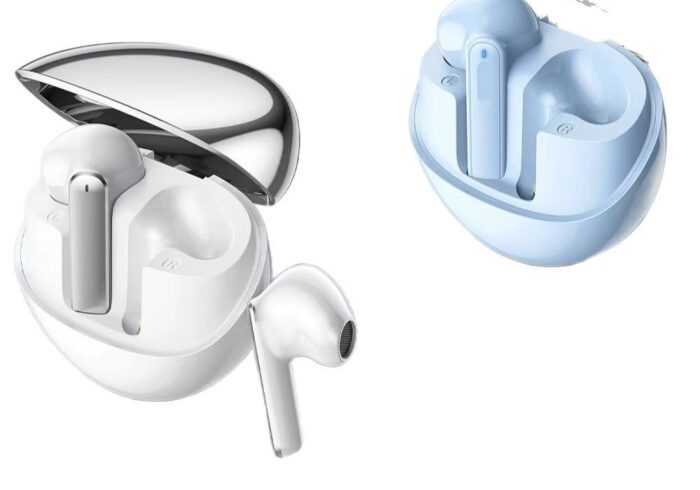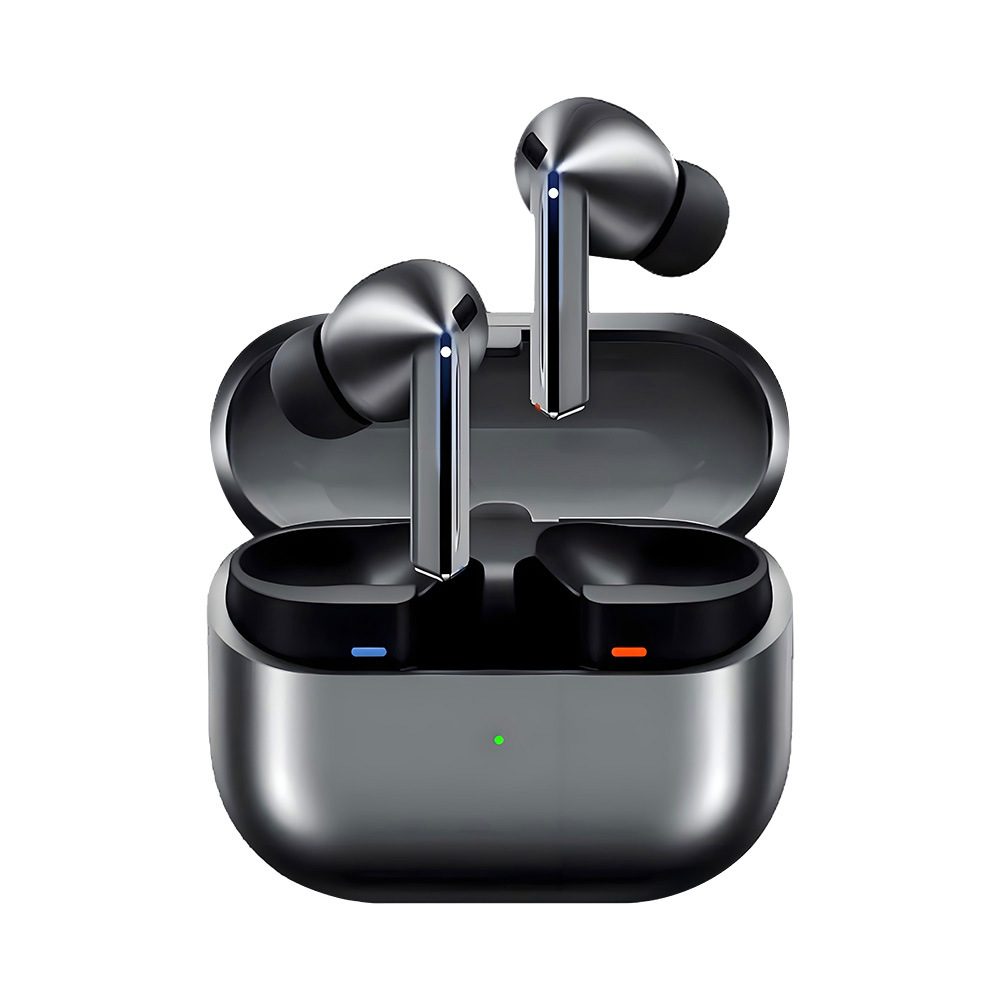
Wireless headphones have revolutionized the way we experience audio, providing unparalleled freedom and convenience. As technology continues to advance, the demand for high-quality wireless headphones has surged, making it essential for consumers to understand the various options available. This article delves into the world of wireless headphones, exploring their benefits, features, and the factors to consider when choosing the perfect pair.

Table of Contents
Understanding Wireless Headphones
Wireless headphones are audio devices that connect to your audio source without the need for physical cables. They utilize Bluetooth technology to transmit sound, allowing users to enjoy music, podcasts, and calls without being tethered to their devices. This section will explore the different types of wireless headphones and their unique features.
Types of Wireless Headphones
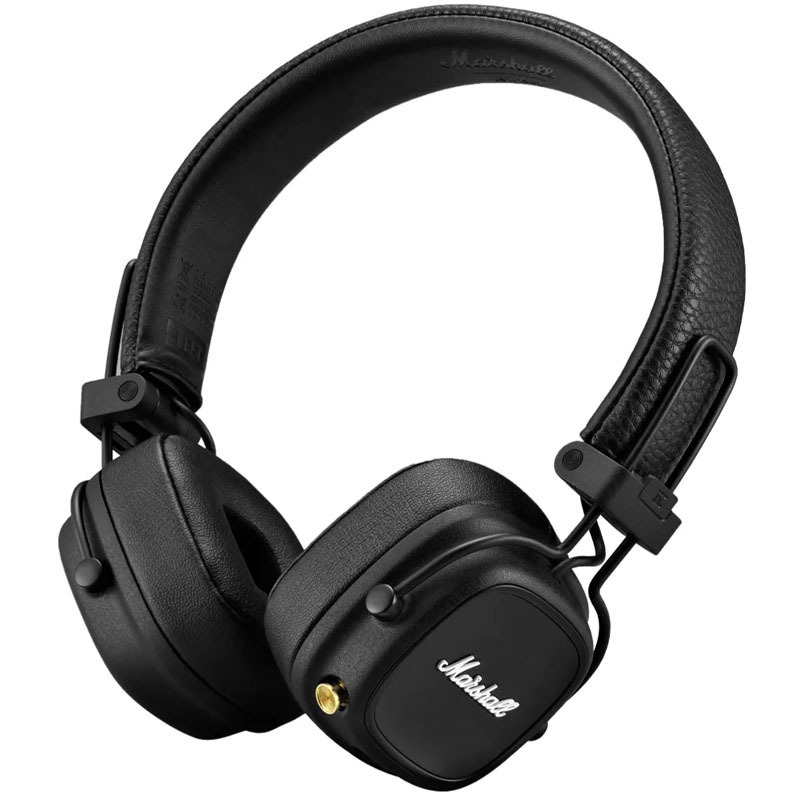
- Over-Ear Headphones: These headphones encompass the entire ear, providing excellent sound isolation and comfort. They are ideal for long listening sessions and are often equipped with larger drivers for enhanced audio quality. Over-ear headphones are particularly favored by audiophiles and professionals who require superior sound fidelity.
- On-Ear Headphones: On-ear headphones rest on the outer ear and are generally more compact than over-ear models. They offer a balance between portability and sound quality, making them a popular choice for everyday use. Their lightweight design makes them suitable for casual listening and short commutes.
- In-Ear Headphones: Also known as earbuds, in-ear headphones fit directly into the ear canal. They are highly portable and often come with various ear tip sizes for a customizable fit. Many in-ear models also feature noise-canceling technology, making them ideal for use in noisy environments.
- True Wireless Earbuds: These are the most advanced type of in-ear headphones, featuring no wires at all. Each earbud operates independently, providing complete freedom of movement. They often come with a charging case for convenience and can include features like touch controls and voice assistant integration.
Key Features to Look For
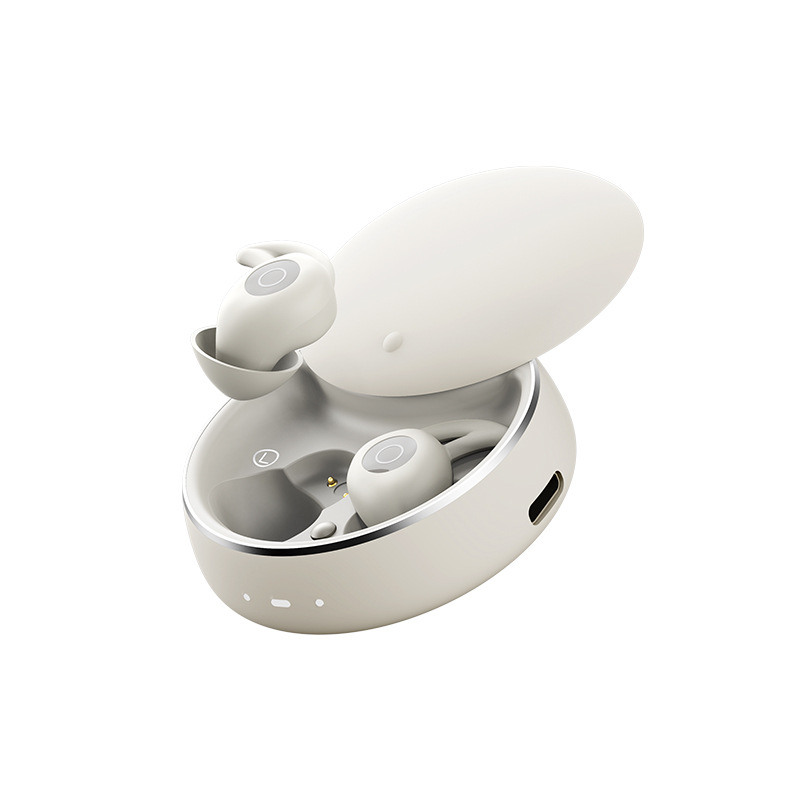
When selecting wireless headphones, several features can significantly impact your listening experience. Here are some essential aspects to consider:
- Sound Quality: Look for headphones with high-quality drivers and codecs that support advanced audio formats. Features like aptX and AAC can enhance sound clarity and reduce latency, ensuring a more enjoyable listening experience.
- Battery Life: Wireless headphones rely on battery power, so consider models with long battery life. Many headphones offer quick charging options, allowing you to get back to listening in no time. Some high-end models can provide up to 40 hours of playback on a single charge.
- Comfort and Fit: Comfort is crucial, especially for extended use. Look for adjustable headbands, cushioned ear pads, and various ear tip sizes to ensure a secure fit. The right fit not only enhances comfort but also improves sound isolation.
- Noise Cancellation: Active noise cancellation (ANC) technology can significantly improve your listening experience by reducing ambient noise. This feature is particularly beneficial in noisy environments, such as airplanes or busy streets, allowing you to immerse yourself in your audio.
- Connectivity: Ensure that the headphones support the latest Bluetooth version for better connectivity and range. Some models also offer multi-point connectivity, allowing you to connect to multiple devices simultaneously, which is great for multitasking.
The Benefits of Wireless Headphones
Wireless headphones offer numerous advantages over their wired counterparts. Understanding these benefits can help you make an informed decision when purchasing your next pair.
Freedom of Movement
One of the most significant advantages of wireless headphones is the freedom they provide. Without the constraints of wires, you can move freely while listening to music or taking calls. This feature is particularly beneficial for active individuals who enjoy exercising or commuting. Whether you’re jogging in the park or working out at the gym, wireless headphones allow you to enjoy your favorite tunes without being tethered to your device.
Convenience and Portability
Wireless headphones are designed for convenience. Many models are lightweight and foldable, making them easy to carry in a bag or pocket. Additionally, the absence of tangled wires simplifies storage and transport. This portability makes them an excellent choice for travelers and those who are always on the go.
Enhanced Features
Many wireless headphones come equipped with advanced features such as touch controls, voice assistants, and customizable sound profiles. These enhancements can elevate your listening experience and provide greater control over your audio. For instance, some models allow you to adjust the equalizer settings through a companion app, enabling you to tailor the sound to your preferences.
Compatibility with Multiple Devices
Wireless headphones can connect to various devices, including smartphones, tablets, and laptops. This versatility allows you to switch between devices seamlessly, making them ideal for multitasking. For example, you can listen to music on your laptop and take a call on your phone without needing to disconnect and reconnect.
Choosing the Right Wireless Headphones
With so many options available, selecting the right wireless headphones can be overwhelming. Here are some tips to help you make the best choice for your needs.
Determine Your Primary Use
Consider how you plan to use your headphones. If you primarily listen to music at home, over-ear headphones with excellent sound quality may be the best choice. For on-the-go use, lightweight in-ear models might be more suitable. If you’re a gamer, look for headphones with low latency and a good microphone for clear communication.
Set a Budget
Wireless headphones come in a wide range of prices. Determine your budget before shopping to narrow down your options. Remember that higher-priced models often offer better sound quality and additional features. However, there are also many budget-friendly options that provide excellent performance.
Read Reviews and Comparisons
Before making a purchase, read reviews and comparisons from reputable sources. User feedback can provide valuable insights into the performance and durability of different models. Websites and forums dedicated to audio equipment can be particularly helpful in finding unbiased opinions.
Try Before You Buy
If possible, try on headphones before purchasing. Comfort and fit are subjective, and what works for one person may not work for another. Testing headphones in-store can help you find the perfect pair. Pay attention to how they feel after wearing them for a while, as comfort is key for long listening sessions.
The Future of Wireless Headphones
As technology continues to evolve, the future of wireless headphones looks promising. Here are some trends and advancements to watch for in the coming years.
Improved Battery Technology
Battery life is a critical factor for wireless headphones, and advancements in battery technology are expected to lead to longer usage times. Future models may incorporate fast-charging capabilities, allowing users to get several hours of playback from just a few minutes of charging.
Enhanced Sound Quality
With the development of new audio codecs and technologies, the sound quality of wireless headphones is expected to improve significantly. Innovations such as lossless audio streaming and higher-resolution audio formats will provide users with an even more immersive listening experience.
Integration with Smart Devices
As smart home technology becomes more prevalent, wireless headphones are likely to integrate more seamlessly with smart devices. This could include features like voice control for smart assistants, allowing users to manage their home environment directly from their headphones.
Customizable Audio Experiences
Future wireless headphones may offer even more customizable audio experiences, allowing users to adjust sound profiles based on their preferences or the type of content they are listening to. This could include personalized equalizer settings or adaptive sound profiles that change based on the environment.
Sustainability and Eco-Friendly Designs
As consumers become more environmentally conscious, manufacturers are likely to focus on creating sustainable and eco-friendly wireless headphones. This could involve using recycled materials, reducing packaging waste, and implementing energy-efficient manufacturing processes.
Common Problems with Wireless Headphones
While wireless headphones offer many advantages, they are not without their issues. Understanding these common problems can help you make a more informed decision and manage your expectations.
Connectivity Issues
One of the most frequently reported problems with wireless headphones is connectivity issues. Users may experience dropouts or difficulty pairing their headphones with devices. This can be caused by interference from other wireless devices, low battery levels, or outdated Bluetooth versions. To mitigate these issues, ensure that your headphones and the device you are connecting to are updated to the latest firmware.
Battery Degradation
Over time, the battery life of wireless headphones can degrade, leading to shorter usage times. This is a common issue with rechargeable batteries, and users may find themselves needing to charge their headphones more frequently. To prolong battery life, avoid exposing your headphones to extreme temperatures and try to keep them charged between 20% and 80%.
Sound Quality Variability
While many wireless headphones offer excellent sound quality, some users may notice variability in audio performance. This can be influenced by factors such as the quality of the audio source, the Bluetooth codec being used, and the fit of the headphones. To achieve the best sound quality, use high-quality audio files and ensure a proper fit for optimal sound isolation.
Comfort and Fit Issues
Comfort is subjective, and what feels comfortable for one person may not work for another. Some users may find that their headphones become uncomfortable after extended use. To address this, look for models with adjustable headbands and cushioned ear pads. Trying on different styles can also help you find the best fit for your needs.
Conclusion
Wireless headphones have transformed the way we enjoy audio, offering convenience, comfort, and advanced features. By understanding the different types, key features, and benefits, you can make an informed decision when selecting your next pair. Whether you’re a casual listener or an audiophile, there’s a wireless headphone option that will meet your needs.
In summary, the right wireless headphones can enhance your listening experience, providing freedom of movement and high-quality sound. As technology continues to evolve, the options available will only improve, making it an exciting time to invest in wireless audio.
How to purchase:Online B2B sourcing platform, China purchase, Chinese suppliers – LooperBuy
Article Summary: This comprehensive guide explores the world of wireless headphones, discussing their types, key features, benefits, and tips for choosing the right pair. It highlights the freedom of movement, convenience, and enhanced features that wireless headphones offer, making them a popular choice for audio enthusiasts. The article also looks ahead to future trends in wireless headphone technology and addresses common problems users may encounter.
Hot Tags: Wireless Headphones; Bluetooth Headphones; Noise Cancelling Headphones; Over-Ear Headphones; In-Ear Headphones; True Wireless Earbuds; Sound Quality; Battery Life; Comfort; Connectivity; Audio Technology; Music Accessories; Headphone Reviews; Best Wireless Headphones; Portable Headphones; Active Noise Cancellation; Earbuds; Headphone Features; Wireless Audio; Headphone Buying Guide; Fitness Headphones; Travel Headphones; Gaming Headphones; Audiophile Headphones; Wireless Sound; Headphone Brands; Headphone Comparison; Wireless Listening; Headphone Comfort; Headphone Technology.
Related Questions & Answers
· What are the most common problems reported by users of wireless headphones?
Common problems include connectivity issues, battery degradation, sound quality variability, and comfort and fit issues. Users may experience dropouts, shorter battery life over time, and discomfort during extended use.
· How does the price of wireless headphones correlate with their sound quality and features?
Generally, higher-priced wireless headphones offer better sound quality, advanced features, and improved build quality. However, there are budget-friendly options that also provide excellent performance, so it’s essential to research and compare models.
· What are some emerging competitors or innovative technologies in the wireless headphone market?
Emerging competitors include brands that focus on sustainability and eco-friendly designs, as well as those that incorporate advanced technologies like adaptive sound profiles and lossless audio streaming. Innovations in battery technology and smart device integration are also on the rise.