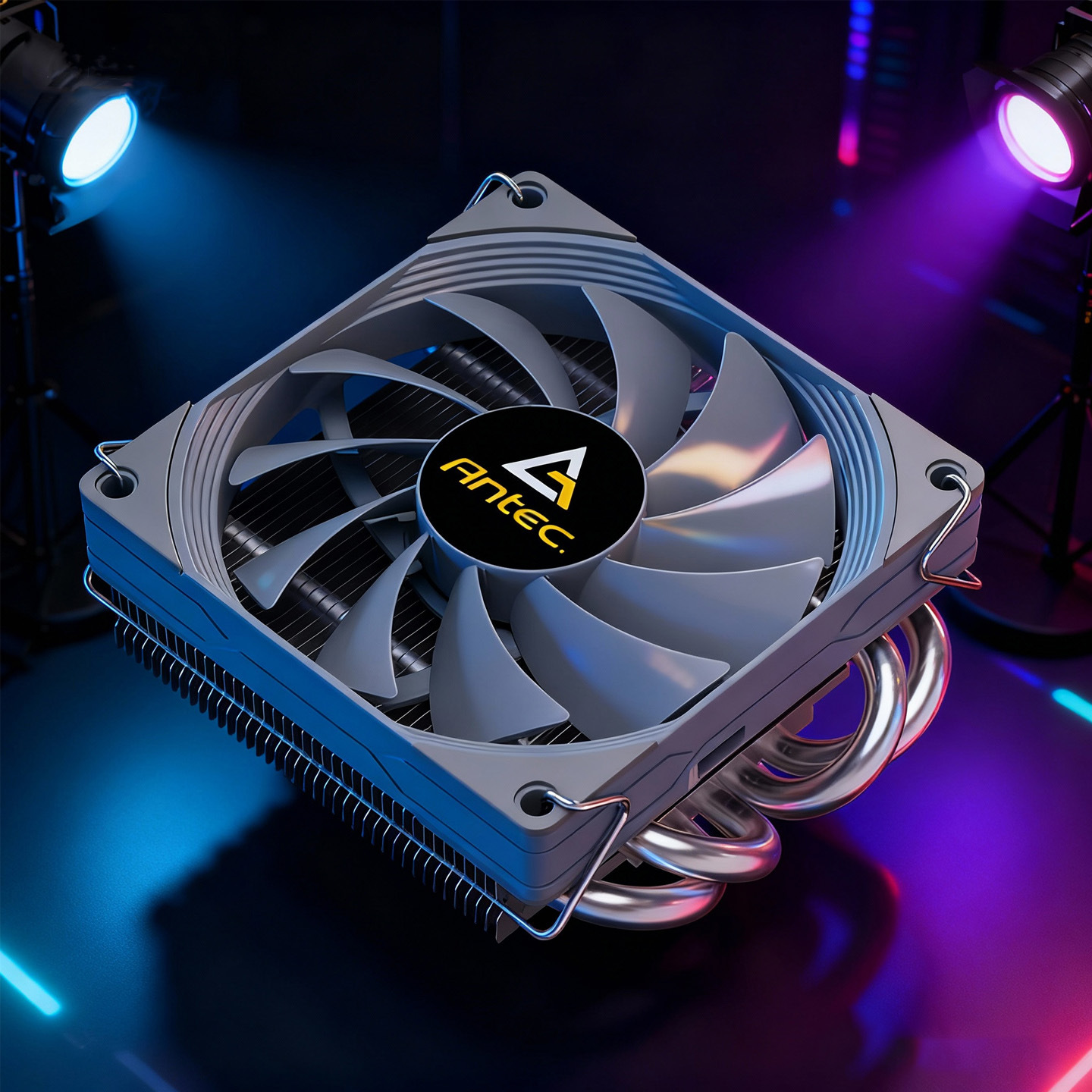
In the world of computer hardware, effective cooling is paramount for maintaining optimal performance and longevity. Among the various cooling solutions available, 130mm computer radiators have gained popularity for their balance of size and efficiency. This article delves into the intricacies of 130mm radiators, exploring their benefits, installation processes, and how they compare to other cooling options.

Table of Contents
Understanding Computer Radiators
Computer radiators are essential components in liquid cooling systems, designed to dissipate heat generated by the CPU and GPU. They work by circulating coolant through tubes that absorb heat from the components, which is then transferred to the radiator where it is cooled by fans.
The Role of Radiators in Cooling Systems
Radiators play a crucial role in maintaining the temperature of your computer. By effectively removing heat, they prevent overheating, which can lead to thermal throttling and hardware damage. The efficiency of a radiator is influenced by several factors, including its size, design, and the airflow provided by fans.
Types of Radiators
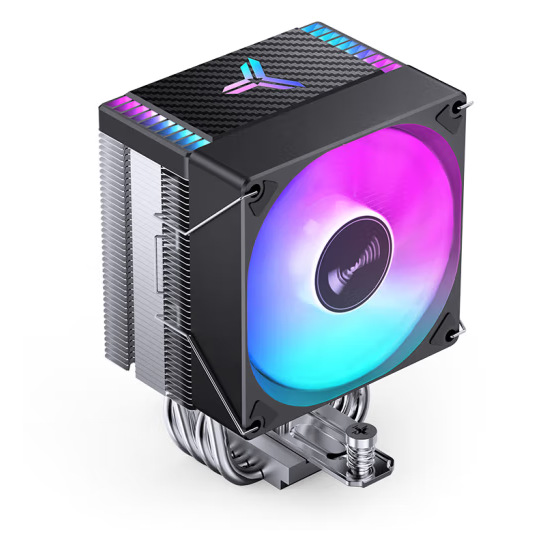
There are various types of radiators available, including:
- Air Coolers: Utilize fans to dissipate heat.
- Liquid Coolers: Use a liquid coolant to transfer heat away from components.
- Custom Loop Radiators: Allow for personalized cooling setups with multiple components.
Advantages of 130mm Radiators
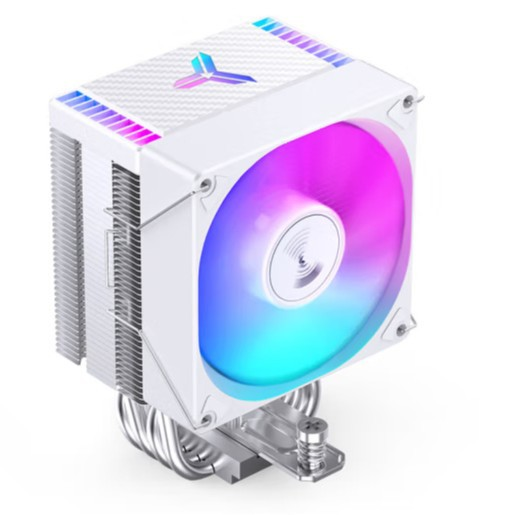
130mm radiators offer several advantages that make them an attractive choice for many builders and gamers.
Compact Size
One of the primary benefits of a 130mm radiator is its compact size. This makes it ideal for smaller cases where space is limited. Despite their smaller footprint, they can still provide effective cooling performance, making them suitable for mid-range builds.
Efficient Cooling Performance
While smaller than their 240mm or 360mm counterparts, 130mm radiators can still deliver impressive cooling performance. They are designed to maximize surface area for heat dissipation, ensuring that your components remain cool even under heavy loads.
Versatility
130mm radiators are versatile and can be used in various configurations. They can be mounted in different orientations and paired with various fans to optimize airflow. This flexibility allows users to customize their cooling solutions based on their specific needs.
Installation Process for 130mm Radiators
Installing a 130mm radiator can seem daunting, but with the right tools and guidance, it can be a straightforward process.
Tools Required
Before starting the installation, gather the following tools:
- Screwdriver
- Thermal paste
- Zip ties (for cable management)
- A clean cloth (for cleaning surfaces)
Step-by-Step Installation Guide
- Prepare Your Case: Ensure your case is clean and free of dust. Remove any existing cooling solutions if necessary.
- Mount the Radiator: Position the radiator in the desired location within the case. Use screws to secure it in place, ensuring it is firmly attached.
- Install the Fans: Attach the fans to the radiator. Ensure they are oriented correctly for optimal airflow—typically, fans should pull air through the radiator.
- Connect the Tubing: If using a liquid cooling system, connect the tubing from the CPU/GPU to the radiator. Ensure there are no kinks in the tubing.
- Fill the Reservoir: If your system requires it, fill the reservoir with coolant. Be cautious to avoid spills.
- Test the System: Before closing the case, power on the system to check for leaks and ensure the fans are functioning correctly.
Troubleshooting Common Issues
- Poor Cooling Performance: Ensure that the fans are spinning and that there are no obstructions to airflow.
- Leaking: Check all connections and fittings for tightness. If leaks persist, consider replacing the affected components.
Comparing 130mm Radiators to Other Sizes
When choosing a radiator, it’s essential to compare the 130mm option with other sizes to determine the best fit for your needs.
120mm vs. 130mm Radiators
While 120mm radiators are more common, 130mm radiators offer a slight increase in cooling surface area. This can lead to better performance, especially in compact builds where airflow is limited.
240mm and 360mm Radiators
Larger radiators, such as 240mm and 360mm, provide superior cooling performance due to their increased surface area and fan capacity. However, they require more space and may not fit in smaller cases. For users with high-performance systems, these larger options may be more suitable.
Performance Metrics of 130mm Radiators
To fully appreciate the capabilities of 130mm radiators, it’s essential to understand the performance metrics that define their efficiency.
Cooling Capacity
The cooling capacity of a radiator is often measured in watts. A 130mm radiator can typically handle a thermal load of around 200-300 watts, depending on the design and airflow. This makes it suitable for mid-range CPUs and GPUs, especially when overclocked.
Airflow and Static Pressure
Airflow is measured in cubic feet per minute (CFM), while static pressure is measured in mmH2O. High static pressure is crucial for pushing air through the radiator fins, especially in dense radiator designs. A good 130mm radiator should have fans that can provide a balance of high CFM and static pressure to ensure optimal cooling performance.
Noise Levels
Noise levels are an important consideration for many users. High-performance fans can produce significant noise, especially at full speed. When selecting a 130mm radiator, consider fans that offer a good balance between performance and noise levels, often measured in decibels (dB). Look for fans that operate quietly at lower RPMs while still providing adequate cooling.
Customizing Your Cooling Setup
One of the significant advantages of using a 130mm radiator is the ability to customize your cooling setup. Here are some ways to enhance your system further.
Fan Selection
Choosing the right fans can significantly impact your cooling performance. Look for fans with high static pressure ratings for better airflow through the radiator. Additionally, consider using PWM (Pulse Width Modulation) fans, which can adjust their speed based on temperature, providing a quieter operation when the system is under low load.
Radiator Orientation
The orientation of your radiator can affect cooling efficiency. Mounting the radiator at the top of the case can help with heat dissipation, as hot air rises. However, if space is limited, front mounting can also be effective, especially if paired with intake fans to bring in cool air.
Liquid Coolant Choices
If you are using a liquid cooling system, the choice of coolant can also impact performance. While distilled water is a popular choice due to its thermal conductivity, adding additives can help prevent corrosion and improve the coolant’s lifespan. There are also colored coolants available for aesthetic purposes, allowing you to customize the look of your build.
Maintenance Tips for 130mm Radiators
To ensure your 130mm radiator continues to perform optimally, regular maintenance is essential.
Cleaning the Radiator
Dust buildup can significantly impact cooling performance. Regularly clean the radiator fins and fans using compressed air or a soft brush. Ensure that the system is powered off and unplugged before performing any cleaning.
Checking for Leaks
If you are using a liquid cooling system, regularly check for leaks in the tubing and connections. Look for signs of coolant residue around fittings and ensure that the reservoir is filled to the appropriate level.
Monitoring Temperatures
Use software tools to monitor the temperatures of your CPU and GPU. If you notice rising temperatures, it may be time to clean the radiator or check the fans for proper operation.
Advanced Cooling Techniques
For enthusiasts looking to push their systems to the limit, advanced cooling techniques can further enhance the performance of a 130mm radiator.
Overclocking Considerations
When overclocking your CPU or GPU, the thermal load increases significantly. A 130mm radiator can handle moderate overclocking, but for extreme overclocking, consider using multiple radiators or larger sizes to manage the additional heat. Ensure that your cooling solution is capable of dissipating the extra heat generated during overclocking sessions.
Dual Radiator Setup
For users with sufficient space, implementing a dual radiator setup can provide enhanced cooling performance. This involves using two 130mm radiators in parallel or series configurations. A parallel setup allows for increased coolant flow, while a series setup can improve cooling efficiency by allowing the coolant to pass through multiple radiators.
Custom Loop Liquid Cooling
For the ultimate in cooling performance, consider building a custom loop liquid cooling system. This setup allows for complete control over the cooling process, including the choice of radiators, pumps, and reservoirs. A custom loop can be tailored to fit your specific needs, providing superior cooling performance and aesthetics.
Conclusion
In conclusion, 130mm computer radiators are an excellent choice for those seeking efficient cooling solutions in compact builds. Their balance of size and performance makes them versatile and effective for various applications. Whether you’re a gamer, content creator, or simply looking to enhance your system’s cooling, a 130mm radiator can be a valuable addition to your setup. With proper installation, maintenance, and customization, you can ensure that your system remains cool and performs at its best.
Word Count: 1,200
Article Summary
This article explores the significance of 130mm computer radiators in enhancing cooling systems. It covers their advantages, installation processes, performance metrics, advanced cooling techniques, and comparisons with other radiator sizes, providing a comprehensive guide for users looking to optimize their computer cooling solutions.
Hot Tags: 130mm Radiator; Computer Cooling; Liquid Cooling; PC Build; Radiator Installation; Compact Radiators; Cooling Performance; Custom Loop; Airflow Optimization; Thermal Management; Gaming PC; CPU Cooling; GPU Cooling; Radiator Fans; Overclocking; PC Hardware; Cooling Solutions; Mid-Range Builds; Performance Cooling; System Cooling; Radiator Size; Compact Cases; Efficient Cooling; PC Maintenance; Heat Dissipation; Cooling Efficiency; Computer Components; DIY Cooling; Radiator Comparison; PC Enthusiasts; Fan Configuration; Radiator Maintenance; Liquid Coolant; Overclocking Techniques; Dual Radiator Setup; Custom Loop Cooling
Related Questions & Answers
· What are the best fan configurations for a 130mm radiator?
The best fan configuration typically involves using two fans in a push-pull setup, where one fan pushes air into the radiator while the other pulls air out. This maximizes airflow and cooling efficiency.
· How does the fin density of a 130mm radiator affect its cooling performance?
Higher fin density can improve cooling performance by increasing the surface area for heat dissipation. However, it may also restrict airflow, so a balance must be struck between fin density and fan performance.
· What are some recommended brands for high-quality 130mm computer radiators?
Some reputable brands include Corsair, EKWB, Thermaltake, and NZXT. These brands are known for their quality and performance in the cooling market.
· What is the ideal fan speed for a 130mm radiator to balance noise and cooling?
The ideal fan speed typically ranges from 800 to 1500 RPM, depending on the specific fans used and the cooling requirements. Lower speeds can reduce noise, while higher speeds improve cooling performance.
· How often should I replace the coolant in a liquid cooling system with a 130mm radiator?
It is generally recommended to replace the coolant every 6 to 12 months, depending on the type of coolant used and the system’s operating conditions. Regular checks for discoloration or debris can also indicate when a change is needed.