Table of Contents
Introduction to Thermos and Stanley Brand Cups
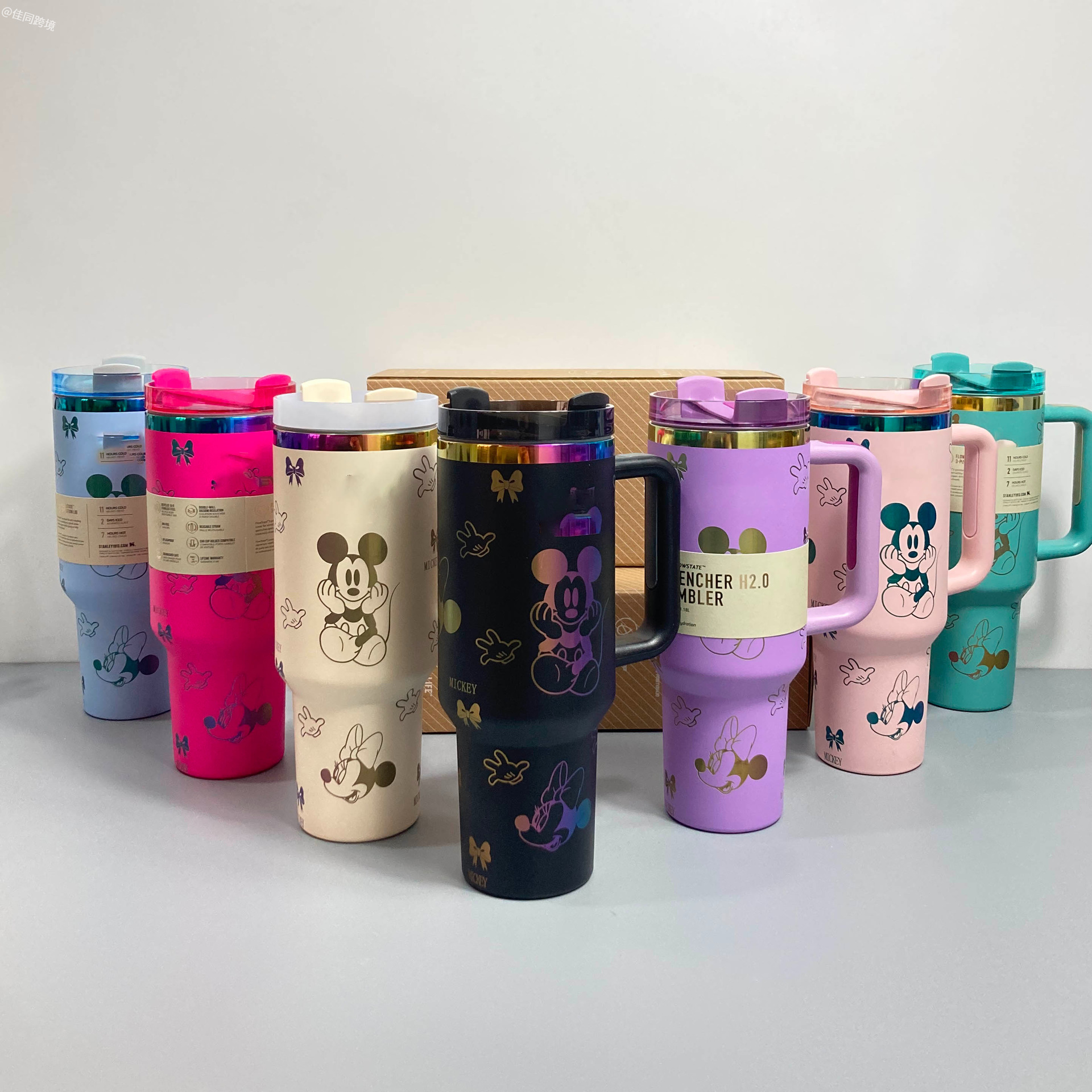
When it comes to reliable and durable drinkware for outdoor enthusiasts and everyday users, Thermos and Stanley are two names that immediately come to mind. Both brands have a long-standing reputation for producing high-quality insulated cups that can keep beverages hot or cold for extended periods.
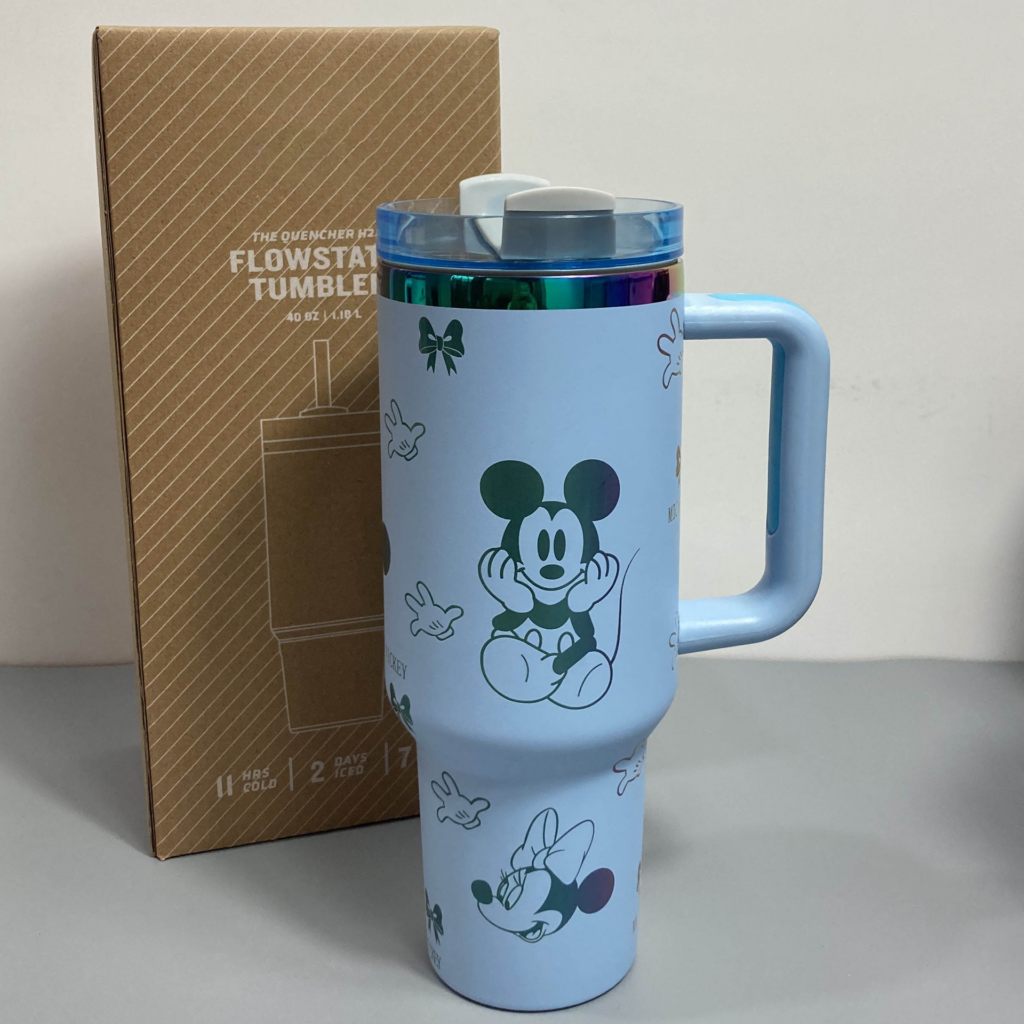
History of Thermos and Stanley
Thermos, originally known as the Thermos Bottle, was invented in 1904 by Sir James Dewar. The brand quickly became synonymous with vacuum-insulated drinkware. Thermos products have been trusted by explorers, workers, and families for generations.
Stanley, on the other hand, has been a staple in the American outdoor scene since 1913. Founded by William Stanley, the company initially produced lanterns and transitioned into insulated food and drink containers. Stanley’s legendary ruggedness has made it a favorite among hunters, campers, and professionals working in harsh conditions.
Popularity and Reputation
Both Thermos and Stanley enjoy widespread popularity but cater to slightly different market segments. Thermos is often associated with everyday use, portability, and a slightly more urban aesthetic. Stanley is revered for its extreme durability and is frequently seen as the go-to choice for outdoor adventures and heavy-duty use.
These brands have built their reputations on reliability, with countless users relying on their products in various environments—from the office to the mountains.
Product Lines and Features
Each brand offers a range of products with distinct features that appeal to different consumer needs.
Thermos Product Lines
Thermos offers several lines of insulated cups, each designed for specific user scenarios:
- Thermos King Series: Known for its large capacity and extended temperature retention. These bottles are ideal for extended outdoor trips or for users who prefer less frequent refills.
- Thermos Intak Series: Features a wide mouth design for easy drinking and filling, popular among athletes and those who consume protein shakes or other thicker beverages.
- Thermos Radiant Series: Combines style with functionality, featuring sleek designs suitable for office settings while maintaining effective insulation.
Thermos continues to innovate with materials like stainless steel and advanced vacuum technology to enhance performance.
Stanley Classic Vacuum Pint
Stanley’s Classic Vacuum Pint is perhaps its most iconic product:
- Legendary Vacuum Insulation: Utilizes double-walled construction to provide up to 24 hours of cold retention and up to 18 hours of hot retention.
- Unbreakable Design: Constructed from food-grade stainless steel, it’s resistant to drops, impacts, and extreme temperatures.
- Wide Mouth with Lid Options: The wide mouth allows for easy drinking and adding ice, while various lid options (like the drinking lid and flip-top lid) add versatility.
Stanley has expanded its product line to include smaller capacities and more portable designs without compromising on durability.
Stanley Master Series
For the most demanding environments, Stanley’s Master Series raises the bar:
- Overbuilt Construction: Features thicker walls and reinforced seams for use in the harshest conditions.
- Extreme Temperature Resistance: Maintains temperature control in freezing or desert conditions.
- Versatile Accessories: Compatible with various stands and carriers for camping and hunting use.
Stanley’s commitment to “Tough as Hell” products has led to a cult following among outdoor professionals and enthusiasts.
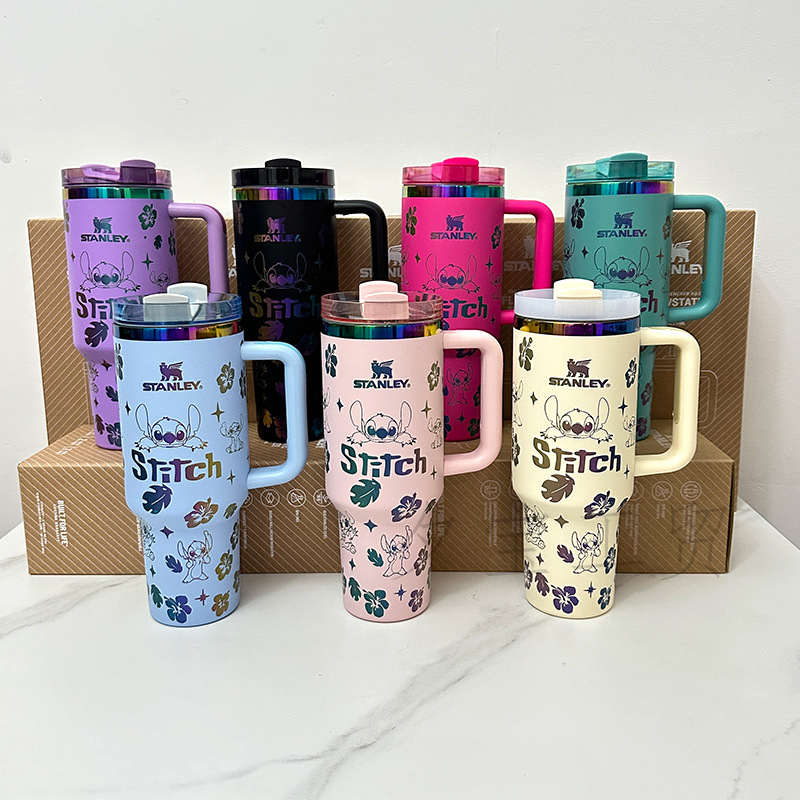
Performance and Comparison
Understanding the performance characteristics of each brand helps users make informed purchasing decisions.
Temperature Retention Testing
Independent testing laboratories have evaluated both brands across various conditions:
- Hot Retention: Stanley typically shows a slight edge in maintaining hotter temperatures over 12-hour periods, with some models preserving heat up to 20 hours.
- Cold Retention: Thermos often performs exceptionally well in cold retention, with certain models keeping beverages cold for up to 24 hours, comparable to Stanley’s performance.
Real-world usage scenarios generally align with these laboratory results, though individual experiences may vary based on environmental factors.
Durability and Build Quality
Stanley’s products are renowned for withstanding extreme conditions:
- Impact Resistance: Stanley’s reinforced construction consistently outperforms Thermos in drop tests from heights exceeding 5 feet.
- Temperature Extremes: Stanley maintains structural integrity in temperature variations ranging from -40°F to over 200°F, making it suitable for Arctic to desert environments.
Thermos, while durable, is better suited for moderate abuse typical of everyday commuting and office use.
User Experience and Ergonomics
Ergonomics play a significant role in user satisfaction:
- Thermos: Features lighter-weight designs favored by commuters and those sensitive to pack weight. The Intak series includes ergonomic grips for improved handling during physical activities.
- Stanley: Prioritizes a no-slip texture and robust feel. The Classic series includes a carrying handle, enhancing portability during outdoor activities. Some users find the wider profile less comfortable for vehicle cup holders.
Both brands offer various lid options to enhance drinking experiences in different scenarios.
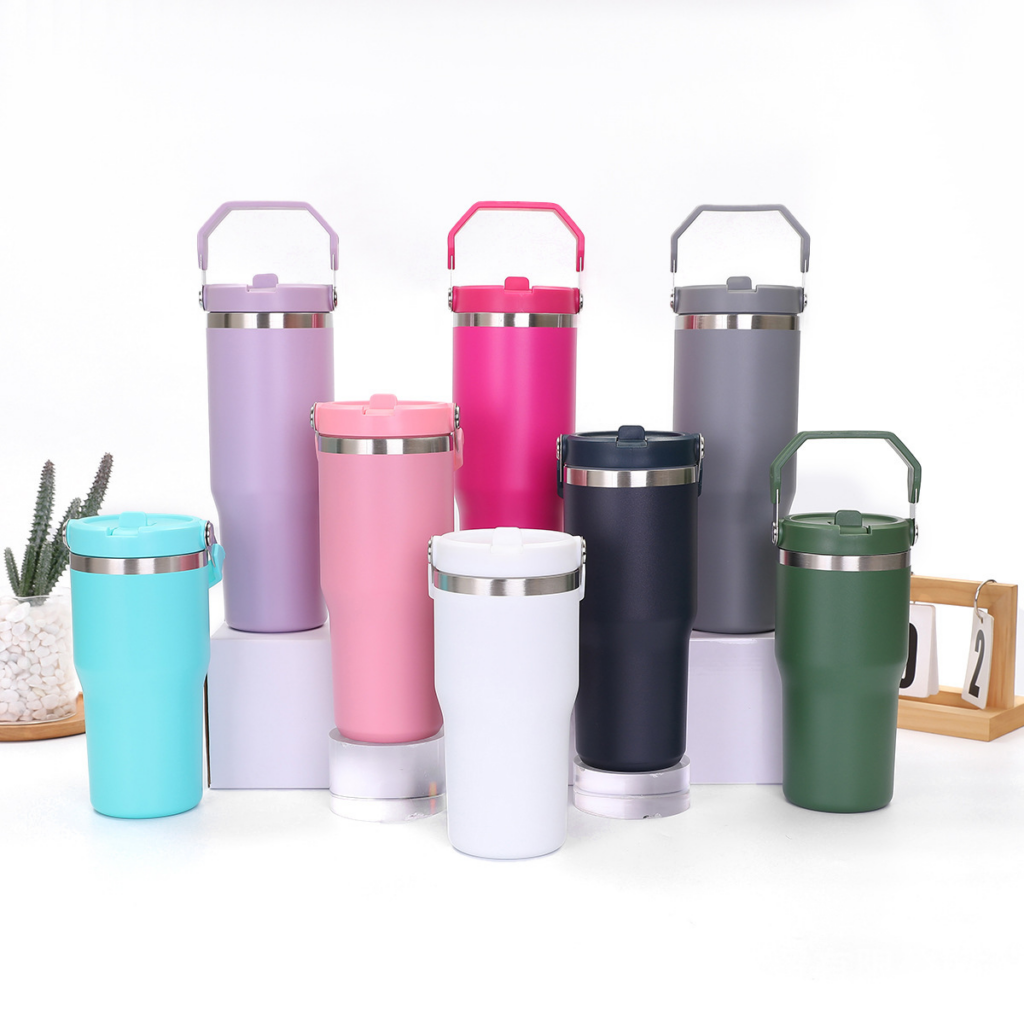
Environmental and Sustainability Considerations
Eco-conscious consumers evaluate brands based on their environmental impact and sustainability practices.
Thermos Sustainability Initiatives
Thermos has implemented several sustainability-focused practices:
- Material Selection: Increasing use of recycled stainless steel and BPA-free plastics.
- Extended Product Lifespan: Designs focused on durability to reduce waste. Thermos offers limited lifetime warranties on many products.
- Recycling Programs: Partnerships with organizations to facilitate proper recycling of older products.
Thermos’s sustainability report highlights a 15% reduction in carbon footprint over the past three years through these initiatives.
Stanley’s Environmental Commitments
Stanley approaches sustainability through multiple avenues:
- Eco-Friendly Materials: Utilizes post-consumer recycled stainless steel and offers a line of 100% recyclable products.
- Renewable Energy Use: Stanley’s manufacturing facilities derive 30% of their energy from renewable sources.
- Conservation Efforts: Supports outdoor preservation through partnerships with organizations like the National Forest Foundation. Stanley plants a tree for every product sold through its “Buy a Stanley, Plant a Tree” campaign.
These efforts resonate with environmentally aware consumers seeking brands that align with their values.
Conclusion
The choice between Thermos and Stanley cups depends on individual priorities and usage scenarios. Thermos excels in cold retention and everyday portability, offering sleek designs suitable for urban environments. Stanley leads in hot retention, extreme durability, and outdoor versatility, making it the preferred choice for adventurers and professionals in demanding conditions.
Both brands continue to innovate in insulation technology and sustainability, ensuring their products remain relevant in an increasingly eco-conscious market. The long-term value of these cups, supported by robust warranties, makes them worthwhile investments for both casual users and outdoor enthusiasts.
How to Purchase:https://looperbuy.com/search?keywords=thermos+cup+stanley
Related Questions & Answers
· What are the main differences between Thermos and Stanley cups in terms of insulation performance?
Thermos typically excels in cold retention, keeping beverages cold for up to 24 hours in some models, while Stanley shows a slight advantage in hot retention, maintaining temperatures for up to 20 hours. Real-world performance closely aligns with these results, though Stanley’s legendary durability gives it an edge in extreme conditions.
· How does the build quality of Thermos compare to Stanley for outdoor adventures?
Stanley’s cups are designed for extreme durability, with reinforced constructions that withstand drops from greater heights and temperature extremes ranging from -40°F to over 200°F. Thermos, while durable, is better suited for moderate outdoor use and everyday commuting rather than the harshest environments.
· What sustainability features should eco-conscious consumers consider when choosing between these brands?
Eco-conscious consumers should note that Stanley uses post-consumer recycled materials and supports tree-planting initiatives, while Thermos focuses on recyclability programs and reducing carbon footprints. Both brands offer lifetime warranties that extend product lifespans and reduce waste.
· Are Thermos and Stanley cups compatible with standard vehicle cup holders?
Thermos cups, particularly the Intak series, are designed with standard cup holder dimensions in mind and generally fit most vehicle holders. Stanley’s Classic series, with its wider profile, may not fit all cup holders but includes a carrying handle for portability. Users are advised to check specific product dimensions.
· What lid options are available for Thermos and Stanley cups to enhance drinking experiences?
Thermos offers lids suitable for sipping, straw use, and active lifestyles, while Stanley provides drinking lids, flip-top options, and spout lids for different scenarios. Both brands prioritize leak resistance and user-friendly designs across their lid accessories.
Hot Tags: Insulated Drinkware Comparison; Outdoor Camping Cups; Best Vacuum Bottles; Temperature Retention Testing; Durable Stanley Cups; Thermos vs Stanley; Stainless Steel Bottles; Eco-Friendly Drinkware; Longevity of Insulated Cups