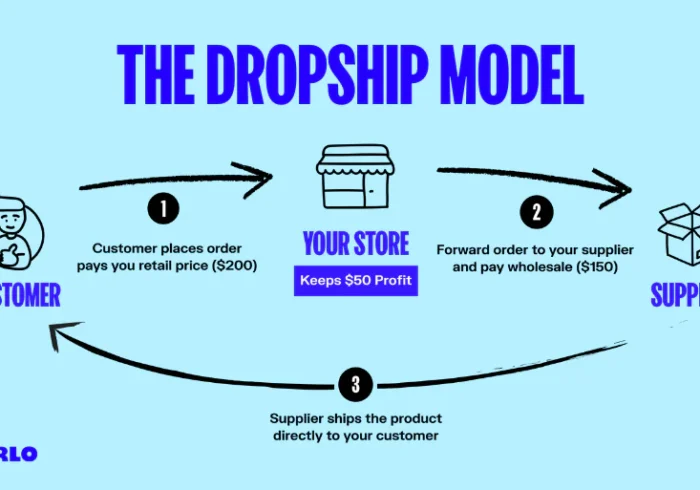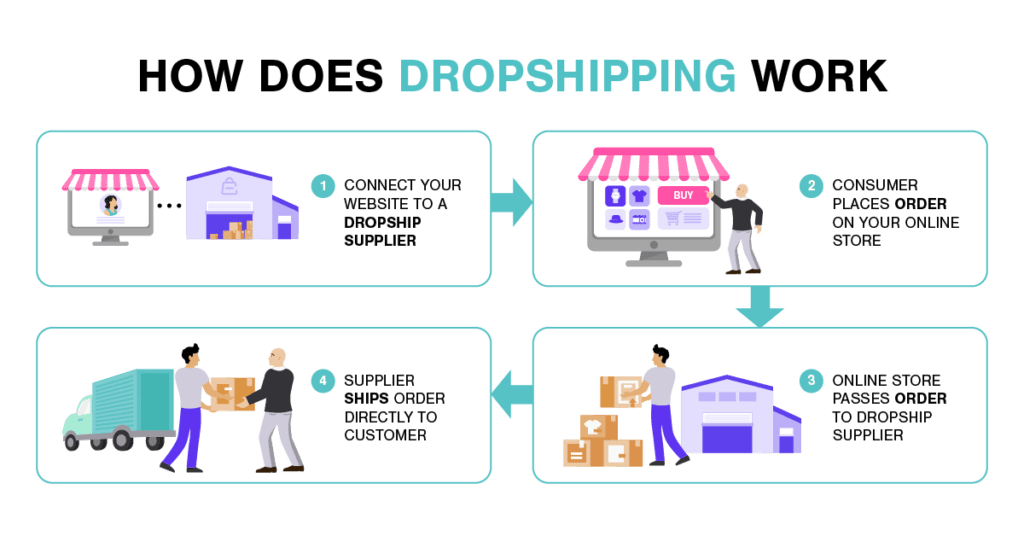
The landscape of the publishing and book-selling industry has undergone a radical transformation over the past decade. Traditional models of bulk inventory and massive warehouse overhead are increasingly being replaced by agile, digital-first solutions. For entrepreneurs and independent authors, the rise of specialized book drop shipping companies has democratized access to the global market, allowing anyone with a vision and a digital storefront to sell physical books without ever touching a single copy. This comprehensive guide explores the premier players in the industry, the mechanics of how they operate, and the strategic considerations necessary to build a profitable book dropshipping business in today’s competitive landscape.
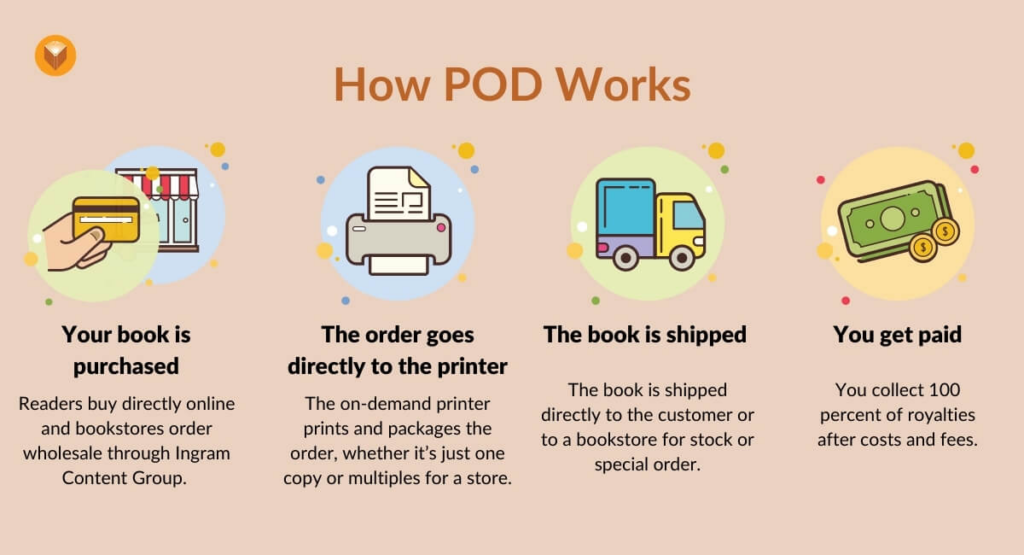
Table of Contents
Leading Book Drop Shipping Companies and Print-on-Demand Platforms
Choosing the right partner is the most critical decision in your dropshipping journey. Unlike general merchandise dropshipping, books require a high degree of precision in printing, binding, and paper quality. The following companies represent the gold standard in the industry, offering a mix of massive distribution networks and cutting-edge printing technology.
IngramSpark: The Global Distribution Powerhouse
When discussing book drop shipping companies, IngramSpark is often the first name that comes to mind. As a division of Ingram Content Group, they provide access to one of the world’s largest distribution networks, connecting your books to over 40,000 retailers, libraries, and online stores including Amazon, Barnes & Noble, and independent bookstores worldwide.
IngramSpark operates on a print-on-demand (POD) model that perfectly aligns with the dropshipping philosophy. When a customer orders a book from your store, IngramSpark prints the copy and ships it directly to the customer. Their catalog of options is exhaustive, offering everything from standard paperbacks to premium hardcovers with dust jackets. For those looking to build a brand around high-quality editions, IngramSpark’s “Groundwood” and “Premium Color” options provide the professional finish required to compete with traditional publishers.
Lulu: Versatility and Seamless E-commerce Integration
Lulu has long been a favorite for those who want a more direct connection between their e-commerce platform and their fulfillment partner. While IngramSpark focuses heavily on wide retail distribution, Lulu excels in direct-to-consumer fulfillment. Through their Lulu Direct integration, users can connect their Shopify or WooCommerce stores directly to Lulu’s printing facilities.
This automated workflow is the essence of a successful dropshipping operation. When an order is placed on your website, the data is automatically transmitted to Lulu, where the book is printed and shipped with your branding on the packing slip. This “white-label” service is crucial for maintaining brand identity. Furthermore, Lulu offers a wide array of formats, including calendars, photo books, and comic books, allowing entrepreneurs to diversify their offerings beyond standard prose.
Bookvault: Technological Innovation for Direct Sales
A rising star in the industry, particularly for those based in Europe and North America, is Bookvault. This platform has garnered attention for its aggressive pricing and advanced technological interface. Bookvault specializes in helping authors and sellers bypass traditional retail intermediaries to maximize profit margins.
One of Bookvault’s standout features is its integration with platforms like TikTok Shop and Etsy, which are increasingly popular for book sales. Their dashboard provides real-time tracking and granular control over production costs. By focusing on the “direct-to-reader” model, Bookvault allows sellers to capture a larger share of the retail price while still providing the reliability and speed expected from modern book drop shipping companies.
Amazon KDP: The Retail Giant’s Proprietary Solution
While technically a self-publishing platform, Amazon Kindle Direct Publishing (KDP) functions as a massive dropshipping engine for books sold on the Amazon marketplace. For many, the primary goal of a book dropshipping business is to tap into Amazon’s vast customer base. KDP allows you to list your books for free, and Amazon handles the printing, shipping, and customer service for every sale.
The trade-off with KDP is the lack of “white-label” shipping; the customer knows the book is coming from Amazon. However, the sheer volume of traffic and the “Prime” shipping eligibility often outweigh the branding limitations for high-volume sellers. It is a vital component of a multi-channel strategy, ensuring your products are visible where the majority of book buyers congregate.
BookBaby: Premium Support and High-End Finishing
For those targeting a luxury or professional niche, BookBaby offers a level of service and quality that is often a step above the standard POD providers. While their per-unit costs may be higher, they provide professional design services, editing, and marketing support that can elevate a dropshipping brand.
BookBaby is particularly strong in the production of high-quality art books and photography collections. Their “Print on Demand” service ensures that you don’t need to hold stock, but you can still offer products that rival the quality found in high-end boutique bookstores.
Key Considerations When Selecting Your Book Dropshipping Partner
Identifying the best book drop shipping companies for your specific needs requires a deep dive into the logistics and financial structures of each provider. Not all platforms are created equal, and the “best” choice often depends on your target market and business goals.
Geographic Reach and Shipping Logistics
Shipping is often the most significant pain point in any dropshipping business. Books are heavy, and international shipping can quickly erode profit margins. When evaluating partners, look for companies with global printing facilities.
Platforms like IngramSpark and Lulu have facilities scattered across the globe. This “print-local” approach means that if a customer in the UK orders a book, it is printed in a UK facility rather than being shipped from the US. This reduces shipping times, lowers costs, and minimizes the environmental impact of long-distance transport. Always check the average lead times for both production and shipping to ensure they meet your customers’ expectations.
Quality Control and Print Options
The tactile nature of books means that quality is non-negotiable. A poorly bound book or thin, transparent paper can lead to high return rates and negative reviews. Before committing to a partner, order sample copies of different formats.
Pay close attention to the spine strength, the clarity of the cover art, and the opacity of the interior pages. Some companies excel at black-and-white text (perfect for novels), while others are better suited for high-gloss color images (ideal for cookbooks or children’s books). Your choice of book drop shipping companies should reflect the specific requirements of your niche.
Integration Capabilities with E-commerce Platforms
Efficiency is the key to scaling. Manually entering orders into a printer’s dashboard is a recipe for errors and burnout. The best book drop shipping companies offer robust API integrations or dedicated apps for major e-commerce platforms like Shopify, Wix, and Squarespace.
A seamless integration should handle order synchronization, status updates, and tracking number generation automatically. This allows you to focus your time on marketing and curation rather than administrative tasks. Look for platforms that offer “one-click” setups, but also ensure they provide enough customization to manage taxes and shipping rates accurately.
Profit Margins and Cost Structures
In the dropshipping world, margins can be thin. With books, you must account for the “print cost” (the fixed price to manufacture the book) and the “distribution fee” (the cut taken by the retailer or the platform).
Standard trade books typically offer margins between 25% and 40% if sold directly. If you sell through a retailer like Amazon or Barnes & Noble, that margin can drop significantly as the retailer takes a 40% to 55% discount. Understanding the math behind “wholesale discounts” and “retail pricing” is essential for long-term sustainability. Always use the cost calculators provided by book drop shipping companies to model your potential profits before launching a new title.
Effective Strategies for Building a Successful Book Dropshipping Business
Once you have secured your suppliers, the focus shifts to building a brand and driving traffic. The book market is saturated, and success requires a nuanced approach to niche selection and marketing.
Identifying Profitable and Under-Served Niches
Broad categories like “Fiction” or “Self-Help” are incredibly competitive. To succeed as a dropshipper, you should look for “micro-niches” where demand is high but quality physical books are scarce.
Examples of successful niches include:
- Specialized Journals: Guided journals for specific hobbies, such as “Vintage Watch Collecting Log” or “Organic Gardening Planner.”
- Educational Workbooks: Supplementary materials for niche subjects or localized history.
- Curated Anthologies: Collections of public-domain works or community-sourced content centered around a specific theme.
- Children’s Books for Specific Demographics: Books that address unique cultural experiences or specific educational needs.
Marketing and Personal Branding for Curators
In the world of book dropshipping, you are often acting as a curator or a publisher brand. Building trust is paramount. Use social media platforms like Instagram, TikTok (BookTok), and Pinterest to showcase the physical quality of your books. Video content showing someone leafing through the pages is far more effective than a flat 2D cover image.
Content marketing is another powerful tool. By writing blog posts or creating videos about the topics your books cover, you establish authority and drive organic traffic. For instance, if you sell dropshipped books about sustainable living, your marketing should focus on tips for a zero-waste lifestyle, with your books positioned as the ultimate resource.
Managing Customer Expectations and Returns
Because your products are printed on demand, you must be transparent about lead times. Clearly state on your product pages that the book is custom-printed and may take 3-5 days to manufacture before it ships.
Regarding returns, most book drop shipping companies only accept returns for manufacturing defects. This means you need a clear policy on your website regarding “change of heart” returns. Excellent customer service—answering inquiries quickly and providing proactive tracking updates—is the best way to mitigate potential issues and build a loyal customer base.
The Technological Future of the Book Dropshipping Ecosystem
The industry is not static. We are moving into an era where artificial intelligence and sustainable practices will define the next generation of book drop shipping companies.
AI-Driven Book Design and Automated Fulfillment
AI tools are already revolutionizing the way books are designed and formatted. Automated layout software can now take a manuscript and generate a professional-ready PDF for various trim sizes in seconds. This allows dropshippers to launch new products faster than ever before. Furthermore, AI-driven demand forecasting can help larger operators anticipate which titles might need small “buffer” stocks in specific regions to further reduce delivery times.
Sustainable Printing and Eco-friendly Packaging
Consumers are increasingly conscious of their environmental footprint. The POD model is inherently more sustainable than traditional publishing because it eliminates the waste of overprinted books that end up in landfills. However, the next frontier for book drop shipping companies is the use of recycled paper stocks, vegetable-based inks, and plastic-free packaging. Companies that prioritize these “green” initiatives will likely see higher brand loyalty from modern consumers.
Conclusion
The era of book drop shipping companies has fundamentally altered the economics of publishing, shifting the power from traditional gatekeepers to creative entrepreneurs. By leveraging platforms like IngramSpark for wide reach, Lulu or Bookvault for direct-to-consumer agility, and Amazon KDP for marketplace dominance, you can build a robust, scalable business with minimal upfront risk. The key to longevity in this space lies in meticulous partner selection, a deep understanding of your niche, and a relentless focus on quality and customer experience. As technology continues to evolve, those who embrace these digital tools while maintaining the timeless appeal of the physical book will find themselves at the forefront of a thriving global industry.
Launch your high-profit publishing brand today by accessing the world-class sourcing and premium printing solutions available at LooperBuy, and start your journey to global e-commerce mastery at https://looperbuy.com/.
Abstract: This article provides an in-depth analysis of the leading book drop shipping companies and print-on-demand platforms for 2026. It covers technical integrations, global logistics, and strategic niche marketing for entrepreneurs looking to build a profitable, inventory-free book-selling business.
Related Questions & Answers
· What is the difference between book dropshipping and traditional publishing?
Traditional publishing involves printing thousands of copies in advance and storing them in warehouses, which requires significant upfront capital. Book dropshipping uses print-on-demand technology, meaning a book is only printed after a customer places an order, eliminating inventory risk and storage costs.
· Which book drop shipping companies offer the best margins?
Generally, platforms that allow direct integration with your own e-commerce store, such as Bookvault or Lulu Direct, offer the best margins (often 30-50%) because they cut out the retail middleman. Selling through Amazon or other third-party retailers typically reduces your margin to 20-30%.
· Can I sell books from other authors through a dropshipping model?
Yes, but you must have the legal right or a licensing agreement to do so. Many dropshippers curate collections of public-domain works or partner with independent authors who want to reach a wider audience without managing their own logistics.
· How long does it typically take for a dropshipped book to reach a customer?
Most book drop shipping companies require 2 to 5 business days for production (printing and binding). Shipping then takes another 2 to 7 days depending on the location. Total delivery time is usually between 5 and 12 business days.
· Do I need to buy a sample of every book I sell?
While not strictly required, it is highly recommended. Ordering a proof copy ensures the formatting is correct, the images are clear, and the physical quality meets your brand standards before you start driving traffic to the product.
Hot Tags: Book Drop Shipping Companies; Print On Demand Books; IngramSpark Review; Lulu Direct Integration; Bookvault Dropshipping; Self-Publishing Business; E-commerce For Authors; Global Book Distribution; Shopify Book Store; Amazon KDP Strategy; Hardcover Print On Demand; Custom Journal Printing; Dropshipping Book Suppliers; Print Local Logistics; Sustainable Publishing; Book Fulfillment Services; Direct To Reader Sales; White Label Book Shipping; Children’s Book Dropshipping; Passive Income Books; Book Printing API; WooCommerce Book Integration; Niche Book Marketing; Publishing Technology 2026; Digital Printing Solutions; On-Demand Book Binding; Textbook Dropshipping; Public Domain Book Selling; Author Branding Strategies; Profitable Book Niches