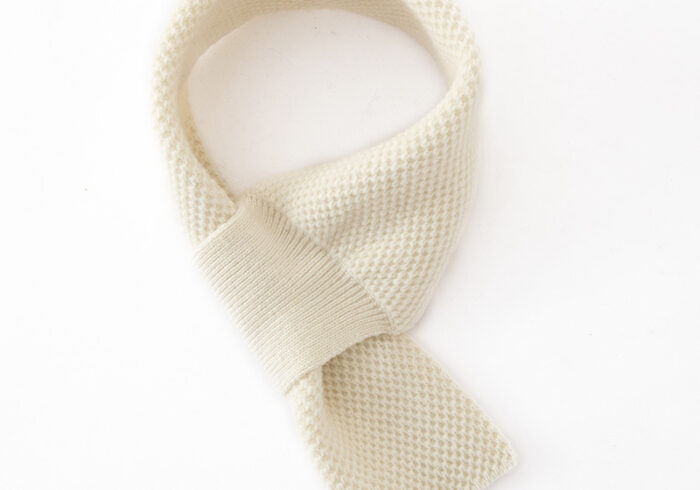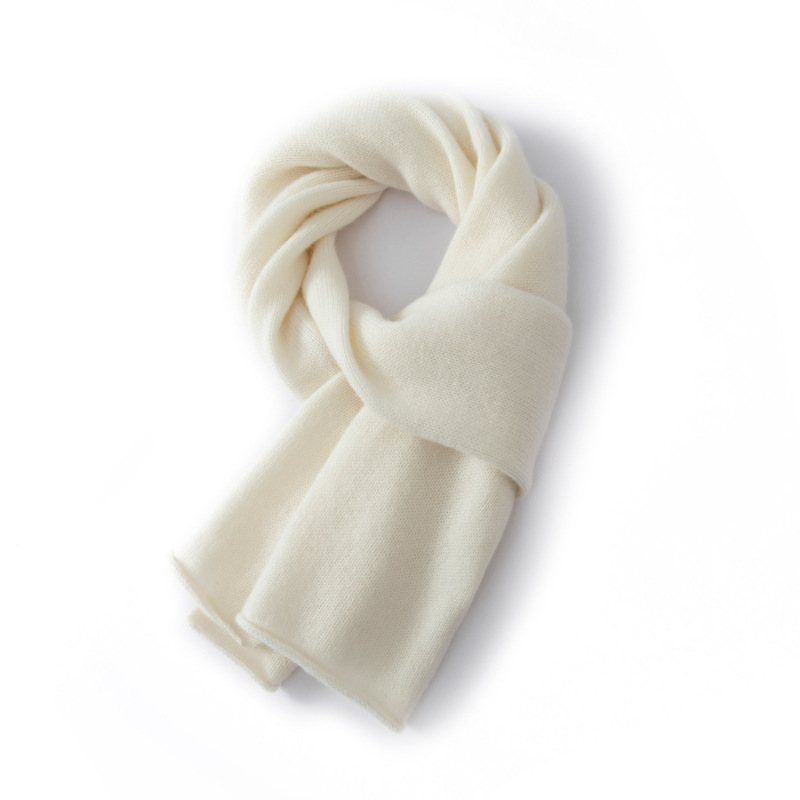
A white wool scarf is the quintessential accessory for the colder months, offering both unparalleled warmth and a crisp, sophisticated aesthetic. Whether you are aiming for a minimalist look or adding a touch of elegance to a heavy winter coat, this piece serves as a versatile staple in any wardrobe. However, maintaining its brightness and texture requires both style-savvy knowledge and dedicated care. In this comprehensive guide, we will explore the best ways to elevate your outfits with a white wool scarf and provide essential maintenance tips to ensure your accessory remains a cherished part of your collection for years to come.
Table of Contents
Styling Your White Wool Scarf for Any Occasion
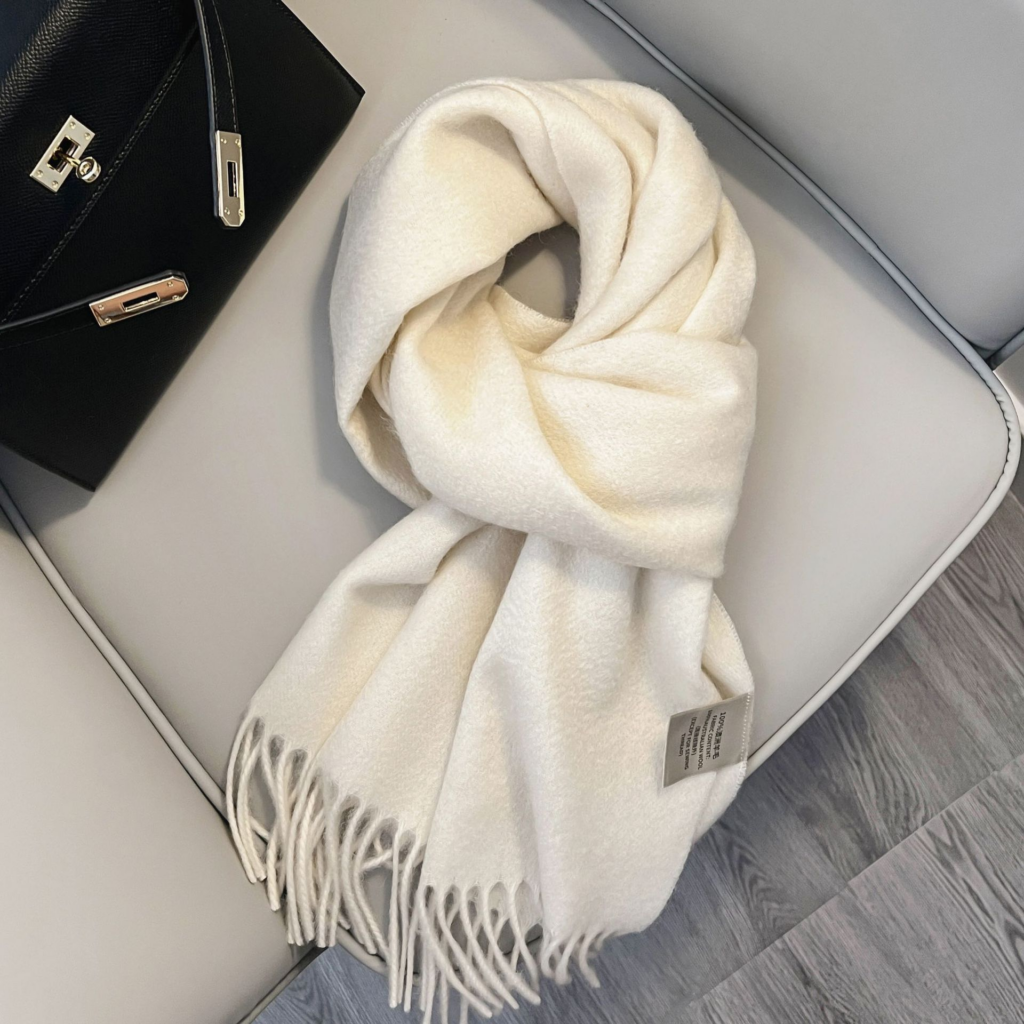
The beauty of a white wool scarf lies in its neutral palette, which complements almost every color in your winter wardrobe. Understanding how to drape, knot, and layer this piece can transform a simple outfit into a fashion statement.
The Art of the Minimalist Drape
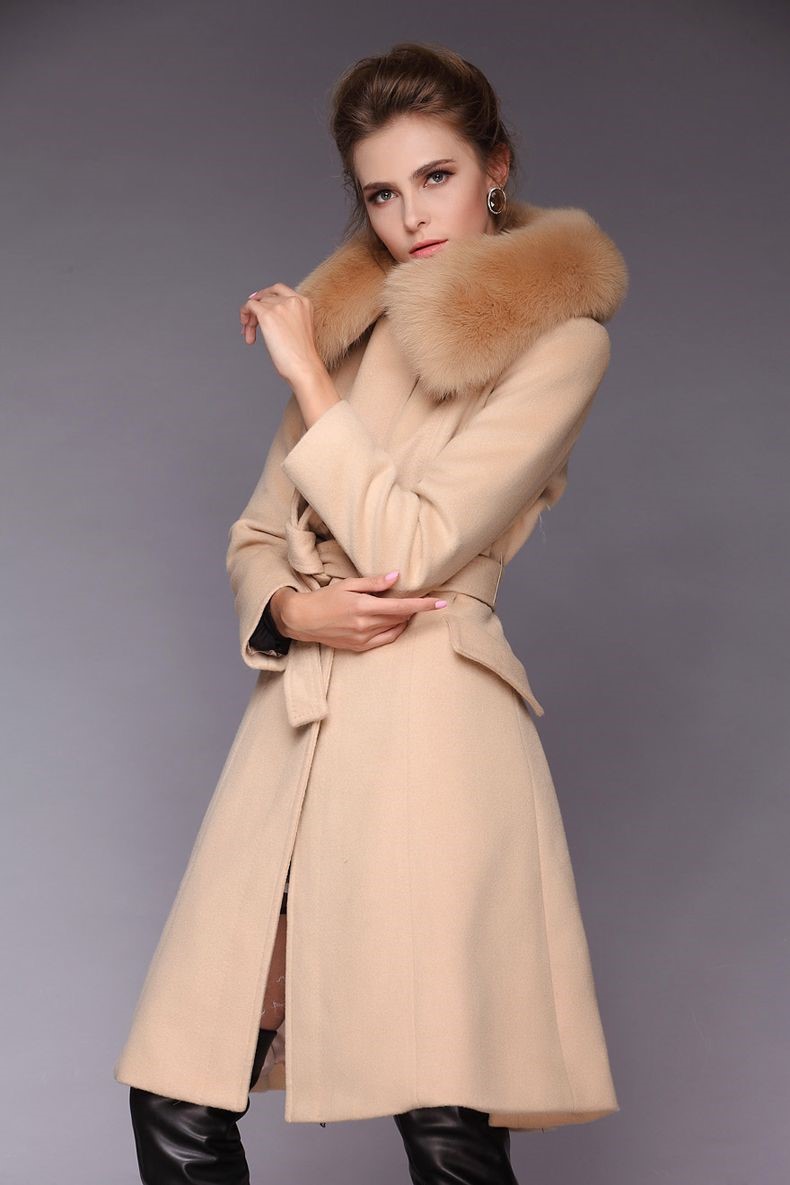
For a clean and effortless look, simply drape your scarf over your shoulders and let the ends hang freely. This style works exceptionally well with structured wool coats or tailored blazers. By allowing the white fabric to frame your face, you create an open, bright focal point that softens the sharp lines of formal outerwear. This approach is ideal for transitions between indoor and outdoor spaces, providing warmth without the bulk of a heavy knot.
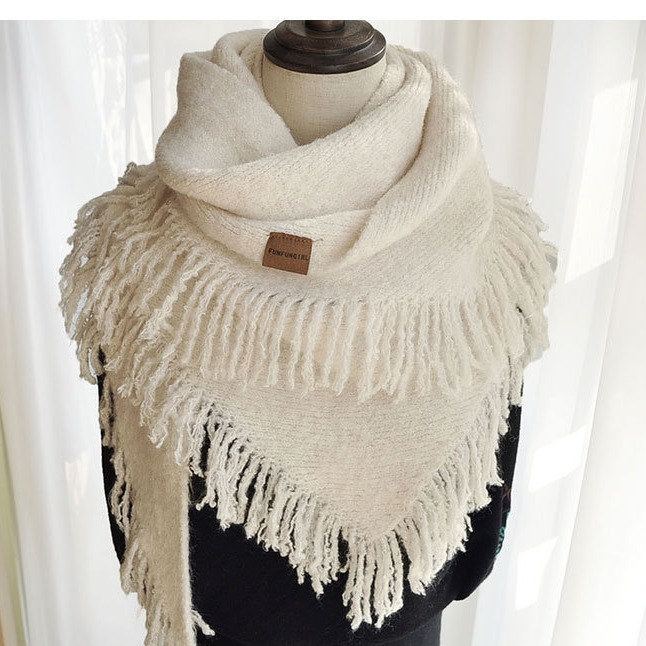
Furthermore, the minimalist drape allows the quality of the wool to speak for itself. When you choose a high-quality white wool scarf, the natural luster of the fibers catches the light, adding a subtle touch of luxury to your daily attire. This is particularly effective when you are wearing monochromatic ensembles, such as an all-grey or all-camel outfit, where the bright white provides a stark, refreshing contrast that feels intentional and chic.
Mastering the Statement Knot
If you prefer a more secure and cozy feel, various knotting techniques can add dimension to your ensemble. The “European Loop” is a classic choice: fold the scarf in half, place it around your neck, and pull the loose ends through the resulting loop. This creates a compact, dense layer of wool that provides excellent insulation against biting winds.
Alternatively, a loose, oversized wrap around the neck—often referred to as the “Infinity Drape”—adds volume and a relaxed vibe, perfect for pairing with chunky sweaters or casual leather jackets. For those who enjoy a bit of playfulness, the “Side-Knot” involves wrapping the scarf once around the neck and securing it with a loose knot positioned over the shoulder. This asymmetrical look is not only functional but also visually intriguing, drawing the eye and adding a touch of personality to an otherwise standard winter look.
Layering for Texture and Contrast
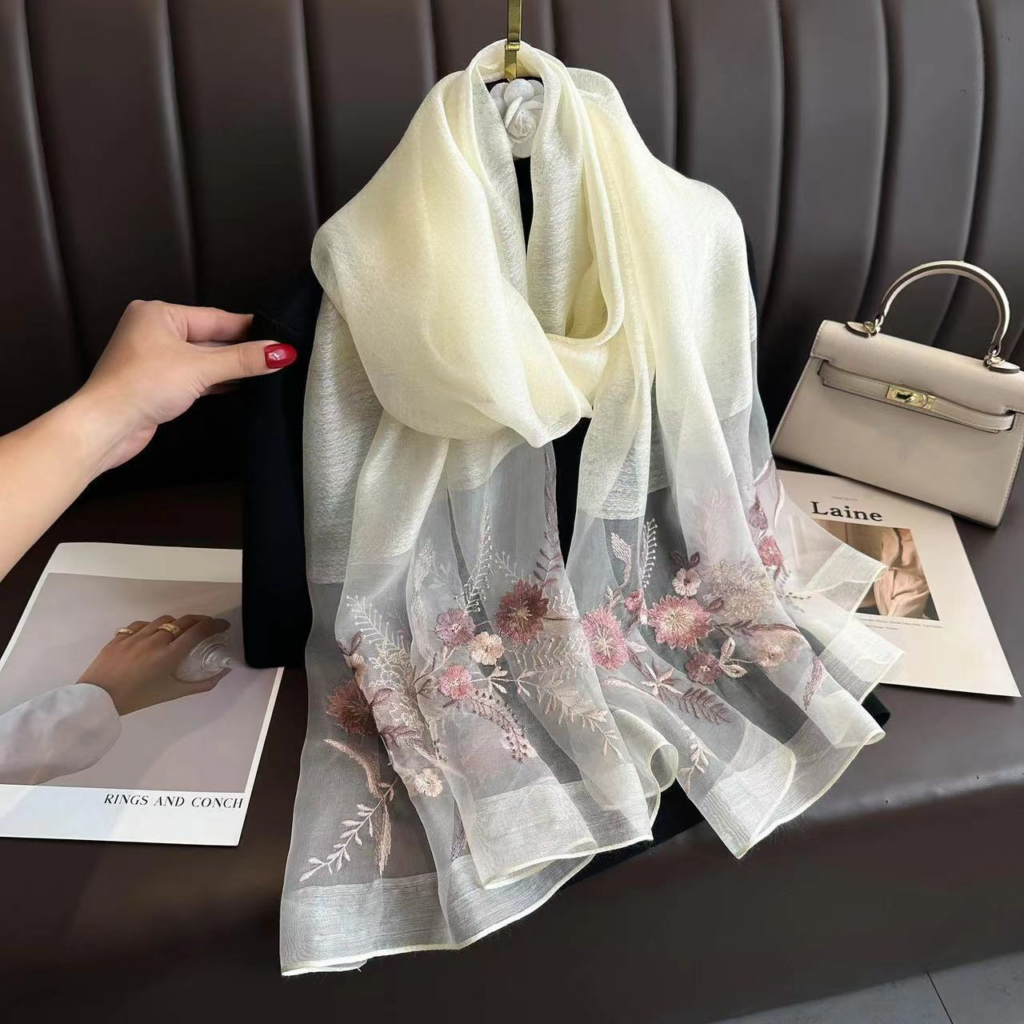
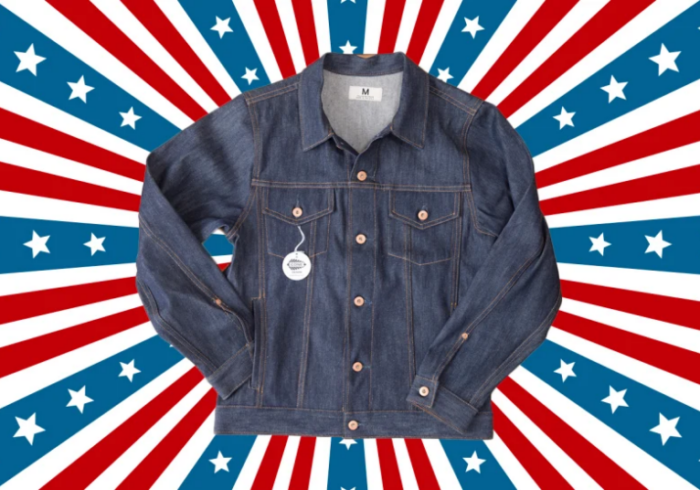
Because wool offers a rich, tactile quality, it is the perfect material to play with when layering. Try pairing your white wool scarf with contrasting textures, such as a black denim jacket, a smooth trench coat, or a patterned sweater. The juxtaposition of the soft, white fibers against darker or rougher materials adds depth to your overall outfit, making the white pop even more vibrantly.
Experimenting with different lengths—letting one end hang longer than the other—can also introduce a dynamic, asymmetrical element to your look. When layering, consider the “sandwich” method: match the brightness of your scarf with other light-colored accessories, such as a white beanie or light-colored leather gloves. This creates a cohesive, polished appearance that feels well-thought-out and high-fashion, while keeping the primary focus on the scarf as your central winter accessory.
Understanding Wool Quality and Why White Matters
To truly appreciate your scarf, it helps to understand what makes wool, specifically white wool, unique. Wool is prized for its breathability, moisture-wicking properties, and natural insulating ability. When you opt for a white version, you are selecting a color that demands attention and reflects light, which can brighten up your complexion during the dull, dark days of winter.
The Nuances of Natural Fibers
Not all wool is created equal. Understanding the difference between types such as Merino, lambswool, and traditional wool can change how you treat your accessory. Merino wool, for instance, is exceptionally soft and fine, making it ideal for scarves worn close to the skin. Lambswool offers a slightly coarser, more durable texture that holds its shape well. Because white is a naturally clean color, any imperfection or pilling will be more visible than on darker colors. This makes the selection of high-quality, long-staple wool even more important, as these fibers are less prone to breaking and shedding, ensuring your white scarf remains pristine for longer periods.
The Psychological Impact of White
There is something undeniably crisp about white in the middle of winter. It stands out against the grey skies and urban landscapes of snow-covered cities. Psychologically, wearing white can make you feel more energized and organized. A clean, white wool scarf acts as a “reset button” for your wardrobe, allowing you to breathe new life into older coats or sweaters that might have lost their luster over the years. It is an investment in your visual presentation that pays off every time you step out the door.
Essential Maintenance and Cleaning Tips
Owning a high-quality white wool accessory comes with the responsibility of care. Because wool is a natural fiber, it is sensitive to heat, agitation, and harsh chemicals. To keep your scarf looking as clean and soft as the day you bought it, follow these expert practices.
The Importance of Gentle Cleaning
Whenever possible, aim to minimize full submersion washing. Wool is inherently odor-resistant and can often be refreshed simply by hanging it in a well-ventilated area for a few hours. If you notice a small stain, address it immediately by gently brushing the area or spot-cleaning with a mild, wool-safe detergent. Never scrub the fabric, as this can damage the structural integrity of the fibers and cause them to lose their natural fluffiness.
If a full wash is necessary, always check the care label first. Hand washing in cool water is widely recommended as the safest method. Use a detergent specifically formulated for delicate woolens, and avoid harsh detergents or bleach, which can yellow the white fibers. Gently swirl the scarf in the water to remove dirt, then rinse thoroughly with cool, fresh water. Ensure that you do not leave the scarf soaking for too long, as this can weaken the fibers over time.
Drying and Storage Protocols
Drying is a critical step in preserving the shape and texture of your scarf. Never wring out your wool scarf after washing; instead, lay it flat on a clean, dry white towel and roll the towel up to absorb the excess moisture. This “taco” method removes water without the mechanical stress of twisting.
Once most of the water is removed, unroll the towel and reshape the scarf on a clean, flat surface to air dry, ideally away from direct heat sources like radiators or sunlight, as extreme temperatures can cause wool to shrink or lose its natural color. Avoid hanging it on a rack while wet, as the weight of the water can cause the wool to stretch and lose its form, permanently distorting the scarf. Furthermore, ensure the surface you use for drying is clean; a colored surface might transfer dye to your white scarf, so a plain white towel is the best choice.
Long-Term Care and Pilling Prevention
Pilling—the formation of small fuzz balls on the fabric surface—is a natural occurrence with wool products as fibers rub together during normal movement. You can easily manage this by using a dedicated clothes brush or a fabric shaver designed for delicate garments. Regular brushing not only removes pills but also helps smooth the surface and maintain the scarf’s original softness, effectively revitalizing the fabric.
When storing your scarf at the end of the season, ensure it is completely clean, as residual oils or skin cells can attract moths. If you intend to store it for several months, fold it neatly rather than hanging it, which prevents the scarf from stretching. Store it in a cool, dark, and dry place, ideally inside a breathable cotton bag. This protects it from dust and potential pests while allowing the natural fibers to breathe. Avoid storing wool in plastic bags, as they can trap moisture and lead to mildew, which is disastrous for white wool.
Expanding Your Wardrobe with White Accessories
While the scarf is the hero, how it interacts with other pieces is what defines your personal style. Consider the white wool scarf as the bridge between your casual and formal wear.
Transitional Styling
As the seasons change, your scarf should adapt. In the early autumn, a lighter wool scarf can be paired with a simple blouse and trousers for a sophisticated office look. As the temperature drops, you can add layers, such as a cashmere sweater underneath your coat, while the white scarf acts as the unifying neutral element.
Investing in Durability
When shopping for your next white wool scarf, look for tight weaves and high-quality construction. A well-made scarf is an investment. While the price point for premium wool is higher, the cost-per-wear is significantly lower because the item will last for years, whereas a lower-quality synthetic blend will likely pill, lose its color, and lose its shape within a single season. Remember that white is timeless; trends in pattern or color may come and go, but a well-maintained white wool scarf remains a fashion staple that never goes out of style.
Conclusion
A white wool scarf is a timeless investment that rewards the wearer with style, comfort, and versatility. By mastering a few key styling techniques, you can ensure it complements every aspect of your winter wardrobe. Simultaneously, by adhering to gentle cleaning and storage habits, you preserve the structural integrity and pristine color of the fabric. With the right care and creative styling, this elegant accessory will serve as a reliable companion for many winters to come, keeping you warm while effortlessly elevating your cold-weather ensemble.
How to purchase:Online B2B sourcing platform, China purchase, Chinese suppliers – LooperBuy
Summary
This article provides an in-depth guide to styling and caring for a white wool scarf. It covers versatile styling techniques like the minimalist drape and various knots, along with essential maintenance tips including gentle hand-washing, proper air-drying, and pilling prevention. The guide also discusses the importance of wool quality, how to integrate white accessories into a seasonal wardrobe, and long-term storage strategies. By following these professional suggestions, readers can maximize the longevity, softness, and aesthetic appeal of their white wool accessories, ensuring they remain stylish and functional winter wardrobe staples.
Hot Tags:
White Wool Scarf; Winter Fashion Accessories; Wool Scarf Styling; Scarf Care Guide; Sustainable Fashion; Cozy Winter Outfits; Hand Washing Wool; Fashion Maintenance; Minimalist Style; Accessory Care Tips; Luxury Wool Accessories; Cold Weather Fashion; Styling Tips; Wool Preservation; Wardrobe Essentials; Elegant Winter Look; Fabric Care; Clothing Longevity; Fashion Advice; Wool Texture; Winter Outfit Ideas; Seasonal Wardrobe; How To Style A Scarf; Cleaning Wool; Garment Care; Sophisticated Style; Neutral Tones; Fashion Trends; Sustainable Style; Chic Accessories
Related Questions & Answers
· How often should I wash my white wool scarf?
You should wash your wool scarf only when necessary. Often, airing out the scarf in a fresh, dry environment is enough to keep it clean. If it has no visible stains or odors, dry cleaning it once or twice a year is sufficient to maintain its shape and hygiene.
· Can I put my white wool scarf in the washing machine?
Only if the care label specifically states that it is machine washable. If you must machine wash it, always place the scarf inside a mesh laundry or lingerie bag and use a “delicate” or “wool” cycle with cold water and a gentle, wool-specific detergent.
· Why is my white wool scarf pilling, and how can I stop it?
Pilling is a natural characteristic of soft wool fibers due to friction during wear. It is not necessarily a sign of low quality. You can remove the pills easily using a clothes brush or a fabric shaver, which will restore the smooth surface of the scarf.
· What is the best way to store a wool scarf during summer?
Ensure the scarf is completely clean before storage, as lingering dirt or oils can attract pests. Fold it neatly and place it in a breathable cotton bag or a clean, dry drawer, away from direct sunlight, which could cause the white color to yellow over time.
· What should I do if I get a stain on my white wool scarf?
Act quickly by gently dabbing the area with a soft, clean cloth dipped in cool water and a tiny amount of wool-safe detergent. Do not rub the fabric aggressively. If the stain persists, take the scarf to a professional dry cleaner and point out the specific stain.