Table of Contents
Introduction
Dropshipping has emerged as a popular business model for aspiring entrepreneurs looking to enter the e-commerce space without the burden of managing inventory. This guide will explore the best ways to do dropshipping, providing insights into effective strategies, tools, and tips to help you succeed in this competitive market.
Understanding Dropshipping
What is Dropshipping?
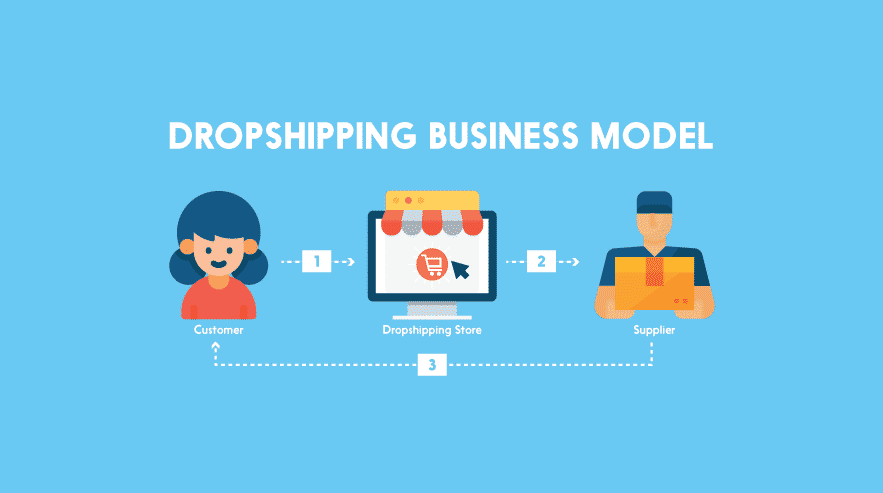
Dropshipping is a retail fulfillment method where a store doesn’t keep the products it sells in stock. Instead, when a store sells a product, it purchases the item from a third party and has it shipped directly to the customer. This means that the seller never sees or handles the product, allowing for a low-risk business model.
How Does Dropshipping Work?
The dropshipping process involves several key steps:
- Customer Places an Order: A customer visits your online store and places an order for a product.
- Order is Forwarded to Supplier: You receive the order and forward it to your supplier, along with the customer’s shipping details.
- Supplier Ships the Product: The supplier packages and ships the product directly to the customer.
- You Keep the Profit: You charge the customer a retail price, which is higher than the wholesale price you pay to the supplier, allowing you to keep the difference as profit.
Choosing the Right Niche
Importance of Niche Selection
Selecting the right niche is crucial for your dropshipping business. A well-defined niche helps you target a specific audience, making it easier to market your products effectively. Here are some tips for choosing a profitable niche:
- Research Market Trends: Use tools like Google Trends to identify trending products and niches.
- Analyze Competitors: Look at what successful dropshipping stores are selling and find gaps in the market.
- Consider Your Interests: Choose a niche that aligns with your passions or interests, as this will keep you motivated.
Popular Dropshipping Niches
Some of the most profitable niches for dropshipping include:
- Health and Wellness Products: This niche includes supplements, fitness equipment, and wellness gadgets. The growing awareness of health and fitness makes this a lucrative market.
- Fashion and Accessories: Clothing, jewelry, and accessories are always in demand. Trends change rapidly, so staying updated is essential.
- Home Decor: Unique home decor items, such as wall art, furniture, and decorative accessories, can attract a wide range of customers.
- Electronics and Gadgets: With technology constantly evolving, dropshipping the latest gadgets can be highly profitable.
- Pet Supplies: The pet industry is booming, and pet owners are always looking for new products to pamper their pets.
Setting Up Your Dropshipping Business
Selecting a Platform
Choosing the right e-commerce platform is essential for your dropshipping business. Popular platforms include:
- Shopify: Known for its user-friendly interface and extensive app ecosystem, Shopify is a top choice for dropshippers. It offers various themes and customization options to create a professional-looking store.
- WooCommerce: A WordPress plugin that allows you to turn your website into an online store. It’s highly customizable and ideal for those familiar with WordPress.
- BigCommerce: Offers robust features for scaling your dropshipping business, including built-in SEO tools and multi-channel selling capabilities.
Finding Reliable Suppliers
Your choice of suppliers can make or break your dropshipping business. Here are some tips for finding reliable suppliers:
- Use Supplier Directories: Websites like AliExpress, SaleHoo, and Oberlo can help you find reputable suppliers. These platforms often have reviews and ratings to help you assess their reliability.
- Order Samples: Before committing to a supplier, order samples to assess product quality and shipping times. This step is crucial to ensure that the products meet your standards.
- Check Reviews: Look for reviews and testimonials from other dropshippers to gauge supplier reliability. Engaging with other dropshippers in forums can provide valuable insights.
Legal Considerations
When starting a dropshipping business, it’s essential to understand the legal considerations involved. Here are some key points to keep in mind:
- Business Structure: Decide on a business structure (sole proprietorship, LLC, etc.) and register your business accordingly. This decision affects your taxes and liability.
- Sales Tax: Understand the sales tax requirements in your state or country. You may need to collect sales tax from customers based on their location.
- Terms and Conditions: Create clear terms and conditions for your store, including return policies, shipping information, and customer service guidelines.
- Privacy Policy: Ensure you have a privacy policy in place to inform customers how their data will be used and protected.
Marketing Your Dropshipping Store
Building Your Brand
Creating a strong brand identity is vital for standing out in the crowded dropshipping market. Consider the following:
- Develop a Unique Selling Proposition (USP): Clearly define what makes your store different from competitors. This could be unique products, exceptional customer service, or a specific niche focus.
- Create a Professional Website: Invest in a well-designed website that reflects your brand and provides a seamless shopping experience. Use high-quality images and engaging product descriptions to attract customers.
Effective Marketing Strategies
To drive traffic to your dropshipping store, implement a mix of marketing strategies:
- Search Engine Optimization (SEO): Optimize your website for search engines to attract organic traffic. Focus on keyword research, on-page SEO, and building backlinks to improve your search rankings.
- Social Media Marketing: Use platforms like Instagram and Facebook to promote your products and engage with your audience. Create visually appealing content and run targeted ads to reach potential customers.
- Email Marketing: Build an email list and send newsletters to keep customers informed about new products and promotions. Personalize your emails to increase engagement and conversion rates.
Influencer Marketing
Collaborating with influencers in your niche can significantly boost your brand visibility. Here’s how to leverage influencer marketing:
- Identify Relevant Influencers: Look for influencers who align with your brand values and have an engaged audience. Micro-influencers often have higher engagement rates and can be more cost-effective.
- Create Compelling Campaigns: Work with influencers to create authentic content that showcases your products. This could include unboxing videos, reviews, or lifestyle posts featuring your products.
- Track Performance: Monitor the performance of your influencer campaigns to assess their effectiveness. Use tracking links and discount codes to measure sales generated from influencer promotions.
Managing Your Dropshipping Business
Order Fulfillment and Customer Service
Efficient order fulfillment and excellent customer service are critical for maintaining customer satisfaction. Here are some best practices:
- Automate Order Processing: Use tools like AutoDS or Oberlo to automate order fulfillment and inventory management. Automation saves time and reduces the risk of errors.
- Provide Tracking Information: Keep customers informed about their order status by providing tracking information. This transparency builds trust and enhances the customer experience.
- Respond Promptly to Inquiries: Address customer questions and concerns quickly to build trust and loyalty. Consider using chatbots for instant responses to common inquiries.
Analyzing Performance
Regularly analyze your business performance to identify areas for improvement. Key metrics to track include:
- Sales and Revenue: Monitor your sales figures to assess profitability. Use analytics tools to track sales trends and identify top-selling products.
- Customer Acquisition Cost (CAC): Calculate how much you spend on marketing to acquire each customer. This metric helps you evaluate the effectiveness of your marketing strategies.
- Return on Investment (ROI): Evaluate the effectiveness of your marketing campaigns by measuring ROI. This analysis helps you allocate your marketing budget more effectively.
Common Mistakes to Avoid
Starting a dropshipping business can be challenging, and avoiding common pitfalls is crucial for success. Here are some mistakes to watch out for:
- Neglecting Market Research: Failing to conduct thorough market research can lead to poor product selection and low sales. Always stay informed about market trends and customer preferences.
- Choosing the Wrong Suppliers: Partnering with unreliable suppliers can result in poor product quality and shipping delays. Take the time to vet suppliers and order samples before committing.
- Ignoring Customer Service: Providing excellent customer service is essential for building a loyal customer base. Respond to inquiries promptly and address any issues that arise.
Scaling Your Dropshipping Business
Best Strategies for Scaling
Once your dropshipping business is established, you may want to scale it for greater profitability. Here are some effective strategies for scaling your business:
- Expand Your Product Range: Introduce new products that complement your existing offerings. This can attract a broader audience and increase sales.
- Optimize Your Marketing Efforts: Analyze your marketing campaigns to identify what works best. Invest more in high-performing channels and consider diversifying your marketing strategies.
- Leverage Automation Tools: Use automation tools to streamline operations, from order processing to customer service. This allows you to focus on growth rather than day-to-day tasks.
- Explore New Sales Channels: Consider selling on additional platforms like Amazon, eBay, or Etsy. Each platform has its audience, and expanding your reach can lead to increased sales.
Improving Customer Retention
Customer retention is crucial for long-term success in dropshipping. Here are some strategies to improve customer retention:
- Loyalty Programs: Implement a loyalty program that rewards repeat customers with discounts or exclusive offers. This encourages customers to return to your store.
- Personalized Marketing: Use customer data to personalize marketing messages and product recommendations. Tailored experiences can enhance customer satisfaction and loyalty.
- Follow-Up Communication: After a purchase, send follow-up emails to thank customers and ask for feedback. This shows that you value their opinion and helps build a relationship.
Emerging Trends in the Dropshipping Industry
Sustainability and Eco-Friendly Products
As consumers become more environmentally conscious, there is a growing demand for sustainable and eco-friendly products. Dropshippers can capitalize on this trend by sourcing products that are environmentally friendly and promoting them in their stores.
Subscription-Based Models
Subscription-based dropshipping models are gaining popularity. This approach allows customers to receive products on a regular basis, providing a steady stream of revenue for the business. Consider offering subscription options for consumable products or seasonal items.
Integration of AI and Machine Learning
Artificial intelligence (AI) and machine learning are transforming the e-commerce landscape. These technologies can help dropshippers analyze customer behavior, optimize pricing strategies, and improve inventory management. Embracing AI tools can enhance efficiency and decision-making.
Conclusion
Dropshipping can be a lucrative business model if approached with the right strategies and mindset. By understanding the fundamentals, choosing the right niche, setting up your store effectively, and implementing robust marketing strategies, you can build a successful dropshipping business. Remember to stay adaptable and continuously learn from your experiences to thrive in this dynamic industry.
As you embark on your dropshipping journey, remember that the right products can elevate your business to new heights—discover unique and trending items that will captivate your customers at LooperBuy.
Summary: This article provides a comprehensive guide to mastering dropshipping, covering essential topics such as understanding the dropshipping model, choosing the right niche, setting up your business, effective marketing strategies, managing operations, scaling your business, and emerging trends. By following these guidelines, aspiring entrepreneurs can successfully navigate the dropshipping landscape.
Hot Tags: Dropshipping; E-commerce; Online Business; Niche Selection; Supplier Management; Marketing Strategies; Customer Service; Order Fulfillment; SEO; Social Media Marketing; Shopify; WooCommerce; Business Analytics; Profit Margins; Market Trends; Brand Identity; Email Marketing; Product Research; Sales Strategies; Inventory Management; Customer Retention; Digital Marketing; Business Growth; E-commerce Platforms; Dropshipping Tools; Market Research; Business Model; Product Quality; Customer Satisfaction; Business Success.
Related Questions & Answers
· What is the best platform for dropshipping?
Shopify is widely regarded as the best platform for dropshipping due to its user-friendly interface and extensive app integrations.
· How do I find reliable suppliers for dropshipping?
You can find reliable suppliers through directories like AliExpress, SaleHoo, and by checking reviews from other dropshippers.
· What are the most profitable niches for dropshipping?
Some profitable niches include health and wellness, fashion, home decor, electronics, and pet supplies.
· How can I effectively market my dropshipping store?
Utilize a mix of SEO, social media marketing, and email marketing to drive traffic and engage customers.
· What are the key metrics to track in a dropshipping business?
Key metrics include sales and revenue, customer acquisition cost, and return on investment for marketing campaigns.
· What are the legal considerations for starting a dropshipping business?
You need to consider business structure, sales tax, terms and conditions, and privacy policies.
· How can I automate my dropshipping business to save time?
Use tools like AutoDS or Oberlo to automate order fulfillment and inventory management.
· What are some common mistakes to avoid when starting a dropshipping business?
Neglecting market research, choosing the wrong suppliers, and ignoring customer service are common pitfalls.
· What are the best strategies for scaling a dropshipping business?
Expand your product range, optimize marketing efforts, leverage automation tools, and explore new sales channels.
· How can I improve customer retention in my dropshipping store?
Implement loyalty programs, personalize marketing, and maintain follow-up communication with customers.
· What are the emerging trends in the dropshipping industry?
Sustainability, subscription-based models, and the integration of AI and machine learning are key trends shaping the industry.