Table of Contents
Why You Need a Computer Stand
- Promotes Good Posture: Sitting at a desk for extended periods can lead to poor posture, causing neck and back strain. A computer stand elevates the screen to eye level, helping you maintain proper posture and reducing the risk of repetitive strain injuries.
- Enhances Productivity: With a computer stand, your screen and keyboard are positioned at optimal heights, allowing you to work more comfortably and focus better. This can significantly improve work efficiency and productivity.
- Prevents Overheating: Most computer stands feature designs that allow better airflow beneath the device, helping to dissipate heat generated by laptops or monitors. This prevents overheating, extends device lifespan, and ensures stable performance.
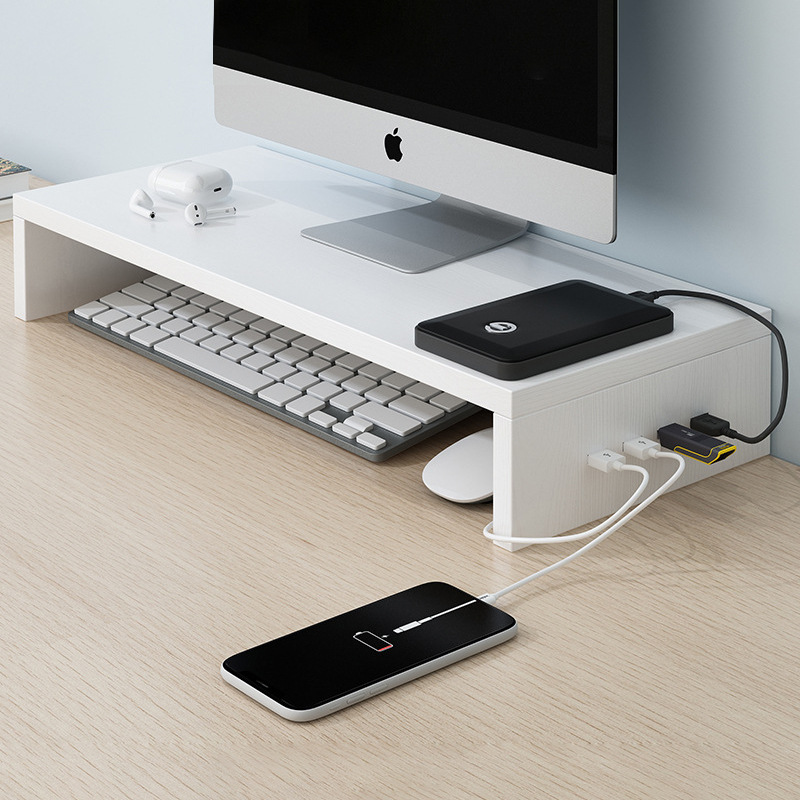
- Saves Desk Space: A computer stand can free up valuable desk space, providing room for additional work accessories like notebooks, mobile devices, or stationery. This helps create a more organized and efficient workspace.
- Supports Standing Desks: Whether you use a standing desk or switch between sitting and standing, a computer stand adapts to your needs. It allows you to easily adjust the screen height to suit your posture, enhancing comfort and flexibility.

Types of Computer Stands
- Laptop Stands: Laptop stands are designed specifically for laptops, offering adjustable heights and angles to accommodate different laptops and user needs. Some laptop stands also include cooling features and cable management systems. For example, the Tonmom Laptop Stand is lightweight and foldable, making it ideal for travel. It can raise a laptop to heights between 4 and 7 inches and features seven height settings. While it may feel slightly wobbly compared to heavier options, its lightweight design and portability make it a great choice for commuters.
- Monitor Stands: Monitor stands are primarily used to elevate monitors and come in various styles, such as single-arm, dual-arm, and triple-arm stands. They typically offer features like adjustable height, swivel, tilt, and rotation. For instance, the Wali Dual Monitor Gas Spring Desk Mount can hold up to two 33-pound displays with a maximum size of 35 inches each. It allows dynamic height adjustment, extending up to 23.03 inches high and reaching forward 20.71 inches. Its gas spring tension adjustment ensures stability and security. The Huanuo Triple Monitor Stand is designed for three 32-inch monitors, with each arm capable of supporting up to 17.6 pounds. It features gas spring height adjustments, 360-degree screen rotation, and screen tilt between -90 and 85 degrees. The arms support VESA plates and include a quick-release system for easy installation.
- Universal Computer Stands: Universal computer stands can accommodate various devices, including laptops and monitors. They are suitable for users who need flexibility and versatility in their workspace setup. These stands often feature adjustable height, angle, and other functions to meet different usage scenarios.
How to Choose the Right Computer Stand
- Height Adjustability: Ensure the computer stand allows you to easily adjust its height to suit both sitting and standing positions. Ideally, the top of the screen should be at or slightly below eye level when you sit with proper posture. This typically means raising the laptop or monitor by 6-8 inches for most people, though specific measurements may vary based on height and seating arrangements.
- Stability: A sturdy base is essential to prevent wobbling while typing or adjusting the device. Look for stands with wide bases or those made of heavy materials to enhance stability.
- Compatibility: Check the stand’s specifications to ensure it supports the size and weight of your laptop or monitor. For example, the Wali Dual Monitor Gas Spring Desk Mount can hold up to two 33-pound displays with a maximum size of 35 inches each, while the Huanuo Triple Monitor Stand is designed for three 32-inch monitors, with each arm supporting up to 17.6 pounds.
- Workspace Fit: Ensure there is ample space between your desk and the computer stand to allow free movement without hitting it with your elbows or knees. This helps maintain comfort and efficiency during work.
- Portability: If you work remotely or travel frequently, consider a foldable and lightweight stand. The Tonmom Laptop Stand, for example, weighs only 0.6 pounds and can be folded into a compact size for easy portability.
Benefits of Using a Computer Stand
- Health Benefits: Using a computer stand can alleviate neck and back pain caused by prolonged sitting at a desk. By elevating the screen to eye level, it promotes proper posture, reduces strain on the neck and shoulders, and lowers the risk of repetitive strain injuries.
- Ergonomic Advantages: Computer stands help create an ergonomic workspace, ensuring that the screen, keyboard, and mouse are positioned at optimal heights and angles. This allows users to work in a more natural posture, reducing physical fatigue and discomfort.
- Improved Work Efficiency: A comfortable workspace setup enables users to focus better and work more efficiently. The proper positioning of the screen and keyboard reduces the need for frequent adjustments, allowing users to concentrate on their tasks and enhance productivity.
- Device Protection: Quality computer stands are designed to support devices safely. They prevent laptops or monitors from overheating, protect devices from scratches, and ensure stability during use. For instance, stands with silicone or rubber padding can prevent scratches on laptops, while cooling features help maintain optimal device temperatures.
How to Use a Computer Stand
- Adjust the Height: Follow the guidelines mentioned earlier to adjust the computer stand’s height. Position the screen so that the top is at or slightly below eye level. Ensure your arms form a 90-degree angle when typing, avoiding a setup that is too high or too low.
- Adjust the Angle: Adjust the stand’s angle to ensure the screen is tilted slightly backward to prevent neck strain. Keep the keyboard within easy reach and avoid excessive wrist bending. Make sure your body remains relaxed while typing and looking at the screen.
- Use External Keyboard and Mouse: For optimal ergonomics, pair your laptop or monitor with an external keyboard and mouse. This allows you to position the keyboard and mouse at an optimal height, typically at or slightly below elbow level, further reducing strain.
- Ensure Proper Ventilation: Ensure the computer stand provides sufficient airflow beneath the device. Avoid blocking ventilation ports and consider using a cooling pad if your laptop tends to overheat.
Recommended Computer Stands
- Rain Design iLevel 2: Made of anodized aluminum, this stand is sturdy and stylish. Its height range can accommodate many people, raising the back of a laptop by approximately 6.5 inches at its lowest setting and 8.5 inches at its highest. The stand is easy to adjust, with a knob that allows quick height changes. Its open-back design provides a convenient spot to hide cables.
- Rain Design mStand: This is a more affordable option with a cable management hole in the back. Made of aluminum, it offers good heat dissipation and a fixed height lift of 5.9 inches. Its solid one-piece design makes it less wobbly than cheaper stands.
- Lifelong Upryze Ergonomic Laptop Stand: Suitable for users who switch between sitting and standing. The stand is easy to adjust, with a wide range of height settings to meet different postures and laptop sizes. Its aluminum construction ensures sturdiness and stability.

Conclusion
A well-chosen computer stand can significantly improve your workspace experience. It helps promote good posture, reduces physical strain, enhances work efficiency, and protects your devices. When selecting a computer stand, consider factors such as height adjustability, stability, compatibility, and portability. Based on your specific needs and usage scenarios, choose the most suitable computer stand to create a comfortable and efficient workspace.
How to Purchase:https://looperbuy.com/search?keywords=computer+stand+for+desk
Frequently Asked Questions
Q: Do I really need a computer stand?
A: If you use a computer for more than an hour daily, a computer stand can significantly reduce neck and back strain. By raising the screen to eye level, it promotes better posture and lowers the risk of repetitive strain injuries. Consider it an investment in your long-term health.
Q: Can I type directly on my laptop when it’s on a stand?
A: While some lower-height laptop stands allow direct typing, it is generally not ergonomically recommended to type on an elevated laptop. For optimal ergonomics, pair your laptop with an external keyboard and mouse positioned at or slightly below elbow height.
Q: What height should my computer stand be?
A: The ideal height positions the top of your screen at or slightly below eye level when you sit with proper posture. This typically means raising the laptop or monitor by 6-8 inches for most people, though specific measurements may vary based on height and seating arrangements.
Q: Do cooling stands actually work?
A: Yes, quality cooling stands can help reduce device temperatures under heavy loads. Stands with active fans provide the most significant cooling, while even passive stands improve airflow compared to placing your device directly on a flat surface.
Q: Are lightweight portable stands sturdy enough?
A: Modern portable stands use innovative engineering to create surprisingly stable platforms despite their lightweight design. Premium options can weigh under 6 ounces but can securely hold laptops up to 13 pounds. Always check weight capacity and user reviews focusing on stability.
Hot Tags: Computer Stand For Desk; Computer Stand Desk Use; Types Of Computer Stands; Ergonomic Computer Stands; Monitor Stands For Desks; Laptop Stands; Desk Computer Stands; Adjustable Computer Stands; Computer Stand Benefits; Computer Stand Selection