Table of Contents
Understanding Drop Shipping
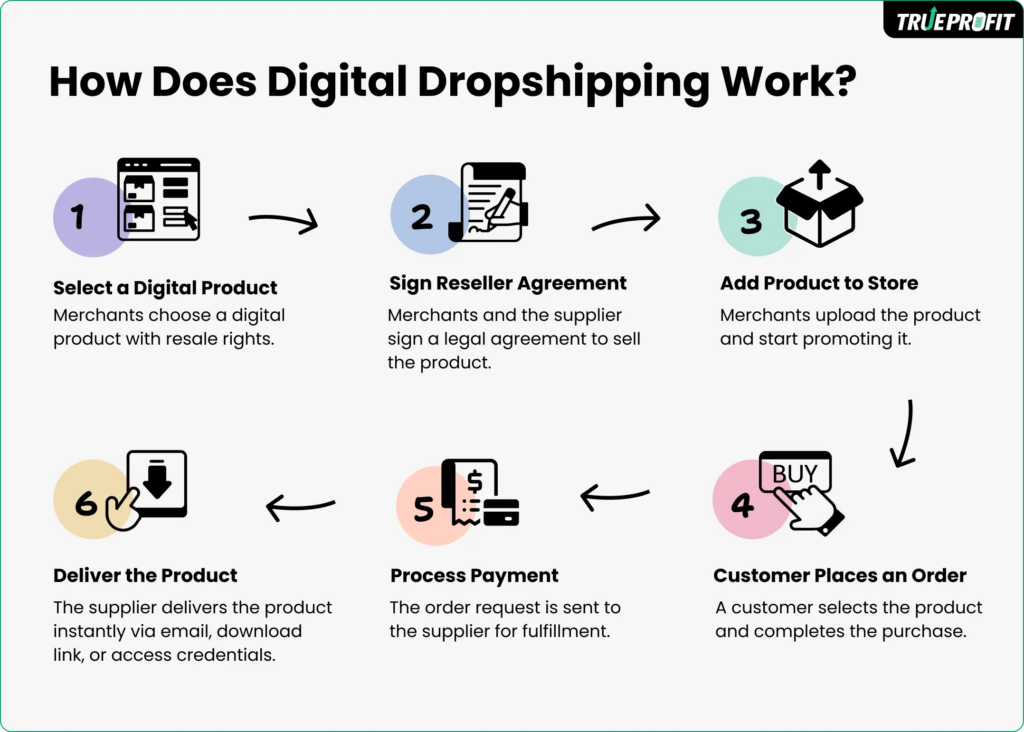
Drop shipping is a retail fulfillment method where a store doesn’t keep the products it sells in stock. Instead, when a store sells a product, it purchases the item from a third party and has it shipped directly to the customer. This means that the seller never sees or handles the product. This business model has gained immense popularity due to its low overhead costs and the ability to operate without a physical storefront.
The Rise of Drop Shipping
The rise of e-commerce has significantly contributed to the popularity of drop shipping. With more consumers shopping online than ever before, entrepreneurs are seizing the opportunity to start their own businesses with minimal investment. The drop shipping model allows them to focus on marketing and customer service rather than inventory management.
Key Benefits of Drop Shipping
- Low Startup Costs: One of the most significant advantages of drop shipping is that it requires very little capital to start. You don’t need to invest in inventory upfront, which reduces financial risk.
- Wide Product Selection: Since you don’t have to pre-purchase the items you sell, you can offer a wide range of products without worrying about storage space.
- Flexibility: Drop shipping allows you to run your business from anywhere with an internet connection. This flexibility is appealing to many entrepreneurs.
- Scalability: As your business grows, you can easily scale your operations without the need for significant investments in inventory or warehousing.
- Reduced Risk: Since you only purchase products after you’ve made a sale, the risk of unsold inventory is minimized. This allows you to experiment with different products without the fear of losing money.
- Focus on Marketing: With no need to manage inventory, you can dedicate more time to marketing and growing your business. This focus can lead to better customer acquisition and retention strategies.
- Access to Global Markets: Drop shipping allows you to sell products to customers around the world without the need for a physical presence in those markets. This opens up new revenue streams and opportunities for growth.
Choosing the Best Drop Shipping Suppliers
Selecting the right suppliers is crucial for the success of your drop shipping business. Here are some factors to consider when choosing suppliers:
Reliability and Reputation
Before partnering with a supplier, research their reputation. Look for reviews and testimonials from other retailers. A reliable supplier will have a track record of delivering quality products on time.
Product Quality
The quality of the products you sell directly impacts your brand’s reputation. Order samples from potential suppliers to assess the quality before committing to a partnership.
Shipping Times
Fast shipping is essential for customer satisfaction. Ensure that your suppliers can meet your shipping expectations and provide tracking information.
Communication
Good communication is vital in any business relationship. Choose suppliers who are responsive and willing to address your concerns promptly.
Pricing and Margins
Evaluate the pricing structure of potential suppliers. Ensure that their prices allow you to maintain a healthy profit margin while remaining competitive in the market. Consider the total cost, including shipping fees, to determine your pricing strategy.
Return Policies
Understand the return policies of your suppliers. A flexible return policy can enhance customer satisfaction and reduce the risk of returns affecting your bottom line.
Supplier Diversity
Consider working with multiple suppliers to diversify your product offerings. This strategy can help mitigate risks associated with relying on a single supplier and can provide backup options in case of stock shortages.
Technology Integration
Look for suppliers that offer technology integration with your e-commerce platform. This can streamline order processing and inventory management, making your operations more efficient.
Effective Marketing Strategies for Drop Shipping
Once you have your suppliers in place, the next step is to market your products effectively. Here are some strategies to consider:
Social Media Marketing
Social media platforms like Instagram, Facebook, and Pinterest are excellent for promoting your drop shipping business. Create engaging content that showcases your products and encourages user interaction. Use high-quality images and videos to attract potential customers.
Building a Brand Presence
Establish a strong brand presence on social media by consistently posting content that reflects your brand’s values and aesthetics. Engage with your audience through comments, direct messages, and interactive content like polls and quizzes.
Paid Advertising
Consider investing in paid advertising on social media platforms to reach a larger audience. Target specific demographics based on interests, behaviors, and location to maximize your advertising budget.
Search Engine Optimization (SEO)
Optimizing your website for search engines can help drive organic traffic to your store. Use relevant keywords in your product descriptions, blog posts, and meta tags to improve your search engine rankings.
Content Marketing
Create valuable content related to your niche to attract potential customers. This could include blog posts, how-to guides, and product reviews. High-quality content can improve your SEO and establish your brand as an authority in your industry.
Influencer Marketing
Partnering with influencers can help you reach a broader audience. Look for influencers in your niche who can promote your products to their followers. Collaborate on giveaways, product reviews, or sponsored posts to increase visibility.
Email Marketing
Building an email list allows you to communicate directly with your customers. Use email marketing to share promotions, new product launches, and valuable content. Segment your email list based on customer behavior to send targeted messages.
Automation
Utilize email marketing automation tools to streamline your campaigns. Set up automated welcome emails, abandoned cart reminders, and follow-up emails to enhance customer engagement.
Affiliate Marketing
Consider implementing an affiliate marketing program where individuals can earn a commission for promoting your products. This can expand your reach and drive more sales without upfront costs.
Video Marketing
Leverage video marketing to showcase your products in action. Create product demonstration videos, unboxing experiences, or customer testimonials to engage your audience and build trust.
Managing Customer Service in Drop Shipping
Customer service is a critical aspect of any business, and drop shipping is no exception. Here are some tips for managing customer service effectively:
Clear Communication
Set clear expectations with your customers regarding shipping times, return policies, and product availability. Transparency helps build trust and reduces the likelihood of misunderstandings.
Prompt Responses
Respond to customer inquiries as quickly as possible. A fast response time can significantly enhance customer satisfaction and loyalty. Consider using chatbots to provide instant responses to common questions.
Handling Returns
Have a clear return policy in place and communicate it to your customers. Work with your suppliers to ensure that returns are handled smoothly and efficiently. Make the return process as easy as possible for your customers to enhance their experience.
Gathering Feedback
Encourage customers to leave reviews and feedback. This information can help you improve your products and services while also building social proof. Use positive reviews in your marketing materials to attract new customers.
Building Customer Loyalty
Implement loyalty programs or offer discounts to repeat customers. Building a loyal customer base can lead to increased sales and positive word-of-mouth marketing.
Utilizing Customer Relationship Management (CRM) Tools
Invest in CRM tools to manage customer interactions and data effectively. These tools can help you track customer behavior, preferences, and purchase history, allowing for more personalized service.
Training Customer Service Representatives
If you have a team, ensure they are well-trained in your products and customer service protocols. A knowledgeable team can provide better support and enhance the customer experience.
Trends Shaping the Future of Drop Shipping
As the e-commerce landscape continues to evolve, several trends are shaping the future of drop shipping. Staying informed about these trends can help you adapt your business strategies accordingly.
Sustainability
Consumers are becoming increasingly aware of environmental issues and are seeking sustainable products. Consider partnering with suppliers who prioritize eco-friendly practices and offer sustainable products.
Personalization
Personalized shopping experiences are becoming more important to consumers. Use data analytics to understand customer preferences and tailor your marketing efforts accordingly. Personalized product recommendations can enhance customer satisfaction and increase sales.
Mobile Commerce
With the rise of mobile shopping, optimizing your online store for mobile devices is essential. Ensure that your website is mobile-friendly and consider developing a mobile app to enhance the shopping experience.
Automation and AI
Automation tools and artificial intelligence are transforming the way businesses operate. Utilize AI-driven tools for inventory management, customer service, and marketing to streamline your operations and improve efficiency.
Global Market Expansion
As e-commerce continues to grow, consider expanding your drop shipping business to international markets. Research the regulations and logistics involved in selling to customers in different countries to tap into new revenue streams.
Subscription Models
Consider offering subscription services for products that customers may need regularly. This model can create a steady revenue stream and enhance customer loyalty.
Enhanced User Experience
Focus on improving the overall user experience on your website. This includes fast loading times, easy navigation, and a seamless checkout process. A positive user experience can lead to higher conversion rates.
Social Responsibility
Consumers are increasingly looking for brands that demonstrate social responsibility. Consider how your business can contribute positively to society, whether through charitable initiatives or ethical sourcing practices.
Data Privacy and Security
As online shopping grows, so do concerns about data privacy and security. Ensure that your website complies with data protection regulations and that you have robust security measures in place to protect customer information.
Conclusion
In conclusion, drop shipping offers a viable business model for aspiring entrepreneurs looking to enter the e-commerce space. By understanding the fundamentals of drop shipping, choosing reliable suppliers, implementing effective marketing strategies, and managing customer service, you can build a successful drop shipping business in 2026 and beyond. As the e-commerce landscape continues to evolve, staying informed about industry trends and adapting your strategies will be key to your success.
As you embark on your drop shipping journey, remember that the right products can make all the difference in attracting customers and boosting sales. Discover a wide range of trending products that can elevate your online store at LooperBuy.
Article Summary: This article provides a comprehensive guide to drop shipping, covering its definition, benefits, supplier selection, marketing strategies, customer service management, and future trends. It aims to equip aspiring entrepreneurs with the knowledge needed to succeed in the drop shipping business in 2026.
Hot Tags: Best Drop Shipping; Drop Shipping Suppliers; E-commerce Strategies; Online Business; Digital Marketing; Customer Service; Social Media Marketing; SEO for Drop Shipping; Influencer Partnerships; Email Marketing; Product Quality; Shipping Times; Business Flexibility; Startup Costs; Market Research; Brand Reputation; Customer Feedback; Return Policies; Fast Shipping; Inventory Management; Retail Fulfillment; Entrepreneur Tips; E-commerce Trends; Online Retail; Business Scalability; Niche Marketing; Product Selection; Communication Skills; Customer Satisfaction; E-commerce Growth; Business Strategies; Subscription Services; User Experience; Global Expansion; Social Responsibility; Data Privacy.
Related Questions & Answers
· What is drop shipping?
Drop shipping is a retail fulfillment method where the store doesn’t keep the products it sells in stock. Instead, it purchases the item from a third party and has it shipped directly to the customer.
· How do I find reliable drop shipping suppliers?
Research suppliers by looking for reviews, ordering samples, and assessing their communication and shipping times.
· What are the advantages of drop shipping?
The main advantages include low startup costs, a wide product selection, flexibility, and scalability.
· How can I effectively market my drop shipping business?
Utilize social media marketing, SEO, influencer partnerships, and email marketing to reach your target audience.
· How should I handle customer service in drop shipping?
Maintain clear communication, respond promptly to inquiries, have a clear return policy, and gather customer feedback to improve your services.