In the fast-paced world of consumer technology, staying ahead of the curve is not just a competitive advantage—it is a survival necessity. For brand owners, professional wholesalers, and major manufacturers, the annual electronics trade fair has long served as the primary venue for discovering innovation and forging strategic partnerships. However, as we move into 2025 and 2026, the traditional model of attending a physical exhibition to place orders is undergoing a radical transformation. The modern sourcing executive must now navigate a hybrid reality where the sensory inspiration of a physical show floor meets the high-octane efficiency of digital platforms like LooperBuy. This comprehensive guide explores the elite circuit of global exhibitions while detailing how to bridge the gap between “trend spotting” and “profitable procurement” through advanced one-stop B2B sourcing solutions.
Table of Contents
The Global Hierarchy of Electronics Trade Fairs
To build a world-class supply chain, one must first understand where the world’s most influential ideas are born. The global electronics trade fair calendar is anchored by a few “titans”—events so large they can shift the stock prices of multinational corporations and dictate the inventory levels of retailers across three continents. Understanding the unique “DNA” of each fair allows B2B buyers to prioritize their time and travel budgets for maximum ROI.
CES Las Vegas: The North Star of Conceptual Technology
Every January, the tech world descends upon Las Vegas for the Consumer Electronics Show (CES). As the world’s most powerful tech event, CES is where the “impossible” becomes the “imminent.” In recent years, the focus has shifted from simple gadgets to “Physical AI”—the integration of advanced software into tangible hardware. For a B2B wholesaler, CES is not necessarily the place to sign a purchase order for 50,000 units; rather, it is the place to identify which product categories will be in high demand eighteen months from now. Whether it is the latest in transparent OLED displays, hydrogen-powered mobility, or generative AI embedded in kitchen appliances, CES provides the thematic roadmap for your entire sourcing year.
IFA Berlin: The Heart of European Retail and Consumer Trends
While CES is about the future, IFA Berlin is about the “now.” Celebrating over a century of innovation, IFA remains Europe’s premier event for home appliances and consumer electronics. Its importance lies in its deep connection to the European retail market. For brands looking to enter the EU or Middle Eastern markets, IFA offers a practical look at the regulatory standards (such as CE and RoHS) and design aesthetics currently resonating with Western consumers. It is a “working fair” where distributors finalize their holiday season shipments and manufacturers showcase “retail-ready” solutions.
Computex Taipei: The Engine Room of Global Hardware
If you are a manufacturer looking for the components that power the world’s computers, Computex is your destination. Located in the heart of Taiwan’s semiconductor powerhouse, this fair is dedicated to the “guts” of the machine. From high-performance AI servers and liquid-cooled PC cases to the latest IoT sensors, Computex is the bridge between the raw silicon and the finished consumer product. For B2B professionals, this is the essential venue for sourcing white-label hardware and forging relationships with the OEMs (Original Equipment Manufacturers) that serve the world’s biggest tech brands.
The Hong Kong Circuit: Global Sources and HK Electronics Fair
For those specifically focused on wholesale china online shopping and high-volume procurement, the April and October exhibitions in Hong Kong are indispensable. Events like the Global Sources Consumer Electronics Show and the HKTDC Hong Kong Electronics Fair provide the most direct access to Chinese manufacturing clusters. These fairs are designed for efficiency, with specialized zones for mobile accessories, smart home tech, and “green” electronics. They serve as the physical manifestation of the China-to-Global supply chain, allowing buyers to meet factory owners face-to-face before transitioning their ongoing business to a digital platform.
The Logistics Architecture of Modern B2B Procurement
Finding a revolutionary product at an electronics trade fair is only 20% of the battle. The remaining 80% involves the complex “invisible architecture” of global logistics. In the modern era, a “One-Stop B2B Sourcing Platform” is defined by its ability to handle the heavy lifting of movement and compliance, allowing the buyer to focus on sales and brand growth.
Mastering the Last Mile and Warehousing
Global sourcing from China often fails not at the factory gate, but at the destination port. Professional buyers must account for the “landed cost”—the total price of a product once it arrives at the warehouse door, including shipping, duties, and insurance. Advanced platforms like LooperBuy solve this by offering integrated global logistics. By leveraging high-volume shipping contracts, these platforms can provide competitive rates for both LCL (Less than Container Load) and FCL (Full Container Load) shipments. Furthermore, the use of “Consolidation Warehousing” in China allows buyers to purchase small quantities from multiple vendors and combine them into a single, cost-effective shipment, significantly reducing overhead for smaller wholesalers and brand owners.
Navigating Customs Compliance and Duty Mitigation
In an era of fluctuating tariffs and trade tensions, customs compliance is a critical risk factor. A single documentation error can lead to weeks of delays and thousands of dollars in port storage fees. Modern sourcing platforms digitize the compliance layer, ensuring that all products meet the specific safety and import standards of the destination country. This includes managing MSDS (Material Safety Data Sheets) for lithium batteries—a frequent bottleneck in electronics shipping—and ensuring that Harmonized System (HS) codes are correctly applied to minimize unnecessary duty payments. This “compliance-as-a-service” model is what separates a premier sourcing partner from a simple online marketplace.
Bridging the Gap: The Evolution of the Trade Fair Experience
The traditional “Trade Fair Loop”—finding a supplier in person, exchanging business cards, and then struggling with email communication—is outdated. The future of B2B procurement is a hybrid model where the platform acts as the “connective tissue” between the physical exhibition and the digital supply chain.
Consolidating Fragmented Supply Chains
One of the greatest frustrations for a brand owner at a trade fair is the fragmentation of vendors. To launch a single “Smart Home Starter Kit,” a buyer might need to coordinate with a sensor manufacturer in Shenzhen, a hub designer in Dongguan, and a packaging plant in Guangzhou. On a one-stop platform like LooperBuy, these disparate elements are consolidated. The platform acts as a single point of contact, managing the quality control, payment escrow, and shipping coordination for the entire project. This reduction in “communication friction” can shorten a product’s time-to-market by as much as three to four months.
Factory-Direct Pricing vs. Middleman Markups
It is a well-known industry secret that many “manufacturers” at international trade shows are actually trading companies that add a 15% to 30% markup to the factory price. For a professional wholesaler, these margins are the difference between scaling a business and stagnant growth. Digital sourcing platforms bypass these layers by connecting buyers directly to the “source” manufacturing clusters in China. By digitizing the verification process, these platforms provide the security of a trading house with the pricing of a direct factory, offering a level of transparency that was previously impossible without a local sourcing office in China.
Quality Assurance and Vetting in the Era of AI-Driven Sourcing
As the volume of wholesale china online shopping increases, so does the risk of quality variance. In the electronics sector, where a 1% failure rate can destroy a brand’s reputation, quality assurance (QA) is the most vital component of the supply chain.
On-Site Inspections and Lab Certifications
Relying on a supplier’s word is no longer an option for professional B2B buyers. The modern sourcing workflow must include rigorous vetting. This involves not only checking business licenses but also conducting on-site factory audits. High-tier platforms ensure that their partners have the necessary ISO certifications and that their products have been tested in independent labs for safety and performance. For the buyer, this means that the “sample quality” they see at the electronics trade fair is exactly what will be delivered in the mass production run.
Building Long-Term Trust with Chinese Manufacturers
Trust in B2B sourcing is built on consistency and accountability. While a handshake at a trade show is a good start, a digital platform provides the data-driven history of a supplier’s performance. Buyers can see a manufacturer’s track record for on-time delivery, quality dispute resolution, and overall reliability. This transparency creates a “virtuous cycle” where the best manufacturers are rewarded with more business, and buyers can source with the confidence that their capital is protected by platform-enforced escrow and dispute resolution systems.
Future Trends: Sustainability and the Circular Economy
As we look toward 2026, the electronics industry is facing a “Green Revolution.” Governments, particularly in the EU and North America, are introducing strict “right to repair” laws and carbon footprint reporting requirements. This shift was a major theme at recent trade shows and will dominate the sourcing landscape for years to come.
Green Tech and Compliance at Global Trade Shows
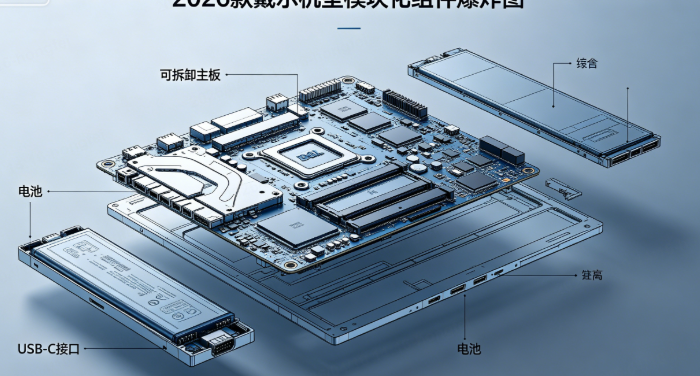
Innovative manufacturers are now showcasing products made from recycled plastics and modular designs that allow for easy battery replacement. For a brand owner, sourcing “Green Electronics” is no longer just about ethics—it is about future-proofing the business against upcoming environmental taxes and import bans on non-recyclable electronics. One-stop platforms are increasingly filtering their catalogs to highlight “Eco-Verified” suppliers, making it easier for global brands to align their supply chains with the values of the modern consumer.
The Rise of the Circular Supply Chain
The traditional “Take-Make-Waste” model is being replaced by circular systems where components are harvested and reused. This trend is creating new B2B opportunities in the “Refurbished and Renewed” electronics market—a sector that is growing faster than the market for new devices in many regions. Forward-thinking wholesalers are already using digital platforms to source high-quality components for repair and refurbishment, tapping into a lucrative and sustainable revenue stream.
Conclusion
The evolution of the global electronics trade fair from a simple marketplace to a complex hub of innovation requires a corresponding evolution in sourcing strategy. By combining the visionary insights gained at events like CES and IFA with the operational power of a one-stop B2B sourcing platform, brand owners and wholesalers can build supply chains that are resilient, transparent, and highly profitable. The key to success in 2025 and beyond lies in leveraging China’s manufacturing excellence through a managed, digital ecosystem that handles the complexities of logistics, quality control, and global compliance. In this new sourcing paradigm, the distance between a brilliant idea on a show floor and a delivered product in a consumer’s hand has never been shorter.
References
- Consumer Technology Association (CTA): https://www.ces.tech/ (Official data and trends for CES 2025/2026).
- IFA Berlin Management: https://www.ifa-berlin.com/ (European market trends and exhibition history).
- Computex Taipei Official: https://www.computextaipei.com.tw/ (Information on semiconductor and computing hardware supply chains).
- World Trade Organization (WTO): https://www.wto.org/ (Reports on global trade barriers and customs e-commerce customs duty moratoriums).
- Sourceready Blog: https://www.sourceready.com/blog/top-consumer-electronics-trade-shows-2025 (Comparative analysis of 2025 exhibition focus areas).
- Crestline Sourcing Insights: https://crestline.com/c/top-consumer-electronics-and-technology-trade-shows (Analysis of U.S.-based technology trade events for 2026).
Related Questions & Answers
· What is the primary difference between CES and IFA for a B2B wholesaler?
- CES is primarily a visionary show focused on conceptual technology and global innovation trends, making it ideal for long-term product planning and identifying market shifts. In contrast, IFA is deeply rooted in the practicalities of the European retail market, focusing on home appliances and consumer electronics that are often ready for immediate distribution and high-volume retail orders.
· How can a “One-Stop Sourcing Platform” reduce my total procurement costs?
- These platforms consolidate multiple supply chain functions into a single workflow. By providing factory-direct pricing (eliminating middleman markups), offering consolidated shipping (reducing per-unit logistics costs), and managing customs compliance (preventing expensive delays), they significantly lower the “landed cost” of goods. This allows wholesalers to maintain higher margins while offering competitive prices to their own customers.
· Why should I source from China if I can find suppliers at local trade shows in my own country?
- While local trade shows offer convenience, sourcing directly from China’s manufacturing clusters (like Shenzhen and Guangzhou) provides unparalleled speed, variety, and cost efficiency. The “industrial cluster” effect in China means that every component of an electronic device is produced in close proximity, allowing for faster prototyping and lower production costs that local suppliers—who are often importers themselves—cannot match.
· What are the most critical quality control steps for imported electronics?
- The most critical steps include conducting a “Pre-Shipment Inspection” (PSI) to ensure mass-produced units match the approved sample, verifying that the manufacturer holds relevant international certifications (like CE, FCC, or UL), and performing lab tests on critical components like batteries and power adapters. Using a verified platform ensures these steps are managed professionally and transparently.
· Is it better to attend trade fairs in person or source entirely online?
- The most successful modern strategy is a hybrid approach. Attending major trade fairs in person allows you to “feel” the product quality, meet the leadership teams, and experience new trends firsthand. Once the initial vetting and connection are made, transitioning to a digital sourcing platform allows for the efficient management of repeat orders, logistics coordination, and ongoing quality control without the need for constant international travel.
Hot Tags:
Electronics Trade Fair; B2B Sourcing Platform; China Wholesale Online; Global Logistics Strategy; Factory Direct Electronics; Supply Chain Optimization; Consumer Tech Trends 2025; International Procurement; Manufacturing Clusters; Quality Control Outsourcing.