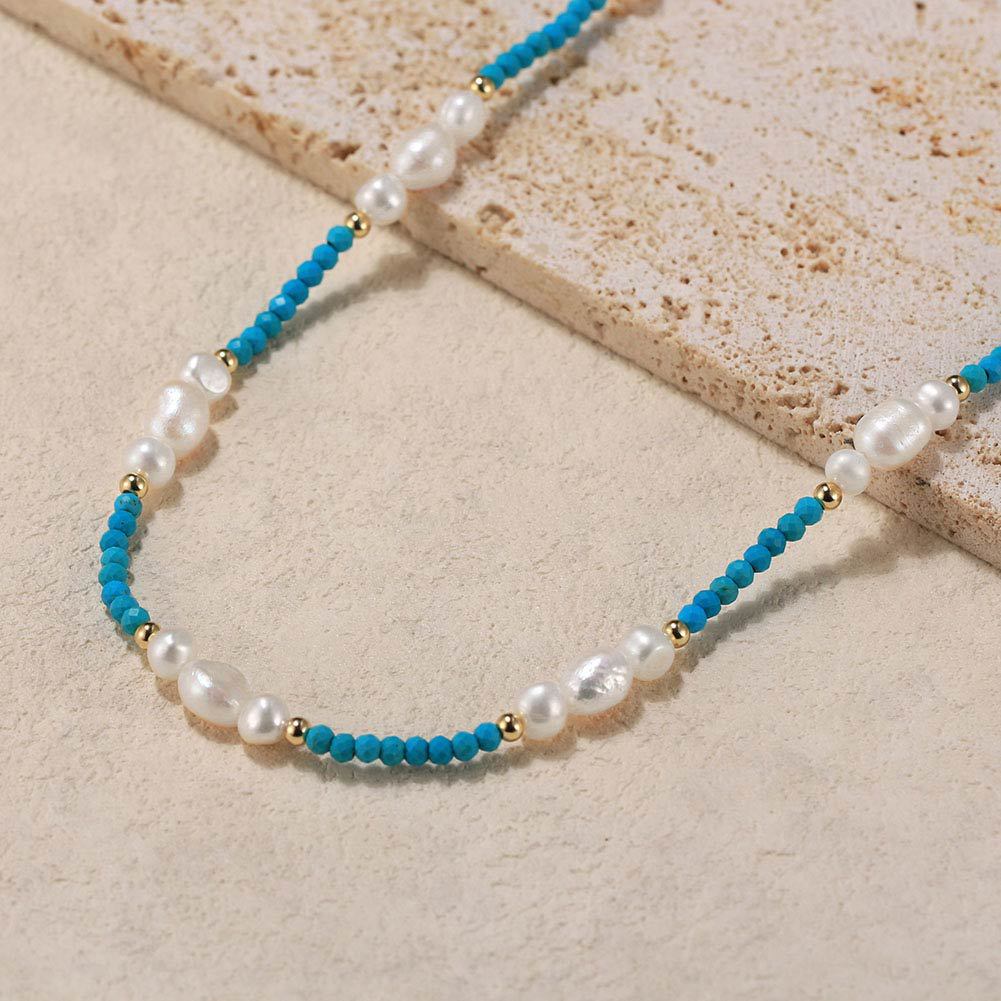
Cultured pearl necklaces have long been a symbol of elegance and sophistication. These exquisite pieces of jewelry not only enhance the beauty of the wearer but also carry a rich history and cultural significance. In this article, we will explore the allure of cultured pearl necklaces, their types, care tips, and how to choose the perfect one for any occasion.
Table of Contents
Understanding Cultured Pearls
What Are Cultured Pearls?
Cultured pearls are formed through human intervention. Unlike natural pearls, which are created by chance when an irritant enters an oyster, cultured pearls are produced by inserting a nucleus into the oyster or mollusk. This process encourages the oyster to secrete layers of nacre, which eventually forms a pearl. The most common types of cultured pearls include Akoya, Tahitian, and South Sea pearls, each with unique characteristics and beauty.
The History of Cultured Pearls
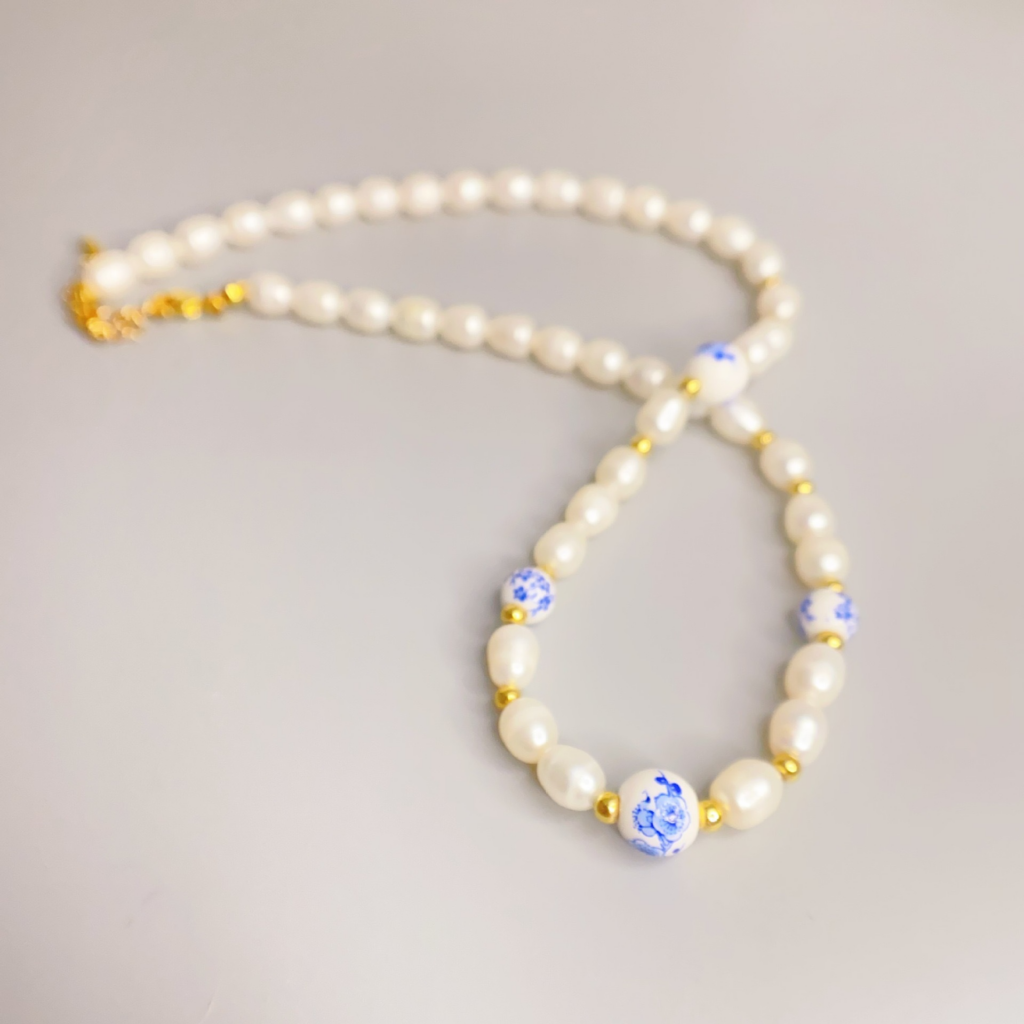
The cultivation of pearls began in the early 20th century, primarily in Japan. Kokichi Mikimoto is credited with developing the first successful method for producing cultured pearls in 1893. His innovation revolutionized the pearl industry, making these beautiful gems more accessible to the general public. Today, cultured pearls are harvested in various locations around the world, including Japan, China, and French Polynesia.
Types of Cultured Pearl Necklaces
Akoya Pearls
Akoya pearls are known for their classic round shape and high luster. Typically ranging from 5mm to 10mm in size, these pearls are often white or cream with subtle pink or silver overtones. Akoya pearl necklaces are a popular choice for formal occasions and are often seen in bridal jewelry. Their timeless appeal makes them a staple in any jewelry collection.
Tahitian Pearls
Tahitian pearls are unique for their dark colors, which can range from black to green, blue, and even purple. These pearls are larger, usually between 8mm and 18mm, and are often used in more contemporary jewelry designs. A Tahitian pearl necklace can add a bold statement to any outfit. The exotic hues of Tahitian pearls make them particularly sought after by fashion-forward individuals.
South Sea Pearls
South Sea pearls are among the largest and most luxurious cultured pearls available. They are typically white or golden and can reach sizes of up to 20mm. The luster of South Sea pearls is unmatched, making them a favorite for high-end jewelry. A South Sea pearl necklace is often considered a timeless investment piece. Their rarity and beauty make them a coveted choice for collectors and connoisseurs alike.
Freshwater Pearls
Freshwater pearls are another popular type of cultured pearl, primarily produced in freshwater lakes and rivers. They come in a variety of shapes, sizes, and colors, including white, pink, lavender, and even peach. Freshwater pearls are often more affordable than their saltwater counterparts, making them an excellent choice for those looking to add pearls to their collection without breaking the bank. Their unique shapes and colors allow for creative and personalized jewelry designs.
Choosing the Right Cultured Pearl Necklace
Consider the Occasion
When selecting a cultured pearl necklace, consider the occasion. For formal events, a classic Akoya pearl necklace may be the best choice, while a Tahitian or South Sea pearl necklace can add a touch of drama to a more casual outfit. Understanding the context in which you will wear the necklace can help you make a more informed decision.
Match with Personal Style
Your personal style should also guide your choice. If you prefer a minimalist look, opt for a simple strand of white Akoya pearls. For a more eclectic style, consider a multi-colored Tahitian pearl necklace or one with unique designs and settings. The versatility of cultured pearls allows them to be styled in various ways, making them suitable for different fashion preferences.
Quality Factors
When purchasing a cultured pearl necklace, pay attention to the quality factors, including luster, surface quality, shape, and size. High-quality pearls will have a deep, reflective luster and minimal blemishes. The shape should be as round as possible, and larger pearls are generally more valuable. Additionally, the way the pearls are strung and the quality of the clasp can also affect the overall quality of the necklace.
Authenticating Cultured Pearls
As the market for cultured pearls grows, so does the risk of counterfeit products. To ensure you are purchasing genuine cultured pearls, consider the following tips:
- Seek Certification: Look for pearls that come with a certificate of authenticity from a reputable gemological laboratory. This certificate should detail the type of pearl, its origin, and its quality.
- Examine the Luster: Genuine cultured pearls have a unique luster that is difficult to replicate. They should have a deep, reflective shine rather than a plastic-like appearance.
- Check for Irregularities: While perfectly round pearls are desirable, most cultured pearls will have some minor imperfections. A completely flawless pearl may be a sign of a synthetic or imitation product.
- Feel the Weight: Genuine pearls have a certain weight to them. If a pearl feels too light, it may not be real.
Caring for Your Cultured Pearl Necklace
Cleaning and Maintenance
Proper care is essential to maintain the beauty of your cultured pearl necklace. Here are some tips for cleaning and maintaining your pearls:
- Wipe After Wearing: Always wipe your pearls with a soft cloth after wearing them to remove any oils or dirt. This simple step can significantly extend the life of your pearls.
- Avoid Chemicals: Keep your pearls away from perfumes, hairsprays, and other chemicals that can damage their surface. The nacre of pearls is delicate and can be affected by harsh substances.
- Store Properly: Store your pearls in a soft pouch or lined jewelry box to prevent scratches. Avoid storing them with other jewelry that may cause abrasion. Proper storage is crucial for maintaining their luster and preventing damage.
Restringing
Over time, the silk thread used to string pearls can weaken. It is advisable to have your pearl necklace restrung every few years, especially if you wear it frequently. This will help prevent breakage and loss of pearls. When restrung, ensure that the pearls are knotted between each one to prevent them from rubbing against each other, which can cause wear.
Best Storage Practices
To prevent damage to your pearl necklaces, consider the following storage practices:
- Use Soft Linings: Store pearls in a soft-lined jewelry box or pouch to prevent scratches and damage from other jewelry.
- Avoid Extreme Temperatures: Keep pearls away from extreme heat or humidity, as these conditions can affect their luster and integrity.
- Separate Storage: Store pearls separately from other jewelry to avoid scratches and tangling. Using individual compartments or soft pouches can help.
The Versatility of Cultured Pearl Necklaces
Cultured pearl necklaces are incredibly versatile and can be worn for various occasions. They can effortlessly transition from day to night, adding a touch of elegance to any outfit. Whether paired with a casual blouse or a formal gown, pearls enhance the overall look.
Layering with Other Jewelry
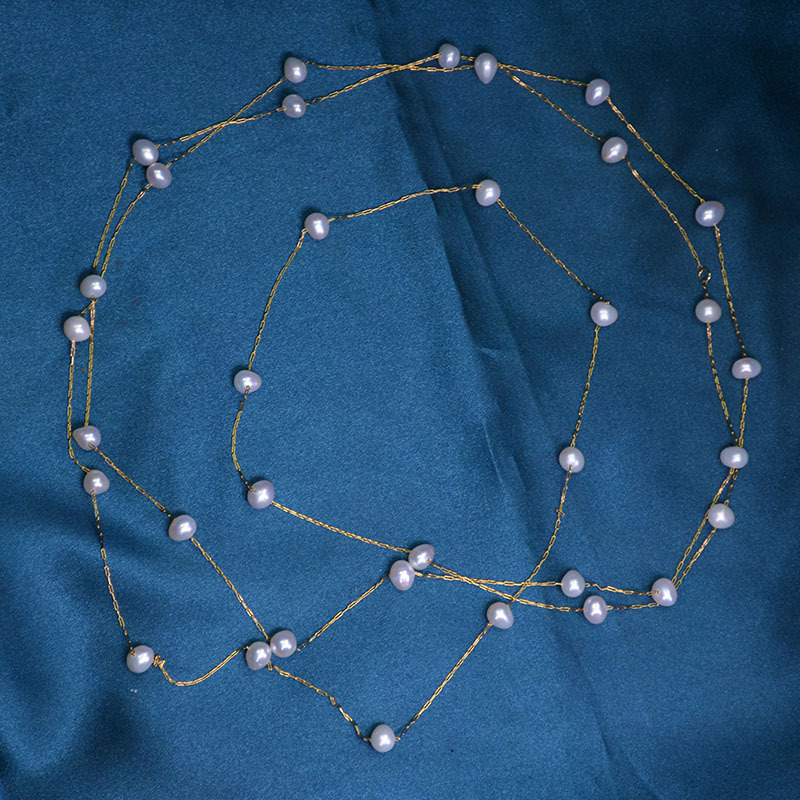
For a modern twist, consider layering your cultured pearl necklace with other types of jewelry. Mixing pearls with gold or silver chains can create a chic, contemporary style. Experimenting with different lengths and textures can also add depth to your ensemble. Layering allows for personal expression and can make a simple outfit stand out.
Gift-Giving
A cultured pearl necklace makes for a thoughtful and timeless gift. Whether for a birthday, anniversary, or special occasion, pearls symbolize love and purity, making them a perfect choice for meaningful gifts. Their enduring appeal ensures that they will be cherished for years to come.
The Environmental Impact of Pearl Farming
While pearl farming can provide economic benefits, it is essential to consider its environmental impact. Sustainable practices are crucial to ensure that pearl farming does not harm marine ecosystems. Overfishing and habitat destruction can occur if farms are not managed responsibly. Many pearl farms are now adopting eco-friendly practices, such as using biodegradable materials and ensuring that their operations do not disrupt local wildlife.
Sustainable Pearl Farming Practices
Sustainable pearl farming involves several practices aimed at minimizing environmental impact. These include:
- Selective Breeding: By selectively breeding oysters that are more resilient and produce higher-quality pearls, farms can reduce the need for wild harvesting, thus protecting natural populations.
- Habitat Restoration: Some pearl farms engage in habitat restoration efforts, such as planting seagrass or restoring coral reefs, to support local marine life.
- Water Quality Management: Maintaining water quality is crucial for the health of oysters. Sustainable farms monitor and manage water quality to ensure a healthy environment for pearl production.
The Evolution of the Cultured Pearl Market
The cultured pearl market has evolved significantly over the last decade. With the rise of online shopping, consumers now have access to a broader range of options than ever before. Additionally, the demand for unique and customized pearl jewelry has increased, leading to innovative designs that incorporate pearls in modern ways. This evolution reflects changing consumer preferences and the desire for personalized jewelry.
Trends in the Cultured Pearl Market
- Customization: Many consumers are now looking for personalized jewelry that reflects their individual style. This trend has led to an increase in custom pearl jewelry, where customers can choose the type, size, and color of pearls to create unique pieces.
- Fashion Collaborations: Designers are increasingly collaborating with pearl producers to create limited-edition collections that blend high fashion with traditional pearl jewelry. These collaborations often feature innovative designs that appeal to younger audiences.
- Sustainable Practices: As consumers become more environmentally conscious, the demand for sustainably sourced pearls has grown. Many brands are now highlighting their commitment to ethical sourcing and sustainable farming practices.
Modern Designs Incorporating Cultured Pearls
Today, designers are experimenting with cultured pearls in various ways, creating pieces that blend traditional elegance with contemporary style. From pearl-embellished earrings to statement rings, the versatility of pearls allows them to be incorporated into diverse designs. This trend has made cultured pearls appealing to a younger audience, who appreciate their timeless beauty while seeking modern aesthetics.
Innovative Jewelry Designs
- Mixed Media: Many contemporary jewelry designers are combining pearls with other materials, such as leather, wood, and metals, to create striking contrasts and unique textures.
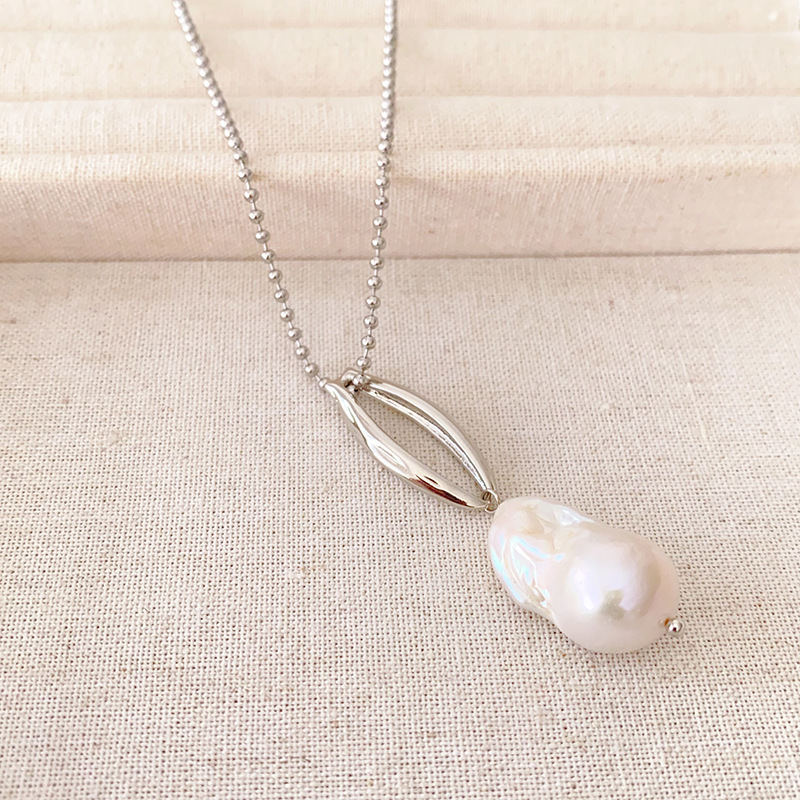
- Asymmetrical Designs: Asymmetrical pearl necklaces and earrings are gaining popularity, offering a modern twist on traditional pearl jewelry. These designs often feature varying sizes and shapes of pearls, creating a dynamic look.
- Pearl Accents: Pearls are being used as accents in various types of jewelry, including bracelets, rings, and even hair accessories. This trend allows for a more subtle incorporation of pearls into everyday wear.
Environmental Factors Affecting Cultured Pearls
The quality and longevity of cultured pearls can be influenced by various environmental factors. Water quality, temperature, and the presence of pollutants can all affect the health of the oysters and, consequently, the quality of the pearls they produce.
Water Quality
Clean, nutrient-rich water is essential for the health of oysters. Polluted waters can lead to poor growth and lower-quality pearls. Sustainable pearl farms often implement measures to monitor and improve water quality, ensuring a healthy environment for oyster cultivation.
Temperature and Climate
Oysters are sensitive to temperature changes. Extreme temperatures can stress the oysters, affecting their ability to produce high-quality pearls. Sustainable farming practices often include monitoring environmental conditions to ensure optimal growth conditions for the oysters.
Ethical Considerations in Sourcing Cultured Pearls
As the demand for cultured pearls grows, so do the ethical considerations surrounding their sourcing. Consumers are increasingly concerned about the environmental and social impacts of pearl farming.
Fair Labor Practices
Ensuring fair labor practices in pearl farming is crucial. Many consumers now seek out brands that prioritize ethical labor practices, ensuring that workers are treated fairly and compensated appropriately.
Environmental Responsibility
Consumers are also looking for brands that demonstrate a commitment to environmental responsibility. This includes sustainable farming practices that minimize environmental impact and promote the health of marine ecosystems.
Conclusion
Cultured pearl necklaces are more than just beautiful accessories; they are pieces of art that carry history and significance. With various types available, there is a perfect pearl necklace for everyone. By understanding the different types, how to choose the right one, and how to care for it, you can enjoy the timeless elegance of cultured pearls for years to come. As the market continues to evolve, the future of cultured pearls looks bright, with innovative designs and sustainable practices paving the way for a new generation of pearl enthusiasts.
How to purchase:Online B2B sourcing platform, China purchase, Chinese suppliers – LooperBuy
Frequently Asked Questions
1. How do I clean my cultured pearl necklace?
To clean your cultured pearl necklace, gently wipe it with a soft, damp cloth after each wear. Avoid using harsh chemicals or ultrasonic cleaners, as they can damage the pearls.
2. How often should I restring my pearl necklace?
It is recommended to restring your pearl necklace every 2-3 years, or sooner if you notice any signs of wear or if the silk thread appears frayed.
3. Can I wear my pearl necklace every day?
Yes, you can wear your pearl necklace daily, but be sure to take care of it by wiping it clean after each wear and avoiding exposure to chemicals.
4. What is the difference between cultured and natural pearls?
Cultured pearls are created through human intervention, while natural pearls form spontaneously in the wild. Cultured pearls are generally more affordable and widely available.
5. How do I choose the right length for my pearl necklace?
The length of your pearl necklace should depend on your personal style and the occasion. Common lengths include choker (14-16 inches), princess (17-19 inches), and matinee (20-24 inches).
HOT TAG: cultured pearls, pearl necklaces, Akoya pearls, Tahitian pearls, South Sea pearls, jewelry care, elegant accessories, timeless gifts, fashion jewelry, pearl maintenance, sustainable pearl farming, modern pearl designs, pearl market evolution, innovative jewelry designs, personalized pearl jewelry, ethical sourcing, environmental impact, fair labor practices, water quality management, creative styling, everyday wear, pearl jewelry trends, unique pearl designs, luxury jewelry, classic elegance, statement pieces, pearl fashion, jewelry investment, heirloom quality.