Pearls have long been regarded as symbols of elegance and sophistication. Among the various forms of pearl jewelry, the pearl necklace stands out as a classic accessory that transcends trends and generations. This article will explore the beauty, types, care, and significance of pearl necklaces, focusing on the unique qualities of pearls and their place in fashion.
Table of Contents
The Allure of Pearls
What Are Pearls?
Pearls are unique gemstones formed within the soft tissue of mollusks, primarily oysters and mussels. Unlike traditional gemstones that are mined from the earth, pearls are organic and are created through a natural process. When an irritant, such as a grain of sand, enters the mollusk, it secretes layers of nacre around the irritant, eventually forming a pearl.
Types of Pearls
- Natural Pearls: These pearls are formed without human intervention and are extremely rare. Natural pearls are typically found in the wild and are highly valued for their uniqueness.
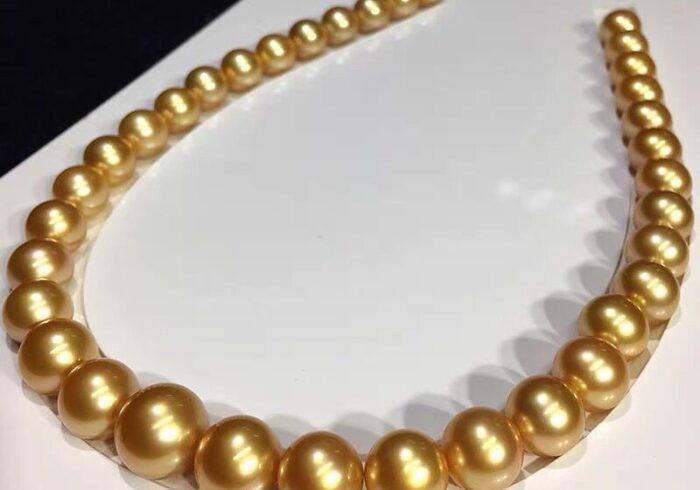
- Cultured Pearls: Most pearls on the market today are cultured, meaning they are produced through human intervention. A small bead or piece of tissue is inserted into the mollusk to stimulate pearl formation. Cultured pearls come in various types, including Akoya, Tahitian, and South Sea pearls.
- Freshwater Pearls: These pearls are produced in freshwater mussels and are often more affordable than their saltwater counterparts. Freshwater pearls come in various shapes and colors, making them a popular choice for jewelry.
The Beauty of Pearls
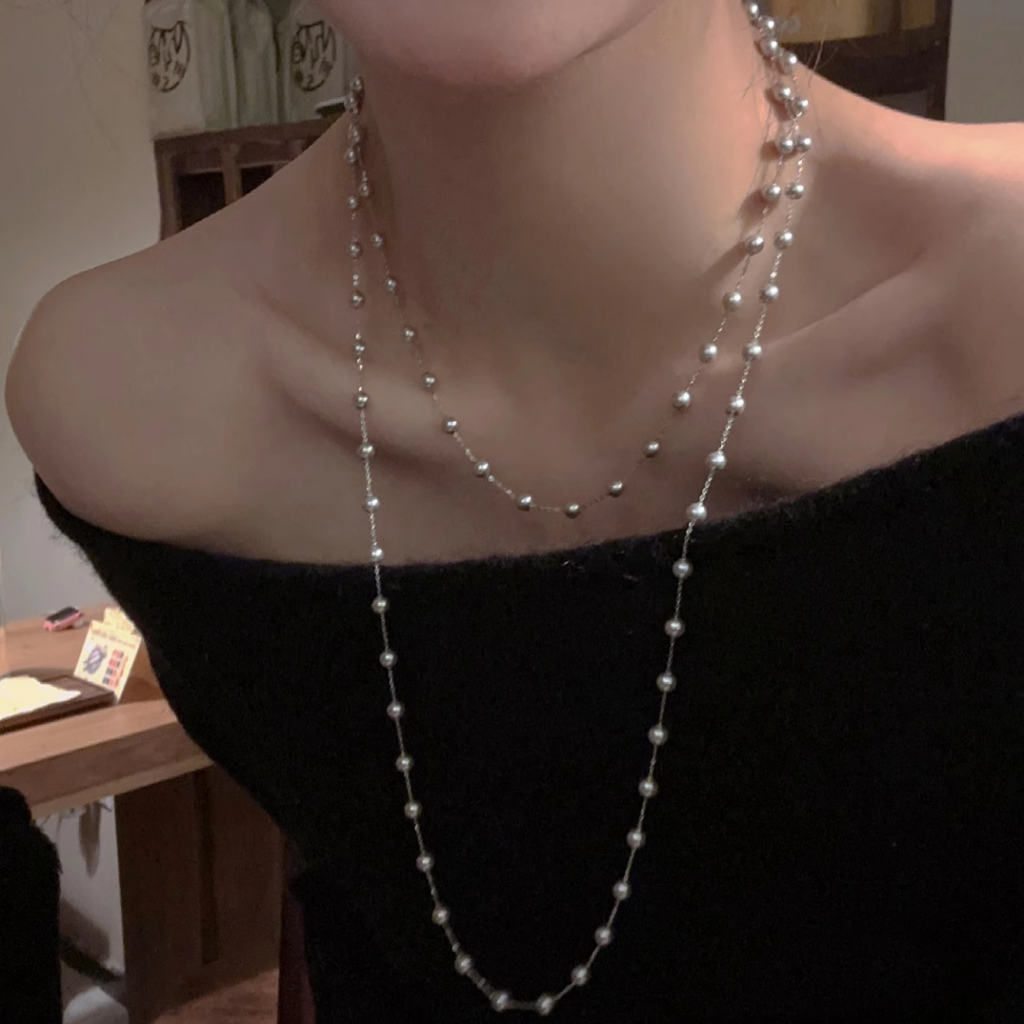
The beauty of pearls lies in their luster, which is the result of light reflecting off the layers of nacre. This luster gives pearls their characteristic shine and depth. The color of pearls can vary widely, ranging from classic white and cream to vibrant hues like pink, lavender, and black. Each pearl is unique, with its own shape, size, and surface quality, adding to its charm.
The Significance of Pearl Necklaces
A Timeless Accessory
Pearl necklaces have been worn for centuries, symbolizing elegance and refinement. They are often associated with special occasions, such as weddings, anniversaries, and formal events. The versatility of pearl necklaces allows them to be worn with various outfits, from casual to formal, making them a staple in many wardrobes.
Cultural and Historical Importance
Throughout history, pearls have held significant cultural and historical value. In ancient Rome, pearls were considered a symbol of wealth and status, often worn by nobility. In Asia, pearls have been revered for their beauty and are often associated with purity and wisdom. Today, pearls continue to be celebrated in various cultures, representing love, beauty, and sophistication.
Types of Pearl Necklaces
1. Single Strand Necklaces
Single strand pearl necklaces are classic and timeless. They typically consist of a single line of pearls, creating a simple yet elegant look. These necklaces can be worn alone or layered with other jewelry for a more contemporary style.
2. Double and Triple Strand Necklaces
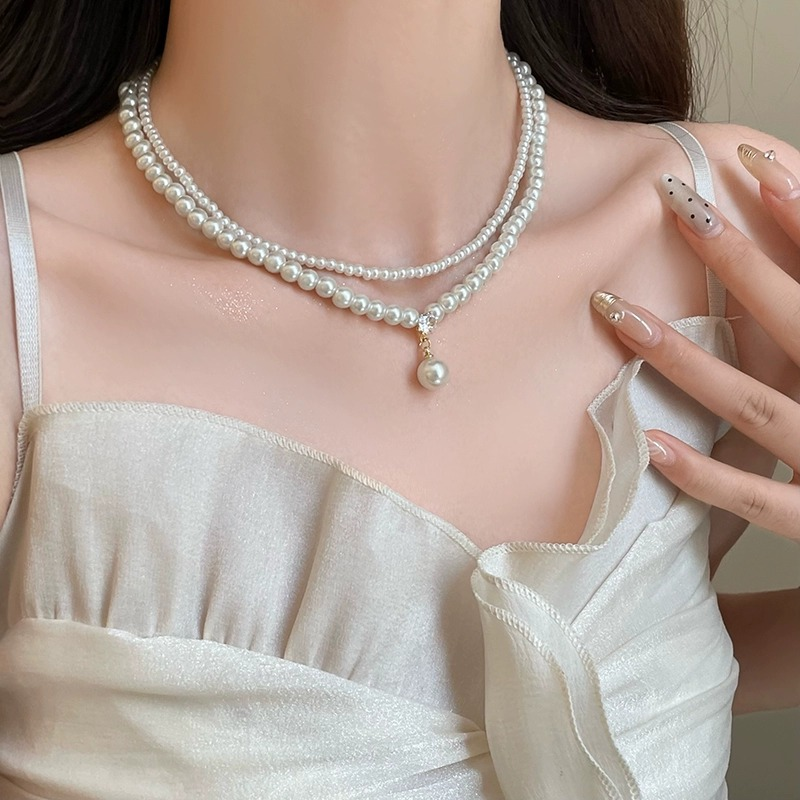
Double and triple strand pearl necklaces feature multiple strands of pearls, adding depth and dimension to the piece. These necklaces are often worn for formal occasions and can make a bold statement.
3. Choker Necklaces
Choker pearl necklaces sit snugly around the neck and are often adorned with a single pearl or a cluster of pearls. This style is perfect for showcasing the beauty of pearls while adding a modern twist to traditional designs.
4. Pendant Necklaces
Pearl pendant necklaces feature a single pearl suspended from a chain, often accompanied by decorative elements such as diamonds or gemstones. This style allows for a more personalized touch, making it a popular choice for gifts.
5. Statement Necklaces
Statement pearl necklaces are bold and eye-catching, often featuring large pearls or unique designs. These necklaces can be worn as a focal point in an outfit, adding a touch of glamour and sophistication.
Caring for Your Pearl Necklace
1. Cleaning
To maintain the beauty of your pearl necklace, it is essential to clean it regularly. Use a soft, damp cloth to wipe the pearls after each wear to remove any oils or dirt. Avoid using harsh chemicals or abrasive materials, as these can damage the nacre.
2. Storing
When not in use, store your pearl necklace in a soft pouch or a separate compartment in your jewelry box to prevent scratches. Avoid storing pearls with other jewelry, as they can be easily scratched by harder materials.
3. Avoiding Damage
To protect your pearls, avoid exposing them to perfumes, hairsprays, and other chemicals. It is best to put on your pearl necklace after applying makeup and styling products to prevent any potential damage.
4. Professional Cleaning
Consider having your pearl necklace professionally cleaned and restrung every few years, especially if you wear it frequently. This will help maintain its appearance and ensure that the pearls are securely strung.
Choosing the Right Pearl Necklace
1. Assessing Quality
When selecting a pearl necklace, consider the quality of the pearls. Look for pearls with a high luster, smooth surface, and minimal blemishes. The size and shape of the pearls can also affect the overall appearance of the necklace.
2. Understanding Lengths
Pearl necklaces come in various lengths, each offering a different look. Common lengths include:
- Choker (14-16 inches): Sits snugly around the neck.
- Princess (17-19 inches): Falls just below the collarbone, making it versatile for various necklines.
- Matinee (20-24 inches): Sits at the bust, ideal for both casual and formal wear.
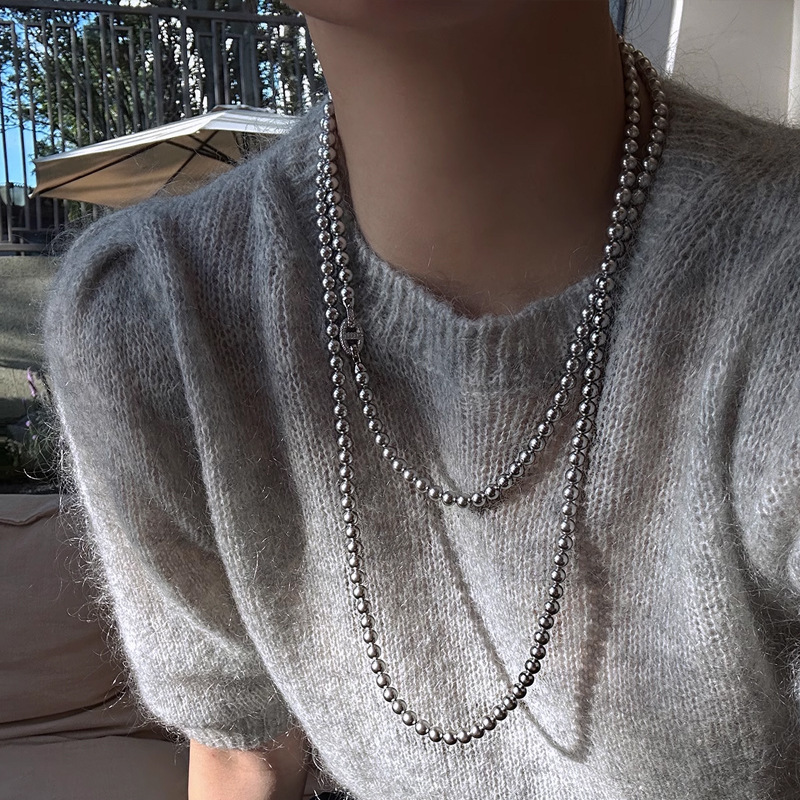
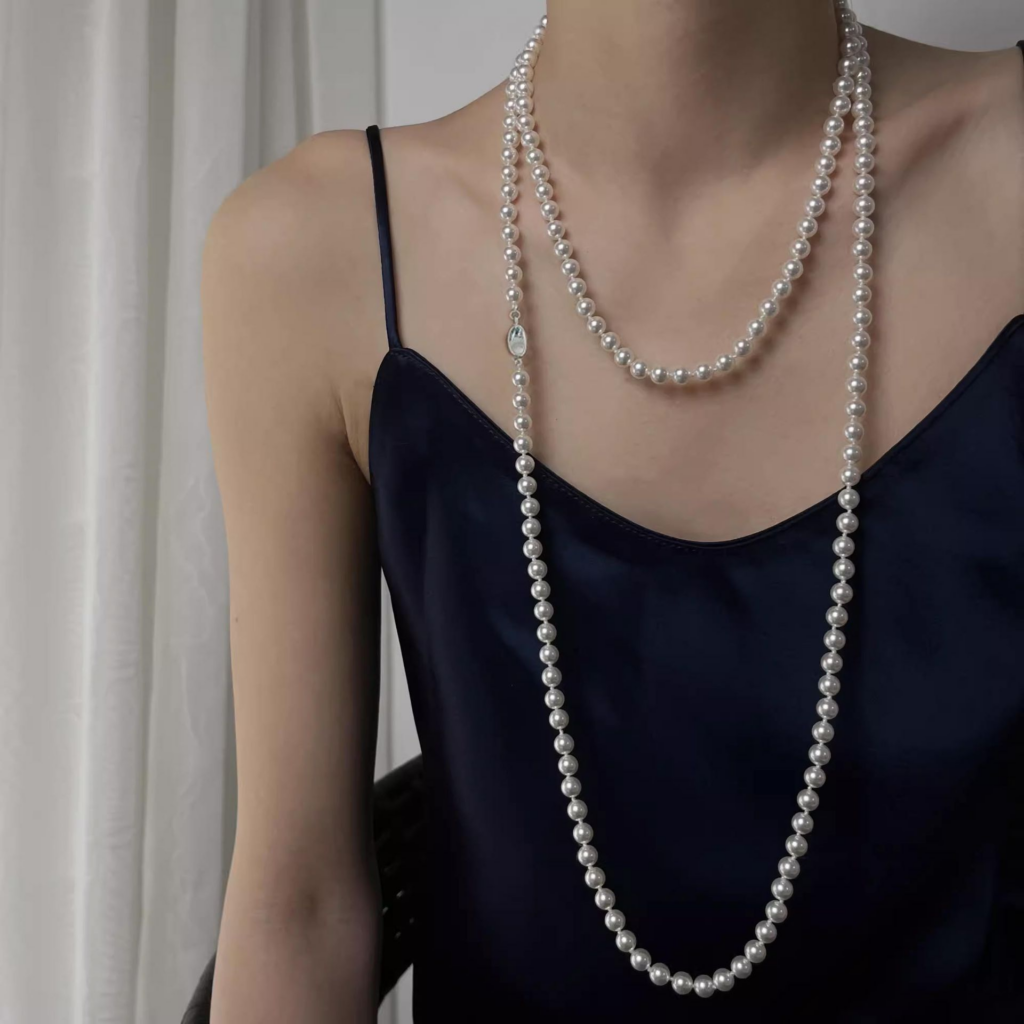
- Opera (28-34 inches): Can be worn as a single strand or doubled for a layered look.
- Rope (over 45 inches): Offers versatility in styling, allowing for various knots and layers.
3. Personal Style
Consider your personal style and how you plan to wear the necklace. A classic single strand may be perfect for everyday wear, while a statement piece may be more suitable for special occasions.
4. Budget
Pearl necklaces can vary significantly in price, depending on the type of pearls, quality, and design. Determine your budget before shopping and look for options that offer the best value for your investment.
Conclusion
Pearl necklaces are timeless pieces that add elegance and sophistication to any outfit. With their rich history and cultural significance, pearls continue to be cherished by individuals around the world. By understanding the different types of pearl necklaces, how to care for them, and how to choose the right one for your style, you can enjoy the beauty and allure of pearls for years to come.
How to purchase:Online B2B sourcing platform, China purchase, Chinese suppliers – LooperBuy
Frequently Asked Questions
1. How do I know if my pearls are real?
Real pearls have a unique luster and feel slightly cool to the touch. You can also perform a tooth test by gently rubbing the pearl against your teeth; real pearls will feel gritty, while fake pearls will feel smooth.
2. Can I wear my pearl necklace every day?
Yes, you can wear your pearl necklace daily, but be sure to clean it regularly and avoid exposing it to harsh chemicals.
3. How should I store my pearl necklace?
Store your pearl necklace in a soft pouch or a separate compartment in your jewelry box to prevent scratches and damage.
4. What is the best way to clean pearls?
Use a soft, damp cloth to wipe your pearls after each wear. Avoid using harsh chemicals or abrasive materials.
5. How often should I have my pearl necklace professionally cleaned?
It is recommended to have your pearl necklace professionally cleaned and restrung every few years, especially if you wear it frequently.
HOT TAG: pearl in a pearl necklace, types of pearl necklaces, caring for pearls, choosing pearl jewelry, pearl necklace styles, timeless elegance of pearls, maintaining pearl jewelry, pearl quality assessment, pearl necklace lengths, history of pearls.