Table of Contents
Introduction
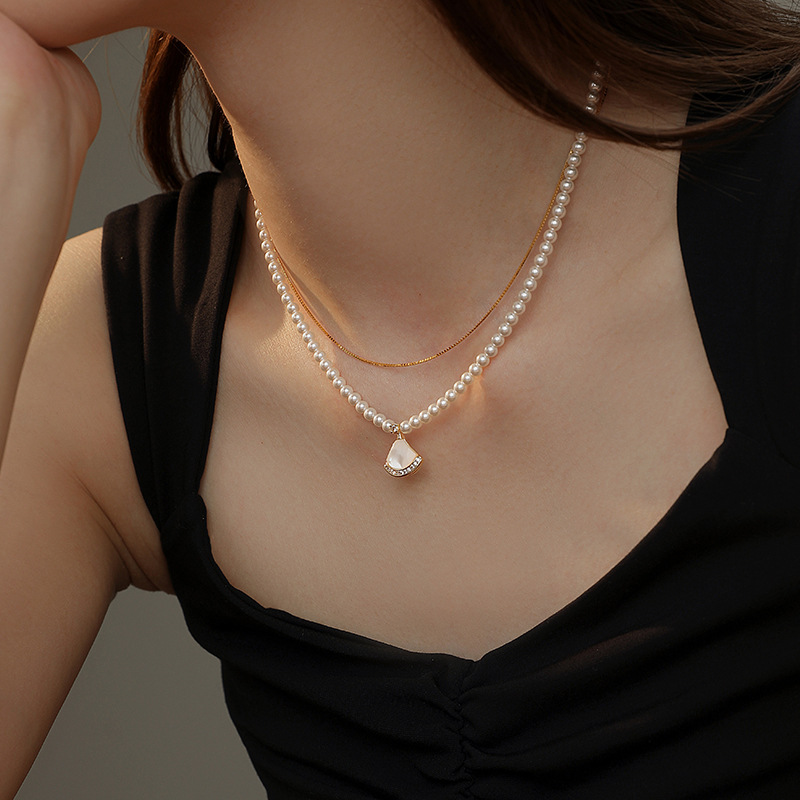
Mother of pearl necklaces have adorned necks for centuries, blending natural beauty with human craftsmanship. These gems, crafted from the iridescent lining of mollusk shells, hold a unique place in jewelry history. From ancient royal courts to modern runways, their luminous appeal continues to captivate. This article explores their cultural significance, craftsmanship secrets, styling tips, and maintenance essentials for discerning jewelry enthusiasts.
The Fascinating Origin of Mother of Pearl
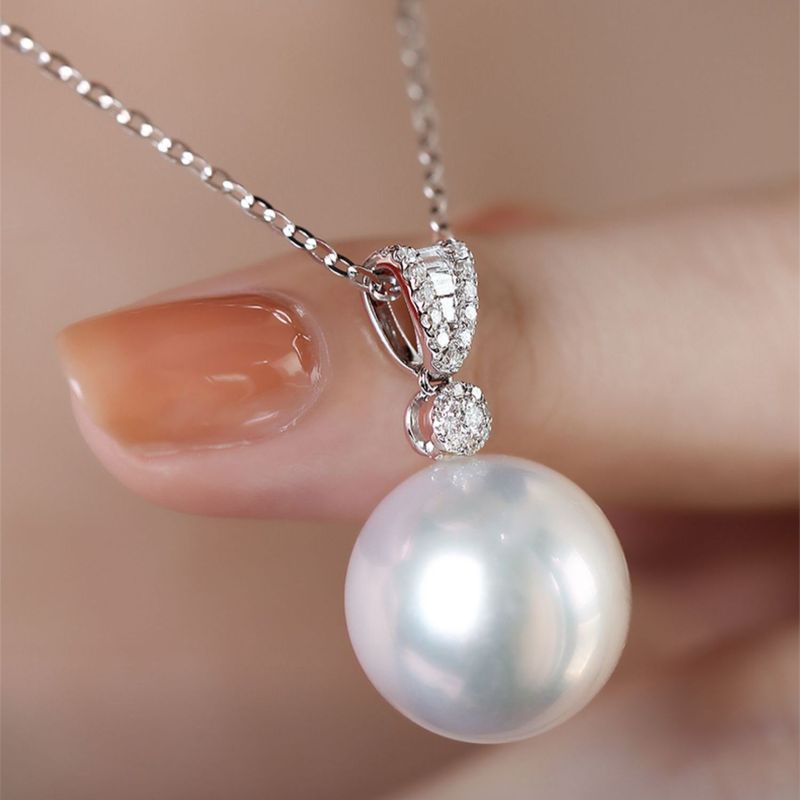
Known as nacre in gemological terms, mother of pearl forms as a protective lining in oysters, abalone, and mussels. Artisans have transformed this biological marvel into jewelry since antiquity:
- Ancient Civilizations: Mesopotamian queens wore mother of pearl amulets as early as 2300 BCE
- Maritime Trade: 15th-century sailors bartered these shells across continents
- Victorian Era: Queen Victoria popularized sentimental mother of pearl lockets
- Modern Revival: Contemporary designers experiment with geometric cuts and mixed metals
Craftsmanship Secrets Behind Exquisite Necklaces
Creating these luminous pieces requires precision and patience:
Sourcing Premium Materials
- Shell Selection: Only 10% of harvested shells meet jewelry-grade standards
- Color Grading: White, silver, and peacock hues command premium prices
- Ethical Sourcing: Brands now prioritize sustainable mollusk farming practices
Traditional Techniques Preserved
- Intarsia Inlay: Master artisans spend 40+ hours fitting shell fragments
- Guilloché Engraving: Machine-assisted patterns create light-refracting effects
- Hand Polishing: 7-stage process achieves mirror-like finishes
Styling Guide for Every Occasion
Mother of pearl’s versatility shines through diverse styling approaches:
Daytime Chic
- Layered Look: Pair a 16-inch choker with 20-inch pendant
- Casual Pairings: Combine with linen shirts or denim jackets
- Color Harmony: Complement with coral, turquoise, or jade accessories
Evening Glamour
- Statement Pieces: 24-inch sautoirs with diamond accents
- Formal Pairings: Wear with silk gowns or tailored blazers
- Metallic Mix: Pair with rose gold settings for warm complexions
Caring for Your Heirloom-Quality Piece
Proper maintenance ensures lasting beauty:
Daily Care
- Storage: Keep in velvet-lined boxes (never plastic)
- Cleaning: Use soft chamois cloth with mild soapy water
- Avoid: Hairspray, perfume, and extreme temperatures
Restoration Tips
- Professional Polishing: Every 2-3 years for plated metals
- Clasp Replacement: Opt for spring-ring or lobster claw closures
- Resizing: Limit to ±1 inch adjustments to maintain integrity
Investment Value Considerations
Mother of pearl jewelry holds surprising appreciation potential:
Collectibility Factors
- Artist Signature: Pieces by Cartier or Tiffany fetch 300%+ premiums
- Period Pieces: Art Deco and Mid-Century Modern designs dominate auctions
- Provenance: Royal or celebrity ownership multiplies value
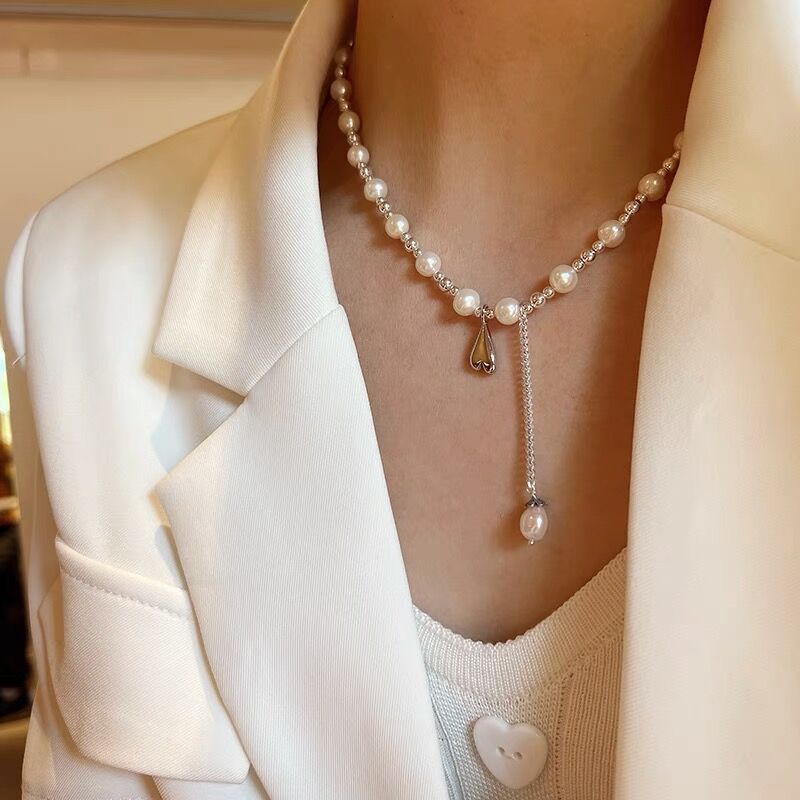
Market Trends
- Vintage Resurgence: 1970s maximalist designs up 220% since 2020
- Sustainability Premium: Eco-certified pieces command 40% more
- Custom Commissions: Bespoke designs now 15% of luxury sales
Conclusion
Mother of pearl necklaces represent more than jewelry—they are cultural artifacts and artistic achievements. By understanding their origins, craftsmanship, and care requirements, enthusiasts can make informed choices that transcend fleeting trends. Whether acquired for personal adornment or investment purposes, these luminous creations continue to inspire awe across generations.
How to Purchase:https://looperbuy.com/search?keywords=mother+of+pearl+necklace
Frequently Asked Questions About Mother of Pearl Necklaces
Q: How can I distinguish real mother of pearl from imitations?
A: Genuine pieces display surface iridescence, while fakes show uniform color. The “tooth test” (gentle scratch with fingernail) reveals powdered residue in authentic samples.
Q: What makes peacock mother of pearl more valuable?
A: Its iridescent blue-green hue results from specific cone snail species, with only 2% of shells producing this coloring.
Q: Can I wear my necklace while swimming?
A: Chlorine and saltwater damage nacre. Remove before swimming and showering.
Q: How often should I have my necklace restrung?
A: Silk threads require annual restringing, while nylon lasts 2-3 years. Check for fraying every 6 months.
Q: What’s the difference between cultured and natural mother of pearl?
A: Cultured varieties come from farmed mollusks, while natural pieces derive from wild shells. Both share identical composition and durability.
Hot Tags: Mother Of Pearl Necklace; Pearl Jewelry Care; Luxury Necklace Brands; Handmade Pearl Jewelry; Sustainable Jewelry Trends; Vintage Pearl Restoration; Custom Jewelry Design; Ethical Pearl Sourcing; Bridal Pearl Necklaces; Pearl Investment Guide