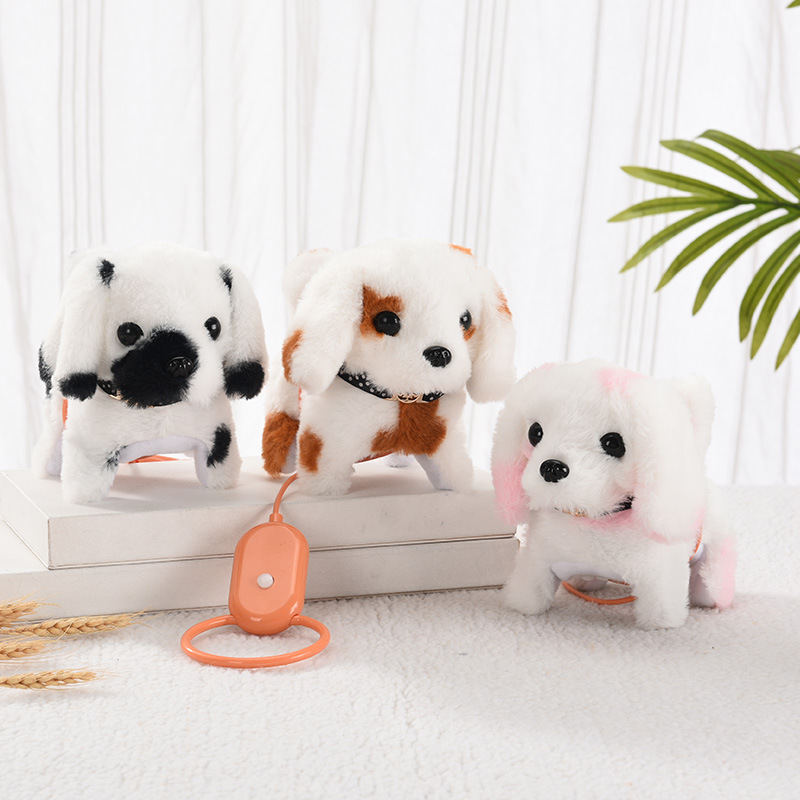
The bond between humans and their canine companions is one of the oldest and most profound relationships in history. This connection has transcended the boundaries of the physical world and entered the realm of the symbolic through the creation of the puppy dog plush toy. Far more than a mere plaything for children, these soft, fabric-based recreations of man’s best friend serve as anchors of emotional stability, icons of nostalgia, and versatile tools for psychological comfort across all age groups. In an increasingly digital and often isolating world, the tactile presence of a puppy dog plush toy offers a tangible sense of warmth that high-tech gadgets simply cannot replicate.
Table of Contents
The Emotional Architecture of Plush Companionship
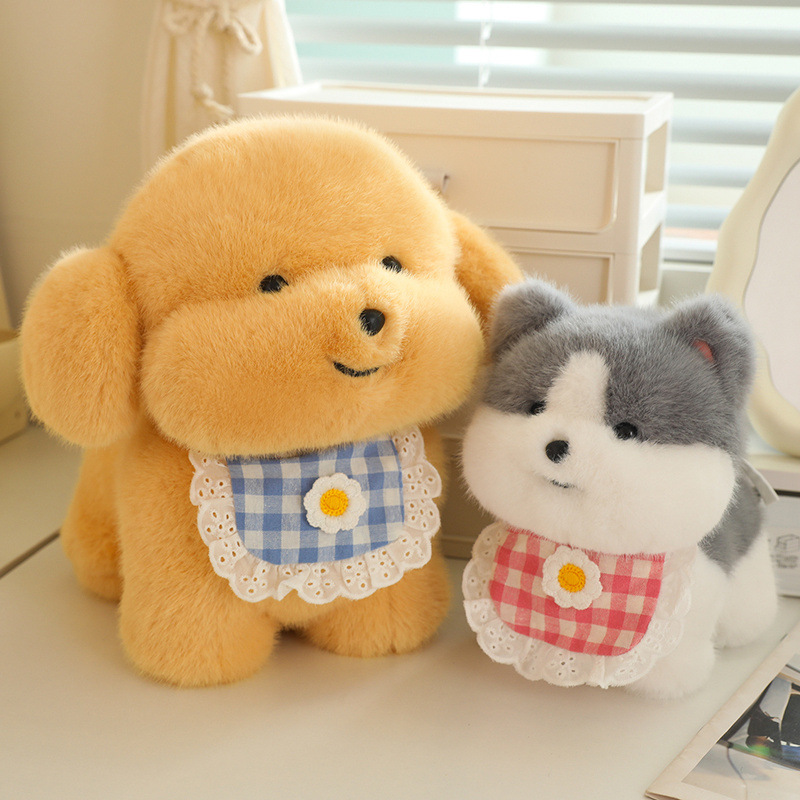
To understand why a puppy dog plush toy holds such a unique place in the human heart, one must look at the sensory architecture of the object itself. The soft fur, often made from advanced synthetic fibers like polyester or faux mink, triggers an immediate tactile response that signals safety to the brain. For a young child, this object is often their first “transitional object,” a term coined by psychoanalyst Donald Winnicott to describe an item that helps a child navigate the journey from total dependence on a caregiver to independence. The plush toy acts as a bridge, providing a consistent presence when the parent is absent.
For adults, the emotional architecture shifts but remains equally significant. In the modern era, the “kidult” phenomenon has seen a surge in adults purchasing high-quality plush toys for themselves. This is not a sign of immaturity but rather a sophisticated coping mechanism for stress. Hugging a soft object has been shown to release oxytocin, the “cuddle hormone,” which naturally lowers cortisol levels and induces a state of relaxation. The puppy dog plush toy, with its associations of loyalty and unconditional love, is the perfect vessel for this emotional exchange.
A Historical Perspective: From Felt to Fiberfill
The evolution of the puppy dog plush toy mirrors the history of the industrial revolution and the changing views of childhood. While children in ancient times played with rudimentary dolls made of wood or rags, the plush toy as we know it began to take shape in the late 19th century. Early pioneers in the industry, such as the German company Steiff, revolutionized the market by using mohair and felt to create realistic animal figures. While the “Teddy Bear” became an overnight sensation in the early 1900s, canine designs followed closely behind, capturing the likeness of popular breeds of the era like the Scottish Terrier and the Wire Fox Terrier.
As manufacturing techniques improved, the materials became softer and more accessible. The mid-20th century saw the introduction of synthetic stuffings, which replaced the heavier wood wool and excelsior used in earlier models. This made the toys lighter, more huggable, and easier to clean. By the 1980s and 90s, the “plushie” culture exploded with the introduction of bean-filled toys and highly stylized, cartoon-like puppies that focused more on “cuteness” (kawaii culture) than anatomical realism. Today, we sit at the intersection of these two paths, where consumers can choose between a puppy dog plush toy that looks like a museum-grade taxidermy piece or one that looks like a whimsical creature from a storybook.
The Versatility of the Puppy Dog Plush Toy in Child Development
Children use plush toys as more than just comfort items; they use them as tools for social and cognitive development. When a toddler engages in imaginative play with a puppy dog plush toy, they are practicing empathy. They might “feed” the toy, put it to bed, or scold it for “misbehaving.” These actions are the building blocks of social interaction. By projecting emotions onto the toy, children learn to identify and regulate their own feelings.
Furthermore, these toys serve as a safe audience for a child’s early linguistic efforts. Many children will “read” to their puppy plush or tell it about their day. Because the toy provides a non-judgmental, silent presence, it encourages the child to experiment with words and narrative structure without the fear of correction. In educational settings, therapists often use a puppy dog plush toy to help children open up about difficult topics, as the child might find it easier to speak “through” the toy than to address an adult directly.
The Psychology of Adults and Plushies: Breaking the Stigma
There has long been a social stigma surrounding adults who collect or sleep with stuffed animals, but modern psychology is beginning to dismantle these misconceptions. Research indicates that many adults use a puppy dog plush toy as a “therapeutic anchor” during periods of transition, such as moving to a new city, starting a high-stress job, or grieving a loss. The toy represents a stable, unchanging piece of their history, providing a sense of continuity in a chaotic world.
In some clinical settings, weighted puppy dog plush toys are used to assist individuals with sensory processing disorders or high levels of anxiety. The added weight provides deep pressure stimulation, which can help ground a person during a panic attack or help them achieve deeper sleep. The canine form is particularly effective here because the “dog” is globally recognized as a protector. Having a “guardian” at the foot of the bed or on the sofa can provide a psychological layer of security that helps the individual relax their guard.
Anatomy of a High-Quality Puppy Dog Plush Toy
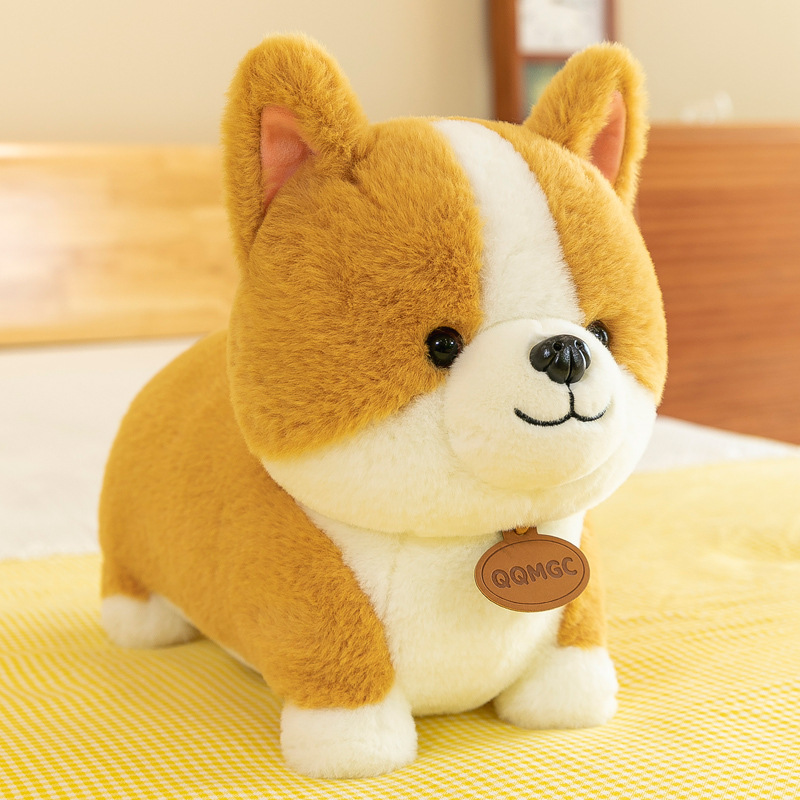
When selecting the perfect puppy dog plush toy, discerning buyers look at several key factors that define quality and longevity. The exterior “skin” of the toy is the most important element for tactile satisfaction. High-end brands use “luxury faux fur,” which is densely woven to prevent shedding and is treated to be flame-retardant. The interior, or “stuffing,” can range from recycled polyester fibers to memory foam or even small plastic pellets (often called “beans”) that give the toy a satisfying weight and floppiness.
The facial features are what give the puppy dog plush toy its “soul.” Safety eyes, usually made of durable plastic or glass, are securely fastened with a washer to ensure they cannot be pulled out by curious children. However, many traditionalists prefer embroidered eyes, which provide a softer look and eliminate any potential choking hazard. The nose is another critical detail—it might be a hard plastic “safety nose,” a soft felt patch, or even a leather-like material to mimic the damp nose of a real puppy. The level of detail in the stitching, such as the wrinkles around the snout or the “paws” on the feet, often separates a mass-produced toy from a collector’s item.
Breed Diversity: Finding Your Favorite Canine Representative
One of the most appealing aspects of the puppy dog plush toy market is the sheer variety of breeds available. Manufacturers have recognized that people have strong emotional ties to specific types of dogs. For instance, a Golden Retriever plush toy is often the top choice for those looking for a “classic” family dog look, representing friendliness and warmth. On the other hand, a Corgi plush toy might appeal to those who love the “stubby” and quirky aesthetic that has become a staple of internet meme culture.
Specific breeds often carry specific symbolic meanings. A German Shepherd plush toy might be chosen for a child of a military or police family, representing strength and loyalty. A Poodle plush toy, with its distinctive “fur” textures, offers a more high-fashion or artistic appeal. Some companies even offer “custom” plush services, where they create a puppy dog plush toy based on a photograph of a customer’s actual pet. This allows grieving pet owners to have a lasting, huggable memorial of their departed companion, bridging the gap between a generic toy and a personal heirloom.
Sustainability and the Future of the Plush Industry
As the world becomes more environmentally conscious, the puppy dog plush toy industry is undergoing a green transformation. Traditional polyester is a petroleum-based product that can take hundreds of years to decompose. In response, many innovative companies are now producing toys made from 100% recycled plastic bottles (rPET). These eco-friendly puppies look and feel exactly like their traditional counterparts but have a significantly lower carbon footprint.
Beyond materials, the ethics of manufacturing are coming under closer scrutiny. Consumers are increasingly looking for brands that guarantee fair labor practices and use non-toxic dyes. The “slow plush” movement, similar to “slow fashion,” encourages buying fewer, higher-quality toys that are designed to last a lifetime rather than being discarded after a few months. This shift ensures that the puppy dog plush toy remains a symbol of love and care, not just for the recipient, but for the planet as well.
Maintenance and Care: Keeping Your Puppy Fresh
To ensure that a puppy dog plush toy remains a companion for years, proper care is essential. Over time, the fibers of the fur can trap dust, allergens, and oils from human skin. While some toys are labeled “machine washable,” many experts recommend hand-washing to preserve the integrity of the stuffing and the softness of the fur. A gentle soak in lukewarm water with a mild detergent is usually sufficient.
For toys that have lost their “fluff,” a quick blast with a hairdryer on the “cool” setting while gently brushing the fur with a soft-bristled brush can work wonders. If the toy has a mechanical component (like a barker or a moving tail), it should never be submerged in water; instead, surface cleaning with a damp cloth is the way to go. Minor “surgeries,” such as fixing a loose seam or reattaching a ribbon, can be done with a simple needle and thread, further strengthening the bond between the owner and their furry friend as they “heal” the toy.
Conclusion: The Enduring Legacy of the Furry Friend
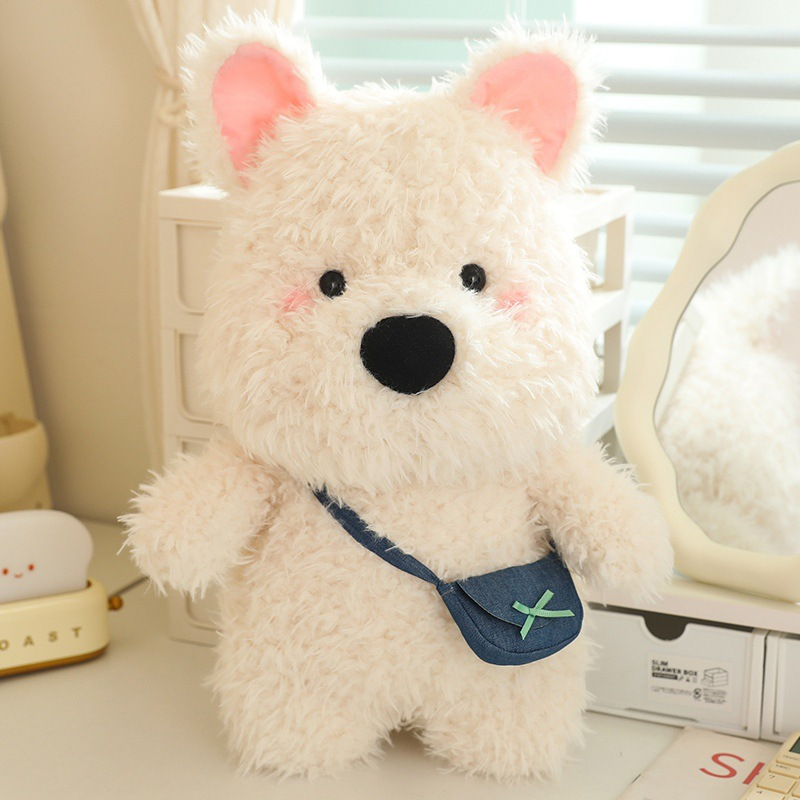
The puppy dog plush toy is a testament to our enduring need for comfort, companionship, and a touch of whimsy in our lives. From the nursery to the nursing home, these soft creatures provide a silent, steady presence that calms the mind and warms the heart. They are more than just fabric and stuffing; they are vessels for our memories and symbols of the unconditional love that dogs bring into our lives. Whether it is a gift for a newborn or a self-care purchase for a stressed adult, the puppy dog plush toy remains a timeless icon of the human experience, reminding us that no matter how old we get, we never truly outgrow the need for a hug.
How to purchase:Online B2B sourcing platform, China purchase, Chinese suppliers – LooperBuy
Frequently Asked Questions
1. Are puppy dog plush toys safe for newborns?
While many plush toys are designed for children, newborns have specific safety requirements. Parents should ensure the toy has no small parts, like plastic eyes or buttons, that could become choking hazards. It is often recommended to choose toys with embroidered features for babies under twelve months. Additionally, the American Academy of Pediatrics suggests keeping all soft objects out of the crib during sleep to reduce the risk of SIDS.
2. Why do adults feel an emotional connection to their plush toys?
The emotional connection stems from the brain’s response to tactile comfort and nostalgic anchoring. For many adults, a plush toy represents a time of safety and simplicity. Psychologically, these objects can serve as “transitional objects” that provide comfort during times of stress, anxiety, or loneliness. The physical act of hugging the toy releases oxytocin, which helps regulate emotions.
3. How can I tell if a puppy dog plush toy is high quality?
Look for several indicators of quality: the density and softness of the fur, the sturdiness of the seams, and the security of the safety features like eyes and noses. High-quality toys often have a balanced weight and use premium stuffing that doesn’t clump over time. Additionally, check the labels for information on materials; toys made with non-toxic, eco-friendly, or luxury fabrics typically indicate a higher standard of production.
4. Can a puppy dog plush toy help with anxiety?
Yes, many people find that plush toys are effective tools for managing anxiety. The tactile sensation of the soft fur provides a grounding effect, helping to distract the mind from racing thoughts. Weighted plush toys, in particular, provide deep pressure therapy which can lower the heart rate and promote a sense of calm. They are often used by therapists to help patients with sensory processing issues.
5. What is the best way to clean a delicate plush toy?
The best method is usually spot cleaning or hand-washing. Use a bowl of lukewarm water with a small amount of gentle baby shampoo. Dip a soft cloth or toothbrush into the suds and gently scrub the fur. Avoid submerging the toy if it has internal electronic components or delicate materials like silk. To dry, wrap the toy in a clean towel to squeeze out excess moisture and then air dry it away from direct sunlight.
HOT TAG: puppy dog plush toy, stuffed animals, comfort toys, child development, adult anxiety relief, emotional support toys, plushie collection, toy maintenance, sustainable toys, plush toy history, pet memorials, gift ideas for kids, soft toys for adults, therapeutic plush, breed specific plush, luxury stuffed animals, nursery decor, eco-friendly toys, plush toy care, childhood nostalgia.