Red silk dresses have long transcended mere fashion—they are symbols of passion, power, and timeless beauty. From ancient palaces to modern red carpets, this iconic garment has woven itself into the fabric of cultural history, embodying both luxury and emotion. This article explores the rich heritage, design nuances, and enduring appeal of red silk dresses, offering insights into how they remain a staple in every woman’s wardrobe.
Table of Contents
A Historical Tapestry: Red Silk Dresses Through the Ages
Red silk’s journey begins in ancient civilizations, where it was revered as a luxury fabric. In China, silk production dates back to 2700 BCE, with red dye extracted from cochineal insects or madder plants, symbolizing luck and prosperity. By the Han Dynasty (202 BCE–220 CE), red silk robes were reserved for nobility, signifying status and authority.
In Europe, red silk gained prominence during the Renaissance, when sumptuary laws restricted its use to aristocrats. Queens and courtesans donned vibrant red gowns to assert their influence, while artists like Botticelli immortalized red silk in portraits of Venus and other mythological figures. Fast-forward to the 20th century: Hollywood’s golden age cemented red silk dresses as symbols of glamour, with icons like Marilyn Monroe and Audrey Hepburn wearing them to captivate audiences on and off the screen.

Design & Material: The Science of Silk and the Art of Red
What makes a red silk dress unforgettable? It’s the marriage of material and craftsmanship.
Silk: Nature’s Luxury Fiber
Silk is produced by silkworm larvae, which spin cocoons from a protein fiber called fibroin. This natural material is prized for its:
- Softness: Silken to the touch, it drapes elegantly without stiffness.
- Luster: The triangular prism structure of silk fibers reflects light, creating a luminous sheen.
- Durability: Despite its delicate appearance, high-quality silk is strong and resilient when cared for properly.
The Chemistry of Red
Red dyeing is an art form. Traditional methods use natural dyes (e.g., cochineal, safflower, or madder), while modern techniques employ synthetic dyes for vibrant, long-lasting color. The shade of red—whether bold crimson, deep burgundy, or soft rose—depends on the dye used and the fabric’s base tone. For example, “Chinese red” (a bright, orange-red) is achieved with cinnabar, while “royal red” often uses alizarin.
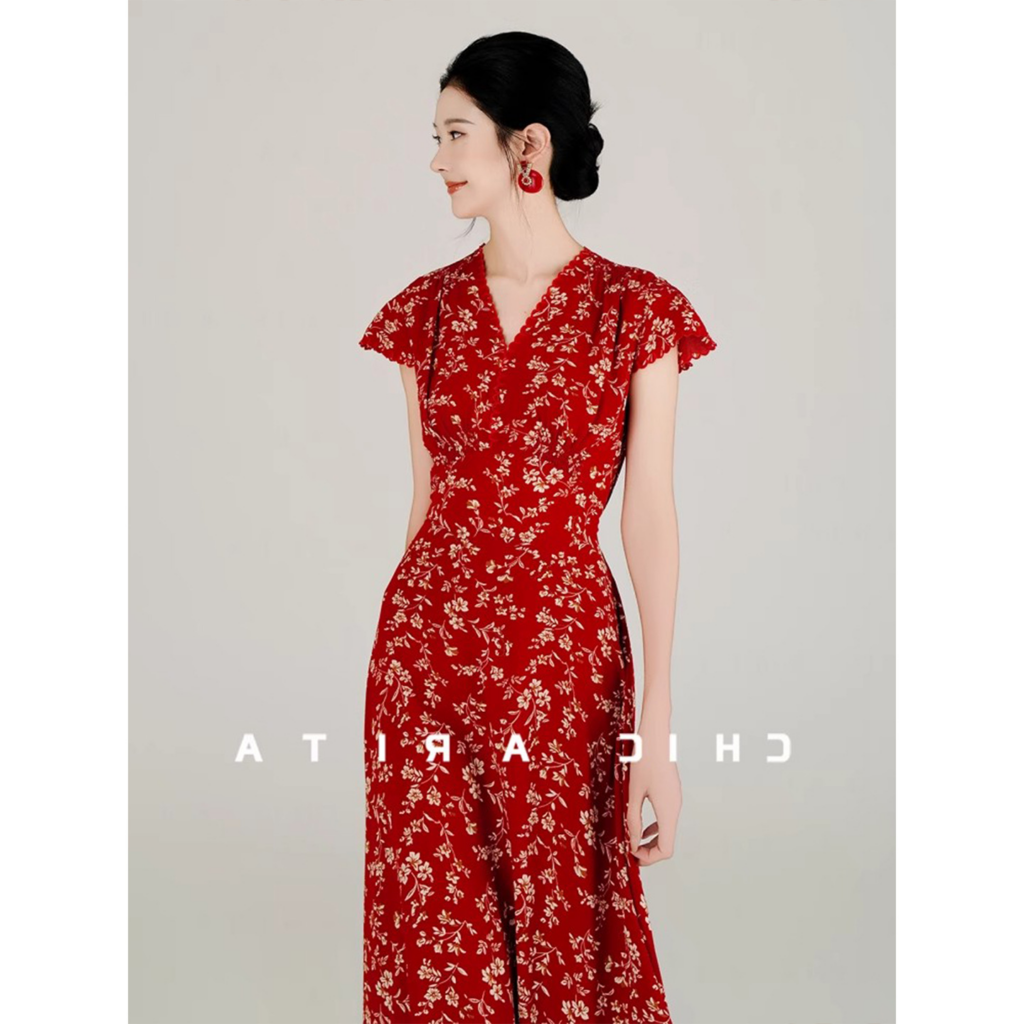
Red Silk Dresses: A Versatile Wardrobe Essential
Red silk dresses are more than just formal attire—they adapt to diverse occasions, from weddings to cocktail parties, and even casual outings with the right styling.
Formal Elegance: Weddings & Galas
For weddings, a red silk gown exudes romance and sophistication. Pair it with pearl jewelry, elbow-length gloves, and strappy heels for a classic look. At galas, opt for floor-length gowns with intricate embroidery or beading to stand out under chandeliers.
Cocktail Chic: Evening Soirees
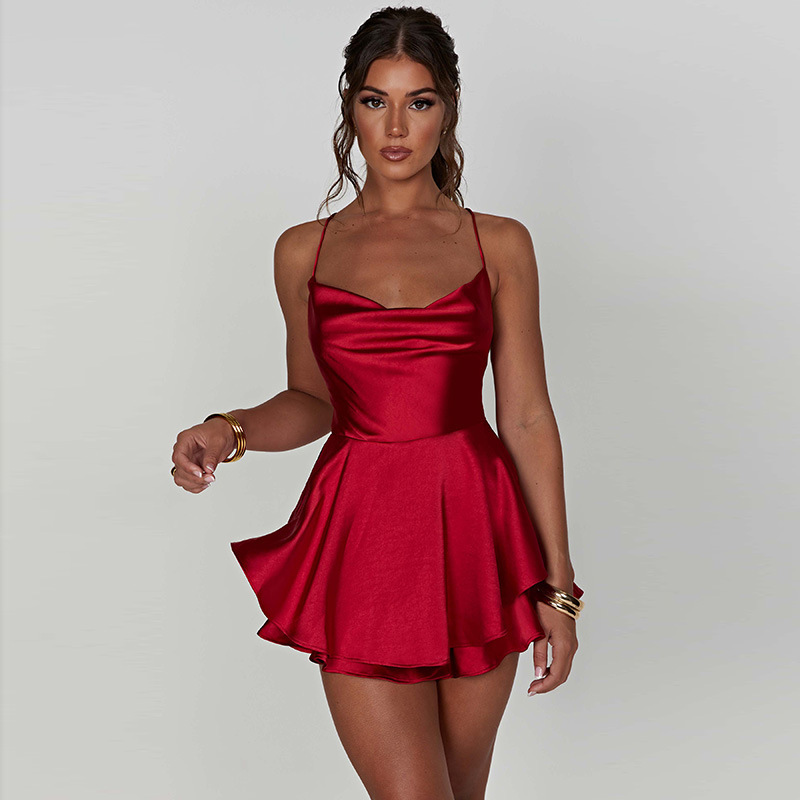
A knee-length or midi red silk dress is perfect for cocktail events. Choose a fitted silhouette with a V-neck or off-the-shoulder neckline, and accessorize with statement earrings and a sleek clutch. The fabric’s flow ensures you move with grace, turning heads at every turn.
Casual Cool: Brunch & Errands
Yes, red silk can be everyday wear too. A shorter, relaxed-fit dress in a soft red hue pairs beautifully with sneakers, a denim jacket, or a wide-brim hat. Add minimal jewelry to keep it fresh and approachable.
Caring for Your Red Silk Dress: Preservation Tips
Silk is delicate, but with proper care, your red silk dress can last for decades.
Cleaning
- Dry Clean Only: Most silk dresses require professional dry cleaning to avoid shrinking or color fading. Check the care label first.
- Spot Cleaning: For minor stains, use a mild silk-specific cleaner or a damp cloth with a drop of dish soap. Blot gently—never rub.
Storage
- Fold, Don’t Hang: Hanging silk can stretch the shoulders. Fold it neatly in a breathable storage bag or on a shelf.
- Cool, Dark Place: Store in a closet or under-bed box, away from direct sunlight (which fades red) and moisture.
Wearing
- Layer Wisely: Avoid wearing rough fabrics (like wool) against silk, as they can snag the fibers.
- Avoid Perfume Stains: Apply perfume to your skin, not your dress, to prevent discoloration.
Conclusion
Red silk dresses are more than garments—they are heirlooms of style, woven with history, luxury, and emotion. Whether worn to a wedding, a gala, or a casual brunch, they embody confidence and timeless beauty. By understanding their care and styling potential, you can ensure your red silk dress remains a cherished piece in your wardrobe for years to come.
How to purchase: https://looperbuy.com/search?keywords=red+silk+dress&globalType=1688
Frequently Asked Questions
Q1: What shade of red is most flattering for my skin tone? A: Warm skin tones (olive, golden) look stunning in coral or terracotta reds. Cool skin tones (pink, rosy) shine in berry or brick reds. Neutral tones work with almost any red.
Q2: Can I machine-wash a red silk dress? A: No—machine washing can damage silk fibers and cause color bleeding. Always opt for professional dry cleaning or hand-washing with gentle detergents.
Q3: How do I remove wrinkles from a silk dress? A: Use a steamer on low heat, holding it 6–8 inches away from the fabric. Avoid ironing directly on silk, as it can scorch the material.
Q4: Are red silk dresses only for formal occasions? A: No—modern styling (e.g., pairing with sneakers or a denim jacket) makes red silk versatile for casual outings. The key is to balance the dress’s formality with relaxed accessories.
Q5: How long does a high-quality red silk dress last? A: With proper care, a well-maintained silk dress can last 10–20 years. Avoid harsh chemicals and store it correctly to preserve its luster.
Hot Tags: red silk dress, silk dress care, elegant red dresses, historic silk dresses, modern silk fashion, silk dress styling, red dress occasions, luxury silk fabric, timeless fashion pieces, silk dress history