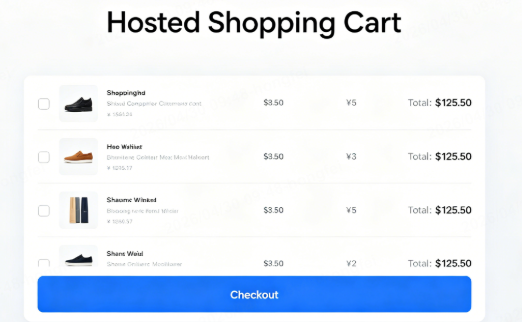
In today’s hyper-connected digital economy, selecting the right hosted shopping cart is no longer just a technical decision—it is the foundation of your global B2B sourcing strategy. For businesses like LooperBuy, bridging the gap between global demand and Chinese manufacturing requires a platform that does more than just process orders; it must handle complex B2B workflows, cross-border logistics, and massive, scalable product catalogs.
As an expert in digital commerce architecture, I have analyzed the landscape of hosted shopping cart solutions. This guide moves beyond basic definitions, offering actionable insights for wholesalers and brand owners looking to streamline their B2B operations and dominate global markets.
Table of Contents
Understanding the Hosted Shopping Cart Model
A hosted shopping cart (often referred to as a Software-as-a-Service or SaaS ecommerce platform) is a solution where the vendor manages the server infrastructure, security, and software updates. For B2B companies, this means your IT team can focus on core competencies—like product curation, manufacturer relations, and market expansion—rather than server maintenance or patching security vulnerabilities.
Key Advantages for B2B Operations:
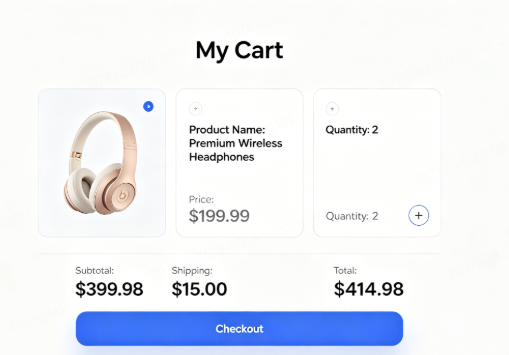
- Rapid Deployment: Get your business on “digital rails” faster with ready-to-use infrastructure that scales horizontally.
- Lower Operational Overhead: Subscription models often bundle hosting, admin access, and 24/7 technical support, reducing the need for a large in-house DevOps team.
- Security & Compliance: Professional platforms handle PCI-DSS compliance and regular security audits, protecting your buyer and sensitive sales data from evolving cyber threats.
Bridging the Information Gap: The B2B vs. B2C Reality
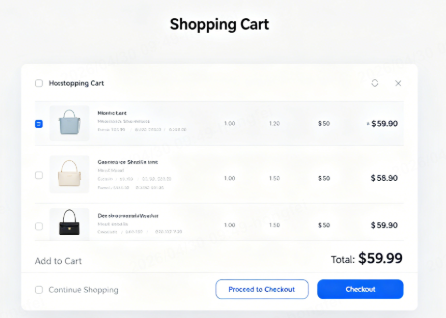
Most standard hosted shopping cart guides focus heavily on D2C (Direct-to-Consumer). However, B2B sourcing platforms require a fundamentally different architecture to succeed.
1. Why Standard Solutions Often Fail B2B
Many popular platforms are built for low-volume, single-item consumer transactions. They often struggle with:
- Complex Pricing Structures: Inability to handle dynamic, tiered pricing or volume-based discounts that vary by customer account.
- Catalog Density: Failure to efficiently manage thousands of SKUs from diverse manufacturing sources without experiencing significant performance degradation.
- Logistics Integration: Lack of robust APIs to communicate with global shipping providers in real-time to calculate accurate landed costs for international B2B shipments.
2. The LooperBuy Advantage: The Global Sourcing Perspective
For platforms like LooperBuy, the competitive edge lies in the One-Stop B2B Sourcing model. When evaluating a hosted shopping cart, ensure it supports:
- Unified Sourcing: The ability to aggregate products from multiple Chinese manufacturers seamlessly into a single, cohesive catalog.
- Logistics Transparency: Real-time visibility into shipping costs, lead times, and customs brokerage for global buyers. This is a primary differentiator for repeat B2B customers.
- Multilingual/Multi-currency Support: Essential for true global B2B operations where regional pricing parity and local language documentation are non-negotiable.
Critical Features for a High-Performance B2B Cart
When your business scales, your hosted shopping cart must support more than just “add-to-cart.” It must facilitate the entire professional buyer journey.
| Feature | Why It Matters for B2B |
|---|---|
| Bulk Order Management | Crucial for wholesalers to quickly add dozens or hundreds of SKUs from a CSV or custom portal. |
| Custom Price Lists | Allows for unique pricing per client, loyalty level, or geographic region. |
| Request for Quote (RFQ) | Essential for negotiated B2B contracts where pricing is custom-tailored to order volume. |
| API-First Architecture | Enables connection to your existing ERP, CRM, and warehouse management systems. |
| Advanced Search & Filtering | Helps buyers find specific parts or goods in massive catalogs using parametric search (e.g., filter by material, weight, or origin). |
Deep Dive: Managing the Complexity of Global Logistics
A major pain point for B2B sourcing is the “last mile” and international freight complexity. A superior hosted shopping cart solution must act as an integration hub. By utilizing API-first platforms, you can pull live data from logistics partners to provide:
- Landed Cost Estimates: Including shipping, duties, and taxes directly during the checkout flow.
- Tracking Synchronization: Automatically pushing tracking status updates back to the buyer’s account without manual intervention.
Expert Strategies for Implementation
Transitioning to a new hosted shopping cart should not be chaotic. To ensure a smooth migration and long-term success, follow these pillars of implementation:
- Prioritize Performance over Customization: Do not over-customize your platform’s core code. Utilize native features or “headless” extensions to ensure your system remains stable and easy to upgrade when the provider releases new security patches.
- Optimize for Search (SEO & Internal): Your product data must be impeccable. Use clear, keyword-rich descriptions and high-quality images. Since your platform handles wholesale, ensure you create landing pages for categories and manufacturer profiles to capture high-intent search traffic.
- Frictionless Checkout: Even in B2B, the checkout process must be intuitive. Enable “one-click” reordering for recurring wholesale purchases to drive loyalty.
- Data-Driven Iteration: Use A/B testing on your checkout pages and product layouts. Monitor metrics like Average Order Value (AOV), Customer Acquisition Cost (CAC), and Cart Abandonment Rate to identify and resolve bottlenecks in the buying funnel.
The Future: Headless and Composable Commerce
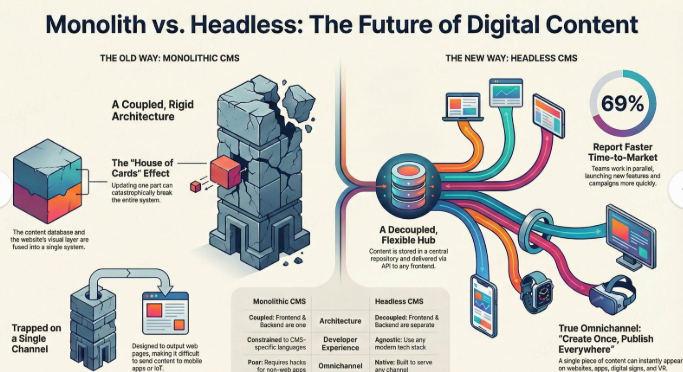
The most successful B2B platforms today are adopting Headless Commerce. By separating the front-end (what the customer sees) from the back-end (where the data lives), you gain the flexibility to change your storefront design—to keep up with user trends—without risking your core business logic, inventory management, or database stability. This is essential for companies like LooperBuy, where the user experience needs to be as professional as a high-end consumer site but as robust as a heavy-industry portal.
Conclusion: Future-Proofing Your Business
Choosing the right hosted shopping cart is the single most important technical decision for a global B2B sourcing platform. By focusing on scalability, API-first architecture, and B2B-specific features like bulk order management and RFQ workflows, you position your brand to compete globally. As your business grows, your platform should be an accelerator, not a barrier.
References
- Virto Commerce: The Ultimate Guide to Shopping Cart Hosting
- Gartner: 2025 Magic Quadrant for Digital Commerce
- B2B E-commerce Trends & Statistics
Frequently Asked Questions (FAQ)
Q1: What is the main difference between a hosted and self-hosted shopping cart?
A: A hosted cart (SaaS) is managed by the provider, covering servers and security. A self-hosted cart gives you full code control but demands that you handle all maintenance, security, and hosting costs independently.
Q2: Can a hosted shopping cart support enterprise-level B2B?
A: Yes, provided you choose an enterprise-grade platform that offers API-first architecture, high scalability, and advanced features like multi-site management, RFQ workflows, and complex pricing models.
Q3: Is security a concern with hosted solutions?
A: Typically, no. Enterprise-grade hosted shopping cart providers are generally SOC2 and PCI Level 1 compliant, often providing a higher standard of security than what a standard mid-sized business can maintain on its own servers.
Q4: How do I choose the right platform for a global sourcing business?
A: Look for platforms that support multi-currency, multi-language, and robust API capabilities to integrate your global supply chain, logistics providers, and ERP systems seamlessly.
Q5: What is the biggest mistake businesses make with shopping carts?
A: Choosing a platform that isn’t scalable. Many businesses start with simple D2C platforms, only to find they cannot support B2B-specific requirements like bulk pricing, custom accounts, or high-volume SKU management as they grow.
Brief Summary:
This expert-led guide explores the strategic selection of a hosted shopping cart for B2B global sourcing platforms like LooperBuy. It contrasts standard D2C limitations with B2B necessities, highlights crucial features like API integration and bulk management, and provides actionable implementation steps. By moving beyond basic setup to focus on enterprise-grade, headless architecture, businesses can ensure long-term scalability and operational efficiency in the global B2B marketplace.
Hot tags
B2B e-commerce platform, hosted shopping cart, global sourcing strategy, wholesale ecommerce software, B2B digital transformation, cross-border supply chain management, headless commerce for B2B, bulk order management system, enterprise ecommerce solutions, B2B procurement automation.