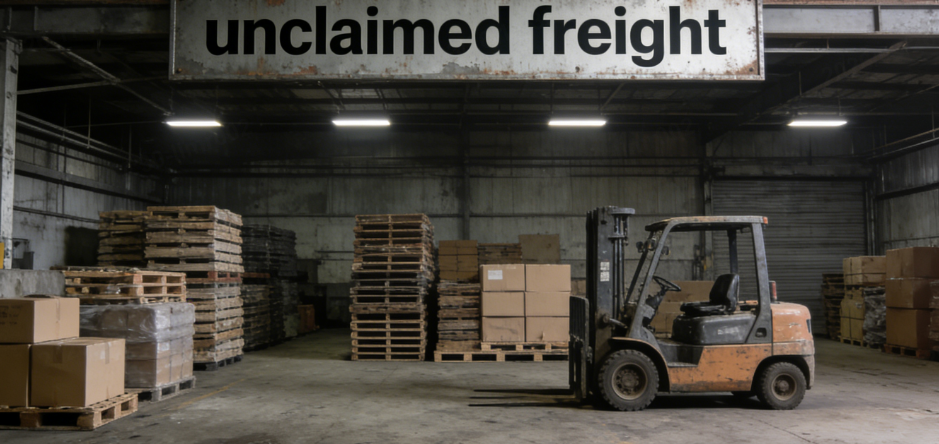
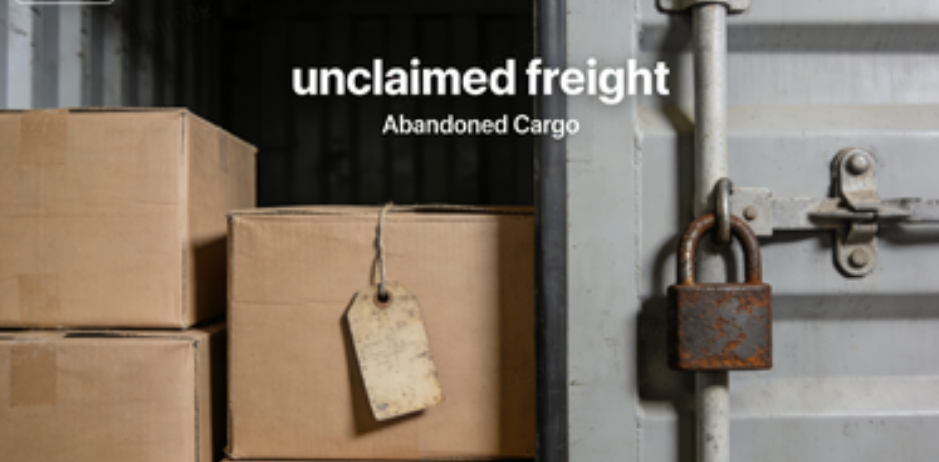
The concept of unclaimed freight has long been the “holy grail” for bargain hunters and discount retailers across the globe. From the sprawling warehouses of the American Midwest to the bustling liquidation markets of Europe, the allure of acquiring high-quality furniture, electronics, and home goods at a fraction of their original cost is undeniable. Traditionally, this market relied on the unpredictable nature of logistics—abandoned shipping containers, insurance settlements, and overstock from major retail chains. However, as we enter 2026, the landscape of the secondary market is undergoing a radical shift.
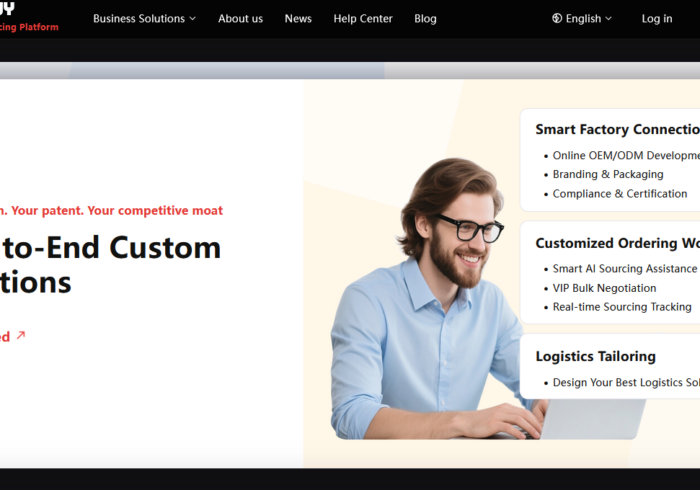
For professional brand owners, large-scale wholesalers, and furniture manufacturers, the traditional “treasure hunt” model of local liquidation is no longer sufficient to sustain a scalable business. To remain competitive in an era of razor-thin margins and rapid consumer trend cycles, savvy operators are moving beyond the local warehouse and embracing One-Stop B2B Sourcing Platforms like LooperBuy. By connecting directly with the world’s manufacturing hub in China, businesses can now replicate the “unclaimed freight” price point with the consistency, variety, and quality control of a primary supply chain.
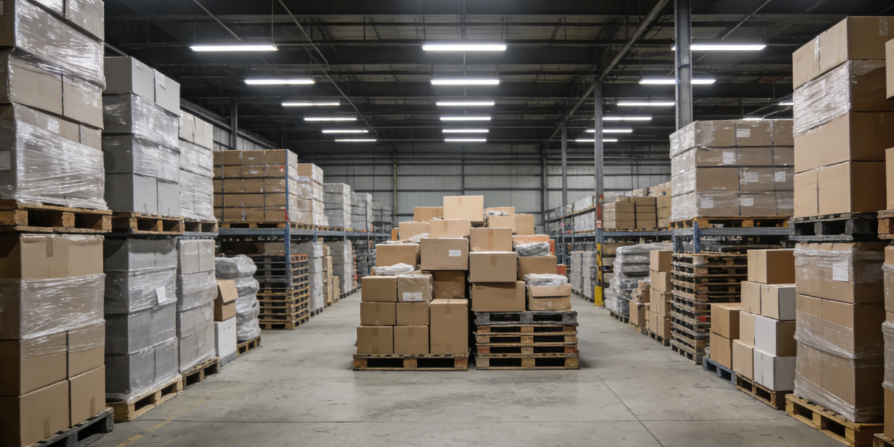
Table of Contents
The Anatomy of the Unclaimed Freight Market: Why It Matters to B2B Buyers
To master the market of unclaimed freight, one must first understand the economic mechanics that create these opportunities. In the world of global commerce, “unclaimed” doesn’t necessarily mean unwanted. It often represents a breakdown in the logistical or financial chain—a missed payment, a rejected shipment due to minor packaging damage, or a strategic liquidation to clear warehouse space for new seasons.
The Economic Opportunity of Abandoned Cargo
Every year, millions of dollars worth of cargo are left at ports or distribution centers. When a consignee fails to take delivery, the shipping line or the port authority eventually auctions off the contents to recover storage costs. For a B2B buyer, this represents a unique entry point into high-value inventory. However, the randomness of these auctions makes it impossible to build a consistent brand. This is where the wholesale China online shopping model steps in, offering the same liquidation-level pricing but on a “made-to-order” basis.
Consumer Psychology and the “Liquidation” Brand
The modern consumer is increasingly value-conscious but remains brand-aware. Retailers who can market their goods as “unclaimed freight” or “liquidation specials” tap into a powerful psychological trigger: the fear of missing out (FOMO) on a one-time deal. By sourcing directly from China via a platform like LooperBuy, businesses can maintain this “high-value, low-cost” brand identity while ensuring that their best-selling SKUs are always in stock.
Comparative Analysis: Local Liquidation vs. Global Digital Sourcing
While local unclaimed freight outlets offer the advantage of immediate proximity, they fail to meet the needs of a growing enterprise. For a wholesaler looking to supply multiple regions or a brand owner trying to establish a signature style, the limitations of “what’s in the warehouse today” are a significant hurdle.
Inventory Consistency and Scalability
In a local liquidation scenario, if a particular leather sectional sofa sells out, it may be months—or years—before a similar “unclaimed” item appears. In contrast, using a global B2B sourcing platform allows for infinite scalability. You can identify a high-performing product and order 500 units directly from the factory, ensuring your marketing efforts aren’t wasted on a one-off item.
Quality Assurance and the “As-Is” Risk
Perhaps the greatest drawback of traditional unclaimed freight is the “as-is” nature of the purchase. Most liquidation sales offer no warranties and limited return policies. By shifting to a professional B2B platform, you gain access to Institutional-Grade Quality Control. LooperBuy, for instance, provides third-party inspection services that verify the integrity of the goods before they even leave the factory floor in China.
| Feature | Local Unclaimed Freight | LooperBuy (B2B Sourcing) |
|---|---|---|
| Price Point | 40-60% off MSRP | 60-80% off MSRP (Factory Direct) |
| Product Origin | Random / Unknown | Verified Manufacturers |
| Customization | None | OEM/ODM Available |
| Shipping | Local / Self-Pickup | Global Door-to-Door |
| Risk Level | High (No Warranty) | Low (Inspected & Guaranteed) |
Mastering the China Sourcing Corridor: The Expert Approach
Sourcing from China is the ultimate way to achieve unclaimed freight pricing on a mass scale. However, doing it successfully requires more than just finding a vendor on a website. It requires a strategic understanding of manufacturing clusters and the “Landed Cost” of goods.
Leveraging Specialized Manufacturing Clusters
Expert B2B buyers don’t just search for “furniture”; they search for “Foshan Furniture Clusters.” China’s manufacturing power is divided into regions:
- Guangdong (Foshan/Guangzhou): The global center for high-end furniture and home decor.
- Zhejiang (Ningbo/Hangzhou): Dominant in hardware, tools, and household appliances.
- Jiangsu: A leader in textiles and high-quality bedding.
By targeting these clusters through a one-stop platform, you ensure that you are buying from the same factories that produce for top-tier global brands, but at a fraction of the cost.
The “Landed Cost” Calculation: Avoiding Hidden Fees
The true price of an item isn’t the factory quote; it’s the Total Landed Cost. This includes the unit price plus ocean freight, rail transport, customs duties, and “last-mile” delivery to your warehouse. A professional platform like LooperBuy provides transparent logistics calculators that help B2B buyers understand exactly what their margin will be before they commit to an order.
The Logistics of Value: From Factory Floor to Your Warehouse
One of the biggest advantages of unclaimed freight of mn or similar regional models was the simplicity of local logistics. To compete with this, a global B2B platform must offer “Convenient Global Logistics” that feels as simple as a domestic delivery.
Intermodal Connectivity and the Midwest Hub
For businesses located in inland regions like Minnesota or the broader Midwest, shipping often seems like the biggest obstacle. The modern solution involves Intermodal Rail Transport. Goods arrive at West Coast ports (like Long Beach or Prince Rupert) and are moved via rail to major inland hubs like Chicago or the Twin Cities. By using LooperBuy’s consolidated shipping options, even smaller wholesalers can benefit from the low rates typically reserved for massive corporations.
Simplifying Customs and Regulatory Compliance
The complexity of US Customs and Border Protection (CBP) can be a deterrent for many. However, a “One-Stop” platform handles the heavy lifting of Compliance Management. This includes ensuring that furniture meets formaldehyde emission standards (CARB/TSCA Title VI) and that textiles are properly labeled. This professional oversight eliminates the risk of goods being seized at the border—a common fate for unverified “unclaimed” cargo.
Deep Dive: Enhancing the B2B User Experience (UX)
In 2026, the success of a B2B platform depends on how efficiently it can help a buyer move from “discovery” to “delivery.” The user experience must be optimized for speed, trust, and data-driven decision-making.
Visual Verification and Digital Showrooms
Because B2B buyers cannot always travel to China, the platform must provide a “high-fidelity” visual experience. This includes 360-degree product views, factory walk-through videos, and high-resolution “unboxing” photos from previous quality inspections. This transparency builds the trust necessary to place large-scale orders without physical proximity.
Predictive Analytics for Inventory Management
The next generation of sourcing platforms uses AI to analyze market trends. For a retailer who specialized in unclaimed freight, the platform can suggest “Next-Gen” products that are currently trending in the liquidation market but are available for direct purchase. This allows the buyer to be proactive rather than reactive, securing the next “hot” item before the competition even knows it exists.
Sustainability: The New Frontier of the Secondary Market
As consumers become more eco-conscious, the “unclaimed freight” model is being viewed through a new lens. Is it sustainable to have abandoned cargo sitting in ports? The modern answer is “Zero-Waste Sourcing.”
The “Green” Factory Initiative
Many of China’s leading manufacturers are pivoting to sustainable practices. By using a platform that filters for ISO 14001 or LEED-certified factories, B2B buyers can market their goods as “Ethically Sourced Alternatives to Liquidation.” This adds a layer of value that traditional unclaimed freight simply cannot match.
Reducing Carbon Footprints Through Consolidation
Consolidated shipping isn’t just a cost-saving measure; it’s an environmental one. By filling shipping containers to capacity and using rail instead of long-haul trucking where possible, the carbon footprint per item is significantly reduced. This is a powerful selling point for modern brands looking to appeal to the “conscious consumer.”
Strategic Implementation: A Step-by-Step Guide for Wholesalers
Transitioning from a local liquidation model to a global sourcing strategy requires a disciplined approach.
- Identify Your “Hero” Products: Look at your historical unclaimed freight sales data. Which categories had the highest turnover? Was it mid-century modern sofas or industrial shelving?
- Source the Direct Equivalent: Use the LooperBuy search engine to find the factory-direct equivalent of your top sellers. Filter for factories with a high “Trust Score” and verified export history.
- Order a Controlled Sample: Before committing to a full container, order a “Sample Batch” to test the quality and the logistics timeline.
- Leverage Professional Inspections: Never skip the pre-shipment inspection. It is your insurance policy against defects.
- Scale with Consolidated Logistics: Once the quality is verified, move to larger orders using FCL (Full Container Load) or LCL (Less than Container Load) consolidation to maximize your margins.
The Future of B2B Sourcing: A Conclusion
The era of relying solely on the luck of the unclaimed freight draw is coming to an end. While the spirit of the discount warehouse—high quality at low prices—will always remain a cornerstone of the retail industry, the methods of achieving it have been permanently transformed by digital technology. Today, a business in Minnesota or any other corner of the globe can command a world-class supply chain with the click of a button.
By integrating the factory-direct power of wholesale China online shopping with the comprehensive services of a One-Stop B2B Sourcing Platform, brand owners and wholesalers are no longer limited by what they can find in a local liquidation bin. They are empowered to design, source, and scale their own empires. The future of commerce is global, it is direct, and it is more accessible than ever before. For those ready to move beyond the “unclaimed” and toward the “strategic,” the opportunities for growth are limitless.
References & Industry Sources
- Statista: US Furniture & Home Furnishing Market Size and Growth Forecast.
- World Bank: China’s Manufacturing and Export Performance Indicators.
- U.S. Customs and Border Protection: Formal Entry and Import Requirements for Commercial Goods.
- Logistics Management: Intermodal Transportation Trends for 2025-2026.
- The Lacey Act: Guidelines for Wood and Timber Product Imports.
Related Questions & Answers
· How can I find reputable unclaimed freight suppliers online?
While you can search for local liquidators, the most reputable way to get “unclaimed” prices is to use a One-Stop B2B Sourcing Platform like LooperBuy. This allows you to bypass the risk of unverified local sellers and deal directly with the source. These platforms vet their manufacturers, providing a level of security that random liquidation auctions cannot offer. Always look for “Verified Supplier” badges and check their historical transaction data.
· Is the quality of furniture from China comparable to local unclaimed freight?
In many cases, the quality is superior. Local unclaimed freight often consists of items that were returned or damaged during domestic transit. By sourcing directly from a top-tier factory in China, you are getting brand-new, factory-sealed goods that have undergone professional quality inspections. Most major US furniture brands manufacture in the same Chinese hubs (like Foshan), so you are essentially getting the same quality without the brand markup.
· What are the typical shipping times from China to a warehouse in the Midwest?
For sea freight, you should generally plan for a 35-50 day window. This includes roughly 20-25 days for the ocean crossing, and another 10-15 days for customs clearance and intermodal rail transport to a hub like Chicago or Minneapolis. While this is longer than picking up from a local freight warehouse, the significant cost savings and the ability to order in bulk usually outweigh the wait time.
· Can I customize products when sourcing through a B2B platform?
Yes, this is one of the biggest advantages over traditional liquidation. Most manufacturers on B2B platforms offer OEM (Original Equipment Manufacturer) and ODM (Original Design Manufacturer) services. This means you can add your own branding, change the materials, or adjust the dimensions to better suit your local market. You aren’t just buying “unclaimed” goods; you are building your own unique brand.
· What happens if the goods I receive are damaged or not as described?
When you use a professional platform, you are protected by “Trade Assurance” or escrow payment systems. Your payment is held by the platform and only released to the seller once you have verified the shipment. If the goods are damaged or don’t meet the pre-agreed specifications, you can file a dispute for a refund or replacement. This level of protection is virtually non-existent in the traditional “unclaimed freight” auction market.
Article Abstract:
This comprehensive guide redefines the unclaimed freight market for the 2026 B2B landscape. It explores how wholesalers and brand owners can transition from unpredictable local liquidation to a high-margin, factory-direct sourcing model using platforms like LooperBuy. The article provides expert insights into the China manufacturing corridor, the logistics of the US Midwest, and the importance of data-driven quality control in building a scalable retail empire.
Hot Tags:
Unclaimed Freight Sourcing; B2B E-commerce Strategies; China Wholesale Market; Global Supply Chain Optimization; Factory Direct Furniture; Wholesale Home Goods; Liquidation Retail Trends; International Logistics Solutions; B2B Procurement Platforms; Import Export Compliance.