As any parent knows, the world of children’s toys is filled with delightful surprises and, unfortunately, some truly annoying creations. While toys are meant to entertain and educate, some can drive parents to the brink of madness. This article explores the most annoying children’s toys, their characteristics, and why they can be so bothersome. We will also provide tips for managing these toys in your home, ensuring that playtime remains enjoyable for both kids and parents.
Table of Contents
Understanding the Appeal of Annoying Toys
Why Do Kids Love Annoying Toys?
Children are naturally drawn to toys that stimulate their senses. Bright colors, loud sounds, and interactive features can captivate a child’s attention. However, these same features often contribute to the annoyance factor for parents. Toys that make noise or require constant attention can quickly become overwhelming in a household.
The Psychology Behind Annoying Toys
From a psychological perspective, children are often attracted to toys that provide immediate gratification. Toys that make sounds or have moving parts can create excitement and engagement. This is particularly true for younger children, who may not yet understand the concept of moderation. As a result, parents may find themselves inundated with incessant noise and chaos.
The Top Contenders for Most Annoying Children’s Toys
1. Talking Baby Walker
The talking baby walker is a classic example of an annoying toy. While it is designed to help toddlers learn to walk, the incessant chatter and music can quickly become grating. The toy often features phrases that repeat endlessly, making it a source of frustration for parents trying to maintain a peaceful environment. The cheerful voice and catchy tunes may initially seem charming, but after the hundredth repetition, parents may find themselves wishing for a mute button.
2. Slime Kits
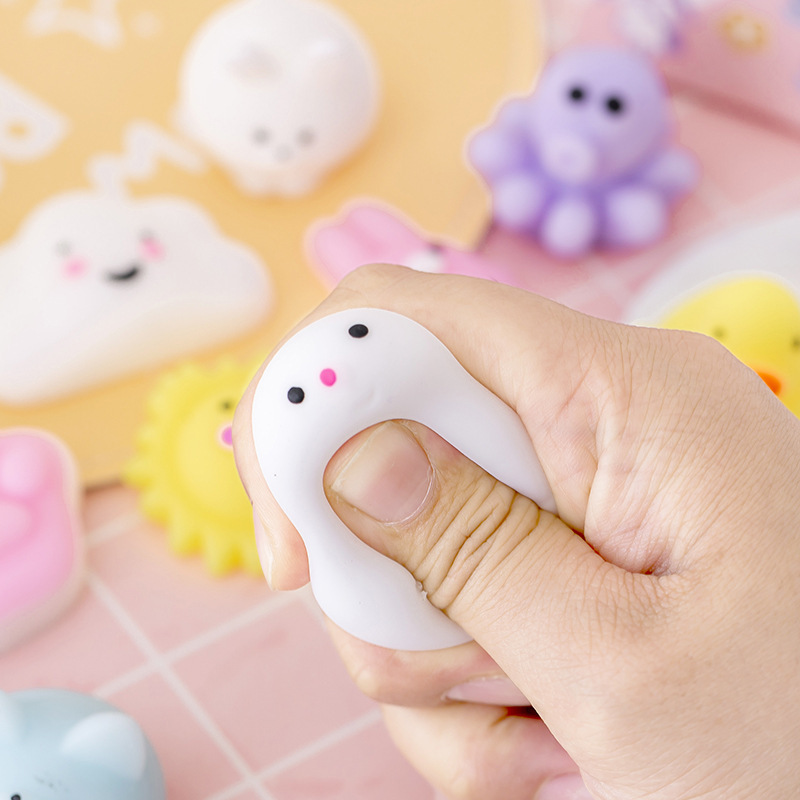
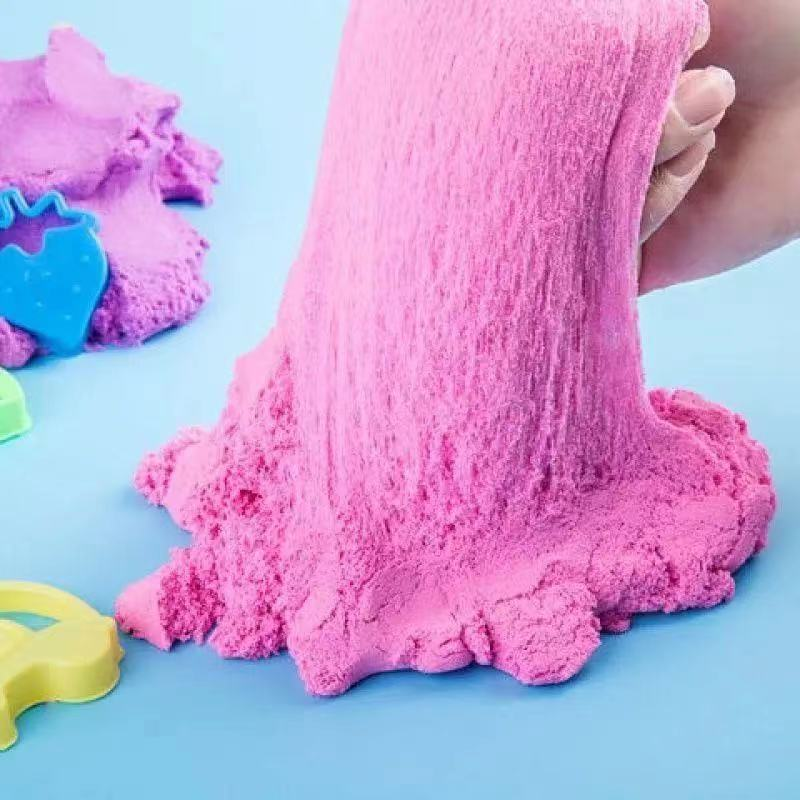
Slime has become a popular trend among children, but the mess it creates can be a parent’s nightmare. Not only does slime often end up on carpets and furniture, but the noise of children squishing and stretching it can be equally annoying. Additionally, the potential for slime to dry out and become unusable adds to the frustration. Parents often find themselves cleaning up after slime play, which can lead to arguments about where and when it can be used.
3. Musical Instruments
While introducing children to music is important, some musical toys can be excessively loud and chaotic. Instruments like toy drums, keyboards, and maracas can create a cacophony that is hard to endure. The joy of music can quickly turn into a headache for parents who are trying to enjoy a quiet moment. Furthermore, children may not have the self-awareness to recognize when they are being too loud, leading to further frustration.
4. Bubble Machines
Bubble machines can provide hours of entertainment for kids, but they can also be a source of annoyance. The constant whirring noise and the need for constant refills can make bubble machines a hassle for parents. Additionally, the mess of soap and bubbles can lead to slippery floors and sticky surfaces. While children may delight in chasing bubbles, parents often find themselves cleaning up the aftermath.
5. Tickle Me Elmo
This iconic toy is known for its infectious laughter and playful phrases. However, the repetitive nature of its responses can become tiresome. Parents often find themselves wishing for a volume control or a way to turn it off after the first few giggles. The toy’s ability to elicit laughter from children is undeniable, but the constant noise can be overwhelming in a quiet household.
6. Ant Farms
While ant farms can be educational, they can also be quite depressing. Watching ants scurry around in a confined space can be less than thrilling for children, and the maintenance required can be a burden for parents. The novelty often wears off quickly, leaving behind a neglected habitat. Parents may find themselves cleaning up after the ants or dealing with the disappointment of a failed ant farm.
7. Fidget Spinners
Initially hailed as a stress-relief tool, fidget spinners quickly became a source of annoyance in many households. The constant spinning and clicking can be distracting, especially in quiet settings like classrooms or during family meals. While they may provide some sensory stimulation for children, the noise and movement can be disruptive to others.
8. Remote-Controlled Cars
Remote-controlled cars can provide excitement, but they often lead to chaos. The constant crashing and the need for batteries can be frustrating for parents. Additionally, the noise of the cars zooming around can disrupt the peace of the home. Children may become overly excited, leading to rough play and potential damage to furniture or walls.
9. Glitter Slime
Similar to regular slime, glitter slime adds an extra layer of annoyance. The sparkles can get everywhere, and cleaning up glitter is notoriously difficult. The combination of mess and noise makes glitter slime a top contender for annoying toys. Parents may find themselves vacuuming up glitter long after the slime has been put away.
10. Karaoke Machines
Karaoke machines can be a fun way for kids to express themselves, but the noise level can be overwhelming. The combination of off-key singing and loud music can quickly turn a fun family activity into a headache-inducing experience. Parents may find themselves wishing for a volume control or a way to limit the duration of karaoke sessions.
The Impact of Annoying Toys on Family Dynamics
Stress and Frustration
The presence of annoying toys can lead to increased stress and frustration within the family. Parents may feel overwhelmed by the constant noise and mess, leading to tension in the household. Children may not understand why their favorite toys are causing problems, leading to conflicts and misunderstandings.
Communication Breakdown
Annoying toys can also contribute to communication breakdowns between parents and children. Parents may become frustrated and raise their voices to be heard over the noise, while children may not understand the need for quieter play. This can lead to a cycle of miscommunication and frustration.
Quality Time
The presence of annoying toys can detract from quality family time. Instead of enjoying activities together, families may find themselves divided by noise and chaos. Parents may retreat to quieter spaces, leaving children to play alone with their noisy toys. This can lead to feelings of isolation and disconnection within the family.
Strategies for Managing Annoying Toys
Setting Boundaries
One effective way to manage annoying toys is to set clear boundaries around their use. Designate specific times for playing with noisy toys, such as during playdates or outdoor activities. This can help minimize disruptions during quieter times. For example, parents might allow musical instruments during designated playtime but encourage quieter activities during family meals or study time.
Creating a Toy Rotation System
Implementing a toy rotation system can also help reduce the annoyance factor. By limiting the number of toys available at any given time, you can keep playtime fresh and exciting while minimizing the chaos. Store away particularly annoying toys for a few weeks before reintroducing them. This can create a sense of novelty and excitement when the toys are brought back out.
Encouraging Creative Play
Encouraging children to engage in creative play can help divert their attention from annoying toys. Provide them with art supplies, building materials, or outdoor games that promote imaginative play. This can lead to more peaceful playtime and reduce reliance on noisy toys. For instance, setting up a craft station with paper, markers, and glue can inspire creativity and keep children engaged without the noise.
Teaching Responsibility
Teaching children to take care of their toys can also help manage the annoyance factor. Encourage them to clean up after playtime and to be mindful of the noise levels when using certain toys. This can foster a sense of responsibility and respect for their belongings. Parents can model this behavior by demonstrating how to clean up and organize toys after playtime.
Establishing Quiet Zones
Creating designated quiet zones in the home can provide a refuge from noisy toys. These areas can be equipped with books, puzzles, and other quiet activities that encourage calm play. By establishing these zones, parents can provide children with alternatives to noisy toys while promoting a peaceful environment.
Using Technology Wisely
In today’s digital age, many toys come with apps or electronic components. Parents can use technology to their advantage by selecting toys that offer educational content without excessive noise. Look for toys that promote learning through interactive play without overwhelming sounds. This can help strike a balance between engagement and peace.
The Role of Communication in Managing Annoying Toys
Open Dialogue
Maintaining open communication with children about the impact of their toys is essential. Parents can explain why certain toys may be annoying and encourage children to express their feelings about their toys. This dialogue can help children understand the need for quieter play and foster empathy for others in the household.
Setting Expectations
Setting clear expectations around toy use can also help manage annoyance. Parents can discuss the importance of being mindful of noise levels and the impact of their toys on family dynamics. By involving children in these discussions, parents can empower them to take responsibility for their playtime choices.
Encouraging Problem-Solving
Encouraging children to come up with solutions for managing their toys can promote critical thinking and problem-solving skills. For example, if a toy is too noisy, parents can ask children to brainstorm ways to play with it more quietly or suggest alternative activities. This can help children develop a sense of agency and ownership over their playtime.
Conclusion
While annoying toys can be a source of frustration for parents, they also play a role in children’s development and enjoyment. By understanding the appeal of these toys and implementing strategies to manage their use, parents can create a more harmonious play environment. Remember, the goal is to strike a balance between fun and sanity, ensuring that playtime remains enjoyable for everyone involved.
How to purchase:Online B2B sourcing platform, China purchase, Chinese suppliers – LooperBuy
Frequently Asked Questions
1. What are some tips for dealing with noisy toys?
Setting specific playtimes for noisy toys and creating a toy rotation system can help manage noise levels in the home.
2. Are there any benefits to annoying toys?
Many annoying toys can stimulate creativity and engagement in children, helping them develop important skills.
3. How can I encourage my child to play with quieter toys?
Introduce them to art supplies, building materials, or outdoor games that promote imaginative play and reduce reliance on noisy toys.
4. What should I do if my child insists on playing with an annoying toy?
Set clear boundaries around when and where the toy can be used, and encourage them to engage in other activities as well.
5. How can I teach my child to take care of their toys?
Encourage them to clean up after playtime and to be mindful of noise levels when using certain toys, fostering a sense of responsibility.
HOT TAG: annoying children’s toys, managing noisy playtime, creative play solutions, parenting strategies, toy rotation ideas, quiet play activities, educational toy options, child development tips, reducing household chaos, fostering responsibility in children