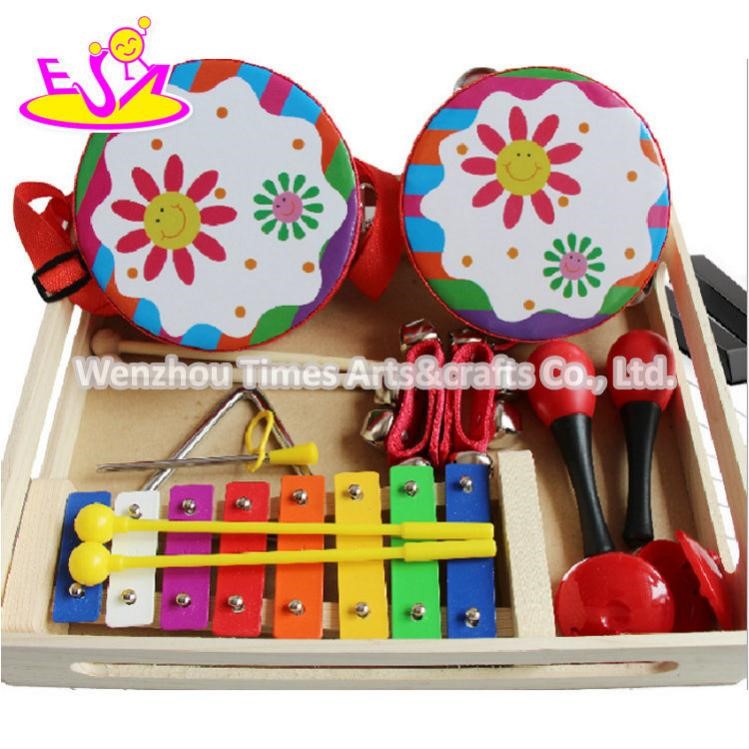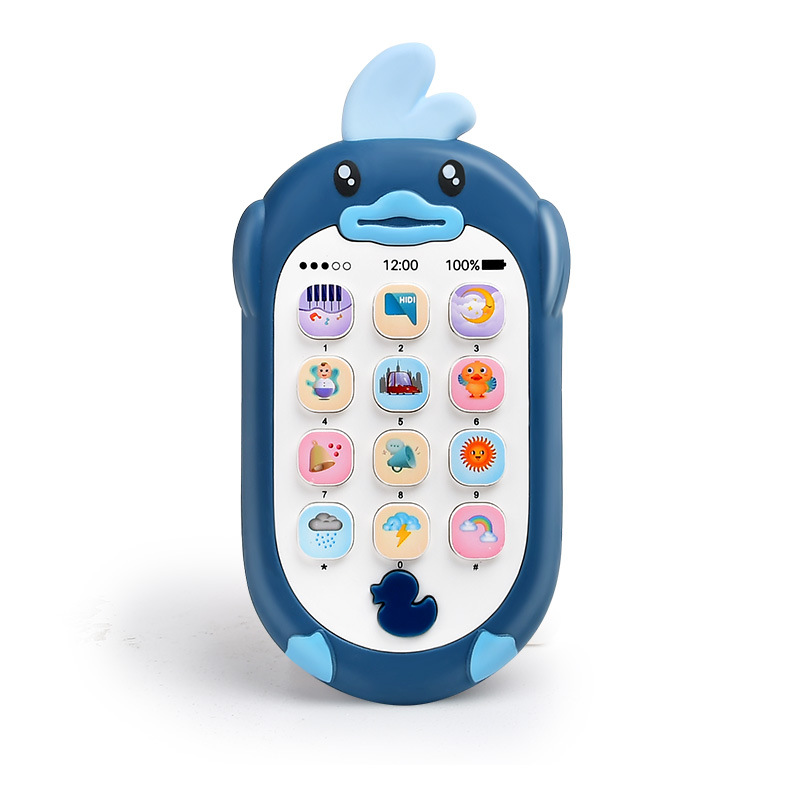
In today’s digital age, children’s toy cell phones have become a staple in the world of play. These toys not only entertain but also serve as tools for learning and development. As children mimic adult behaviors, toy cell phones provide a safe and engaging way for them to explore communication, creativity, and social skills. This article delves into the various aspects of children’s toy cell phones, including their benefits, features, and the best options available on the market.
Table of Contents
Understanding the Appeal of Toy Cell Phones

The Role of Pretend Play
Pretend play is crucial for children’s development. It allows them to experiment with different roles and scenarios, fostering creativity and imagination. Toy cell phones are particularly appealing because they mimic real-life devices that children see adults using. This familiarity encourages children to engage in role-playing, enhancing their social skills and emotional intelligence. Through pretend play, children can explore various social situations, such as making phone calls to friends or family, which helps them understand social norms and communication dynamics.
Cognitive Development Through Interaction
Toy cell phones often come equipped with various features that promote cognitive development. Many models include buttons that produce sounds, lights, and interactive games. These elements stimulate a child’s senses and encourage problem-solving skills. As children navigate through different functions, they learn cause and effect, enhancing their cognitive abilities. For instance, pressing a button to hear a sound or see a light encourages exploration and curiosity, which are vital components of early learning.
Emotional and Social Growth
Engaging with toy cell phones also supports emotional and social growth. As children role-play conversations, they practice empathy by putting themselves in others’ shoes. This practice can help them understand different perspectives and develop emotional intelligence. Additionally, when children play together with toy cell phones, they learn to negotiate, share, and collaborate, which are essential skills for building friendships and working in groups. These interactions can lead to deeper connections with peers and a better understanding of social cues.
Features to Look for in Children’s Toy Cell Phones
When selecting a toy cell phone for a child, several features can enhance the play experience:
Educational Content
Many toy cell phones are designed with educational content that teaches numbers, letters, and basic vocabulary. Look for models that offer interactive games and quizzes, as these can make learning fun and engaging. Some advanced models even incorporate storytelling features, allowing children to listen to stories while interacting with the toy, further enhancing their language skills and comprehension. This integration of play and learning can help children develop a love for education from an early age.
Durability and Safety
Children can be rough on their toys, so durability is essential. Opt for cell phones made from high-quality, non-toxic materials that can withstand drops and rough handling. Safety certifications are also important to ensure that the toy is free from harmful substances. Additionally, consider the design of the toy; rounded edges and soft materials can help prevent injuries during play. A durable toy cell phone can withstand the rigors of daily play, ensuring that it lasts through the various stages of a child’s development.
Realistic Design
A toy cell phone that closely resembles a real smartphone can enhance the play experience. Features like touch screens, realistic sounds, and vibrant colors can make the toy more appealing to children, encouraging longer play sessions. Some models even include pretend apps that mimic popular applications, allowing children to engage in familiar activities like playing games or listening to music. This realistic design not only captivates children’s attention but also helps them understand the technology they will encounter in the future.
Popular Types of Children’s Toy Cell Phones
Electronic Learning Phones
These phones are equipped with various educational features, including games that teach numbers, letters, and even basic math. They often have touch screens and interactive buttons that respond to a child’s actions, making learning engaging and fun. Some electronic learning phones also include voice recognition technology, allowing children to interact with the device in a more dynamic way. This interactivity can enhance the learning experience, making it more immersive and enjoyable.
Pretend Play Phones
These toys are designed for imaginative play, allowing children to mimic conversations and role-play scenarios. They may not have electronic features but often come with realistic designs and sound effects that enhance the pretend play experience. Pretend play phones can also encourage children to engage with their peers, as they can create shared narratives and scenarios during playtime. This type of play fosters creativity and helps children develop their storytelling abilities.
Smart Toy Phones
Smart toy phones are designed to resemble real smartphones and often include advanced features like cameras, music players, and apps. These toys can provide a more immersive experience, allowing children to explore technology in a safe environment. Some smart toy phones even come with parental controls, enabling parents to monitor usage and ensure that the content is appropriate for their child’s age. This feature can give parents peace of mind while allowing children to enjoy the benefits of technology.
Benefits of Children’s Toy Cell Phones
Enhancing Communication Skills
Playing with toy cell phones encourages children to practice their communication skills. As they engage in pretend conversations, they learn to express themselves, listen, and respond appropriately. This practice can translate into better communication skills in real-life situations. Furthermore, children can learn to articulate their thoughts and feelings, which is essential for their emotional development. Engaging in dialogue with peers or caregivers while using the toy can also help them develop conversational skills and confidence.
Fostering Social Interaction
Toy cell phones can also promote social interaction among children. When playing together, children can engage in role-playing scenarios that require cooperation and negotiation. This interaction helps them develop important social skills, such as sharing and taking turns. Group play with toy cell phones can also lead to discussions about friendship, empathy, and understanding different perspectives. These social interactions are crucial for building relationships and developing a sense of community among peers.
Encouraging Independence
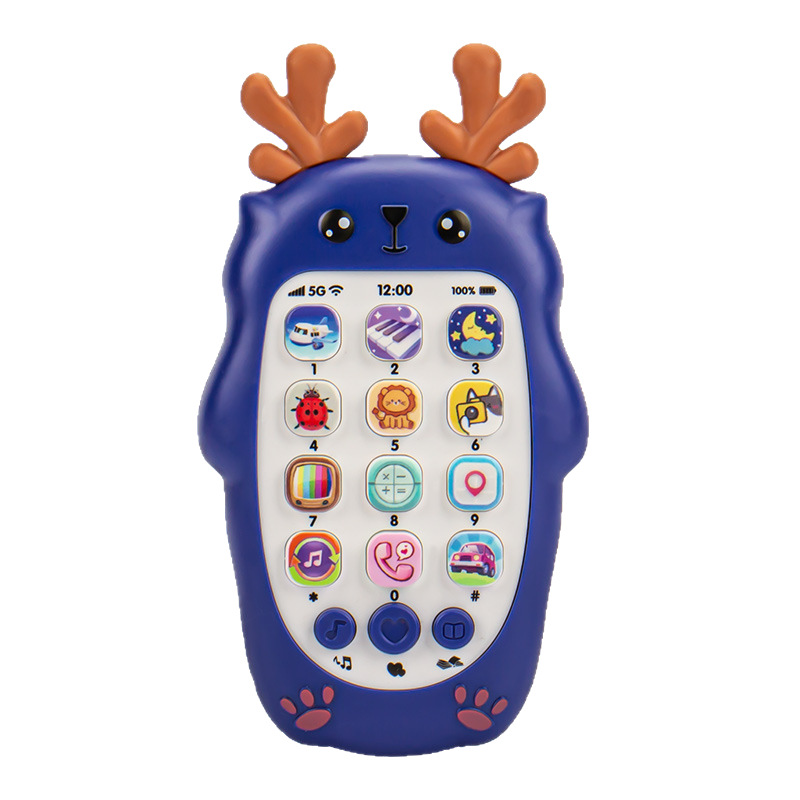
Using a toy cell phone allows children to explore their independence. They can engage in solo play, making decisions about how to use the toy and what scenarios to create. This independence is crucial for building self-confidence and decision-making skills. As children navigate their play, they learn to manage their time and resources, which are valuable skills for their future. Encouraging independent play can also foster creativity, as children invent their own games and stories.
Developing Technological Familiarity
In an increasingly digital world, early exposure to technology can be beneficial. Toy cell phones help children become familiar with the basic functions of smartphones and tablets, preparing them for future learning experiences. Understanding how to interact with technology at a young age can ease the transition to using real devices as they grow older. This familiarity can also help children develop critical thinking skills as they learn to navigate digital environments.
Building Problem-Solving Skills
Many toy cell phones come with games and challenges that require children to think critically and solve problems. As they engage with these features, they learn to strategize and make decisions based on the outcomes of their actions. This problem-solving aspect of play is essential for cognitive development and can translate into better academic performance in the future. Encouraging children to tackle challenges presented by their toys can foster resilience and adaptability.
Enhancing Fine Motor Skills
Manipulating toy cell phones can also help children develop fine motor skills. Pressing buttons, swiping screens, and holding the toy can improve hand-eye coordination and dexterity. These skills are foundational for many everyday tasks, such as writing, drawing, and using utensils. Engaging with toys that require physical interaction can support the development of these essential skills.
Choosing the Right Toy Cell Phone
Age Appropriateness
When selecting a toy cell phone, consider the child’s age and developmental stage. Younger children may benefit from simpler designs with fewer features, while older children may enjoy more complex toys with interactive elements. It’s essential to choose a toy that matches the child’s interests and abilities to ensure they remain engaged and challenged. Age-appropriate toys can also help prevent frustration and promote a positive play experience.
Brand Reputation
Opt for reputable brands known for producing high-quality toys.Researching brand reviews and product ratings can help you make an informed decision. Choosing well-established brands can also provide assurance regarding the toy’s durability and educational value.
Reviews and Recommendations
Before making a purchase, read reviews from other parents and caregivers. These insights can provide valuable information about the toy’s durability, educational value, and overall appeal. Online forums and parenting groups can also be excellent resources for recommendations and experiences shared by other families. Engaging with other parents can help you find the best options for your child’s needs.
Potential Concerns with Toy Cell Phones
While toy cell phones offer numerous benefits, there are potential concerns that parents should consider:
Overstimulation
Some children may become overstimulated by the sounds and lights of electronic toys. It’s essential to monitor playtime and ensure that children have a balance of quiet, imaginative play alongside more stimulating activities. Setting limits on screen time and encouraging outdoor play can help mitigate overstimulation and promote a healthy lifestyle.
Screen Time Habits
As children become accustomed to using toy cell phones, parents should be mindful of their overall screen time habits. Establishing boundaries around playtime and encouraging outdoor activities and other forms of play can help maintain a healthy balance. Teaching children about responsible technology use from an early age can also foster good habits as they grow older.
Imitation of Adult Behavior
Children often imitate the behaviors they observe in adults. If they see adults frequently using their phones, they may develop an unhealthy attachment to their toy cell phones. Parents should model appropriate technology use and encourage children to engage in a variety of activities. Discussing the importance of moderation and balance in technology use can help children develop a healthy relationship with devices.
Dependency on Technology
As children grow more accustomed to using toy cell phones, there is a risk of developing a dependency on technology for entertainment. Encouraging a diverse range of play activities, including arts and crafts, outdoor play, and reading, can help prevent this dependency. Providing opportunities for unstructured play can also foster creativity and imagination.
The Impact of Technology on Attention Span
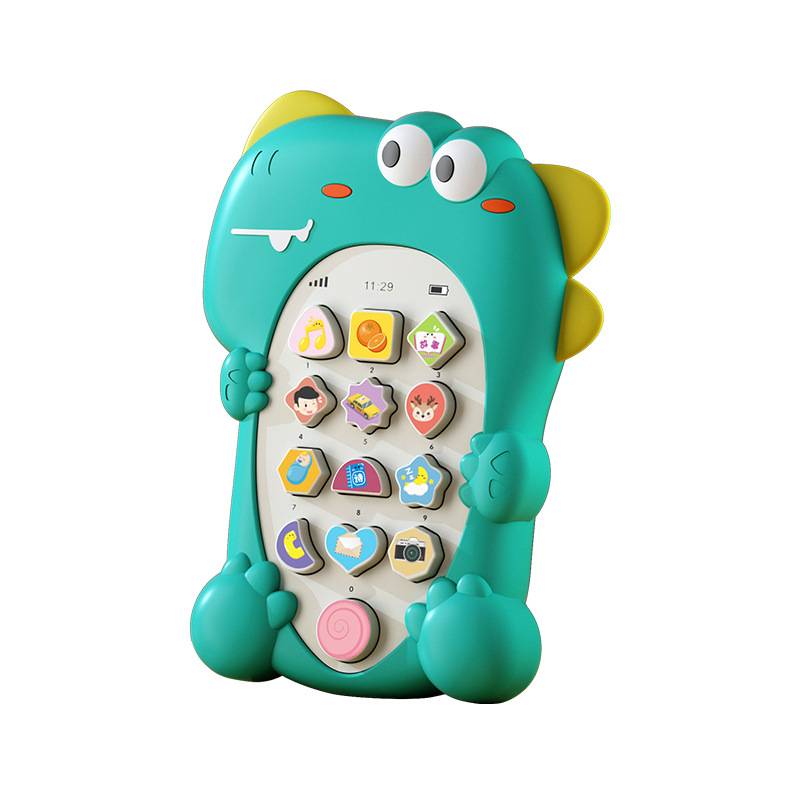
With the increasing use of technology, there is concern about its impact on children’s attention spans. Toy cell phones, especially those with fast-paced games and bright lights, can contribute to shorter attention spans. Parents should encourage activities that require sustained focus, such as puzzles or reading, to help balance the effects of technology.
Conclusion
Children’s toy cell phones are more than just playthings; they are valuable tools for learning and development. By encouraging pretend play, enhancing communication skills, and fostering social interaction, these toys play a significant role in a child’s growth. When choosing a toy cell phone, consider the features, age appropriateness, and brand reputation to ensure a rewarding play experience. As technology continues to evolve, so too will the designs and functionalities of these toys, making them an exciting addition to any child’s playtime.
How to purchase:Online B2B sourcing platform, China purchase, Chinese suppliers – LooperBuy
Frequently Asked Questions
1. What age is appropriate for children’s toy cell phones?
Most toy cell phones are designed for children aged 2 and up, but it’s essential to consider the specific features and complexity of the toy.
2. Are toy cell phones safe for toddlers?
Yes, as long as they are made from non-toxic materials and meet safety standards. Always check for safety certifications before purchasing.
3. Do toy cell phones help with learning?
Absolutely! Many toy cell phones include educational games and features that teach numbers, letters, and basic vocabulary.
4. How can I encourage my child to play with a toy cell phone?
Engage in role-playing scenarios with your child, demonstrating how to use the toy. Encourage them to mimic conversations and create stories.
5. What are some popular brands for children’s toy cell phones?
Reputable brands include VTech, Fisher-Price, LeapFrog, and KOKODI, known for their quality and educational toys.
HOT TAG: children’s toys, toy cell phones, educational toys, pretend play, cognitive development, social skills, interactive learning, toddler toys, safe toys, imaginative play, technology familiarity, role-playing, communication skills, child development, parenting tips, problem-solving skills, fine motor skills, emotional growth, social interaction, technology impact, early learning, creative play, child safety, durable toys, engaging activities, family bonding, screen time management, developmental milestones, interactive features, learning through play, nurturing creativity, fostering independence, enhancing communication, building friendships, technology exposure, age-appropriate toys, quality brands, parent reviews, child engagement, imaginative scenarios, role-playing games, educational content, safe materials, stimulating play, child psychology, play-based learning, nurturing curiosity, developing empathy.