Table of Contents
Introduction
The marine global shipping industry is a vital component of international trade, facilitating the movement of goods across the globe. As the world becomes increasingly interconnected, the demand for efficient and sustainable shipping solutions has never been greater. This article explores the current state of marine global shipping, the innovations shaping its future, and the challenges that lie ahead.
The Current Landscape of Marine Global Shipping
Economic Significance
Marine shipping is responsible for transporting over 80% of the world’s trade by volume. This statistic underscores the industry’s critical role in the global economy. Major shipping routes, such as the Panama Canal and the Suez Canal, serve as essential arteries for international trade, connecting producers and consumers across continents. The economic significance of marine shipping extends beyond mere transportation; it influences global supply chains, pricing strategies, and even geopolitical relations.
Environmental Impact
Despite its economic importance, the marine shipping industry faces significant scrutiny regarding its environmental impact. Shipping contributes approximately 2-3% of global greenhouse gas emissions, prompting calls for more sustainable practices. The International Maritime Organization (IMO) has set ambitious targets to reduce emissions by at least 50% by 2050 compared to 2008 levels. The industry is under pressure to adopt cleaner technologies and practices, which has led to a growing focus on sustainability.
The Role of Major Players
The marine shipping industry is dominated by a few major players, including shipping lines, freight forwarders, and port operators. Companies like Maersk, MSC, and CMA CGM control a significant portion of the global shipping market. These companies are increasingly investing in technology and sustainability initiatives to maintain their competitive edge. The consolidation of shipping lines has also led to larger vessels, which can carry more cargo but require significant investment in infrastructure and technology.
Innovations Transforming Marine Global Shipping
Technological Advancements
Automation and Digitalization
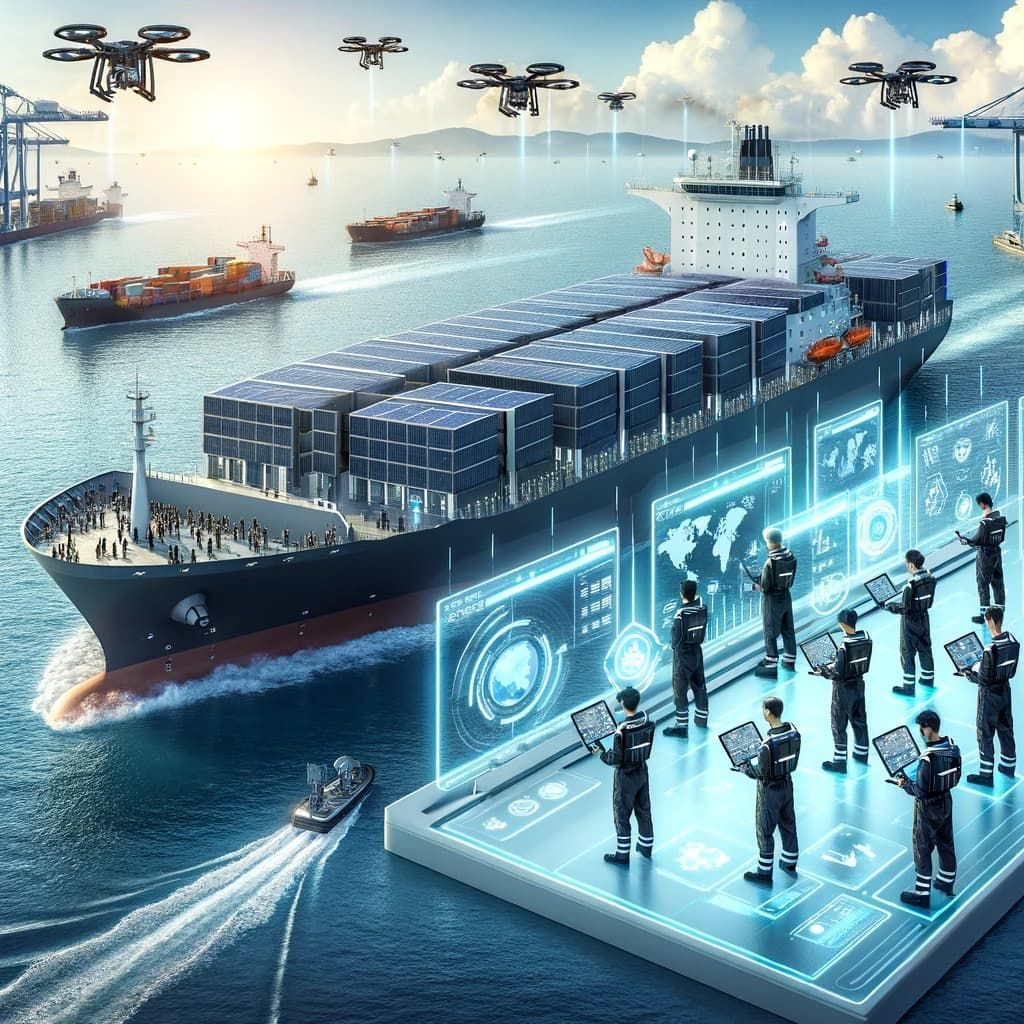
The integration of automation and digital technologies is revolutionizing marine shipping. Autonomous ships, equipped with advanced navigation systems and artificial intelligence, promise to enhance safety and efficiency. These vessels can operate with minimal human intervention, reducing the risk of human error and increasing operational efficiency. Digital platforms for tracking shipments and managing logistics are also streamlining operations, reducing delays and costs. Technologies such as blockchain are being explored for their potential to enhance transparency and security in shipping transactions.
Green Technologies
The push for sustainability has led to the development of green technologies in shipping. Innovations such as wind-assisted propulsion, biofuels, and hydrogen-powered vessels are gaining traction. These technologies aim to reduce reliance on fossil fuels and minimize the carbon footprint of shipping operations. For instance, some companies are experimenting with sails and kites to harness wind power, while others are investing in LNG (liquefied natural gas) as a cleaner alternative to traditional marine fuels.
Regulatory Changes
International Regulations
The marine shipping industry is subject to a complex web of international regulations aimed at ensuring safety and environmental protection. The IMO’s regulations on sulfur emissions, for instance, have prompted many shipping companies to invest in cleaner fuels and technologies. Compliance with these regulations is essential for maintaining operational licenses and avoiding hefty fines. The introduction of the IMO 2020 regulation, which limits sulfur content in marine fuels to 0.5%, has significantly impacted the industry, leading to increased costs and operational adjustments.
National Policies
In addition to international regulations, national policies play a crucial role in shaping the marine shipping landscape. Countries are increasingly implementing their own environmental standards, which can vary significantly. This patchwork of regulations can create challenges for shipping companies operating in multiple jurisdictions. For example, the European Union has introduced its own set of regulations aimed at reducing emissions from shipping, which may differ from those set by the IMO.
Challenges Facing Marine Global Shipping
Supply Chain Disruptions
The COVID-19 pandemic highlighted vulnerabilities in global supply chains, with shipping delays and port congestion becoming commonplace. As economies recover, the industry must adapt to new challenges, including fluctuating demand and labor shortages. Companies are exploring strategies to enhance resilience, such as diversifying supply sources and investing in technology. The pandemic has also accelerated the adoption of digital solutions, as companies seek to improve visibility and control over their supply chains.
Cybersecurity Threats
As the shipping industry becomes more reliant on digital technologies, the risk of cyberattacks increases. Cybersecurity threats can disrupt operations, compromise sensitive data, and lead to significant financial losses. Shipping companies must prioritize cybersecurity measures to protect their assets and maintain trust with customers. The increasing sophistication of cyber threats necessitates ongoing investment in security infrastructure and employee training.
Geopolitical Tensions
Geopolitical tensions can also impact marine shipping, as trade routes and shipping lanes are often influenced by international relations. Conflicts, sanctions, and trade disputes can disrupt shipping operations and lead to increased costs. For instance, tensions in the South China Sea have raised concerns about the security of shipping routes, prompting companies to reassess their logistics strategies.
The Future of Marine Global Shipping
Embracing Sustainability
The future of marine global shipping will be heavily influenced by the industry’s commitment to sustainability. Companies that prioritize eco-friendly practices will not only comply with regulations but also appeal to environmentally conscious consumers. The transition to sustainable shipping will require collaboration among stakeholders, including governments, shipping companies, and technology providers. Initiatives such as the Green Shipping Program aim to promote sustainable practices and reduce the environmental impact of shipping.
Investment in Infrastructure
To support the growth of marine shipping, significant investment in infrastructure is necessary. Upgrading ports, enhancing logistics networks, and developing green technologies will be crucial for meeting future demand. Public-private partnerships can play a vital role in financing these initiatives, ensuring that the industry remains competitive and efficient. Investments in digital infrastructure, such as smart ports and automated terminals, will also be essential for improving operational efficiency.
The Role of Innovation in Future Shipping
Innovation will be a key driver of change in the marine shipping industry. Companies that embrace new technologies and adapt to changing market conditions will be better positioned to succeed. The development of alternative fuels, such as ammonia and hydrogen, will play a crucial role in reducing emissions and achieving sustainability goals. Additionally, advancements in data analytics and artificial intelligence will enable shipping companies to optimize routes, reduce fuel consumption, and enhance overall efficiency.
Collaboration and Partnerships
Collaboration among industry stakeholders will be essential for addressing the challenges facing marine global shipping. Shipping companies, port authorities, and technology providers must work together to develop solutions that enhance efficiency and sustainability. Initiatives such as the Global Industry Alliance for Marine Biosafety aim to promote collaboration and knowledge sharing among stakeholders to address environmental challenges.
The Importance of Workforce Development
As the shipping industry evolves, so too must the workforce that supports it. The rise of automation and digital technologies necessitates a workforce that is skilled in new technologies and adaptable to change. Training programs and educational initiatives will be crucial for preparing the next generation of maritime professionals. Companies must invest in workforce development to ensure they have the talent needed to navigate the complexities of modern shipping.
The Impact of Consumer Behavior
Consumer behavior is also influencing the future of marine shipping. As consumers become more environmentally conscious, they are increasingly demanding transparency regarding the sustainability of the products they purchase. This shift is prompting shipping companies to adopt more sustainable practices and communicate their efforts to consumers. Companies that can effectively market their sustainability initiatives will likely gain a competitive advantage in the marketplace.
Latest Advancements in Autonomous Shipping Technology
The development of autonomous shipping technology is one of the most exciting advancements in the marine shipping industry. Companies are investing in research and development to create vessels that can navigate without human intervention. These ships utilize advanced sensors, machine learning algorithms, and real-time data analysis to make decisions on the water. The potential benefits of autonomous shipping include reduced labor costs, increased safety, and improved efficiency. However, regulatory frameworks and safety standards must evolve to accommodate these innovations.
How Ports Are Adapting to Handle Larger, More Sustainable Vessels
As shipping companies invest in larger and more sustainable vessels, ports must adapt to accommodate these changes. This includes upgrading infrastructure to handle increased cargo volumes and implementing technologies that enhance operational efficiency. Many ports are investing in automation, such as automated cranes and container handling systems, to streamline operations. Additionally, ports are exploring sustainable practices, such as electrifying port equipment and implementing shore power systems to reduce emissions from docked vessels.
The Role of Data Analytics in Optimizing Shipping Routes
Data analytics is playing an increasingly important role in optimizing shipping routes and reducing fuel consumption. By analyzing historical data, weather patterns, and real-time traffic conditions, shipping companies can make informed decisions about the most efficient routes. This not only reduces fuel costs but also minimizes the environmental impact of shipping operations. Advanced analytics tools can also help companies predict demand and adjust their operations accordingly, enhancing overall efficiency.
Conclusion
The marine global shipping industry stands at a crossroads, facing both unprecedented challenges and exciting opportunities. By embracing innovation and prioritizing sustainability, the industry can navigate the complexities of the modern world and continue to play a pivotal role in global trade. As we look to the future, collaboration and adaptability will be key to overcoming obstacles and seizing new opportunities.
As the marine global shipping industry embraces innovation and sustainability, now is the perfect time to invest in eco-friendly products that support this transformation. Discover a range of sustainable solutions at LooperBuy.
Article Summary: This article explores the current state of marine global shipping, highlighting its economic significance and environmental impact. It discusses innovations such as automation and green technologies, as well as challenges like supply chain disruptions and cybersecurity threats. The future of the industry will depend on sustainability and infrastructure investment, with a focus on collaboration, innovation, and workforce development.
Hot Tags: Marine Shipping; Global Trade; Sustainable Shipping; Shipping Innovations; Maritime Technology; Environmental Regulations; Supply Chain Management; Cybersecurity in Shipping; Autonomous Vessels; Green Technologies; Shipping Infrastructure; International Maritime Organization; Shipping Emissions; Logistics Solutions; Port Development; Shipping Industry Trends; Digital Shipping; Maritime Safety; Freight Transportation; Shipping Costs; Trade Routes; Shipping Compliance; Eco-Friendly Shipping; Maritime Economics; Shipping Challenges; Future of Shipping; Shipping Automation; Marine Logistics; Shipping Investments; Maritime Sustainability
Related Questions & Answers
· What are the latest advancements in autonomous shipping technology?
Recent advancements in autonomous shipping technology include the development of vessels equipped with advanced sensors and AI systems that allow for navigation without human intervention. These technologies promise to enhance safety and efficiency in marine operations.
· How are ports adapting to handle larger, more sustainable vessels?
Ports are upgrading their infrastructure to accommodate larger vessels by investing in automation and enhancing cargo handling systems. They are also implementing sustainable practices, such as electrifying port equipment and providing shore power to reduce emissions.
· What role does data analytics play in optimizing shipping routes and reducing fuel consumption?
Data analytics helps shipping companies optimize routes by analyzing historical data, weather patterns, and real-time traffic conditions. This leads to more efficient routing, reduced fuel costs, and a lower environmental impact.