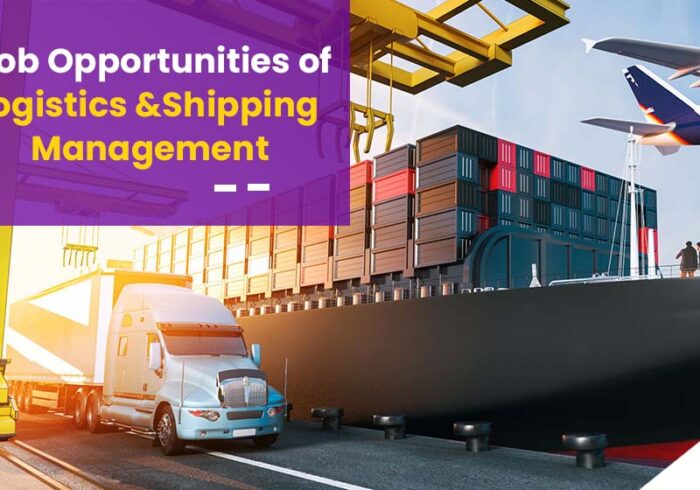
Table of Contents
Introduction to Global Trade
In an increasingly interconnected world, global trade has become a cornerstone of economic growth and development. Businesses of all sizes are looking to expand their reach beyond domestic markets, tapping into the vast potential of international customers. However, navigating the complexities of global trade, particularly in shipping and logistics, can be challenging. This article will explore the key strategies for success in international shipping, focusing on best practices, emerging trends, and the importance of technology in facilitating global trade.
Understanding International Shipping
What is International Shipping?
International shipping refers to the process of transporting goods across international borders. This involves various modes of transportation, including air, sea, and land. Businesses engaged in international shipping must comply with a range of regulations and requirements, which can vary significantly from one country to another.
The Importance of International Shipping
- Market Expansion: International shipping allows businesses to reach customers in new markets, increasing their potential customer base and revenue.
- Competitive Advantage: Companies that effectively manage their international shipping can gain a competitive edge over rivals who may struggle with logistics and compliance.
- Diverse Product Offerings: By shipping internationally, businesses can offer a wider range of products sourced from different countries, catering to diverse consumer preferences.
Key Components of International Shipping
Logistics and Supply Chain Management
Effective logistics and supply chain management are crucial for successful international shipping. This involves coordinating the movement of goods from the manufacturer to the end customer, ensuring timely delivery and minimizing costs.
- Transportation Modes: Businesses must choose the most suitable transportation mode based on factors such as cost, speed, and the nature of the goods being shipped. Common modes include:
- Air Freight: Fast but often more expensive, ideal for high-value or time-sensitive items.
- Ocean Freight: Cost-effective for large shipments, but slower than air freight.
- Land Transportation: Used for shipments within continents, often as part of a multimodal approach.
- Warehousing and Distribution: Efficient warehousing and distribution strategies are essential for managing inventory and ensuring timely delivery. Businesses may choose to establish warehouses in key locations to facilitate faster shipping.
Customs Regulations and Compliance
Navigating customs regulations is a critical aspect of international shipping. Each country has its own customs laws, which can affect the import and export of goods.
- Documentation Requirements: Businesses must prepare and submit various documents, including:
- Commercial Invoice: Details the transaction between the buyer and seller.
- Packing List: Lists the contents of the shipment.
- Bill of Lading: Serves as a contract between the shipper and carrier.
- Tariffs and Duties: Understanding tariffs and duties is essential for calculating the total cost of shipping. Businesses must be aware of any applicable fees and ensure compliance to avoid delays.
Packaging and Labeling
Proper packaging and labeling are vital for protecting goods during transit and ensuring compliance with regulations.
- Packaging Materials: Businesses should choose packaging materials that provide adequate protection while minimizing weight and cost. Common materials include cardboard, bubble wrap, and pallets.
- Labeling Requirements: Accurate labeling is essential for customs clearance and safe handling. Labels should include information such as the destination address, handling instructions, and any required hazard warnings.
Best Practices for International Shipping
Choosing the Right Shipping Partner
Selecting a reliable shipping partner is crucial for successful international shipping. Businesses should consider the following factors when choosing a shipping provider:
- Experience and Reputation: Look for shipping companies with a proven track record in international shipping and positive customer reviews.
- Service Offerings: Ensure the shipping partner offers the services you need, such as customs clearance, warehousing, and tracking.
- Cost and Transparency: Compare pricing structures and ensure there are no hidden fees.
Utilizing Technology
Technology plays a significant role in streamlining international shipping processes. Businesses can leverage various tools and software to enhance efficiency:
- Shipping Management Software: These tools help businesses manage shipments, track orders, and automate documentation processes.
- Inventory Management Systems: Integrating inventory management systems with shipping software can improve accuracy and reduce delays.
Customer Communication
Effective communication with customers is essential for managing expectations and ensuring satisfaction. Businesses should:
- Provide Tracking Information: Keep customers informed about their shipment status by providing tracking numbers and updates.
- Set Clear Expectations: Clearly communicate shipping times, costs, and any potential delays to avoid misunderstandings.
Emerging Trends in International Shipping
Sustainability in Shipping
As environmental concerns continue to rise, sustainability has become a key focus in the shipping industry. Businesses are increasingly looking for ways to reduce their carbon footprint and implement eco-friendly practices.
- Green Shipping Practices: Companies are adopting practices such as using energy-efficient vessels, optimizing routes to reduce fuel consumption, and utilizing sustainable packaging materials.
- Regulatory Compliance: Governments are implementing stricter regulations regarding emissions and waste management, prompting businesses to adapt their practices accordingly.
E-commerce and Direct-to-Consumer Shipping
The growth of e-commerce has significantly impacted international shipping. More consumers are shopping online, leading to an increase in direct-to-consumer shipping models.
- Faster Delivery Expectations: Consumers now expect faster shipping times, prompting businesses to optimize their logistics and fulfillment processes.
- Last-Mile Delivery Solutions: Companies are exploring innovative last-mile delivery solutions, such as drone delivery and local fulfillment centers, to meet consumer demands.
Digital Transformation
The shipping industry is undergoing a digital transformation, with technology playing a crucial role in enhancing efficiency and transparency.
- Blockchain Technology: Blockchain is being explored for its potential to improve supply chain transparency and security, enabling real-time tracking of shipments.
- Artificial Intelligence: AI is being utilized to optimize shipping routes, predict demand, and enhance customer service through chatbots and automated responses.
Conclusion
International shipping is a complex but essential aspect of modern business. By understanding the key components, best practices, and emerging trends, businesses can navigate the challenges of international shipping and achieve success in the global marketplace. With careful planning and execution, companies can expand their reach and tap into new opportunities.
To streamline your international shipping processes and find reliable logistics solutions, explore the resources available at LooperBuy. Visit https://looperbuy.com/ for more information.
Related Questions & Answers
· What are the most common challenges faced in international shipping? Common challenges include navigating customs regulations, managing shipping costs, and ensuring timely delivery.
· How can businesses optimize their international shipping costs? Businesses can optimize costs by choosing the right shipping partner, consolidating shipments, and utilizing technology for efficiency.
· What are the latest trends in international shipping technology? Emerging trends include the use of blockchain for transparency, AI for route optimization, and sustainable shipping practices.
· How does e-commerce impact international shipping? E-commerce has increased demand for faster shipping and direct-to-consumer models, prompting businesses to adapt their logistics strategies.
· What role does customer communication play in international shipping? Effective communication helps manage customer expectations, provides updates on shipment status, and enhances overall satisfaction.
Hot Tags: International Shipping; Logistics; Customs Regulations; E-commerce; Shipping Partner; Packaging; Supply Chain Management; Shipping Technology; Customer Communication