Table of Contents
Introduction
The e-commerce landscape is undergoing a significant transformation, driven by technological advancements and changing consumer behaviors. Among the most impactful trends is the rise of digital fulfillment solutions, particularly in the realm of drop shipping. This article explores the evolution of drop shipping, its benefits, challenges, and how businesses can leverage this model to thrive in the competitive online marketplace.
Understanding Drop Shipping
What is Drop Shipping?
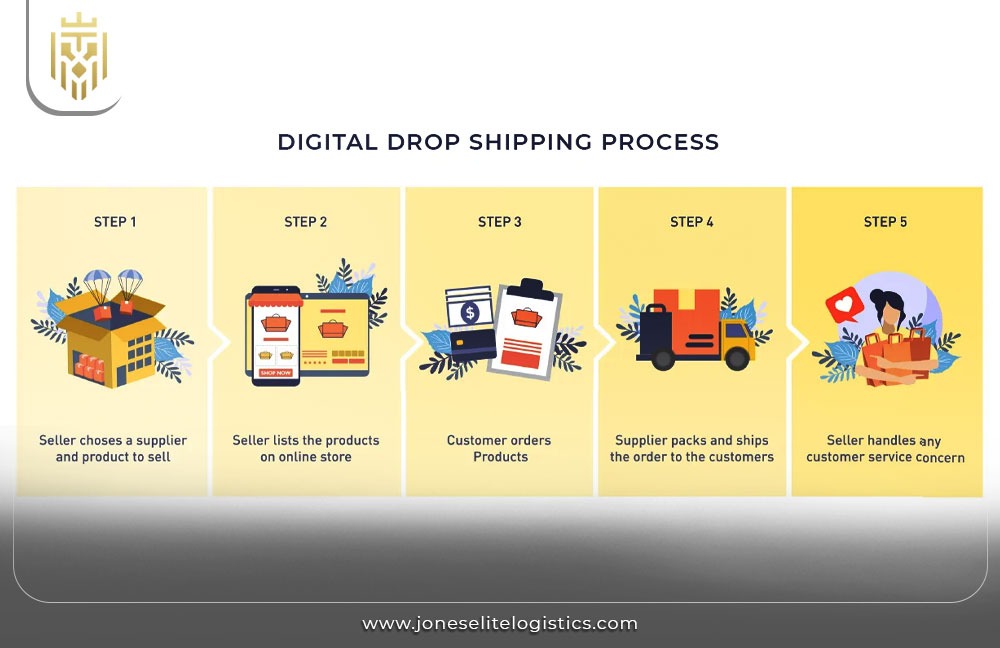
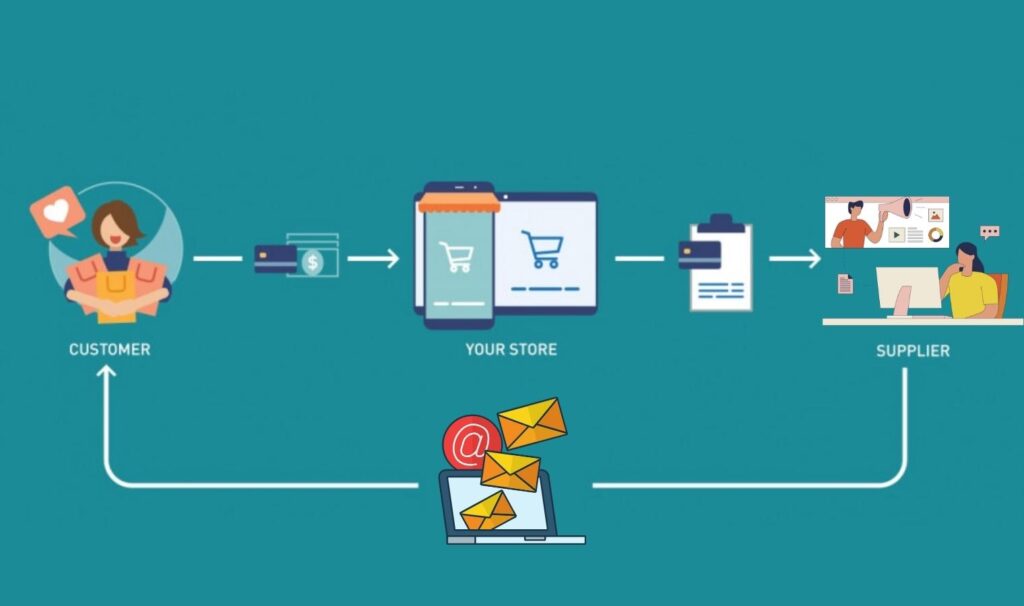
Drop shipping is a retail fulfillment method where a store does not keep the products it sells in stock. Instead, when a store sells a product, it purchases the item from a third party and has it shipped directly to the customer. This model allows retailers to offer a wide range of products without the financial burden of maintaining inventory.
The Evolution of Drop Shipping
The concept of drop shipping has been around for decades, but it has gained significant traction in recent years due to the growth of e-commerce. With the advent of online marketplaces and digital payment systems, entrepreneurs can easily set up drop shipping businesses with minimal upfront investment. This evolution has democratized retail, allowing anyone with an internet connection to start a business.
Benefits of Digital Drop Shipping
Low Startup Costs
One of the most appealing aspects of drop shipping is the low barrier to entry. Entrepreneurs do not need to invest in inventory upfront, which significantly reduces the financial risk associated with starting a retail business. This model allows individuals to test various products and niches without the fear of being stuck with unsold inventory.
Flexibility and Scalability
Digital drop shipping offers unparalleled flexibility. Retailers can easily add or remove products from their online store based on market demand. This adaptability is crucial in a fast-paced e-commerce environment where consumer preferences can change rapidly. Additionally, as a business grows, it can scale operations without the need for significant investments in warehousing or logistics.
Access to a Global Market
With digital drop shipping, retailers can reach customers worldwide. This global reach is facilitated by online marketplaces and e-commerce platforms that provide the necessary infrastructure for international sales. Retailers can tap into new markets and expand their customer base without the complexities of managing international shipping and logistics.
Challenges of Digital Drop Shipping
Supplier Reliability
While drop shipping offers many advantages, it also comes with challenges. One of the primary concerns is supplier reliability. Retailers depend on third-party suppliers to fulfill orders accurately and on time. If a supplier fails to deliver quality products or meets shipping deadlines, it can lead to dissatisfied customers and damage the retailer’s reputation.
Lower Profit Margins
Another challenge of drop shipping is the potential for lower profit margins. Since retailers do not purchase products in bulk, they often pay higher prices per unit. This can make it difficult to compete with traditional retailers who can leverage economies of scale. Retailers must carefully manage pricing strategies to maintain profitability while remaining competitive.
Inventory Management
Although drop shipping eliminates the need for retailers to hold inventory, it does not eliminate the need for effective inventory management. Retailers must stay informed about product availability and stock levels with their suppliers. Failure to do so can result in overselling products that are out of stock, leading to customer dissatisfaction.
Strategies for Success in Digital Drop Shipping
Choosing the Right Niche
Selecting the right niche is crucial for success in drop shipping. Retailers should conduct thorough market research to identify trending products and consumer demands. Focusing on a specific niche allows retailers to target their marketing efforts and build a loyal customer base.
Building Strong Supplier Relationships
Establishing strong relationships with reliable suppliers is essential for a successful drop shipping business. Retailers should communicate clearly about expectations, lead times, and product quality. A solid partnership with suppliers can lead to better pricing, faster shipping, and improved customer satisfaction.
Leveraging Technology
Technology plays a vital role in the success of digital drop shipping. Retailers should invest in e-commerce platforms that offer integrated inventory management, order processing, and analytics tools. These technologies can help streamline operations, reduce errors, and provide valuable insights into customer behavior.
The Future of Digital Drop Shipping
Automation and AI
The future of drop shipping is likely to be shaped by automation and artificial intelligence (AI). Retailers can leverage AI-driven tools to optimize inventory management, predict consumer trends, and personalize marketing efforts. Automation can also streamline order processing and fulfillment, allowing retailers to focus on growing their business.
Sustainability in E-commerce
As consumers become more environmentally conscious, sustainability is becoming a critical factor in e-commerce. Retailers that prioritize sustainable practices, such as eco-friendly packaging and carbon-neutral shipping, can differentiate themselves in a crowded market. Digital drop shipping can support these efforts by allowing retailers to partner with suppliers that share their commitment to sustainability.
Enhanced Customer Experience
The digital drop shipping model is evolving to prioritize customer experience. Retailers are increasingly focusing on providing personalized shopping experiences, fast shipping, and excellent customer service. By leveraging data analytics and customer feedback, retailers can tailor their offerings to meet the specific needs and preferences of their target audience.
Conclusion
Digital drop shipping represents a transformative approach to retail that offers numerous benefits, including low startup costs, flexibility, and access to a global market. However, it also presents challenges that require careful management and strategic planning. By leveraging technology, building strong supplier relationships, and focusing on customer experience, retailers can thrive in the competitive e-commerce landscape. As the industry continues to evolve, those who embrace innovative fulfillment solutions will be well-positioned for success.
To optimize your digital drop shipping operations and enhance your e-commerce success, consider utilizing innovative solutions like LooperBuy for streamlined fulfillment and management. For more information, visit https://looperbuy.com/.
Related Questions & Answers
· What are the main advantages of digital drop shipping? Digital drop shipping offers low startup costs, flexibility, and access to a global market, making it an attractive option for entrepreneurs.
· How can I choose the right niche for my drop shipping business? Conduct thorough market research to identify trending products and consumer demands, focusing on a specific niche to target your marketing efforts effectively.
· What challenges do retailers face with drop shipping? Retailers may encounter issues with supplier reliability, lower profit margins, and the need for effective inventory management.
· How can technology improve my drop shipping operations? Investing in e-commerce platforms with integrated inventory management, order processing, and analytics tools can streamline operations and provide valuable insights.
· What is the future of digital drop shipping? The future is likely to involve automation, AI, and a focus on sustainability, enhancing customer experience and optimizing operations.
Hot Tags: E-commerce Trends; Online Retail; Supply Chain Solutions; Digital Fulfillment; Business Scalability; Market Research; Supplier Relationships; Customer Experience; Sustainable Practices