Table of Contents
The Significance of Modesty in Islamic Clothing
In Islamic culture, modesty is a highly valued principle that is reflected in the clothing worn by Muslims. The Quran and Hadith provide guidelines on dressing modestly, which has led to the development of various traditional garments that cover the body appropriately. These clothing items not only serve religious purposes but also represent cultural identity and heritage.
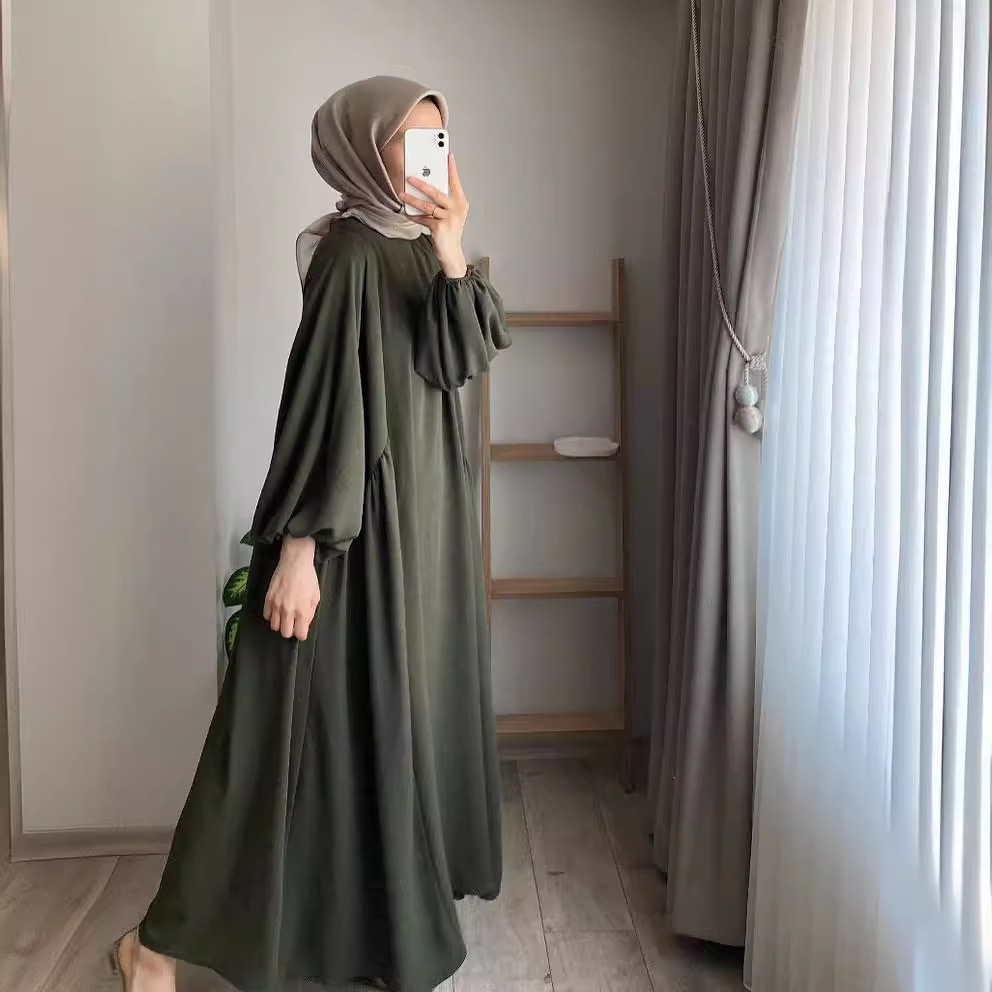
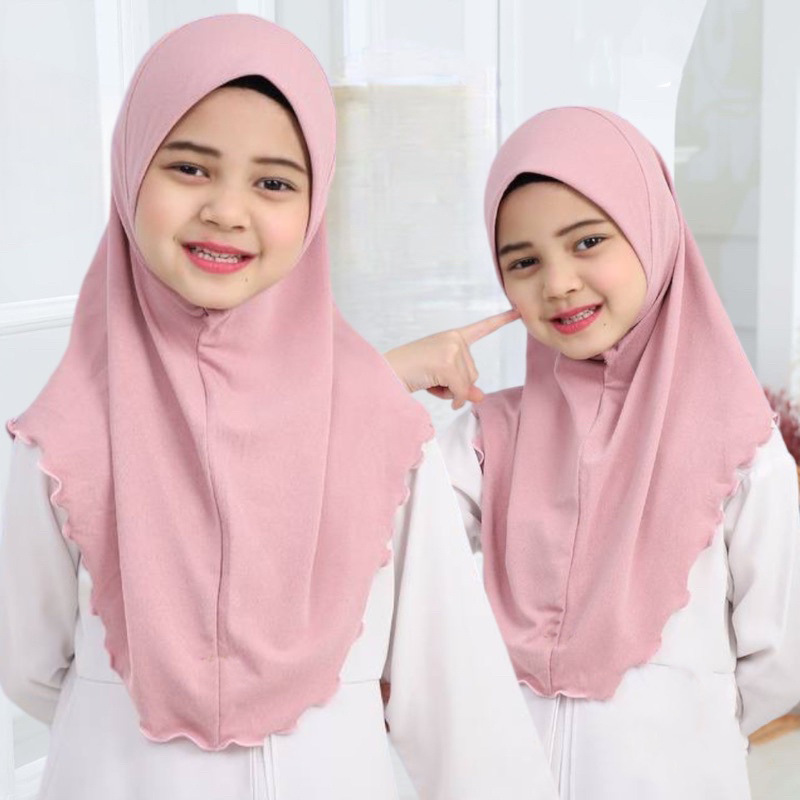
For Muslim women, wearing modest clothing is considered a way to protect their dignity and privacy. The hijab, for example, is a headscarf that covers the hair and neck, symbolizing modesty and adherence to Islamic teachings. It comes in various styles and colors, allowing women to express their individuality while maintaining religious requirements.
Traditional Muslim Clothing for Women
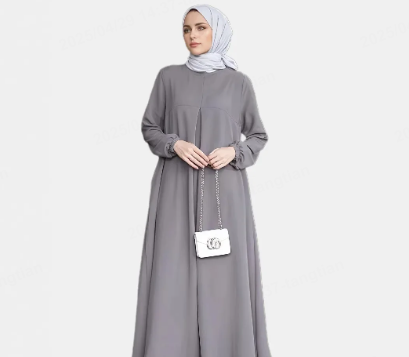
Abaya
The abaya is a loose-fitting, full-length robe commonly worn by women in the Middle East. It typically covers the entire body except for the hands and face. Traditionally black in color, abayas can now be found in various colors and designs, sometimes adorned with embroidery or embellishments. This garment serves as an outer layer over regular clothing and is often made from lightweight fabrics suitable for warm climates. In countries like Saudi Arabia, UAE, and Qatar, the abaya is an iconic piece of traditional Muslim clothing, representing cultural identity and modesty.
Jilbab
The jilbab is another type of outer garment worn by Muslim women. It is a long, loose-fitting robe that covers the body from head to toe. Similar to the abaya, it is worn over regular clothing and can be styled in numerous ways. The jilbab is popular among women who prefer a more tailored look while still adhering to the principles of modesty. It is often seen in countries with significant Muslim populations and has become a symbol of Islamic fashion.
Shalwar Kameez
Originating from the Indian subcontinent, the shalwar kameez is a popular outfit among Muslim women. It consists of a long tunic (kameez) paired with loose trousers (shalwar). This combination provides both comfort and modesty, making it suitable for various occasions. The shalwar kameez can be made from a wide range of fabrics, including cotton and silk, and is often embellished with intricate embroidery and patterns. Its versatility allows it to be worn for casual outings as well as formal events.
Niqab and Burqa
The niqab is a face veil worn by some Muslim women, which may leave the eyes uncovered. It is often paired with other modest garments like the abaya or jilbab. The burqa, on the other hand, is a more comprehensive covering that conceals the entire body, including the eyes, which are covered with a mesh screen. While not worn by all Muslim women, these garments hold religious and cultural significance for those who choose to wear them.
Traditional Muslim Clothing for Men
Thobe
The thobe, also known as dishdasha or kandura, is a traditional long robe worn by Muslim men. It is typically ankle-length, made from lightweight fabrics like cotton or linen, and is commonly seen in Arab countries. The thobe is often white but can also be found in other colors, especially in winter. It is a symbol of cultural heritage and is frequently worn during formal occasions and religious events. When paired with a head covering like a keffiyeh or ghutra, it completes the traditional Arab male attire .
Ghutra and Egal
A square or rectangular headscarf called a ghutra is worn by men, usually accompanied by a rope band (egal) to secure it in place. The ghutra is often white or checkered in red and white or black and white. In some regions, it is referred to as a shemagh or kuffiyeh. This headscarf not only serves a religious purpose but also provides protection from the sun and dust in desert environments.
Bisht
The bisht is a dressier men’s cloak that is sometimes worn over the thobe. It is commonly seen among high-level government or religious leaders and is typically worn on special occasions such as weddings. The bisht adds a touch of elegance and formality to the traditional male attire.
Cultural Variations in Muslim Clothing
Muslim clothing varies significantly across different regions, reflecting the diverse cultural influences within the Islamic world. In South Asia, for example, the shalwar kameez is a staple garment for both men and women. In North Africa and parts of the Middle East, men may wear a djellaba, a long, loose-fitting robe made from wool or cotton. In West Africa, the dashiki, a loose-fitting shirt worn with pants or a skirt, is a popular choice. These regional variations showcase the rich cultural tapestry of the Muslim community while still adhering to the principles of modesty.
Modern Trends in Muslim Fashion
In recent years, Muslim fashion has evolved to incorporate contemporary styles and designs while maintaining traditional values. Fashion designers are creating innovative modest clothing lines that appeal to the modern Muslim consumer. This includes stylish abayas with unique patterns and embellishments, fashionable hijabs in various fabrics and colors, and modern interpretations of classic garments like the thobe and shalwar kameez. The fusion of modesty and style has given rise to a vibrant and dynamic Muslim fashion industry that continues to grow and influence global fashion trends .
Conclusion
Typical Muslim clothing encompasses a wide range of garments that reflect the values of modesty, cultural heritage, and religious identity. From the abaya and hijab worn by women to the thobe and ghutra worn by men, these clothing items hold deep significance within the Muslim community. The diversity in styles and designs across different regions highlights the rich cultural diversity of Islam. As Muslim fashion continues to evolve, it strikes a balance between tradition and modernity, offering individuals the opportunity to express their faith and personal style in a contemporary context.
How to Purchase:https://looperbuy.com/search?keywords=typical+muslim
Frequently Asked Questions
What is the significance of the hijab in Muslim culture?
The hijab is a traditional headscarf worn by Muslim women as a symbol of modesty and privacy. It represents adherence to Islamic teachings on modesty and is considered a way to protect a woman’s dignity and honor. The hijab also serves as an expression of faith and religious identity, allowing women to connect with their spiritual beliefs through their appearance.
Why do Muslim women wear the abaya?
The abaya is worn by Muslim women primarily for its modesty. It covers the entire body except for the hands and face, aligning with the Islamic principle of dressing modestly. The abaya also represents cultural heritage, particularly in Middle Eastern countries, and is seen as a symbol of tradition and identity. Additionally, its lightweight fabric makes it suitable for warm climates, providing comfort while maintaining modesty.
What is the difference between a jilbab and an abaya?
While both the jilbab and abaya are outer garments worn by Muslim women, they differ in style and origin. The abaya is typically a loose-fitting, full-length robe that is often black and worn over regular clothing. It is commonly seen in the Arabian Peninsula. The jilbab, on the other hand, can be more tailored and fitted, resembling a long coat. It is sometimes referred to as a specific style of cloak and is popular in various Muslim communities. The jilbab may offer more flexibility in terms of style and fabric choices .
What are some common materials used in Muslim clothing?
Muslim clothing is made from a variety of materials to ensure comfort and suitability for different climates. Common fabrics include cotton, linen, silk, chiffon, and crepe. Cotton and linen are popular for their breathability and lightweight nature, making them ideal for warm weather. Silk is often used for more formal or special occasion garments due to its elegance and luxury. Chiffon and crepe are favored for abayas and other flowing garments due to their lightweight and flowing properties.
Can Muslim clothing be fashionable?
Yes, Muslim clothing can definitely be fashionable. In recent years, there has been a significant growth in Muslim fashion, with designers creating stylish and contemporary modest clothing. This includes innovative designs for abayas, hijabs, and other traditional garments, incorporating modern fabrics, patterns, and embellishments. Muslim fashion now represents a fusion of modesty and style, offering diverse options for individuals to express their personal fashion sense while adhering to religious principles .