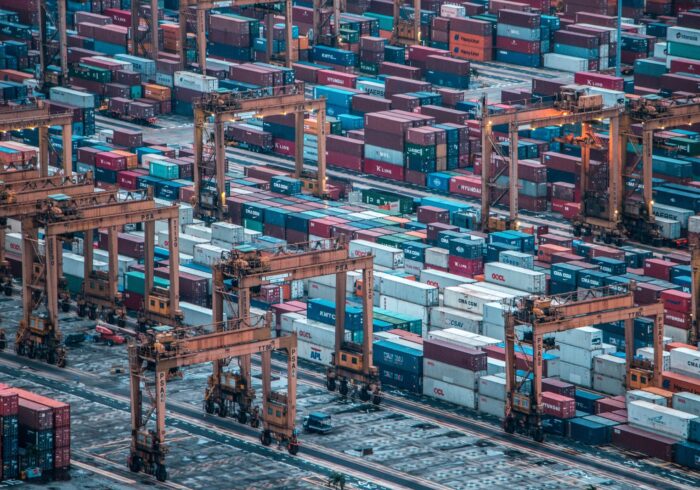
Global shipping has transformed the way businesses operate, allowing them to reach customers across the globe. The concept of first global shipping refers to the initial steps taken by companies to expand their reach beyond local markets. This article delves into the history, significance, and future of first global shipping, exploring its impact on international trade and e-commerce.
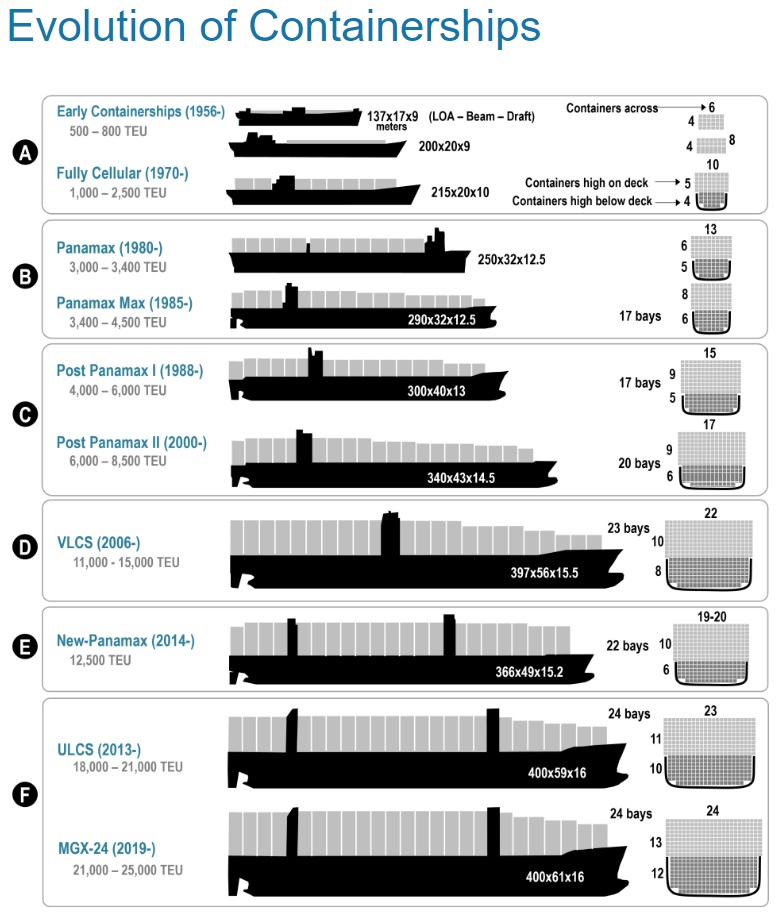
Table of Contents
Understanding First Global Shipping
First global shipping is not just about transporting goods from one country to another; it encompasses a range of logistics, regulations, and technologies that facilitate international trade.
The Historical Context
The roots of global shipping can be traced back to ancient civilizations that engaged in trade across vast distances. The Silk Road, for instance, was a network of trade routes that connected the East and West, allowing for the exchange of goods, culture, and ideas.
The Modern Era of Shipping
In the modern era, the advent of container shipping revolutionized global trade. Introduced in the mid-20th century, containerization allowed for the efficient transport of goods, reducing shipping costs and transit times. This innovation laid the groundwork for the first global shipping networks we see today.
The Importance of First Global Shipping
First global shipping plays a crucial role in the global economy. It enables businesses to access new markets, diversify their customer base, and increase revenue.
Economic Growth
By facilitating international trade, first global shipping contributes to economic growth. Countries that engage in global shipping can benefit from increased exports, leading to job creation and higher GDP.
Consumer Access
Global shipping allows consumers to access products that may not be available in their local markets. This increased access to goods enhances consumer choice and drives competition among businesses.
Supply Chain Efficiency
Efficient global shipping networks streamline supply chains, reducing lead times and costs. Businesses can source materials and products from different parts of the world, optimizing their operations.
Key Components of First Global Shipping
To understand first global shipping, it is essential to explore its key components, including logistics, regulations, and technology.
Logistics Management
Effective logistics management is critical for successful global shipping. This involves planning, implementing, and controlling the flow of goods from the point of origin to the final destination.
Transportation Modes
Various transportation modes are used in global shipping, including:
- Maritime Shipping: The most common method for transporting goods internationally, utilizing cargo ships.
- Air Freight: Ideal for high-value or time-sensitive shipments, air freight offers faster delivery times.
- Land Transport: Trucks and trains are often used for the final leg of delivery, connecting ports to distribution centers.
Regulatory Compliance
Navigating the complex web of international regulations is a significant aspect of first global shipping. Businesses must comply with customs regulations, tariffs, and trade agreements to ensure smooth operations.
Customs Procedures
Customs procedures can vary significantly from country to country. Understanding these procedures is essential for avoiding delays and additional costs.
Technological Advancements
Technology plays a vital role in enhancing the efficiency of global shipping. Innovations such as tracking systems, automated warehouses, and blockchain technology are transforming the industry.
Tracking and Visibility
Real-time tracking systems provide businesses and consumers with visibility into the shipping process. This transparency helps manage expectations and improves customer satisfaction.
Challenges in First Global Shipping
While first global shipping offers numerous benefits, it also presents several challenges that businesses must navigate.
Trade Barriers
Tariffs, quotas, and other trade barriers can hinder the flow of goods between countries. Businesses must stay informed about changing regulations to mitigate these challenges.
Supply Chain Disruptions
Global events, such as natural disasters or pandemics, can disrupt supply chains and impact shipping schedules. Businesses need to develop contingency plans to address potential disruptions.
Environmental Concerns
The shipping industry is a significant contributor to greenhouse gas emissions. As global awareness of environmental issues grows, businesses are under pressure to adopt more sustainable shipping practices.
The Future of First Global Shipping
The future of first global shipping is likely to be shaped by several trends and innovations.
Sustainability Initiatives
As environmental concerns become more pressing, the shipping industry is exploring sustainable practices. This includes investing in cleaner technologies, optimizing routes, and reducing waste.
Digital Transformation
The digital transformation of the shipping industry is set to continue, with advancements in automation, artificial intelligence, and data analytics. These technologies will enhance efficiency and improve decision-making.
E-commerce Growth
The rise of e-commerce has significantly impacted global shipping. As more consumers shop online, businesses must adapt their shipping strategies to meet the demands of a digital marketplace.
Conclusion
First global shipping has evolved significantly over the years, playing a vital role in shaping the global economy. By understanding its history, importance, and future trends, businesses can better navigate the complexities of international trade. As the shipping industry continues to innovate and adapt, the potential for growth and expansion remains vast.
Ready to enhance your global shipping experience with top-quality products and reliable services? Discover unbeatable deals at LooperBuy today! Visit https://looperbuy.com/.
Related Questions & Answers
· What are the key differences between using AliExpress and SaleHoo for finding drop shipping suppliers? AliExpress offers a wide range of products with no membership fees, while SaleHoo provides a directory of verified suppliers and requires a membership fee for access.
· How can I effectively negotiate pricing and shipping terms with drop shipping suppliers? Research market prices, establish a good relationship with suppliers, and be clear about your needs to negotiate better terms.
· What are the legal considerations when sourcing products from international drop shipping suppliers? Businesses must comply with customs regulations, import/export laws, and any applicable tariffs when sourcing products internationally.
· How does containerization impact global shipping? Containerization has revolutionized global shipping by allowing for efficient loading, unloading, and transport of goods, reducing costs and transit times.
· What are the environmental impacts of global shipping? Global shipping contributes to greenhouse gas emissions and pollution, prompting the industry to explore more sustainable practices and technologies.
Hot Tags: Global Shipping; International Trade; Logistics Management; E-commerce; Supply Chain; Container Shipping; Trade Regulations; Sustainability; Shipping Technology