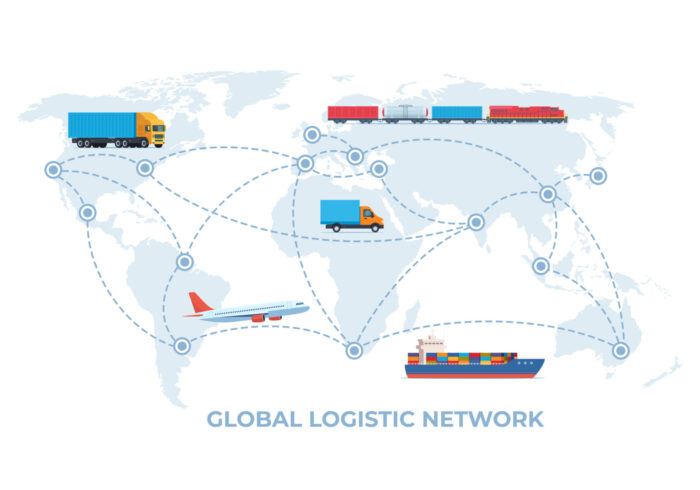
In today’s interconnected world, the movement of goods across borders is more critical than ever. The shipping industry has undergone significant transformations, driven by technological advancements, globalization, and changing consumer demands. This article explores the evolution of global shipping solutions, focusing on the role of shipping containers, logistics innovations, and the future of international trade.
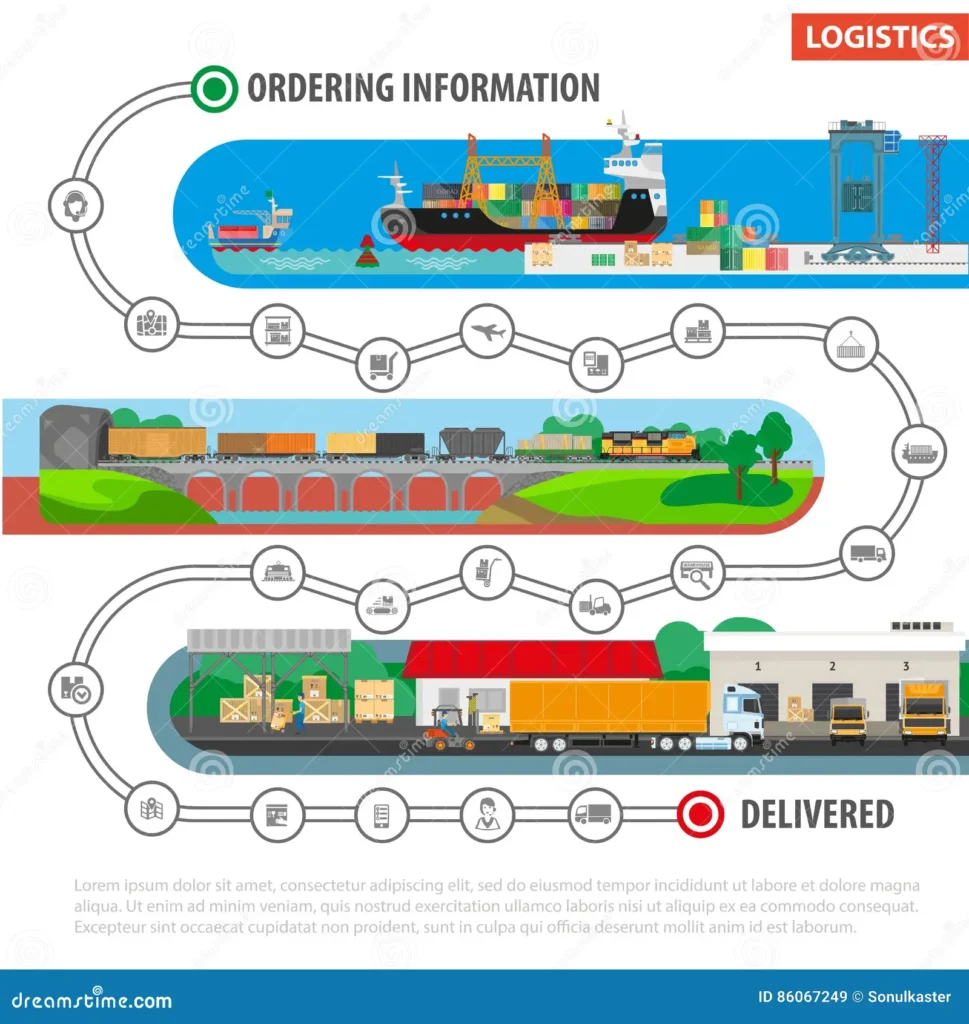
Table of Contents
The Importance of Global Shipping
Global shipping is the backbone of international trade, facilitating the exchange of goods between countries and continents. It enables businesses to reach new markets, access resources, and optimize supply chains. The efficiency of shipping operations directly impacts economic growth, consumer prices, and the availability of products.
Historical Context of Shipping
The history of shipping dates back thousands of years, with early civilizations relying on boats and ships to transport goods. The invention of the shipping container in the mid-20th century revolutionized the industry, allowing for standardized and efficient loading and unloading of cargo. This innovation paved the way for the modern shipping landscape we see today.
The Role of Shipping Containers
Shipping containers have become synonymous with global trade. These robust, standardized boxes allow for the safe and efficient transport of goods by sea, land, and air. The use of containers has streamlined logistics, reduced shipping costs, and minimized damage to products during transit.
Types of Shipping Containers
There are several types of shipping containers, each designed for specific purposes:
- Standard Containers: These are the most common type, used for general cargo. They come in various sizes, typically 20 and 40 feet long.
- Refrigerated Containers: Also known as reefers, these containers are equipped with temperature control systems, making them ideal for transporting perishable goods like food and pharmaceuticals.
- Open-Top Containers: These containers have no roof, allowing for the transport of oversized cargo that cannot fit through standard container doors.
- Flat Rack Containers: Designed for heavy and bulky items, flat racks have no sides or roof, providing flexibility for loading and unloading.
The Shipping Process
The shipping process involves several key steps, from the moment goods are produced to their arrival at the final destination. Understanding this process is crucial for businesses looking to optimize their logistics.
- Production and Packaging
The journey begins with the production of goods. Manufacturers must ensure that products are packaged appropriately for shipping, considering factors such as weight, fragility, and temperature sensitivity.
- Transportation to Port
Once packaged, goods are transported to a shipping port. This can involve multiple modes of transport, including trucks and trains. Efficient coordination is essential to minimize delays and ensure timely delivery.
- Loading and Shipping
At the port, goods are loaded onto shipping containers and then onto cargo ships. The use of cranes and automated systems has significantly improved the speed and efficiency of this process.
- Customs Clearance
Before goods can leave the port, they must clear customs. This involves submitting necessary documentation and paying any applicable duties or taxes. Understanding customs regulations is vital for avoiding delays and ensuring compliance.
- Delivery to Destination
After reaching the destination port, goods are unloaded and transported to their final destination. This may involve additional customs clearance and coordination with local logistics providers.
Innovations in Shipping and Logistics
The shipping industry is continuously evolving, driven by technological advancements and changing consumer expectations. Several innovations are shaping the future of global shipping.
Automation and Robotics
Automation is transforming the shipping industry, with robots and automated systems being used for tasks such as loading and unloading containers, inventory management, and order fulfillment. This technology increases efficiency, reduces labor costs, and minimizes human error.
Blockchain Technology
Blockchain technology is gaining traction in the shipping industry, providing a secure and transparent way to track shipments and manage transactions. By creating a decentralized ledger, stakeholders can access real-time information about the status of goods, reducing the risk of fraud and improving accountability.
Sustainable Shipping Practices
As environmental concerns grow, the shipping industry is adopting more sustainable practices. This includes using eco-friendly fuels, optimizing routes to reduce emissions, and implementing waste reduction strategies. Companies that prioritize sustainability can enhance their brand reputation and appeal to environmentally conscious consumers.
Digital Platforms and E-commerce Integration
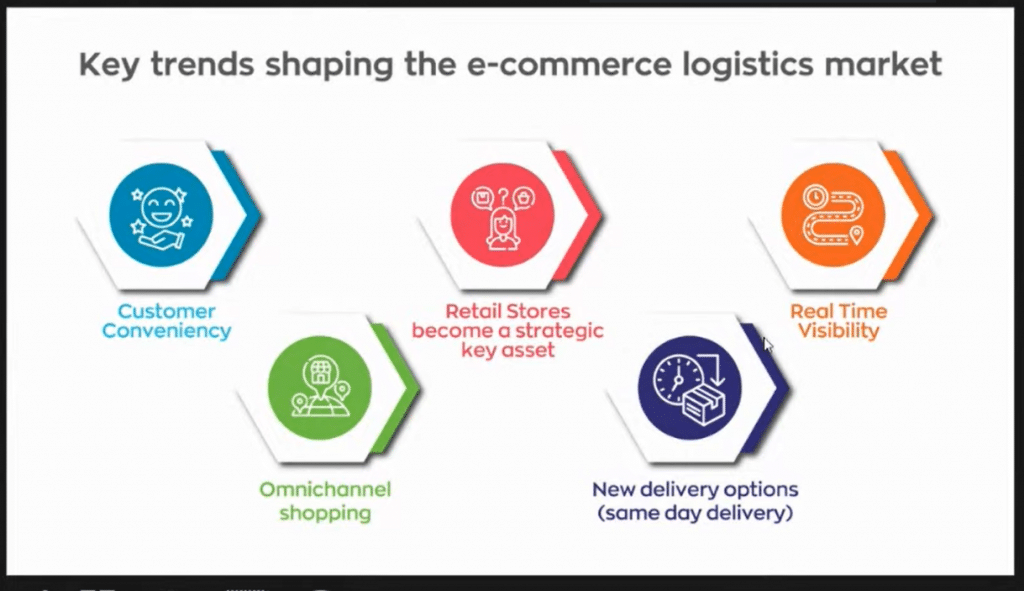
The rise of e-commerce has changed the shipping landscape, with consumers expecting faster and more convenient delivery options. Digital platforms that integrate shipping solutions with e-commerce operations are becoming increasingly popular, allowing businesses to streamline their logistics and improve customer satisfaction.
The Future of Global Shipping
The future of global shipping is likely to be shaped by several key trends:
Increased Demand for Fast Delivery
As e-commerce continues to grow, consumers are demanding faster delivery options. This trend is pushing shipping companies to invest in technologies and processes that enable quicker turnaround times, such as same-day and next-day delivery services.
Expansion of Emerging Markets
Emerging markets are becoming increasingly important in the global shipping landscape. As economies grow and consumer spending increases, shipping companies must adapt their strategies to meet the needs of these markets, including investing in infrastructure and logistics capabilities.
Enhanced Data Analytics
Data analytics is playing a crucial role in optimizing shipping operations. By analyzing data on shipping routes, customer preferences, and market trends, companies can make informed decisions that improve efficiency and reduce costs.
Resilience in Supply Chains
The COVID-19 pandemic highlighted the vulnerabilities in global supply chains. In response, companies are focusing on building more resilient supply chains that can withstand disruptions. This includes diversifying suppliers, increasing inventory levels, and investing in technology to improve visibility and responsiveness.
Conclusion
In conclusion, the evolution of global shipping solutions has transformed the way goods are transported and traded across borders. The introduction of shipping containers, advancements in technology, and changing consumer demands have all played a significant role in shaping the industry. As we look to the future, businesses must adapt to emerging trends and innovations to remain competitive in the ever-evolving landscape of global trade.
As you explore the vast world of global shipping solutions, consider enhancing your logistics with innovative products from LooperBuy, where quality meets efficiency. Discover more at https://looperbuy.com/.
Related Questions & Answers
· What are the benefits of using shipping containers in global trade? Shipping containers streamline logistics, reduce shipping costs, and minimize product damage during transit.
· How has technology impacted the shipping industry? Technology has improved efficiency through automation, enhanced tracking with blockchain, and facilitated faster delivery options.
· What are the challenges faced by the global shipping industry? Challenges include supplier reliability, customs regulations, and the need for sustainable practices in response to environmental concerns.
· How can businesses optimize their shipping processes? Businesses can optimize shipping by leveraging data analytics, automating logistics, and improving communication with suppliers.
· What trends are shaping the future of global shipping? Key trends include increased demand for fast delivery, expansion into emerging markets, and a focus on building resilient supply chains.
Hot Tags: Global Shipping; E-commerce Logistics; Shipping Containers; Supply Chain Management; Shipping Innovations; Sustainable Shipping; Digital Platforms; Fast Delivery; Data Analytics