In today’s technology-driven world, charging cables are indispensable accessories for powering our devices. From smartphones and tablets to laptops and wearables, these cables play a crucial role in keeping our gadgets charged and ready for use. This article will explore the different types of charging cables, their features, uses, and tips for selecting the right one for your needs.
Table of Contents
Understanding Charging Cables
What is a Charging Cable?
A charging cable is a type of cable used to connect a power source to a device, allowing for the transfer of electrical energy. These cables come in various types and designs, each tailored to specific devices and charging standards. The primary function of a charging cable is to deliver power, but many also support data transfer, enabling users to sync their devices with computers or other peripherals.
Types of Charging Cables
Charging cables can be categorized based on their connector types and functionalities. Here are some of the most common types:
USB-A Cables
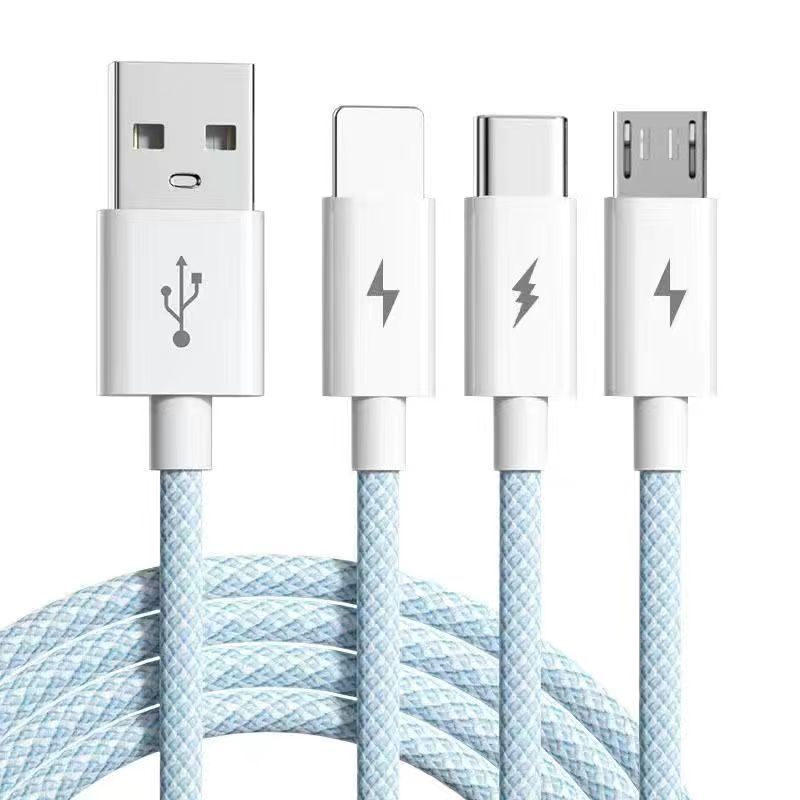
USB-A cables are the most widely recognized charging cables. They feature a rectangular connector that plugs into a power source, such as a wall adapter or computer. USB-A cables are commonly used for charging devices like smartphones, tablets, and other electronics. They are often paired with various connector types on the other end, such as USB-C or Micro USB.
USB-C Cables
USB-C cables are becoming increasingly popular due to their versatility and fast charging capabilities. The USB-C connector is reversible, meaning it can be plugged in either way, making it user-friendly. USB-C cables support higher power delivery, allowing for faster charging of compatible devices. They are commonly used for modern smartphones, laptops, and tablets.
Micro USB Cables
Micro USB cables were once the standard for many smartphones and devices. They feature a smaller connector than USB-A and are often used for charging and data transfer. While they are still in use, many manufacturers are transitioning to USB-C due to its advantages in speed and convenience.
Lightning Cables
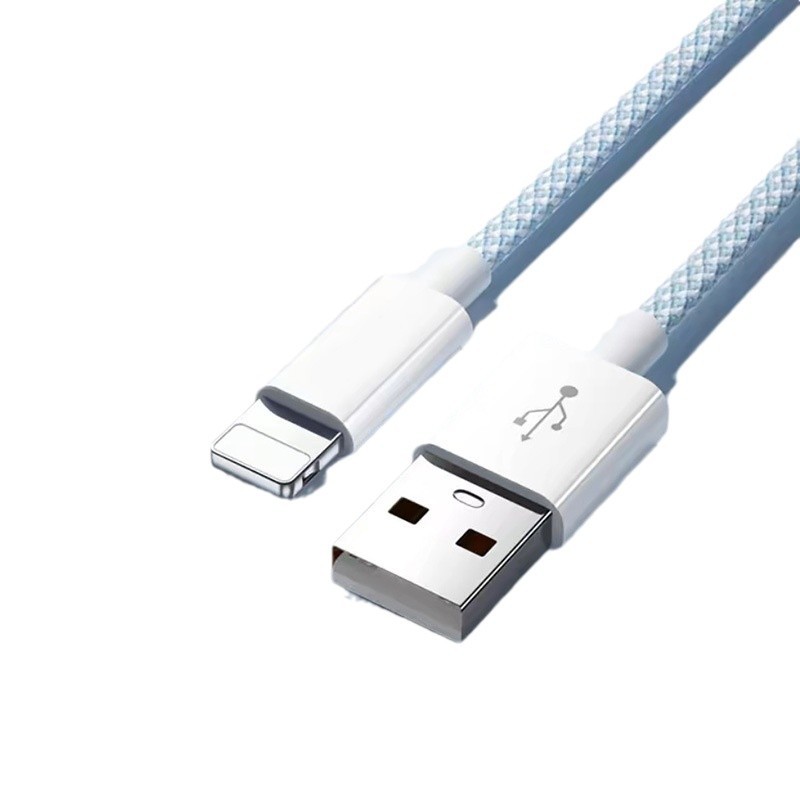
Lightning cables are proprietary charging cables designed by Apple for their devices, including iPhones, iPads, and iPods. The Lightning connector is compact and reversible, similar to USB-C. These cables support fast charging and data transfer, making them essential for Apple users.
Multi-Connector Cables
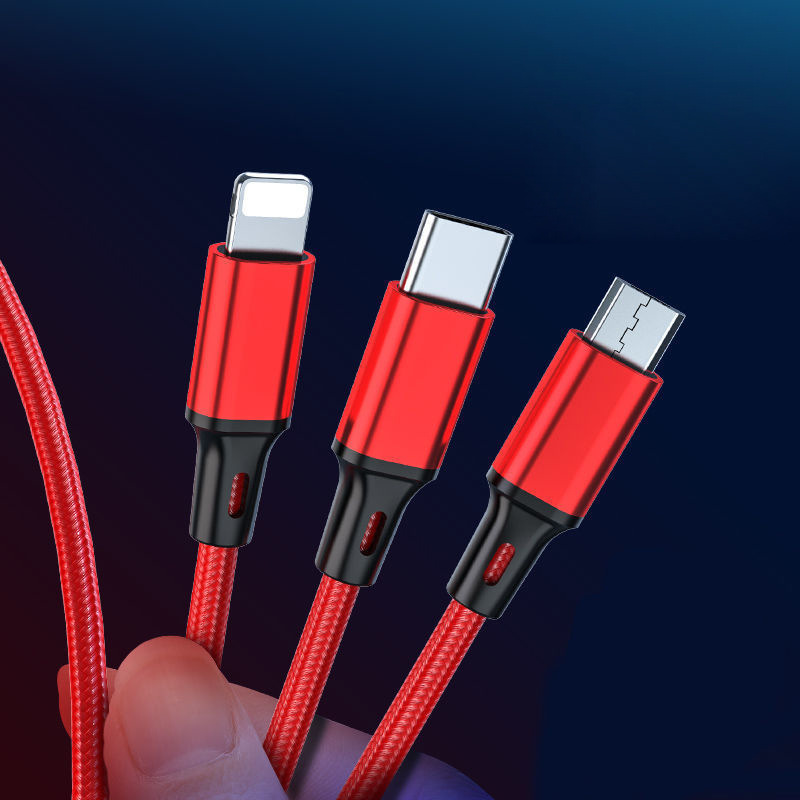
Multi-connector cables feature multiple connectors on a single cable, allowing users to charge different devices without needing multiple cables. These cables often include USB-A, USB-C, and Micro USB connectors, making them versatile for various devices.
Benefits of Using the Right Charging Cable
Faster Charging
Using the appropriate charging cable for your device can significantly impact charging speed. For instance, USB-C cables support higher wattage, allowing for faster charging compared to standard USB-A cables. Choosing the right cable ensures that your device charges efficiently and quickly.
Data Transfer Capabilities
Many charging cables also support data transfer, enabling users to sync their devices with computers or transfer files. Using a cable that supports data transfer can streamline the process of backing up data or transferring files between devices.
Compatibility
Using the correct charging cable ensures compatibility with your devices. Each device may have specific charging requirements, and using the wrong cable can lead to slow charging or, in some cases, damage to the device. Always check the specifications of your device to ensure you are using the right cable.
Choosing the Right Charging Cable
Assessing Your Device’s Requirements
Before purchasing a charging cable, assess your device’s charging requirements. Check the type of connector it uses (USB-A, USB-C, Micro USB, or Lightning) and the recommended wattage for charging. This information will help you select a compatible cable that meets your device’s needs.
Length and Flexibility
Consider the length of the charging cable based on your usage. Longer cables provide more flexibility, allowing you to use your device while it charges. However, shorter cables are often more portable and easier to manage. Choose a length that suits your lifestyle and charging habits.
Quality and Durability
Investing in a high-quality charging cable is essential for longevity and performance. Look for cables made from durable materials, such as braided nylon or reinforced connectors, to prevent fraying and breakage. Reading reviews and checking for warranties can also help you find reliable options.
Brand Reputation
When selecting a charging cable, consider purchasing from reputable brands known for their quality products. Established brands often have a track record of producing reliable cables that meet safety standards and provide optimal performance.
Maintenance and Care
Cleaning Your Charging Cable
To ensure the longevity of your charging cable, regular cleaning is essential. Dust and debris can accumulate on the connectors, affecting performance. Here are some cleaning tips:
- Unplug the Cable: Always disconnect the cable from the power source and device before cleaning.
- Use a Soft Cloth: Wipe the connectors with a soft, dry cloth to remove dust and dirt. Avoid using harsh chemicals that could damage the cable.
- Check for Damage: Regularly inspect the cable for signs of wear or damage. If you notice fraying or exposed wires, it may be time to replace the cable.
Proper Storage
When not in use, store your charging cable properly to prevent damage. Here are some storage tips:
- Avoid Tangles: Store the cable in a way that prevents tangling. Consider using a cable organizer or wrapping it loosely to avoid stress on the connectors.
- Keep Away from Heat: Avoid storing the cable in direct sunlight or near heat sources, as excessive heat can damage the plastic and wiring.
Conclusion
Charging cables are essential accessories that play a crucial role in keeping our devices powered and ready for use. Understanding the different types of charging cables, their benefits, and how to choose the right one can enhance your overall experience with your devices. By following proper maintenance and care tips, you can ensure that your charging cables remain functional and reliable for years to come.
How to purchase:Online B2B sourcing platform, China purchase, Chinese suppliers – LooperBuy
Frequently Asked Questions
1. What types of charging cables are available?
Common types of charging cables include USB-A, USB-C, Micro USB, Lightning, and multi-connector cables.
2. How do I choose the right charging cable for my device?
Assess your device’s requirements, including the type of connector and recommended wattage, to select a compatible cable.
3. Can I use any charging cable for my device?
No, using the wrong charging cable can lead to slow charging or damage. Always use a cable that matches your device’s specifications.
4. How can I clean my charging cable?
Unplug the cable and wipe the connectors with a soft, dry cloth. Avoid using harsh chemicals that could damage the cable.
5. What should I consider when buying a charging cable?
Consider the length, quality, durability, and brand reputation when selecting a charging cable to ensure optimal performance.
HOT TAG: charging cables, USB types, fast charging solutions, data transfer capabilities, cable maintenance tips, device compatibility, high-quality cables, portable charging options, technology accessories, reliable charging solutions.