In today’s fast-paced world, the need for mobility and convenience in our living spaces has never been more important. Small furniture rollers, also known as furniture casters, are an innovative solution that allows for easy movement of furniture and other heavy items. This article will explore the various types of small furniture rollers, their benefits, how to choose the right ones, and tips for installation and maintenance.
Table of Contents
Understanding Small Furniture Rollers
What Are Small Furniture Rollers?
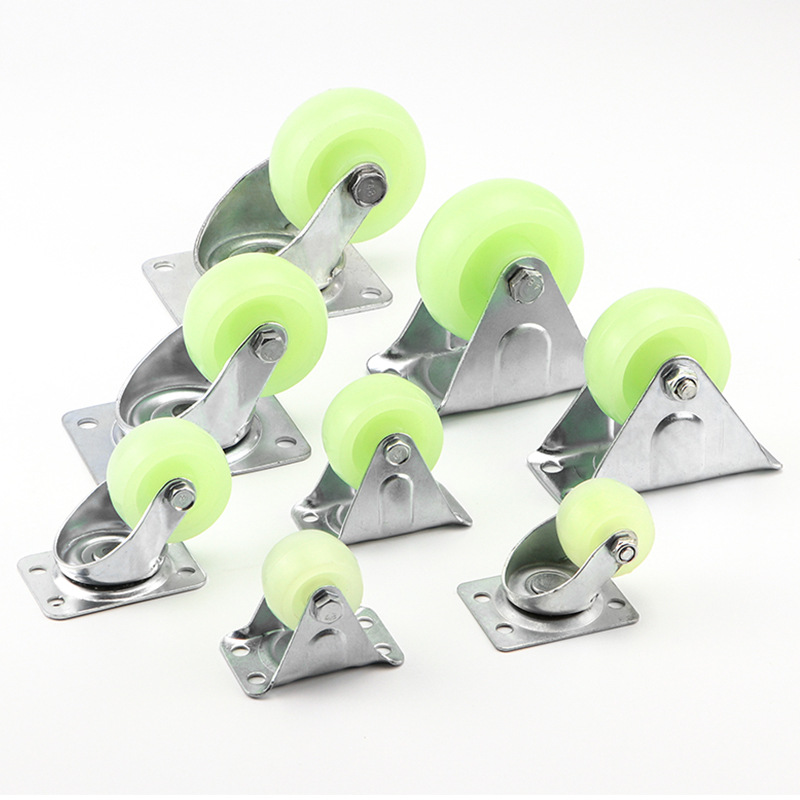
Small furniture rollers are wheels attached to the base of furniture items, allowing them to be easily moved from one location to another. These rollers come in various sizes, materials, and designs, making them suitable for a wide range of furniture types, including chairs, tables, cabinets, and more. They can be fixed or swivel, providing different levels of mobility and maneuverability.
The Importance of Small Furniture Rollers
The use of small furniture rollers offers several advantages:
- Ease of Movement: Rollers make it easy to move heavy furniture without straining your back or damaging your floors. This is particularly beneficial for individuals who frequently rearrange their living spaces or need to clean underneath furniture.
- Versatility: Small furniture rollers can be used on various surfaces, including hardwood, carpet, and tile. This versatility allows for seamless movement across different types of flooring.
- Space Optimization: With the ability to move furniture easily, small rollers can help optimize space in your home or office. You can quickly rearrange furniture to create more room for activities or gatherings.
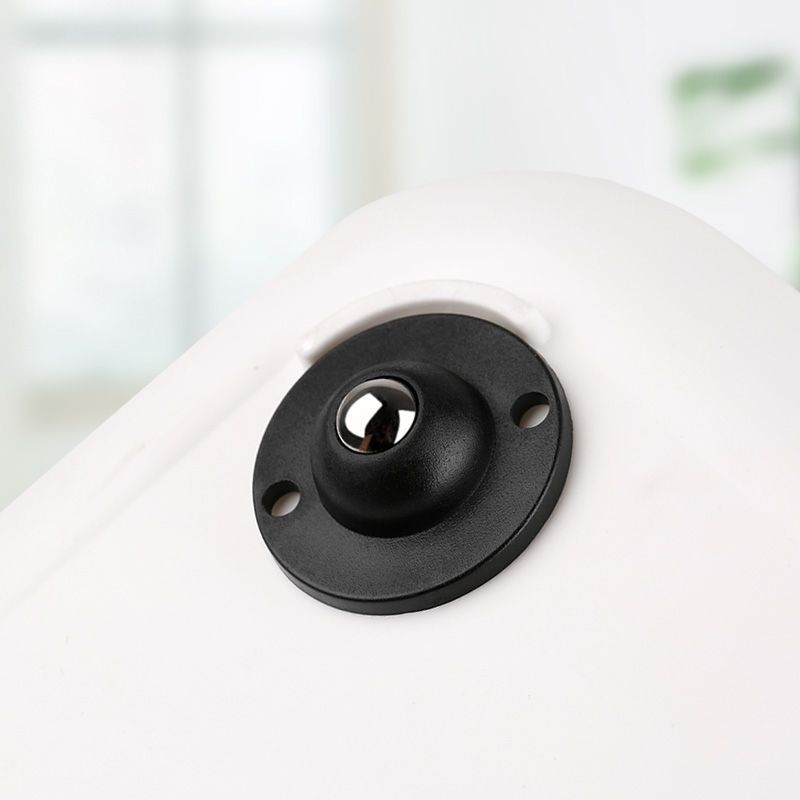
Types of Small Furniture Rollers
1. Swivel Rollers
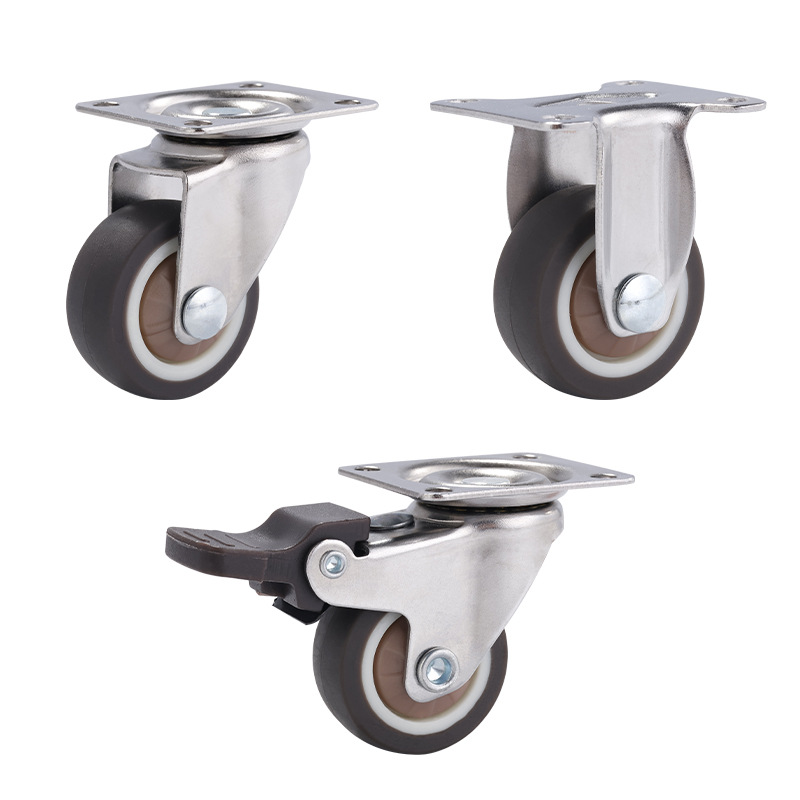
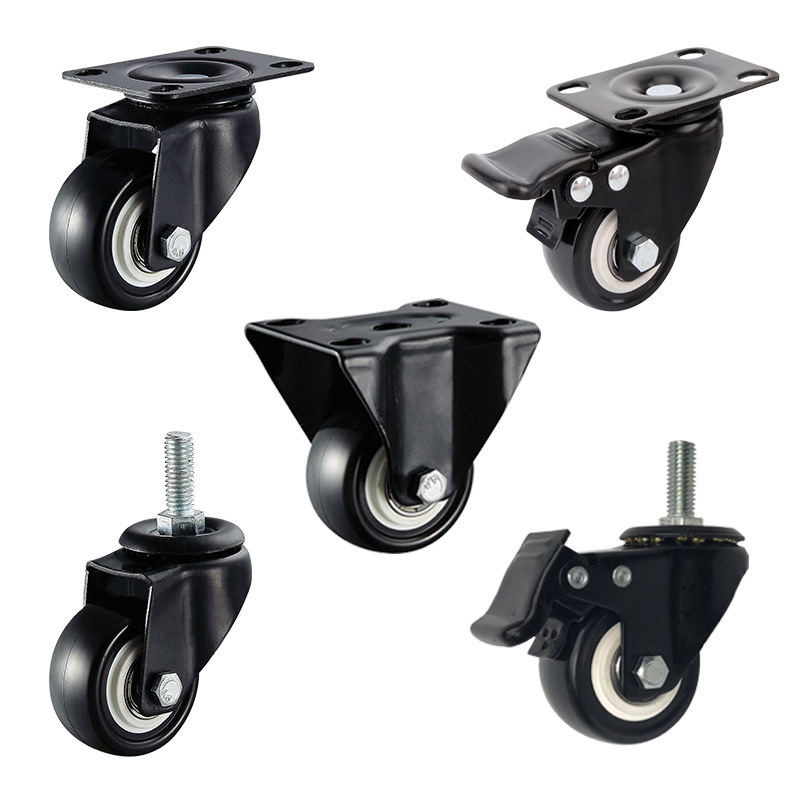
Swivel rollers are designed to rotate 360 degrees, allowing for easy maneuverability in tight spaces. These rollers are ideal for furniture that needs to be moved frequently, such as office chairs or dining tables. Swivel rollers provide flexibility and ease of movement, making them a popular choice for many applications.
2. Fixed Rollers
Fixed rollers do not rotate and are designed to move in a straight line. These rollers are best suited for furniture that does not require frequent repositioning, such as bookcases or storage cabinets. Fixed rollers provide stability and support, ensuring that the furniture remains in place when not in use.
3. Locking Rollers
Locking rollers feature a mechanism that allows them to be locked in place, preventing movement when desired. These rollers are ideal for heavy furniture items that need to remain stationary, such as hospital beds or office desks. Locking rollers provide added safety and security, ensuring that furniture stays in place when needed.
4. Heavy-Duty Rollers
Heavy-duty rollers are designed to support heavier furniture items, such as sofas or large cabinets. These rollers are typically made from durable materials, such as steel or reinforced plastic, and can withstand significant weight. Heavy-duty rollers are essential for ensuring the safe movement of large furniture pieces.
5. Soft Rubber Rollers
Soft rubber rollers are designed to protect floors from scratches and damage. These rollers provide a cushioned surface that glides smoothly over various flooring types. Soft rubber rollers are ideal for use on hardwood or tile floors, as they minimize the risk of damage while providing ease of movement.
Benefits of Using Small Furniture Rollers
1. Enhanced Mobility
The primary benefit of small furniture rollers is enhanced mobility. With rollers, moving heavy furniture becomes a simple task, allowing you to rearrange your living space with ease. This is particularly useful for individuals who frequently change their furniture layout or need to clean underneath items.
2. Reduced Strain
Using small furniture rollers can significantly reduce the physical strain associated with moving heavy items. Instead of lifting and carrying furniture, you can simply roll it to the desired location, minimizing the risk of injury and discomfort.
3. Improved Space Utilization
Small furniture rollers allow for greater flexibility in arranging furniture, enabling you to optimize your living space. You can easily move items to create more room for activities, gatherings, or cleaning, making your home more functional and enjoyable.
4. Versatile Applications
Small furniture rollers can be used in various settings, including homes, offices, and commercial spaces. Their versatility makes them suitable for a wide range of furniture types, from chairs and tables to storage units and display cases.
5. Cost-Effective Solution
Investing in small furniture rollers can be a cost-effective solution for enhancing mobility in your living space. Rather than purchasing new furniture or hiring movers, adding rollers to your existing items can provide the functionality you need at a fraction of the cost.
Choosing the Right Small Furniture Rollers
1. Assess Your Needs
When selecting small furniture rollers, consider your specific needs. Think about the type of furniture you will be using them on, the weight capacity required, and the flooring type in your home or office. Understanding your requirements will help you choose the right rollers for your situation.
2. Evaluate the Weight Capacity
Different rollers have varying weight capacities, so it’s essential to choose rollers that can support the weight of your furniture. Check the manufacturer’s specifications to ensure that the rollers you select are suitable for your needs.
3. Consider the Surface Type
The type of flooring in your home or office can impact the performance of small furniture rollers. If you have hardwood floors, consider using soft rubber rollers to prevent scratches. For carpeted surfaces, fixed or heavy-duty rollers may be more appropriate.
4. Look for Quality Materials
Choose small furniture rollers made from high-quality materials to ensure durability and longevity. Look for rollers with sturdy construction, such as steel or reinforced plastic, to withstand regular use.
5. Read Reviews
Before making a purchase, read reviews from other customers to gauge the quality and performance of the small furniture rollers you are considering. This can provide valuable insights into their durability, ease of use, and overall satisfaction.
Tips for Installing Small Furniture Rollers
1. Gather Your Tools
Before installing small furniture rollers, gather the necessary tools, including a screwdriver, measuring tape, and any additional hardware that may be required. Having everything on hand will make the installation process more efficient.
2. Prepare the Furniture
Before attaching the rollers, ensure that the furniture is clean and free from debris. This will help ensure a secure attachment and prevent any damage to the furniture.
3. Measure for Placement
Use a measuring tape to determine the appropriate placement for the rollers. Ensure that they are evenly spaced and aligned to provide stability and support for the furniture.
4. Attach the Rollers
Follow the manufacturer’s instructions for attaching the rollers to the furniture. Use a screwdriver to secure the rollers in place, ensuring that they are tightly fastened to prevent any wobbling or instability.
5. Test the Movement
Once the rollers are installed, test the movement of the furniture to ensure that it rolls smoothly. Make any necessary adjustments to the placement or tightness of the rollers to achieve optimal performance.
Conclusion
Small furniture rollers are an essential tool for enhancing mobility and convenience in your living space. By understanding the different types available, their benefits, and how to choose and install them, you can make informed decisions that improve your home or office environment. Investing in quality small furniture rollers will not only make moving furniture easier but also contribute to a more functional and enjoyable living space.
How to purchase:Online B2B sourcing platform, China purchase, Chinese suppliers – LooperBuy
Frequently Asked Questions
1. What types of small furniture rollers are available?
Small furniture rollers come in various types, including swivel rollers, fixed rollers, locking rollers, heavy-duty rollers, and soft rubber rollers.
2. How do I choose the right small furniture rollers for my needs?
Consider the type of furniture, weight capacity, surface type, quality of materials, and read reviews before making a purchase.
3. Can I use small furniture rollers on all types of flooring?
While many small furniture rollers are versatile, some may be better suited for specific flooring types. Soft rubber rollers are ideal for hardwood, while heavy-duty rollers may work better on carpet.
4. How do I install small furniture rollers?
Gather the necessary tools, prepare the furniture, measure for placement, attach the rollers according to the manufacturer’s instructions, and test the movement.
5. What are the benefits of using small furniture rollers?
Benefits include enhanced mobility, reduced strain, improved space utilization, versatile applications, and cost-effectiveness.