Conclusion: A cashmere scarf for men is more than just a functional accessory; it is a timeless investment in comfort, warmth, and personal style. By understanding the nuances of fiber quality, choosing versatile colors, and mastering a few essential knots, you can elevate your winter wardrobe and ensure that your accessory remains a cherished staple for years to come.
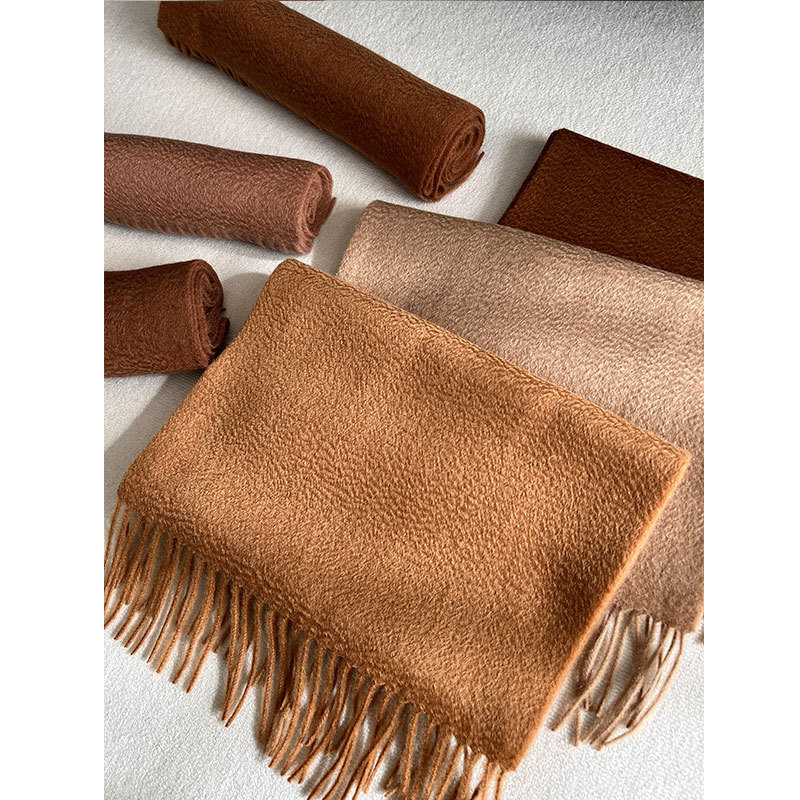
Table of Contents
Understanding the Value of a Cashmere Scarf for Men
The cashmere scarf is widely regarded as the pinnacle of neckwear for the modern gentleman. Unlike synthetic materials or rougher wools, genuine cashmere offers an unparalleled tactile experience. It is light enough to remain comfortable throughout the day, yet its thermal properties are extraordinary, providing superior warmth even in the coldest climates. Investing in a high-quality piece is about more than just fighting the chill; it is about embracing a standard of luxury that enhances the overall aesthetic of any outfit, from the most formal overcoat to a casual weekend jacket.
Why Cashmere Stands Apart from Other Fabrics
The primary allure of cashmere lies in its origin. Sourced from the soft undercoat of cashmere goats, these fibers are significantly finer than standard sheep’s wool. This structural difference results in a fabric that is not only incredibly soft against the skin—eliminating the itchiness often associated with wool scarves—but also possesses a distinct, subtle sheen that elevates its appearance. When you choose a cashmere scarf, you are opting for a garment that balances insulation with breathability, making it the perfect companion for unpredictable winter weather. Because the fibers are naturally hollow, they trap air efficiently, providing heat retention without the heavy bulk found in cheaper, synthetic alternatives.
The Durability of Quality Craftsmanship
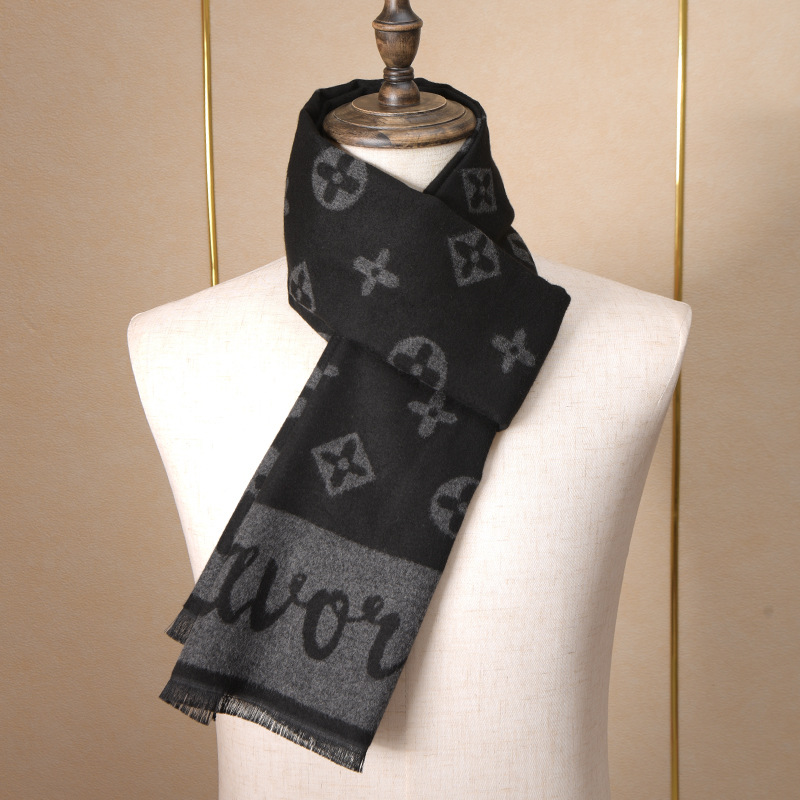
While cashmere is known for its delicacy, a well-made, high-density weave is surprisingly durable. Genuine quality is reflected in the weight and the tightness of the weave. When inspecting a potential purchase, you should feel a substantial, luxurious weight, not something flimsy or overly transparent. Proper craftsmanship ensures that the scarf retains its shape over years of wear, provided it is handled with the appropriate care, making it a sustainable choice in your wardrobe rotation. A scarf that is knitted with precision will resist stretching and maintain its luxurious drape, proving that luxury and longevity can indeed coexist.
How to Choose the Best Cashmere Scarf for Your Wardrobe
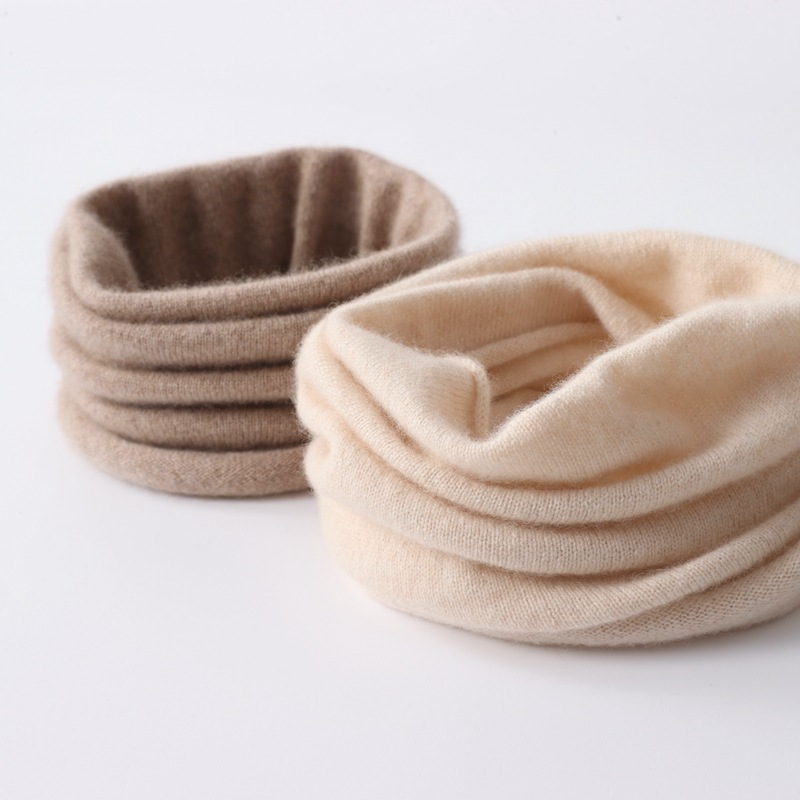
Selecting the right scarf requires a balance between practicality and personal expression. Because this accessory sits directly against your face and is a focal point of your attire, the color and texture you choose will heavily influence how your overall look is perceived.
Identifying Pure Cashmere Quality
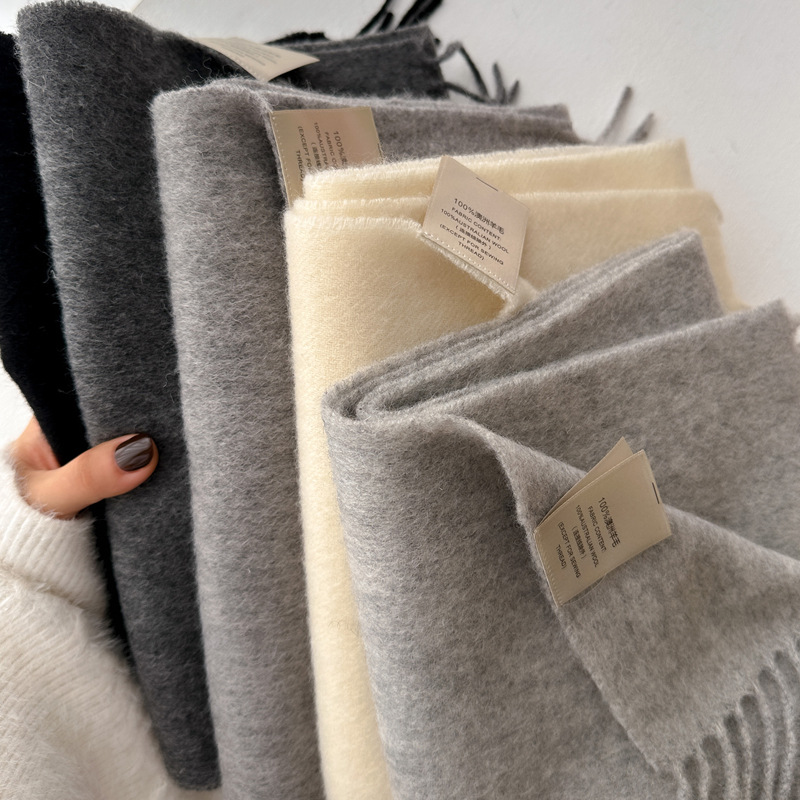
The market is saturated with “cashmere blends,” but for the true enthusiast, 100% pure cashmere is the gold standard. When browsing, check the label carefully. Scarf quality can often be determined by the “bloom”—a slight fuzziness that develops over time as the fibers settle. Avoid products that feel greasy or have a plastic-like shine, as these may indicate lower-grade fibers or chemical treatments. A high-quality scarf should feel warm, dry, and soft to the touch immediately. Furthermore, authentic cashmere will always spring back when you gently stretch a corner, indicating the elasticity and vitality of the natural fibers.
Selecting Colors and Patterns for Versatility
For those building a foundational wardrobe, a solid-colored scarf is essential. Neutral tones such as navy, charcoal gray, camel, and black are timeless. They complement virtually any coat in a man’s closet, from a formal wool trench to a rugged leather jacket. Once you have your neutral bases covered, you can venture into sophisticated patterns. Herringbone, subtle plaids, and windowpane checks add visual interest to an otherwise monotonous winter outfit, especially when paired with solid-colored outerwear. Remember that the goal is harmony; a busy pattern should ideally be paired with a simple coat to avoid looking cluttered.
The Significance of Weight and Length
Not all scarves are built for the same purpose. A lighter, thinner cashmere scarf is perfect for transitional seasons—autumn or spring—when there is a slight nip in the air but a heavy scarf would be overwhelming. Conversely, for deep winter, seek out a “double-ply” or “heavyweight” cashmere scarf. Regarding length, a standard length of around 180 centimeters allows for the most versatility in knotting. If you are taller, opt for a longer scarf to ensure you have enough fabric to wrap comfortably without sacrificing the aesthetic proportions of your knot.
Styling Your Cashmere Scarf: Techniques for Every Occasion
The way you tie your scarf can drastically change the tone of your ensemble. Whether you are aiming for a sharp, corporate look or a relaxed, weekend-ready vibe, there is a technique to suit your needs.
The Classic Once-Around Knot
The simplest and perhaps most common method, the “Once-Around,” is perfect for daily wear. Simply place the scarf around your neck, letting one side hang slightly longer than the other. Take the long end, wrap it once around your neck, and let it hang down your chest. This style is relaxed, comfortable, and allows the quality of the cashmere fabric to be seen without being too restrictive. It is the quintessential look for the man on the go, providing warmth while maintaining an effortless, composed demeanor.
The Refined Parisian Knot
For colder days when you need extra protection, the Parisian knot (also known as the loop knot) is the ideal choice. Fold the scarf in half lengthwise, drape it around your neck, and pull the two loose ends through the loop created by the fold. This knot is not only practical because it keeps the scarf securely in place, but it also creates a streamlined, tidy look that pairs perfectly with tailored overcoats and suits. It is an excellent way to showcase the color or pattern of the scarf while ensuring it stays put during a brisk walk.
The Sophisticated Drape for Formal Events
When you are dressed in a formal suit or a high-end tuxedo overcoat, a complicated knot may look too bulky. In these instances, a simple, loose drape—where the scarf is placed around the neck and allowed to hang inside the coat—provides a touch of color and elegance without disrupting the silhouette of your tailoring. This method showcases the scarf as a refined accessory rather than a purely functional item. It communicates confidence and understated luxury, making it perfect for evening engagements or professional settings.
The Advanced “Reverse Drape” for Street Style
For those looking to adopt a more contemporary, fashion-forward approach, the reverse drape (or “European Throw”) is a great option. Take the scarf and drape it around your neck so both ends fall in front. Then, take one end and throw it over the opposite shoulder. This creates a stylish, layered appearance that looks great with a bomber jacket or a denim coat. It is a bit more adventurous and adds a sense of personality to your winter attire, showing that you view accessories as an extension of your personal style.
Essential Care Tips to Prolong Your Scarf’s Life
Because cashmere is a natural, delicate fiber, it requires specific maintenance to prevent damage and pilling. Treating your investment with care will ensure it remains soft and luxurious for years.
Proper Storage and Cleaning
Always store your cashmere scarf by folding it neatly or hanging it over a smooth, padded hanger. Avoid using plastic bags, as natural fibers need to breathe to prevent moisture buildup. When it comes to cleaning, dry cleaning is the safest professional option. However, if you choose to hand wash, use a specialized wool detergent, cold water, and never wring the fabric. Gently squeeze out the water and lay the scarf flat on a clean towel to dry away from direct sunlight or heat sources, which can shrink or stiffen the fibers. Remember that moisture is the enemy of long-term storage; ensure the scarf is completely dry before placing it away in a drawer for the summer months.
Dealing with Pilling and Maintenance
Pilling is a natural occurrence caused by friction; it does not necessarily indicate poor quality. To keep your scarf looking pristine, use a cashmere comb or a fabric shaver to gently remove any small balls that form on the surface. By performing this maintenance occasionally, you can keep the texture uniform and soft. Additionally, allow your scarf to “rest” between wears. Wearing the same scarf every single day can cause the fibers to become compressed and prone to pilling; rotating your accessories will significantly extend the lifespan of your collection.
Preventing Moth Damage
Cashmere is a natural protein fiber, which makes it an attractive target for moths. To protect your investment, ensure your scarves are clean before being stored long-term, as moths are often attracted to skin oils or food particles. Consider using cedar blocks or lavender sachets in your storage area as natural deterrents. By taking these small, proactive measures, you preserve the integrity of the garment and protect your investment against unnecessary damage, ensuring it remains as luxurious as the day you bought it.
How to purchase:Online B2B sourcing platform, China purchase, Chinese suppliers – LooperBuy
Summary
This article provides a comprehensive guide to understanding, selecting, styling, and maintaining a high-quality cashmere scarf for men. It covers the importance of fiber quality, tips for building a versatile collection, practical knotting techniques, and essential care instructions to ensure long-term durability, empowering men to make an informed investment in their winter wardrobe.
Hot Tags:
Cashmere Scarf; Mens Winter Accessories; Luxury Men’s Fashion; Winter Style Guide; 100% Pure Cashmere; Classic Menswear; Overcoat Styling; Cold Weather Essentials; Sustainable Fashion; Timeless Style; Scarf Knotting Techniques; Winter Wardrobe Essentials; Men’s Gift Ideas; Wool Alternatives; Premium Quality Scarf; Sophisticated Menswear; Herringbone Scarf; Neutral Color Accessories; Fashion Investment; Winter Lookbook; Style Tips For Men; Proper Cashmere Care; Soft Winter Fabrics; Modern Gentleman Style; Daily Wear Accessories; Formal Winter Wear; Casual Winter Outfits; High-End Fashion; Winter Texture; Elevate Your Look
Related Questions & Answers
· What is the best way to determine if a cashmere scarf is high quality?
The best way is to feel the texture, which should be incredibly soft without being greasy. Check for a tight, uniform weave, and always verify that the product is made from 100% pure cashmere, as blends often lose their shape and softness faster than pure fibers.
· How often should I have my cashmere scarf dry cleaned?
You should aim to dry clean your scarf only once or twice per season, or only when it is visibly dirty. Over-cleaning can strip the natural oils from the cashmere fibers, which may lead to them becoming brittle and losing their signature softness.
· Can I wear a patterned cashmere scarf with a patterned overcoat?
While it is generally safer to pair a patterned scarf with a solid coat, you can mix patterns if the scales are different. For example, a large plaid coat can look excellent with a small-scale, subtle herringbone or houndstooth scarf, provided the colors share a common palette.
· Which knot is best for very cold weather?
The Parisian knot (or loop knot) is the most effective for trapping heat. By folding the scarf in half and securing the ends through the loop, you create a snug fit against your neck that prevents cold air from entering and keeps the warmth close to your body.
· Why does my cashmere scarf get pills, and is it ruined?
Pilling is normal friction wear and does not mean your scarf is ruined. It is a natural byproduct of short fibers rubbing together. You can easily maintain your scarf by using a fabric shaver or a specialized cashmere comb to remove the pilling, which will restore the scarf to its original, smooth appearance.