Table of Contents
Introduction: When Warmth Becomes a Necessity, Not a Luxury
For pet owners, winter isn’t just a season of cold weather—it’s a time of heightened concern for their furry companions. As temperatures drop, even the hardiest pets seek warmth, and traditional pet beds often fall short. Enter heating pet beds: once a niche gadget, now a staple in modern pet care. These innovative products blend technology, comfort, and empathy to transform how pets (and their humans) experience colder months. This article explores their evolution, the science behind their warmth, and why they’ve become a must-have for discerning pet parents.
From Simple Heaters to Smart Havens: The Evolution of Heating Pet Beds
Early Days: Basic Heat for Basic Needs
Decades ago, heating pet beds were little more than electric blankets repurposed for pets. Thick, bulky, and often unsafe (with exposed wires and inconsistent heating), they were a stopgap solution for owners worried about their pets shivering through winter. Early models lacked temperature control, risking burns or overheating, and their rigid designs made them uncomfortable for smaller or more sensitive pets.
The Tech Boom: Smart Features Take Center Stage
The 2010s marked a turning point as smart technology revolutionized pet products. Heating pet beds evolved from “warm” to “intelligent,” with features like:
- Adjustable thermostats: Owners could now set precise temperatures (often 80–100°F) to match their pet’s preference.
- Automatic shut-off: Safety became a priority, with beds cutting power if overheated or knocked over.
- Remote controls: Busy owners could adjust settings via apps, ensuring their pets stayed cozy even when away.
Today: Comfort Meets Customization
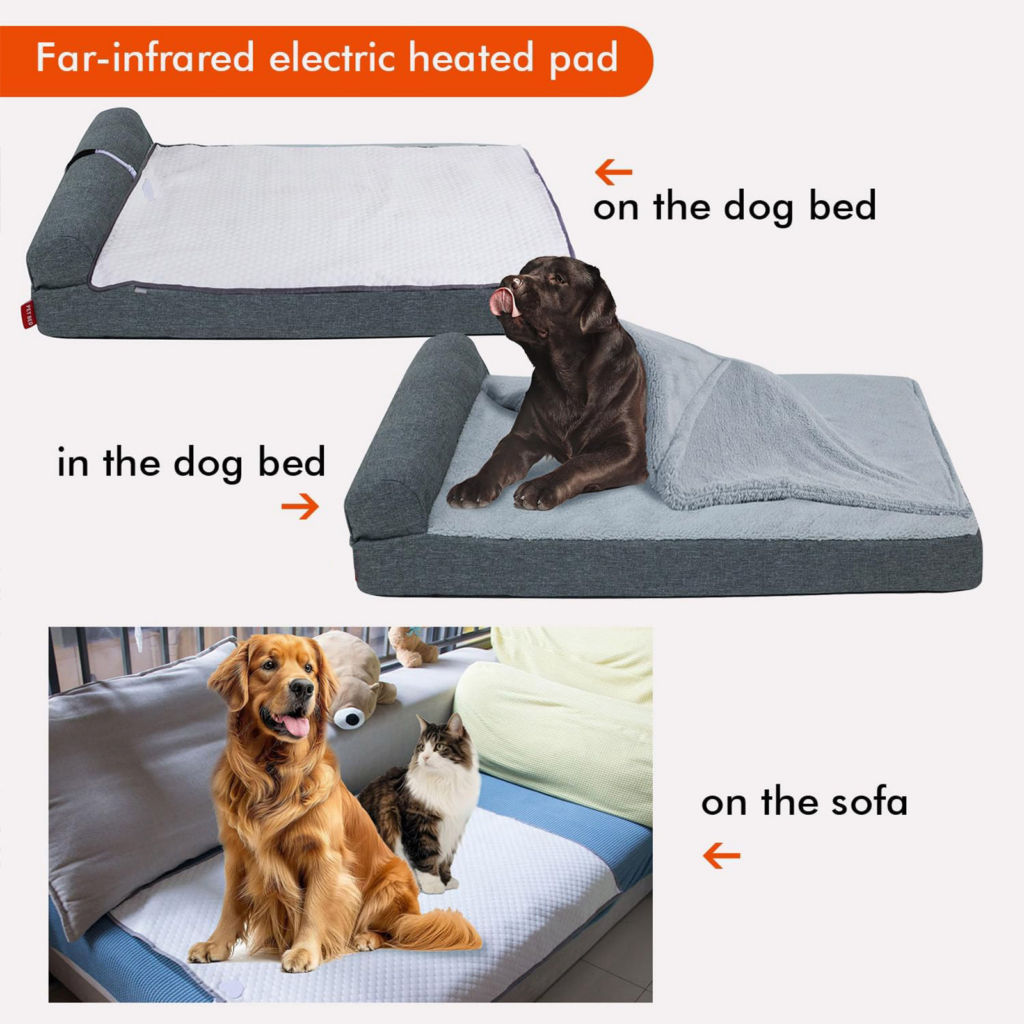
Modern heating pet beds are works of functional art. They’re sleek, lightweight, and tailored to fit pets of all sizes—from tiny chihuahuas to large mastiffs. Many now include premium materials like memory foam, fleece, or even heated orthopedic pads, addressing specific needs like joint pain in older pets.
The Science of Warmth: How Heating Pet Beds Keep Pets Cozy
Heating Elements: Safe and Efficient
At the core of any heating pet bed is its heating element. Most use carbon fiber or resistance wire—materials that generate heat evenly without hot spots. Carbon fiber, in particular, is favored for its durability and ability to distribute warmth uniformly, avoiding the “hot spots” common in older models.
Thermostats and Sensors: Precision Over Guesswork
Advanced models rely on digital thermostats and temperature sensors to maintain a consistent warmth. These systems continuously monitor the bed’s surface and adjust heating output in real time, ensuring pets aren’t exposed to fluctuating temperatures. For example, a bed might start at 85°F and gradually increase to 95°F if the room cools, mimicking a cozy hearth.
Safety First: Protecting Pets and Homes
Safety is non-negotiable. Modern heating pet beds include:
- Overheat protection: Automatic shut-off if the bed exceeds safe temperatures (typically 110°F).
- Pet-proof casings: Durable, chew-resistant materials (like reinforced nylon) prevent pets from accessing wiring.
- Low-voltage design: Most operate on 12V or lower, reducing the risk of electrical shock.
Design Matters: Tailoring Warmth to Every Pet
Size and Shape: Fit for Every Breed
Heating pet beds come in a range of sizes—from “puppy-sized” (24×18 inches) to “extra-large” (48×36 inches)—to accommodate even the largest breeds. Contoured shapes (like donut or bolster designs) cradle pets comfortably, while flat, rectangular beds suit those who prefer stretching out.
Materials: Softness Meets Durability
The outer layer of a heating pet bed is just as important as the heating element. Popular materials include:
- Fleece: Soft, warm, and easy to clean—ideal for pets with sensitive skin.
- Memory foam: Moldable and supportive, perfect for older pets with joint issues.
- Waterproof liners: Essential for messy eaters or outdoor pets, preventing moisture from damaging the heating element.
Added Extras: Beyond Just Warmth
Many modern beds include thoughtful features that enhance the experience:
- Massage functions: Gentle vibrations soothe sore muscles.
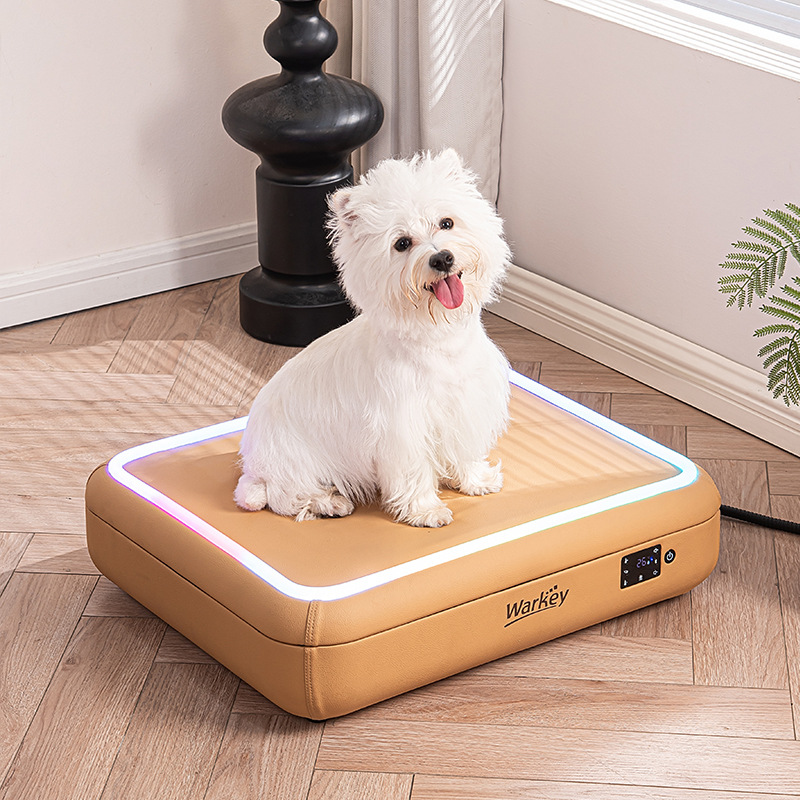
- LED night lights: Soft glow helps pets feel secure in dimly lit rooms.
- Removable, washable covers: Simplifies cleanup after messy playtime.
Who Needs a Heating Pet Bed? More Than You Might Think
Senior Pets: Comfort for Aging Joints
Older pets, especially those with arthritis or hip dysplasia, benefit greatly from heating pet beds. The gentle warmth eases stiffness, reduces pain, and encourages restful sleep—key for maintaining mobility and quality of life.
Small or Shorthaired Breeds: Battling the Cold
Chihuahuas, Yorkshire terriers, and other small or shorthaired breeds have thinner coats and less body fat, making them more vulnerable to cold. Heating beds provide the extra insulation they need to stay warm without overheating.
Indoor-Outdoor Pets: Bridging the Gap
Pets that split time between indoor and outdoor living (like farm dogs or barn cats) face fluctuating temperatures. A heating bed acts as a “transition zone,” helping them acclimate without shock to their system.

Anxious Pets: Security in Warmth
For pets prone to anxiety (e.g., thunderstorm phobia), the steady warmth of a heating bed can be calming. The gentle hum of the heater (if any) and the cozy enclosure mimic a safe, familiar space.
The Market Today: Trends and What to Look For
Smart Integration: Connecting to Your Home
Many heating pet beds now sync with smart home systems like Alexa or Google Home, allowing owners to adjust settings via voice commands. Some even integrate with pet cameras, sending alerts if the bed is knocked over or the pet is restless.
Eco-Friendly Options: Sustainability Meets Comfort
As sustainability becomes a priority, brands are introducing heating pet beds made with recycled materials (e.g., repurposed fleece) or energy-efficient heating elements that reduce power consumption by up to 30%.
Veterinarian-Approved: Trust in Expertise
Reputable brands now partner with veterinarians to design beds that meet specific health needs. For example, some beds include pressure-relieving foam recommended by vets for pets with joint conditions.
Conclusion: Warmth as an Act of Love
Heating pet beds have evolved from simple gadgets to sophisticated tools that prioritize pet comfort, safety, and well-being. They’re more than just a luxury—they’re a testament to the bond between pets and their owners, ensuring that even the coldest winters are met with warmth, security, and love. As technology continues to advance, one thing remains clear: the future of pet care is cozier, smarter, and more compassionate than ever.
How to purchase: https://looperbuy.com/search?keywords=heating+pet+bed&globalType=1688
Frequently Asked Questions (FAQs)
1. Are heating pet beds safe for all pets? Yes, when used correctly. Look for beds with overheat protection, chew-resistant casings, and low-voltage heating elements. Avoid leaving young puppies or curious pets unsupervised with the bed initially, as they may chew the cord.
2. How do I clean a heating pet bed? Most beds have removable, washable covers. Remove the cover, wash it in cold water with mild detergent, and let it air dry. Never submerge the heating element in water—use a damp cloth to wipe it if needed.
3. Can heating pet beds cause burns? Modern beds are designed with safety in mind, but improper use can pose risks. Always follow the manufacturer’s guidelines: set the temperature to your pet’s comfort level (start low for sensitive pets), and never place the bed near flammable materials.
4. Do heating pet beds use a lot of electricity? No, most use minimal power—equivalent to a small nightlight. Energy-efficient models consume as little as 5–10 watts, making them cost-effective to run even during long winters.
5. Are there heating pet beds for outdoor use? Yes, some brands offer weatherproof models with durable, water-resistant exteriors. These are ideal for outdoor cats or dogs who spend time in unheated garages or doghouses.
Hot Tags: Heating pet bed; Pet comfort; Smart pet tech; Winter pet care; Pet health; Cozy pet products; Pet accessories; Smart home integration; Pet safety; Customizable pet gear