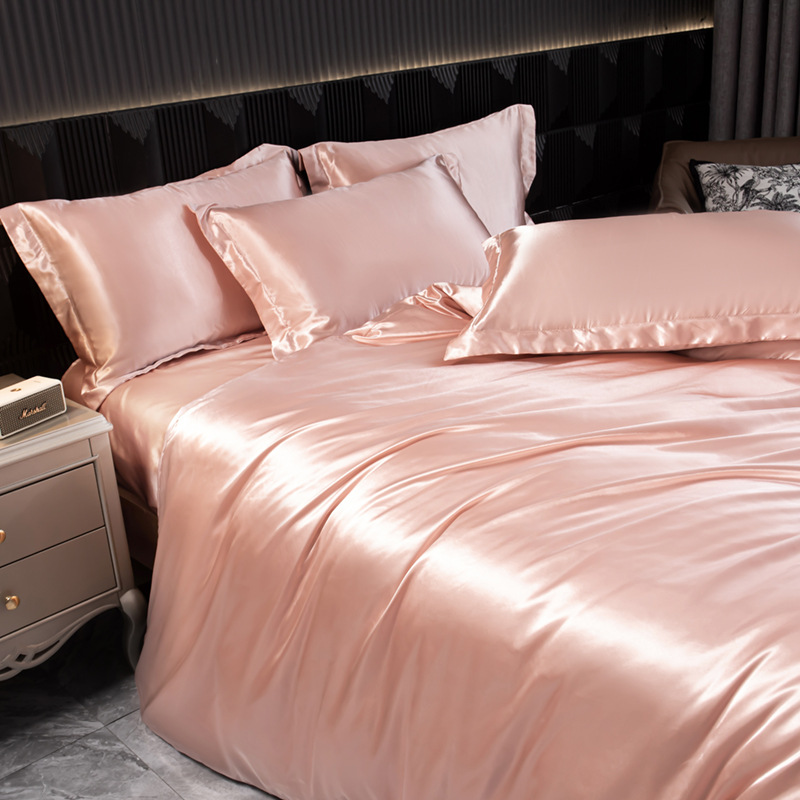
The concept of the bedroom has evolved significantly over the centuries, transitioning from a mere functional space for rest into a personalized sanctuary designed for holistic well-being. At the heart of this transformation lies the choice of textiles, particularly those that come into direct contact with the skin for a third of our lives. Among the various materials available in the modern market, quality silk bedding stands out as the undisputed pinnacle of luxury, comfort, and health-conscious design. While cotton has long been the standard for household linens, the discerning homeowner is increasingly turning toward silk, recognizing that the material offers far more than just a shimmering aesthetic. It is a biological marvel, a historical treasure, and a practical solution for some of the most common sleep-related grievances.
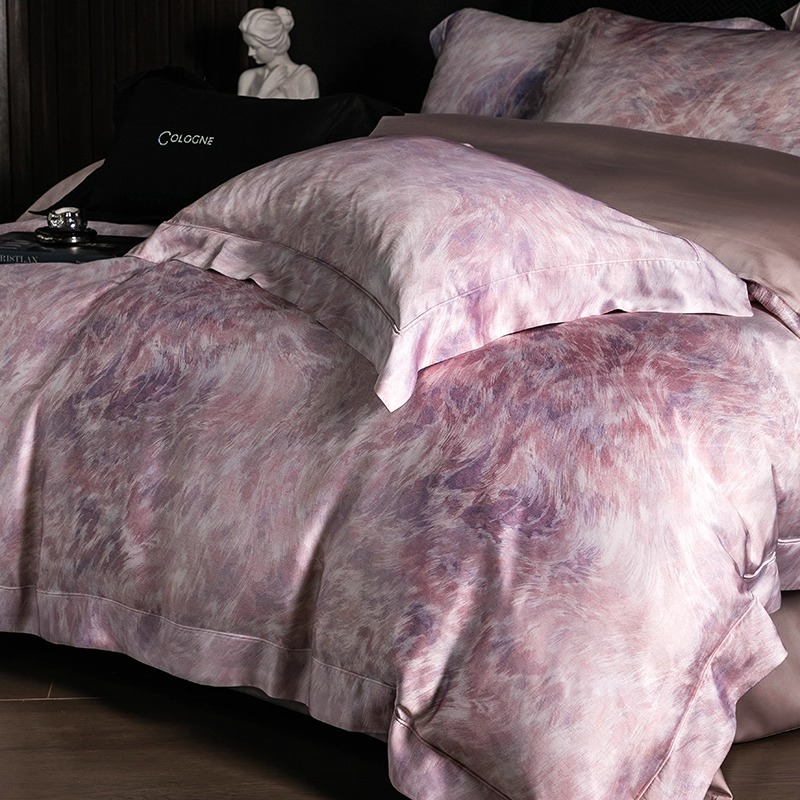
To understand the enduring appeal of silk, one must first appreciate its origins and the intricate process required to produce it. Unlike synthetic fibers or plant-based textiles, silk is a natural protein fiber produced by silkworms, most notably the Bombyx mori. This biological origin gives silk a unique chemical composition that closely mirrors the human skin. For thousands of years, the secrets of sericulture were guarded with the utmost care, making silk a symbol of status and imperial power. Today, while the fabric is more accessible, the commitment to producing high-end, quality silk bedding remains a labor-intensive craft that prioritizes the integrity of the fiber above all else. This commitment results in a fabric that is not only exceptionally soft but also remarkably durable and beneficial to the human body in ways that alternative materials simply cannot replicate.
Table of Contents
The Biological Synergy Between Silk and Skin Health
One of the most compelling arguments for investing in quality silk bedding is the profound impact it has on dermatological health. The smooth surface of silk is not merely a tactile pleasure; it serves a critical function in reducing mechanical friction. Every time we turn in our sleep, our skin rubs against the pillowcase and sheets. With traditional materials like cotton or linen, this friction can be surprisingly abrasive, leading to the formation of “sleep creases” which, over time, contribute to permanent fine lines and wrinkles. Silk, by contrast, allows the skin to glide effortlessly across its surface. This lack of resistance is particularly beneficial for those with sensitive skin or conditions such as eczema and psoriasis, as it minimizes irritation and prevents the exacerbation of existing inflammation.
Furthermore, silk is naturally composed of eighteen essential amino acids and a specific protein called sericin. In the textile industry, high-quality silk often retains a trace amount of these natural proteins, which are known to aid in skin metabolism. Unlike cotton, which is highly absorbent and can strip the skin of its natural oils and expensive nighttime moisturizers, silk is relatively non-absorbent. This ensures that the hydration remains where it belongs—on your face and body. By helping the skin maintain its natural moisture barrier throughout the night, quality silk bedding functions as an extension of one’s skincare routine, promoting a more hydrated, radiant complexion upon waking.
Natural Temperature Regulation and Moisture Management
The struggle to find the “perfect” sleeping temperature is a near-universal human experience. Many individuals suffer from being “hot sleepers,” waking up in the middle of the night due to trapped heat, while others find themselves shivering even under heavy blankets. Quality silk bedding offers an elegant solution to this thermal imbalance through its natural thermoregulating properties. Because silk is a breathable, natural fiber, it possesses the unique ability to insulate the body in cold weather by trapping air between its threads, while simultaneously wicking away moisture and heat when the temperature rises. This ensures a consistent, comfortable microclimate around the body, regardless of the external environment.
This moisture-wicking capability is particularly important for those who experience night sweats or hormonal fluctuations. Cotton bedding, once it becomes damp with sweat, stays wet and cold, often leading to a disrupted sleep cycle. Silk, however, can absorb up to thirty percent of its own weight in moisture without feeling damp to the touch. This moisture is then quickly evaporated into the air, keeping the sleeper dry and comfortable. The result is a deeper, more restorative sleep state, as the body does not have to constantly work to regulate its internal temperature against a hostile bedding environment.
Understanding the Technical Standards of Quality Silk
When navigating the world of luxury linens, it is essential to understand that not all silk is created equal. To ensure that one is purchasing true quality silk bedding, two primary metrics must be considered: the Momme count and the silk grade. Momme, a traditional Japanese unit of measurement, indicates the weight and density of the silk fabric. Unlike thread count, which is used for cotton, Momme measures the grams per square meter of fabric. For bedding, a Momme count between nineteen and twenty-five is generally considered the “sweet spot.” A nineteen-Momme silk is light and airy, while a twenty-five-Momme silk offers a more substantial, buttery weight and increased durability. Investing in a higher Momme count often leads to a longer-lasting product that can withstand regular laundering while maintaining its structural integrity.
The grading system is equally vital, with Grade 6A being the gold standard for mulberry silk. This grade indicates that the silk fibers are long, uniform in color, and free of impurities. Long-strand silk is significantly stronger and smoother than short-strand silk, which is often salvaged from broken cocoons. When long-strand, Grade 6A silk is woven into a Charmeuse weave—a technique that creates a lustrous sheen on one side and a matte finish on the other—the result is a textile that feels like a second skin. By prioritizing these technical specifications, consumers can distinguish between mass-produced, low-quality silk and the authentic, high-grade materials that define quality silk bedding.
Comparing Silk to Modern Alternatives
In recent years, several alternatives to silk have gained popularity, most notably bamboo viscose and synthetic “satin” made from polyester. While these materials are often marketed as affordable luxuries, they rarely match the comprehensive benefits of genuine silk. Polyester satin, for instance, is a petroleum-based product. While it may look shiny and feel smooth initially, it is entirely non-breathable, meaning it traps heat and can cause significant discomfort for anyone prone to overheating. Additionally, synthetic fibers lack the amino acids and proteins that contribute to skin and hair health, making them a purely aesthetic substitute rather than a functional one.
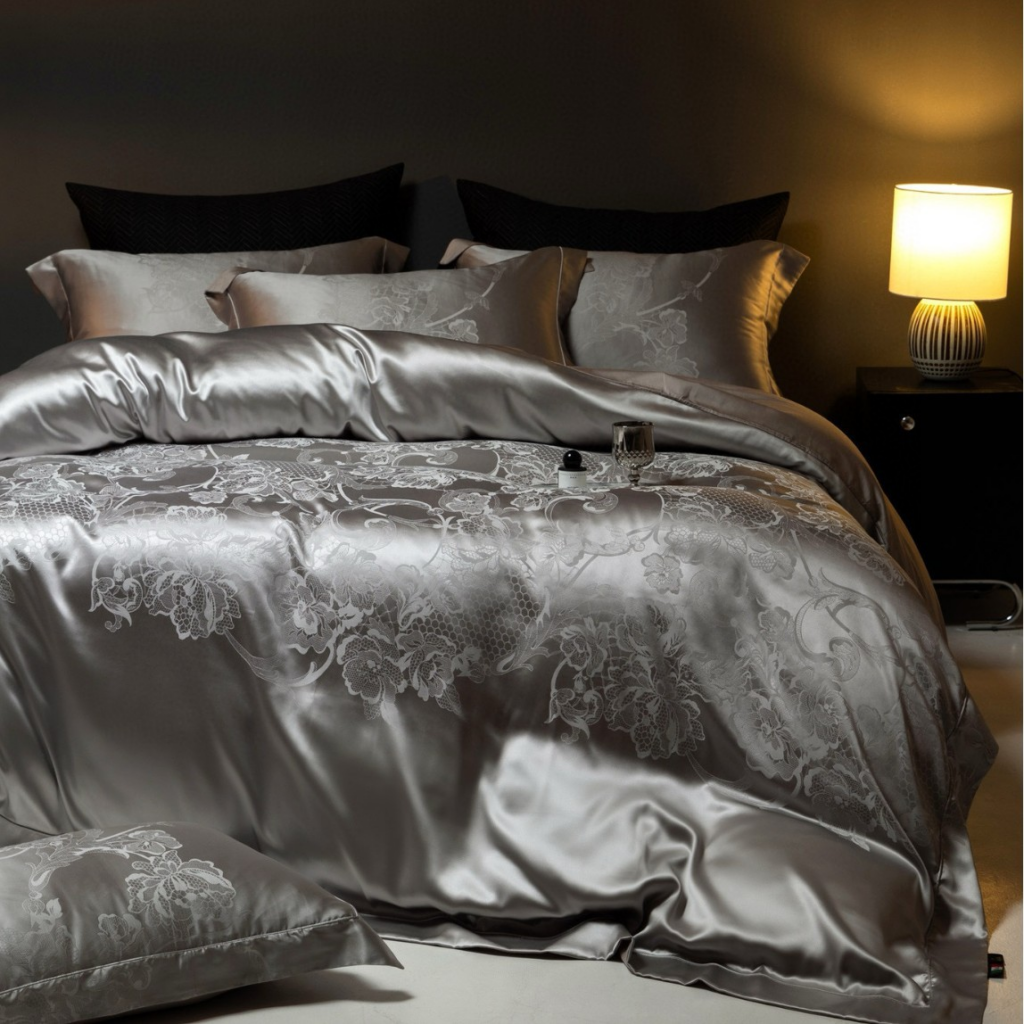
Bamboo, while more breathable than polyester, still undergoes intensive chemical processing to transform the woody stalks into a soft fabric. While it is a soft and eco-friendly option for many, it lacks the specific anti-friction and hypoallergenic qualities inherent in silk. Silk is naturally resistant to dust mites, mold, and mildew, thanks to the protective proteins created by the silkworm. This makes quality silk bedding an ideal choice for allergy sufferers who require a sterile yet comfortable sleep environment. When the longevity, health benefits, and tactile experience are weighed against the cost, the value proposition of genuine silk remains unmatched by its synthetic or plant-based counterparts.
Enhancing Hair Longevity and Health
Beyond skin care, the benefits of silk extend upward to the hair. Traditional cotton pillowcases feature fibers that, under a microscope, appear quite rough. These fibers can snag the hair cuticle, leading to frizz, tangles, and even breakage over time. This is particularly problematic for individuals with curly or textured hair, which is naturally more prone to dryness and damage. By switching to a pillowcase made from quality silk bedding, the hair is allowed to slide smoothly, preserving the hair’s natural oils and maintaining the integrity of the hair shaft.
Many professional hairstylists recommend silk pillowcases as a “secret weapon” for extending the life of a blowout or preventing the dreaded “bedhead.” Because silk does not create static electricity, it helps to keep the hair smooth and manageable. Over weeks and months of use, many people report a noticeable reduction in split ends and an overall increase in hair shine. It is a rare instance where a luxury purchase also serves as a preventative maintenance tool, saving time and money on hair repair treatments and styling products.
The Psychological Impact of a Luxury Sleep Environment
While the physical benefits of silk are well-documented, the psychological impact of sleeping in quality silk bedding should not be overlooked. The tactile sensation of high-grade silk against the skin sends an immediate signal to the nervous system that it is time to relax. In an age of high stress and constant digital stimulation, creating a sensory “anchor” in the bedroom can facilitate a faster transition into sleep. The weight, texture, and even the subtle luster of silk contribute to a sense of indulgence and self-care that can improve one’s overall mood and mental outlook.
Choosing to surround oneself with high-quality materials is an act of acknowledging the importance of one’s own rest. When the bed becomes a place of genuine delight rather than just a place to crash at the end of a long day, the quality of sleep inevitably improves. This “placebo of luxury” combined with the very real physiological benefits of the fabric creates a powerful synergy. Those who invest in silk often find that they look forward to their bedtime routine with greater anticipation, leading to more consistent sleep schedules and better sleep hygiene overall.
Longevity and the Sustainability of Natural Fibers
A common misconception about silk is that it is too delicate for everyday use or that it requires an impossible level of care. In reality, quality silk bedding is remarkably resilient if treated with basic respect. Silk is one of the strongest natural fibers in existence; for context, a silk filament is stronger than an equal diameter of steel. When cared for using pH-neutral detergents and washed on a gentle cycle, silk sheets can last for many years. This longevity makes silk a more sustainable choice than cheap synthetic bedding that must be replaced frequently due to pilling or thinning.
Moreover, as a natural fiber, silk is biodegradable. At the end of its long life cycle, it will return to the earth without leaving behind the microplastics associated with synthetic bedding. For the environmentally conscious consumer, opting for mulberry silk—which is produced by silkworms that feed exclusively on the leaves of the mulberry tree—is a way to support a traditional industry that has a relatively low environmental footprint compared to the mass production of synthetic textiles. By choosing quality over quantity, the consumer reduces waste and invests in a product that honors both the artisan and the environment.
Integrating Silk into the Modern Home
Incorporating quality silk bedding into a home does not necessarily require a complete bedroom overhaul. Many people begin their journey by simply replacing their cotton pillowcases with silk ones. This small change allows them to experience the skin and hair benefits immediately. From there, the transition to silk flat sheets or a full duvet cover often follows as the comfort benefits become undeniable. Silk also pairs beautifully with other natural materials; a silk sheet under a wool or cashmere throw creates a layering system that is both aesthetically pleasing and functionally superior in terms of warmth and breathability.
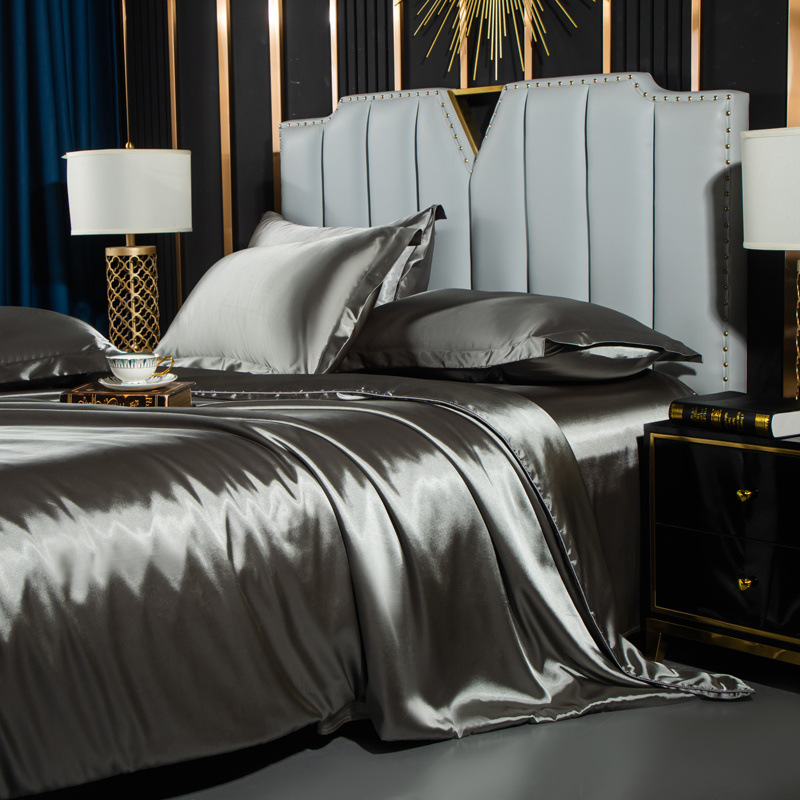
Design-wise, silk has a timeless elegance that transcends fleeting interior design trends. Whether in a minimalist, modern setting or a more traditional, opulent bedroom, the soft sheen of silk adds a layer of sophistication. Modern silk bedding is available in a wide array of muted, sophisticated tones—from champagne and charcoal to dusty rose and sage—ensuring that it can complement any color palette. The fabric’s ability to drape gracefully over the bed creates an inviting, polished look that transforms the entire room into a high-end suite.
Conclusion
The decision to invest in quality silk bedding is ultimately a decision to prioritize the quality of one’s life. While the initial cost may be higher than that of standard cotton or synthetic alternatives, the dividends paid in terms of dermatological health, hair preservation, temperature regulation, and psychological well-being are substantial. Silk is not merely a fabric; it is a sophisticated tool for better living. By understanding the importance of Momme count, silk grades, and the biological advantages of natural protein fibers, consumers can make an informed choice that will provide comfort and luxury for years to come. In the quest for the perfect night’s sleep, quality silk remains the gold standard, offering a harmony of science and elegance that no other material can replicate.
How to purchase:Online B2B sourcing platform, China purchase, Chinese suppliers – LooperBuy
Frequently Asked Questions
1. How can I distinguish genuine mulberry silk from synthetic polyester satin?
The most reliable way to identify genuine silk is through the “burn test,” although this is usually only possible with a small swatch or a loose thread. Real silk, being a protein fiber, will smell like burning hair and leave a powdery black ash that crumbles easily. Synthetic polyester, being a plastic, will smell like burning chemicals, melt into a hard black bead, and produce black smoke. Additionally, genuine silk has a multi-dimensional luster that changes when viewed from different angles, whereas synthetic satin often has a static, metallic shine.
2. What exactly is Momme count, and how does it influence the durability of bedding?
Momme (pronounced “moe-mee”) is a unit of weight used specifically for silk. It measures the weight in pounds of a piece of fabric that is 100 yards long and 45 inches wide. In practical terms, a higher Momme count means the silk is denser, uses more silk per square inch, and is therefore thicker and more durable. For bedding, 19-Momme is a good entry-level luxury, but 22-Momme or 25-Momme is preferred for sheets because the higher density makes them more resistant to tearing and pilling over time.
3. Is silk bedding suitable for use during all four seasons of the year?
Yes, silk is one of the few truly all-season fabrics. Its natural thermoregulating properties allow it to act as an insulator during the winter, keeping body heat close to the skin. During the summer, its high breathability and moisture-wicking capabilities help to dissipate excess heat and sweat, keeping the sleeper cool. This versatility makes quality silk bedding an excellent investment, as it does not need to be swapped out when the seasons change.
4. What is the recommended method for drying quality silk bedding after washing?
Silk should never be placed in a mechanical dryer, as the high heat can damage the delicate protein fibers and cause the fabric to shrink or lose its luster. The best method is to air dry the bedding out of direct sunlight. Sunlight can cause the natural fibers to become brittle and lead to color fading. Ideally, lay the silk flat on a drying rack or hang it over a smooth, non-metal rod to prevent creasing. If the silk feels a bit stiff after air drying, a quick cool iron on the “silk” setting will restore its characteristic softness.
5. Does the use of silk pillowcases actually provide benefits for hair health and skin anti-aging?
The benefits are based on the physics of the material. Because silk is incredibly smooth, it significantly reduces the friction that causes hair breakage and skin sleep-creases. Unlike cotton, which absorbs moisture, silk allows your skin and hair to retain their natural oils. While it cannot “reverse” aging, it is an effective preventative measure that minimizes the mechanical stress placed on your body during sleep, leading to smoother hair and more hydrated skin over the long term.
HOT TAG: Quality silk bedding, mulberry silk sheets, luxury sleep sanctuary, high momme silk, skin care bedding, hair health pillowcase, hypoallergenic silk linens, temperature regulating bedding, 6A grade silk, restorative sleep environment, anti-aging silk, breathable luxury textiles, silk vs cotton, natural protein fibers, bedroom investment guide, sustainable luxury bedding, silk maintenance tips, elegant bedroom decor, moisture wicking sheets, pure silk comfort.