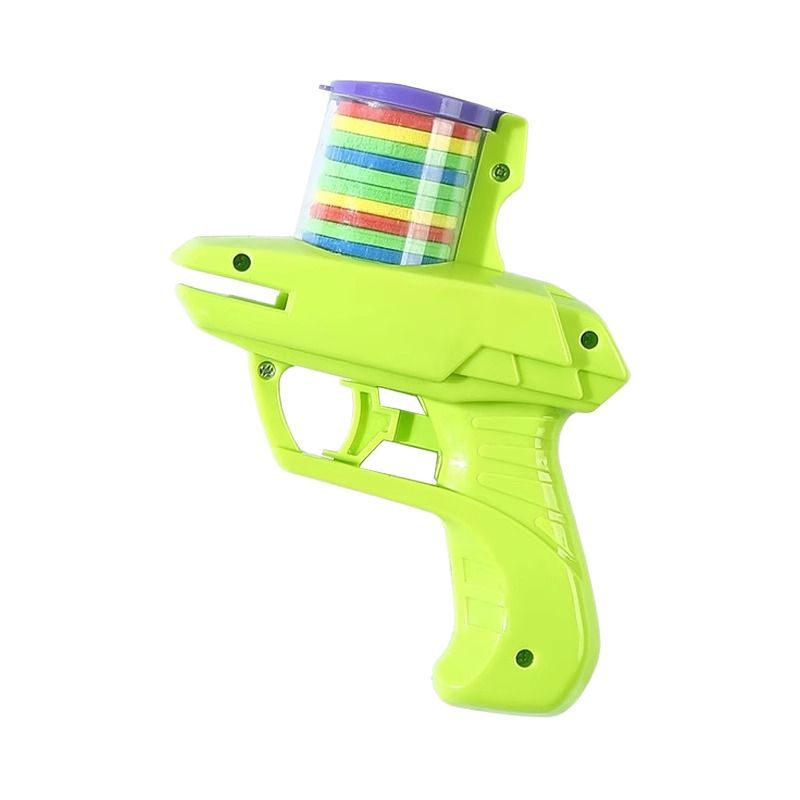
In the world of children’s toys, few items capture the imagination quite like toy shotguns. These playful replicas not only provide hours of entertainment but also serve as tools for imaginative play, allowing children to engage in scenarios that mimic the adventures of their favorite heroes. This article delves into the various aspects of children’s toy shotguns, exploring their appeal, safety considerations, and the role they play in child development.
Table of Contents
Understanding the Appeal of Toy Shotguns
The Thrill of Imagination
Children have an innate desire to explore and imitate the world around them. Toy shotguns, with their realistic designs and sounds, allow kids to step into the shoes of their favorite characters, whether they are playing cowboys and Indians, soldiers, or superheroes. The thrill of pretending to wield a powerful weapon can be exhilarating, fostering creativity and storytelling skills.
Imaginative play is crucial for cognitive development. When children engage in role-playing with toy shotguns, they create narratives that enhance their problem-solving abilities. For instance, a child might imagine a scenario where they are a hero saving the day, which encourages them to think critically about how to overcome obstacles in their story. This type of play not only entertains but also stimulates cognitive growth, as children learn to navigate complex social situations and develop their own unique storylines.
Social Interaction and Role Play
Playing with toy shotguns often involves group activities, where children can engage in role-playing games. This social interaction is crucial for developing communication skills and teamwork. As children negotiate roles, rules, and scenarios, they learn valuable lessons about cooperation and conflict resolution.
For example, during a game, one child might take on the role of the villain while others become heroes. This dynamic not only fosters creativity but also teaches children how to express their ideas and listen to others. Such interactions can lead to lasting friendships and improve social skills that are essential throughout life. Additionally, these experiences can help children understand different perspectives, as they must consider the motivations and feelings of their peers during play.
Physical Activity and Coordination
Engaging in active play with toy shotguns encourages physical movement. Whether running around in a backyard or participating in a structured game, children develop their motor skills and coordination. The act of aiming and pretending to shoot can enhance hand-eye coordination, which is essential for various physical activities.
Moreover, active play is vital for a child’s overall health. It helps combat sedentary lifestyles that are increasingly common in today’s digital age. By incorporating toy shotguns into outdoor play, children can enjoy the benefits of exercise while having fun. This physical activity not only promotes fitness but also contributes to emotional well-being, as children release energy and reduce stress through active play.
Safety Considerations for Toy Shotguns
Choosing the Right Toy
When selecting a toy shotgun, safety should be a top priority. Parents should look for toys made from non-toxic materials and designed with safety features. Many toy shotguns come with bright colors and soft edges to minimize the risk of injury. Additionally, toys that make sounds without projectiles can be a safer option for younger children.
Parents should also consider the size and weight of the toy. A lightweight, appropriately sized shotgun is easier for children to handle and reduces the risk of accidents. Checking for safety certifications can also provide peace of mind when purchasing these toys. Furthermore, it is advisable to read reviews and seek recommendations from other parents to ensure that the chosen toy meets safety standards.
Supervision During Play
While toy shotguns are designed for fun, adult supervision is essential, especially for younger children. Parents should ensure that play occurs in safe environments, away from fragile items or hazardous areas. Setting clear rules about how the toy can be used can also help prevent accidents.
Supervision is not just about safety; it also provides an opportunity for parents to engage with their children during play. By participating in games, parents can guide their children in understanding the importance of safety and respect for others during playtime. This involvement can also strengthen the parent-child bond, as shared play experiences create lasting memories.
Educating About Real Firearms
Using toy shotguns as a teaching tool can be beneficial. Parents can take the opportunity to educate their children about the differences between toys and real firearms. Discussing the importance of gun safety and respect for real weapons can instill a sense of responsibility in children.
This education can be particularly important in households where real firearms are present. Teaching children about the dangers of real guns and the importance of never touching them without adult supervision can help prevent accidents and promote a culture of safety. Parents can also use this opportunity to discuss the legal and ethical implications of gun ownership, fostering a sense of responsibility and awareness in their children.
The Role of Toy Shotguns in Child Development
Enhancing Creativity
Toy shotguns can serve as catalysts for creativity. Children often create elaborate stories and scenarios around their play, which can enhance their imaginative capabilities. This type of play encourages them to think critically and develop narratives, which are essential skills in literacy and communication.
Creative play is not limited to storytelling; it can also involve problem-solving. For instance, a child might encounter a challenge in their game and need to devise a strategy to overcome it. This process of thinking through problems can translate into better academic performance and real-life skills. Additionally, engaging in creative play can help children develop emotional intelligence, as they learn to navigate their feelings and those of others through role-playing.
Building Confidence
As children engage in role-playing with toy shotguns, they often take on different personas, which can boost their confidence. Successfully navigating a pretend battle or completing a mission can provide a sense of accomplishment, helping children build self-esteem.
Confidence gained through play can have lasting effects. Children who feel empowered in their imaginative play are more likely to take risks in other areas of their lives, whether in academics, sports, or social situations. This sense of self-assuredness can lead to greater resilience as they face challenges. Moreover, children who engage in role-playing often develop leadership skills, as they learn to take charge of situations and guide their peers during play.
Understanding Boundaries
Playing with toy shotguns can also teach children about boundaries and appropriate behavior. Through guided play, children can learn when it is acceptable to use their imagination and when to be serious. This understanding is crucial for their social development and helps them navigate real-world situations.
Parents can facilitate this learning by discussing the difference between play and reality. Encouraging children to express their feelings about their play experiences can also help them understand the impact of their actions on others. This dialogue can foster empathy and compassion, as children learn to consider the feelings of their peers during play.
Popular Types of Children’s Toy Shotguns
Pump Action Shotguns
One of the most popular designs is the pump-action shotgun. These toys often feature realistic sounds and mechanisms that mimic the action of real shotguns. They are typically made from durable plastic and are designed to withstand rough play. Brands like Bass Pro Shops and Liberty Imports offer a variety of pump-action toy shotguns that are well-received by children and parents alike.
These toys often come with additional features, such as lights and sound effects, which enhance the play experience. The interactive elements can keep children engaged for longer periods, making them a favorite choice for parents looking for toys that promote active play. Furthermore, the realistic design of pump-action shotguns can spark children’s interest in learning about the mechanics of real firearms, fostering curiosity and knowledge.
Double Barrel Shotguns
Double-barrel toy shotguns are another favorite among children. These toys often come with fun features like ejecting shells and sound effects, making them exciting for imaginative play. They are often styled to resemble classic Western guns, appealing to children who enjoy cowboy-themed games.
The design of double-barrel shotguns can also encourage cooperative play. Children can take turns using the toy, fostering sharing and teamwork as they engage in their imaginative scenarios. This type of play can help children develop social skills, as they learn to negotiate and collaborate with their peers.
Foam Dart Shotguns
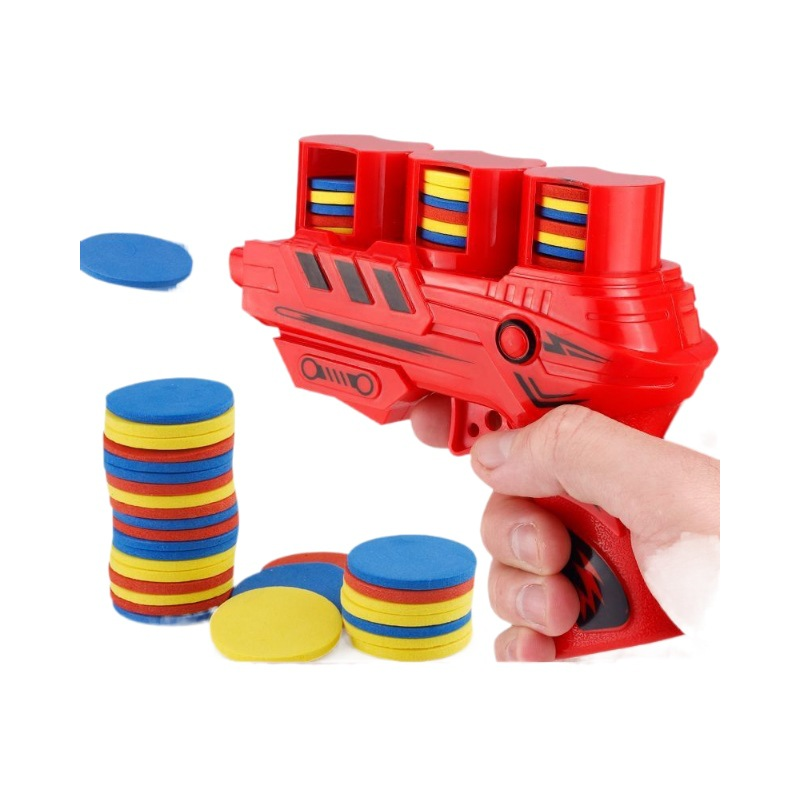
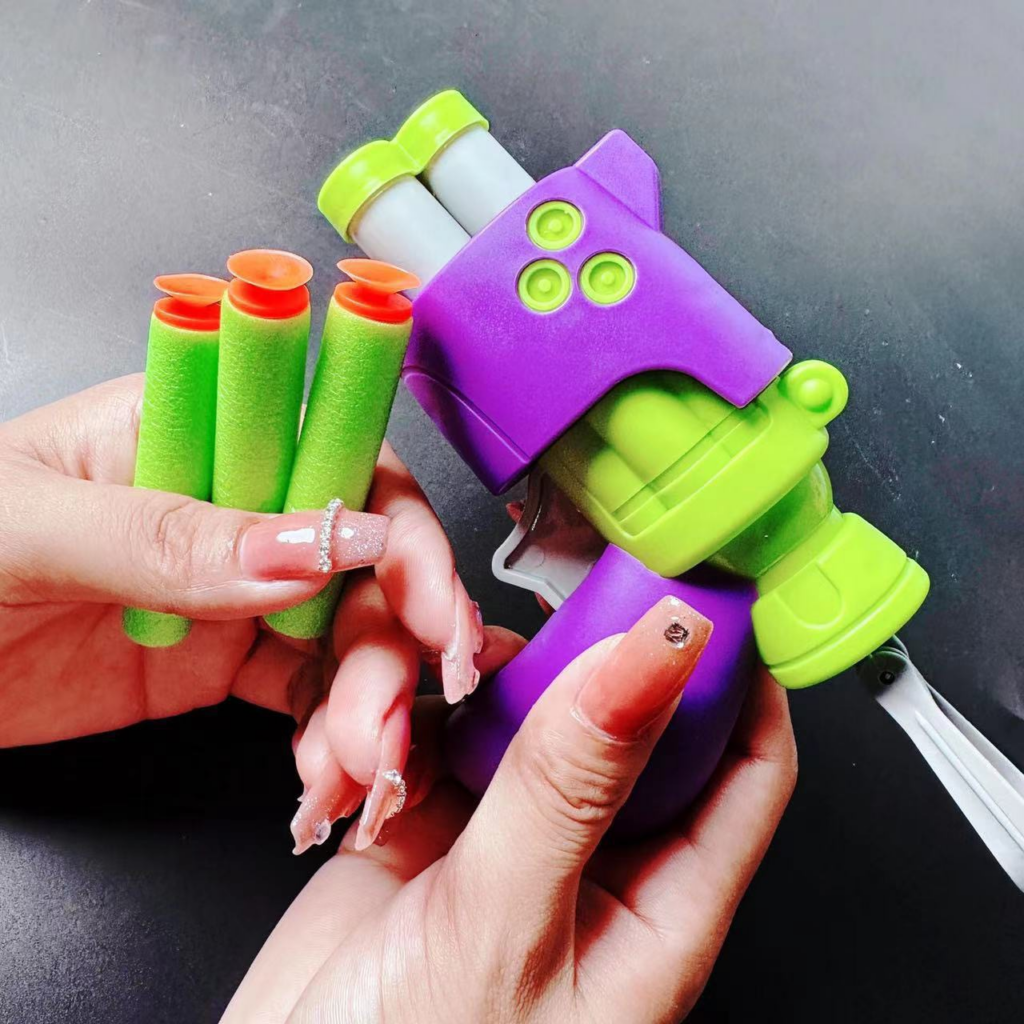
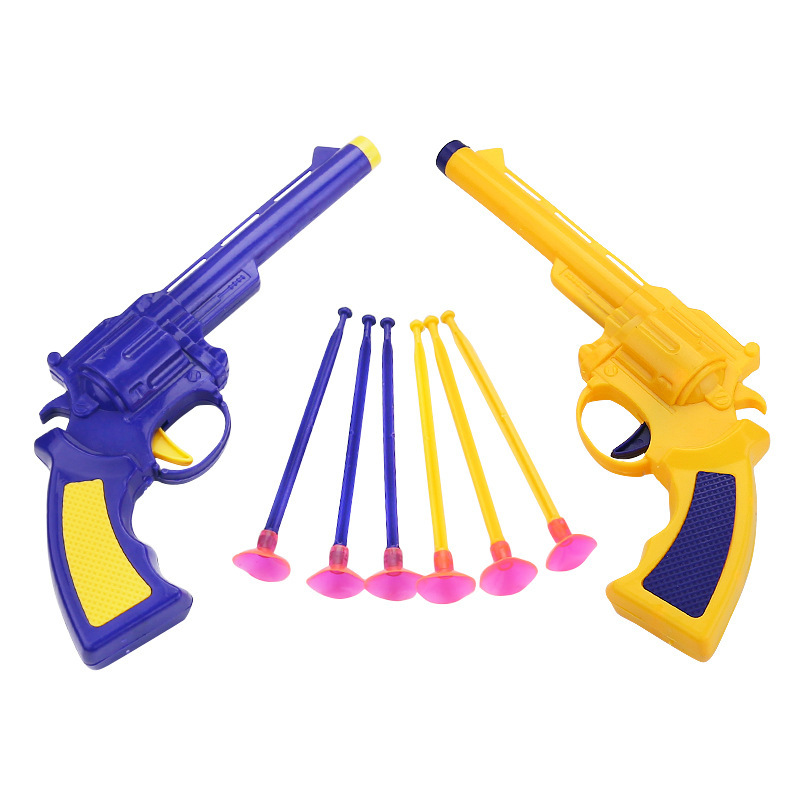
For parents concerned about safety, foam dart shotguns provide a fun alternative. These toys shoot soft foam darts, allowing for safe play while still delivering the thrill of shooting. They are perfect for indoor and outdoor play, making them versatile options for various settings.
Foam dart shotguns can also be used in organized games, such as capture the flag or target practice, which can further enhance physical activity and social interaction among children. These games can promote teamwork and strategic thinking, as children must work together to achieve their objectives.
The Psychological Effects of Playing with Toy Weapons
While toy shotguns can be a source of fun and creativity, they also raise questions about their psychological effects on children. Research suggests that playing with toy weapons can help children process their understanding of power, conflict, and social dynamics.
Understanding Aggression and Conflict
Some studies indicate that children who engage in play with toy weapons may develop a better understanding of aggression and conflict resolution. By acting out scenarios involving conflict, children can explore their feelings and learn how to navigate social interactions. This type of play can provide a safe space for children to express emotions that they may not fully understand.
Moreover, engaging in pretend play with toy shotguns can help children differentiate between fantasy and reality. They learn that while it is fun to pretend to be powerful, real-life consequences exist for aggressive behavior. This understanding can lead to healthier emotional regulation and conflict resolution skills.
Cultural Perspectives on Toy Weapons
Different cultures have varying views on toy weapons and their impact on children’s behavior. In some cultures, toy guns are seen as a natural part of childhood play, while in others, they may be discouraged due to concerns about promoting violence. Understanding these cultural perspectives can help parents make informed decisions about the types of toys they provide for their children.
In cultures where toy weapons are accepted, they are often integrated into traditional games and storytelling. This integration can help children understand their cultural heritage and the narratives that shape their identities. Conversely, in cultures that discourage toy weapons, parents may seek alternative forms of play that promote creativity without the use of weapons.
Long-Term Effects of Early Exposure
The long-term effects of early exposure to toy weapons on children’s attitudes towards violence are still a topic of debate among researchers. Some argue that such play can desensitize children to violence, while others believe it can foster empathy and understanding. Engaging children in discussions about their play can help parents gauge their understanding and feelings about violence and conflict.
Parents can play a crucial role in shaping their children’s attitudes towards violence by discussing the themes present in their play. By encouraging children to reflect on their experiences and feelings, parents can help them develop a nuanced understanding of conflict and aggression.
Conclusion
Children’s toy shotguns are more than just playthings; they are tools for creativity, social interaction, and physical development. While safety is paramount, the benefits of imaginative play with these toys can significantly contribute to a child’s growth. By choosing the right toys and supervising play, parents can ensure that their children enjoy the excitement of toy shotguns while learning valuable life skills.
How to purchase:Online B2B sourcing platform, China purchase, Chinese suppliers – LooperBuy
Frequently Asked Questions
1. Are toy shotguns safe for children?
Yes, as long as they are made from non-toxic materials and designed with safety features. Always supervise play to ensure safety.
2. What age is appropriate for children to play with toy shotguns?
Most toy shotguns are suitable for children aged 5 and up, but it’s essential to check the manufacturer’s recommendations.
3. How can I teach my child about gun safety using toy shotguns?
Use the opportunity to explain the differences between toys and real firearms, emphasizing respect and safety.
4. What are some popular brands of toy shotguns?
Popular brands include Bass Pro Shops, Liberty Imports, and NKOK, which offer a variety of styles and features.
5. Can playing with toy shotguns help with my child’s development?
Yes, it can enhance creativity, build confidence, and teach social skills through role-playing and imaginative scenarios.
HOT TAG: children’s toy shotguns, imaginative play, safety in children’s toys, child development, role-playing games, social interaction, creative storytelling, physical activity, parenting tips, cultural perspectives on toy weapons, psychological effects of play, conflict resolution, responsible play practices, educational toys, fostering creativity in children, enhancing motor skills, understanding boundaries, promoting empathy, safe play environments, engaging in active play