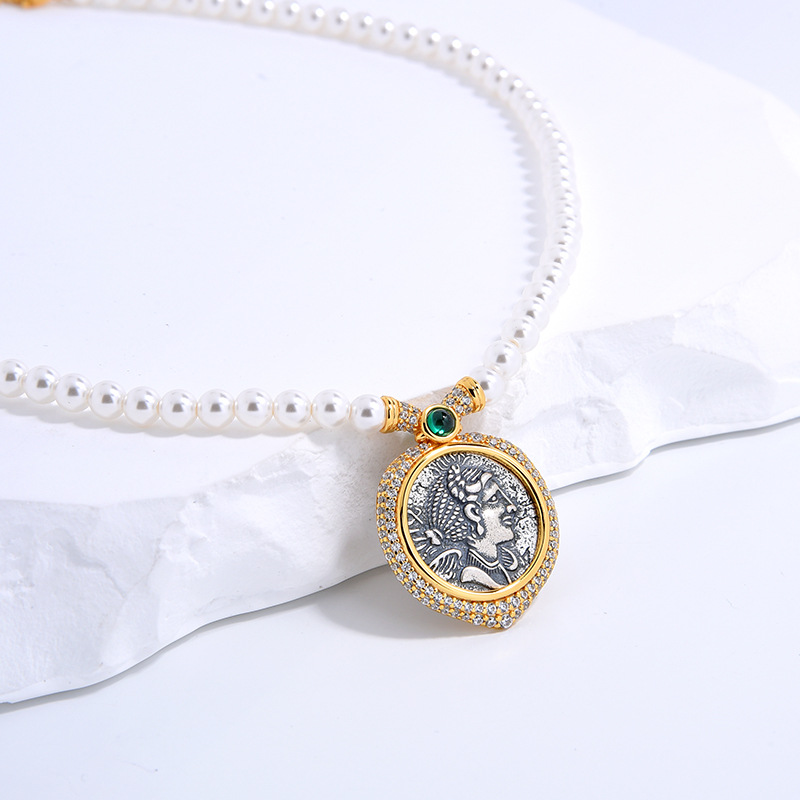
Pearl necklaces have long been a symbol of elegance and sophistication, but the Roman pearl necklace holds a unique place in history. This article explores the rich heritage of Roman pearl necklaces, their significance in ancient Rome, and their enduring appeal in modern fashion.
Table of Contents
The Historical Significance of Pearls in Ancient Rome
The Origins of Pearl Jewelry

Pearls were highly prized in ancient Rome, often associated with wealth and status. The fascination with pearls began around the time of Pompey the Great’s military campaigns in the 1st century BC, which introduced these exquisite gems to the Roman elite. Pearls were not just decorative items; they were symbols of power and prestige. Julius Caesar even enacted laws to restrict pearl ownership to the upper echelons of society, emphasizing their value.
The Craftsmanship Behind Roman Pearl Necklaces
Roman artisans were skilled in creating intricate jewelry, and pearl necklaces were no exception. These necklaces often featured a combination of pearls and other precious materials, such as gold and gemstones. The craftsmanship involved in creating these pieces was meticulous, with each pearl carefully selected for its luster and size. The result was a stunning piece of jewelry that could elevate any outfit.
The Design and Style of Roman Pearl Necklaces
Classic Designs
Roman pearl necklaces typically featured a simple yet elegant design. The most common style consisted of a single strand of pearls, often interspersed with gold beads or charms. This minimalist approach allowed the natural beauty of the pearls to shine through. Some necklaces also included pendants, which could be adorned with coins or other decorative elements, adding a unique touch to each piece.
Variations in Style
While the classic design remained popular, variations emerged over time. Some Roman pearl necklaces incorporated multiple strands, creating a more opulent look. Others featured elaborate clasps and settings, showcasing the skill of the jeweler. The use of colored pearls, such as those from the Persian Gulf, also became fashionable, adding a new dimension to the traditional pearl necklace.
The Cultural Impact of Pearls in Roman Society
Pearls as Status Symbols
In Roman society, pearls were more than just jewelry; they were a reflection of one’s social standing. Wealthy women adorned themselves with multiple strands of pearls, often layering them for a more dramatic effect. The sight of a woman draped in pearls was a common one in the upper echelons of Roman society, and it conveyed a message of affluence and sophistication.
Pearls in Literature and Art
The allure of pearls extended beyond fashion into literature and art. Roman poets and writers often referenced pearls in their works, symbolizing beauty and luxury. Artists depicted pearls in their paintings, capturing their iridescent glow and the elegance they brought to the wearer. This cultural significance helped cement pearls as a timeless symbol of beauty.
The Symbolism of Pearls in Roman Culture
Pearls and Mythology
In Roman culture, pearls were often associated with the goddess Venus, the embodiment of love and beauty. This connection further enhanced their desirability among the elite. Pearls were believed to bring good fortune and were often given as gifts to signify love and affection. The symbolism of pearls as tokens of love has persisted through the ages, making them a popular choice for engagement and wedding jewelry.
Pearls in Religious Contexts
Beyond their aesthetic appeal, pearls also held religious significance in ancient Rome. They were often used in ceremonial jewelry and were believed to possess protective qualities. The Romans associated pearls with purity and divinity, making them a fitting choice for religious artifacts and offerings.
The Revival of Roman Pearl Necklaces in Modern Fashion
Contemporary Interpretations
Today, the charm of Roman pearl necklaces continues to captivate jewelry designers and fashion enthusiasts alike. Modern interpretations often blend traditional designs with contemporary elements, creating pieces that resonate with today’s aesthetic sensibilities. Designers experiment with different materials, colors, and styles, ensuring that the legacy of Roman pearl necklaces lives on.
The Versatility of Pearl Necklaces
One of the reasons for the enduring popularity of pearl necklaces is their versatility. They can be worn on various occasions, from formal events to casual outings. A simple strand of pearls can elevate a little black dress, while a more elaborate design can complement a wedding gown. This adaptability makes pearl necklaces a staple in any jewelry collection.
The Cultural and Economic Impact of Pearls in Ancient Rome

Pearls as Economic Assets
The demand for pearls significantly influenced the economy of ancient Rome. As the elite sought to showcase their wealth, the pearl trade flourished. Pearls were often imported from regions such as the Persian Gulf and India, making them valuable commodities. The Roman general Vitellius famously sold one of his mother’s pearl earrings to finance a military campaign, illustrating the economic importance of these gems.
The Role of Pearls in Social Hierarchies
Jewelry in ancient Rome was a visible language of class, power, and wealth. Pearls, being among the most coveted materials, played a crucial role in reinforcing social hierarchies. The quantity and quality of pearls worn by individuals communicated their social status. Laws were enacted to regulate who could wear pearls, further entrenching their association with the elite.
The Dual Nature of Pearls in Roman Society
Pearls as Symbols of Purity and Decadence
The perception of pearls in Roman society was complex. While they were seen as symbols of purity and beauty, they also represented excess and decadence. The extravagant displays of pearls by emperors like Caligula and Nero highlighted this duality. Caligula famously adorned his horse with a pearl necklace, showcasing the absurd lengths to which the elite would go to display their wealth.
Moral Critiques of Pearl Obsession
The obsession with pearls did not go unnoticed by moralists and satirists of the time. Writers like Martial critiqued the Roman nobility’s fixation on pearls, suggesting that such excess was indicative of moral decay. This critique reflects a broader societal tension regarding wealth and virtue, as pearls became both a symbol of status and a target for criticism.
The Influence of Roman Pearl Necklaces on Later Jewelry Styles
The Legacy of Roman Designs
The designs and styles of Roman pearl necklaces have had a lasting impact on jewelry throughout history. The simplicity and elegance of Roman pearl necklaces influenced the designs of later periods, including the Renaissance and Baroque eras. Jewelers in these periods often drew inspiration from Roman aesthetics, incorporating pearls into their creations.
Modern Adaptations
In contemporary jewelry design, the influence of Roman pearl necklaces can be seen in the resurgence of classic styles. Modern designers often reinterpret traditional Roman designs, blending them with modern materials and techniques. This fusion creates a unique aesthetic that honors the past while appealing to contemporary tastes.
Sources of Pearls in Ancient Rome
Major Pearl-Producing Regions
The primary sources of pearls for Roman jewelry included the Red Sea, the Persian Gulf, and the Indian Ocean. These regions were known for their rich marine biodiversity, which provided a variety of pearl oysters. The trade routes established during the Roman Empire facilitated the importation of these precious gems, making them accessible to the elite.
- The Persian Gulf: This region was renowned for producing some of the largest and most lustrous pearls. The oysters found here were highly sought after, and the pearls were often used in the most extravagant jewelry pieces.
- The Red Sea: Pearls from the Red Sea were also popular, though they were generally smaller than those from the Persian Gulf. They were often used in more modest jewelry designs.
- The Indian Ocean: This area contributed to the diversity of pearls available in Rome, with various types and colors being imported.
- China: Although not as prominent as the other regions, China also produced pearls that found their way into Roman markets, adding to the variety and allure of pearl jewelry.
The Trade and Economy of Pearls
The pearl trade was a significant aspect of the Roman economy. As demand for pearls grew, so did the trade networks that supplied them. Traders and merchants traveled vast distances to acquire pearls, which were then sold at exorbitant prices in Roman markets. The wealth generated from the pearl trade contributed to the opulence of Roman society, further entrenching pearls as symbols of status and luxury.
Types of Pearls Valued in Ancient Rome
Varieties of Pearls
In ancient Rome, several types of pearls were highly valued, each with its unique characteristics and appeal:
- Natural Pearls: These pearls formed naturally within oysters and were the most sought after. Their rarity and beauty made them a symbol of wealth and status.
- Cultured Pearls: Although not as common in ancient Rome as they are today, the concept of cultivating pearls began to emerge. These pearls were created through human intervention, leading to a more consistent quality and size.
- Conch Pearls: Sourced from the conch shell, these pearls were unique due to their pinkish hue and were considered rare and valuable.
- Margaritae: The Romans used the term “margaritae” to refer to smaller, less perfect pearls, which were still valued but not as highly as the larger, more lustrous varieties.
- Unio: This term referred to larger, more perfect pearls, which were highly prized and often used in the most extravagant jewelry pieces.
The Value of Pearls
The value of pearls in ancient Rome was determined by several factors, including size, shape, color, and luster. Larger pearls were rarer and thus more valuable. Round pearls were considered the most desirable, while baroque pearls, which had irregular shapes, were less sought after but still appreciated for their uniqueness.
Caring for Your Roman Pearl Necklace
Maintenance Tips
To ensure that your Roman pearl necklace remains in pristine condition, proper care is essential. Here are some tips for maintaining the beauty of your pearls:
- Avoid Exposure to Chemicals: Pearls are sensitive to harsh chemicals found in perfumes, lotions, and cleaning products. Always apply these products before putting on your necklace.
- Store Properly: Store your pearl necklace in a soft pouch or a separate compartment in your jewelry box to prevent scratches.
- Clean Gently: Use a soft, damp cloth to wipe your pearls after wearing them. Avoid using ultrasonic cleaners, as they can damage the pearls.
When to Seek Professional Help
If your pearl necklace requires more extensive cleaning or repairs, consider taking it to a professional jeweler. They can ensure that your necklace is restored to its original beauty without risking damage.
The Future of Roman Pearl Necklaces
Trends in Jewelry Design
As fashion continues to evolve, so too does the design of pearl jewelry. Contemporary designers are increasingly incorporating pearls into innovative designs, blending them with modern materials like leather and stainless steel. This fusion of styles not only honors the traditional elegance of pearls but also makes them relevant in today’s fashion landscape.
The Sustainable Pearl Movement
With a growing emphasis on sustainability in fashion, the pearl industry is also adapting. Many jewelers are now focusing on ethical sourcing and environmentally friendly practices. This shift not only appeals to eco-conscious consumers but also ensures the longevity of pearl farming and the preservation of marine ecosystems.

Conclusion
The Roman pearl necklace is more than just a piece of jewelry; it is a testament to the artistry and cultural significance of pearls throughout history. From their origins in ancient Rome to their modern-day interpretations, these necklaces continue to enchant and inspire. Whether worn for a special occasion or as an everyday accessory, Roman pearl necklaces remain a timeless symbol of elegance and sophistication.
How to purchase:Online B2B sourcing platform, China purchase, Chinese suppliers – LooperBuy
Frequently Asked Questions
1. What are Roman pearl necklaces made of?
Roman pearl necklaces are primarily made of natural pearls, often combined with gold or other precious materials for added elegance.
2. How can I tell if my pearl necklace is genuine?
To determine if a pearl necklace is genuine, look for imperfections in the pearls, as natural pearls often have slight variations. Additionally, consult a professional jeweler for an expert opinion.
3. Are Roman pearl necklaces suitable for everyday wear?
Yes, Roman pearl necklaces can be worn daily, but it’s essential to take care of them by avoiding exposure to harsh chemicals and storing them properly.
4. How do I clean my pearl necklace?
Clean your pearl necklace with a soft, damp cloth after each wear. Avoid using harsh cleaners or ultrasonic devices, as they can damage the pearls.
5. Where can I buy Roman pearl necklaces?
Roman pearl necklaces can be found at jewelry stores, online marketplaces and specialty boutiques that focus on vintage or handmade jewelry.
HOT TAG: Roman pearl necklace, ancient jewelry, pearl care tips, modern fashion, timeless elegance, Roman history, jewelry craftsmanship, pearl symbolism, sustainable fashion, luxury accessories, cultural significance of pearls, economic impact of pearls, dual nature of pearls, pearls in literature, pearls in art, sources of pearls in ancient Rome, types of pearls valued in ancient Rome, influence on jewelry design.