Table of Contents
Introduction to Luxury Home Textiles
In the realm of interior design, luxury home textiles play a pivotal role in creating an inviting and sophisticated atmosphere. These textiles not only enhance the aesthetic appeal of a space but also contribute to comfort and functionality. From sumptuous fabrics to exquisite designs, luxury home textiles encompass a wide range of products, including curtains, cushions, bed linens, and upholstery. This article delves into the world of luxury home textiles, exploring their significance, trends, and how they can transform your living space into a haven of elegance.
Understanding Luxury Home Textiles
What Defines Luxury in Textiles?
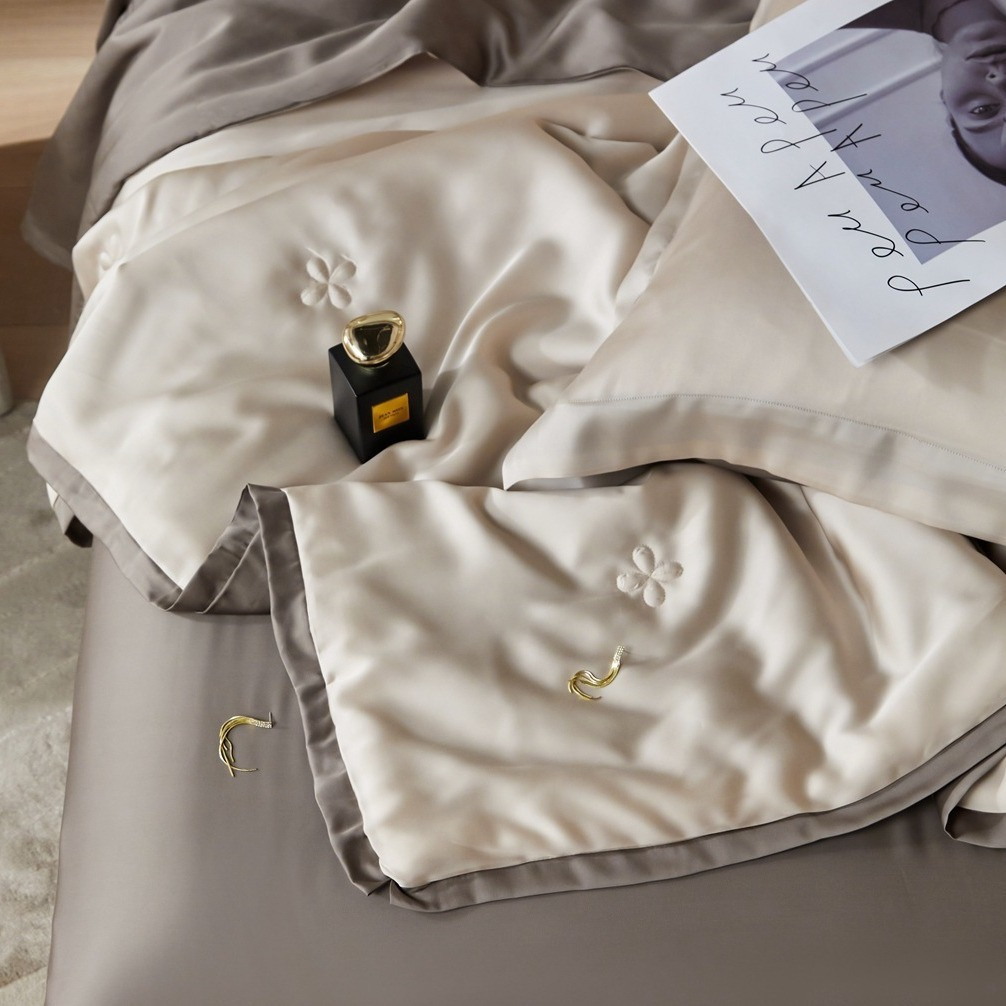
Luxury home textiles are characterized by their superior quality, craftsmanship, and design. They are often made from high-end materials such as silk, cashmere, and fine cotton, which provide a tactile experience that is both indulgent and durable. The definition of luxury can vary from person to person, but it generally encompasses the following elements:
- Quality: Luxury textiles are crafted with meticulous attention to detail, ensuring that every piece is of the highest standard.
- Design: Unique and innovative designs set luxury textiles apart, often featuring intricate patterns, rich colors, and textures that elevate the overall decor.
- Sustainability: Many luxury brands are now focusing on sustainable practices, using eco-friendly materials and ethical production methods to appeal to environmentally conscious consumers.
The Importance of Home Textiles in Interior Design
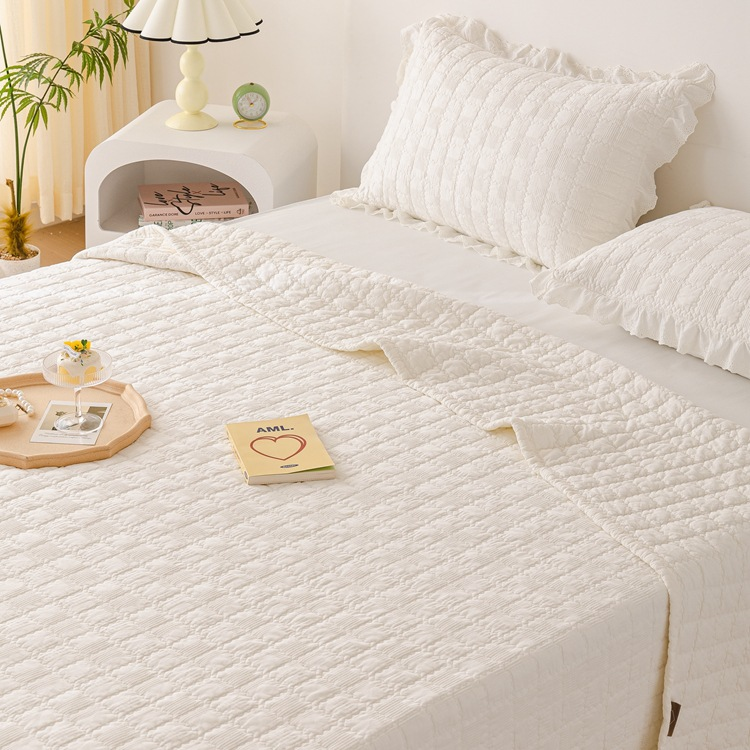
Home textiles are essential components of interior design, serving both functional and decorative purposes. They can dramatically alter the ambiance of a room, influencing how space is perceived and experienced. Here are some key reasons why home textiles are vital in interior design:
- Comfort: Textiles add warmth and comfort to a space, making it more inviting. Soft furnishings like cushions and throws create a cozy atmosphere.
- Style: The right textiles can enhance the overall style of a room, whether it be modern, traditional, or eclectic. They can serve as focal points or subtle accents, depending on the design intent.
- Versatility: Home textiles are versatile and can be easily changed or updated to refresh a space. Seasonal changes in textiles can bring new life to a room without the need for major renovations.
Trends in Luxury Home Textiles
Current Trends Shaping the Industry
The luxury home textiles market is constantly evolving, influenced by changing consumer preferences and design trends. Here are some of the current trends that are shaping the industry:
- Natural Materials: There is a growing demand for textiles made from natural fibers such as linen, cotton, and wool. These materials are not only sustainable but also offer a timeless appeal.
- Bold Patterns and Colors: Designers are embracing bold patterns and vibrant colors to create statement pieces that stand out. Geometric designs, florals, and abstract prints are popular choices for adding personality to a space.
- Layering Textiles: Layering different textiles is a trend that adds depth and texture to interiors. Combining various fabrics, such as mixing velvet with linen or cotton with silk, creates a rich visual experience.
Sustainable Luxury Textiles
Sustainability is becoming increasingly important in the luxury home textiles sector. Consumers are more aware of the environmental impact of their purchases and are seeking out brands that prioritize eco-friendly practices. Sustainable luxury textiles often feature:
- Organic Materials: Textiles made from organic cotton, bamboo, and hemp are gaining popularity due to their minimal environmental impact.
- Ethical Production: Brands that ensure fair labor practices and transparency in their supply chains are appealing to conscious consumers.
- Recycled Fabrics: The use of recycled materials in textile production is on the rise, reducing waste and promoting a circular economy.
Choosing the Right Luxury Home Textiles
Factors to Consider When Selecting Textiles
When selecting luxury home textiles, it is essential to consider various factors to ensure that they meet your needs and preferences. Here are some key considerations:
- Purpose: Determine the primary function of the textiles. Are they for decorative purposes, comfort, or both? This will guide your choices in terms of fabric and design.
- Color Scheme: Consider the existing color palette of your space. Choose textiles that complement or contrast with your decor to create a cohesive look.
- Maintenance: Some luxury fabrics require special care, while others are more durable and easy to maintain. Be sure to choose textiles that fit your lifestyle and cleaning preferences.
Popular Types of Luxury Home Textiles
Luxury home textiles come in various forms, each serving a unique purpose in enhancing your living space. Here are some popular types:
- Curtains and Drapes: These are essential for controlling light and privacy while adding elegance to windows. Luxurious fabrics like silk and velvet can create a dramatic effect.
- Cushions and Throws: Soft furnishings like cushions and throws provide comfort and style. They can be easily changed to update the look of a room.
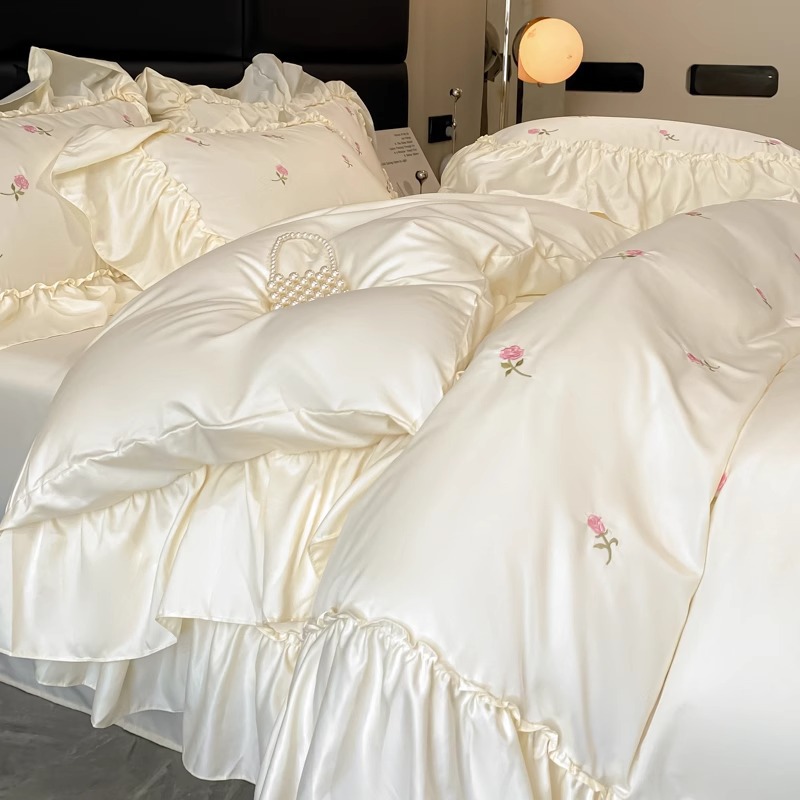
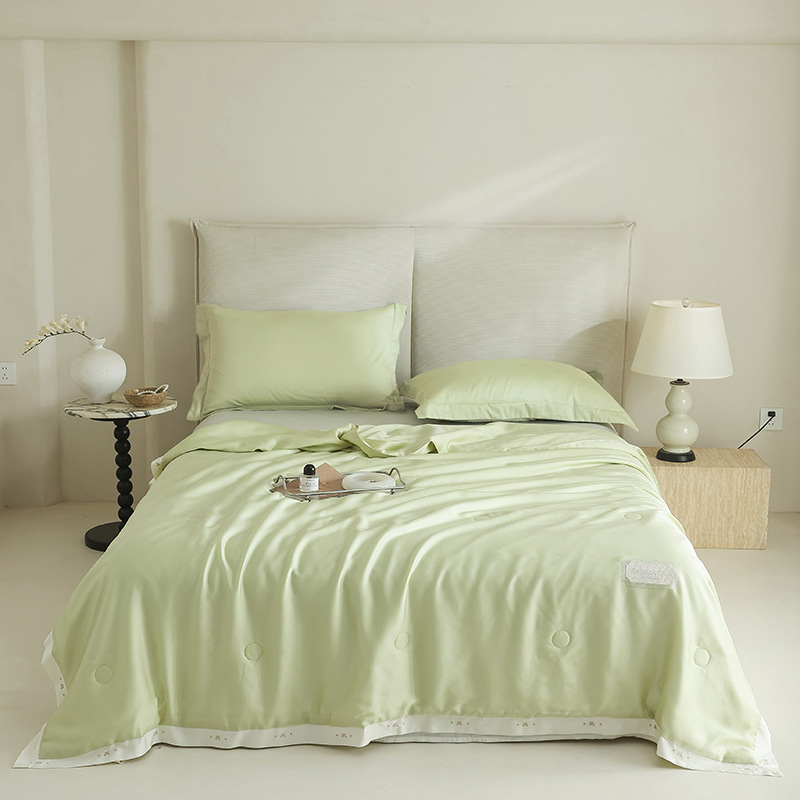
- Bed Linens: High-quality bed linens made from Egyptian cotton or silk can transform your bedroom into a luxurious retreat. Look for thread counts and finishes that enhance comfort.
- Upholstery: Investing in luxury upholstery for furniture can elevate the overall design of a room. Choose durable fabrics that withstand wear while maintaining their beauty.
The Impact of Luxury Home Textiles on Well-Being
Enhancing Comfort and Relaxation
The right textiles can significantly impact your well-being by creating a comfortable and relaxing environment. Soft, plush fabrics can make a space feel more inviting, encouraging relaxation and tranquility. Here are some ways luxury home textiles contribute to well-being:
- Sound Absorption: Textiles can help absorb sound, reducing noise levels and creating a peaceful atmosphere. This is particularly important in urban settings where noise pollution can be a concern.
- Temperature Regulation: Certain fabrics, such as wool and cotton, can help regulate temperature, keeping you warm in winter and cool in summer. This contributes to a more comfortable living environment.
- Aesthetic Pleasure: Beautiful textiles can enhance your mood and overall sense of well-being. Surrounding yourself with aesthetically pleasing items can create a positive atmosphere in your home.
Creating a Personal Sanctuary
Luxury home textiles allow you to express your personal style and create a sanctuary that reflects your tastes and preferences. By carefully selecting textiles that resonate with you, you can curate a space that feels uniquely yours. Here are some tips for creating your personal sanctuary:
- Incorporate Personal Touches: Use textiles that have personal significance, such as family heirlooms or items collected during travels. These pieces can add character and warmth to your space.
- Mix and Match: Don’t be afraid to mix different textures and patterns. Combining various textiles can create a dynamic and visually interesting environment.
- Focus on Comfort: Prioritize comfort in your textile choices. Soft, inviting fabrics can make your home feel more welcoming and enjoyable.
The Role of Technology in Luxury Home Textiles
Innovations in Textile Production
The luxury home textiles industry is not just about traditional craftsmanship; it is also embracing technology to enhance product offerings. Innovations in textile production are leading to the development of new materials and designs that cater to modern consumer needs. Some notable advancements include:
- Smart Textiles: These textiles incorporate technology that allows them to respond to environmental changes. For example, some fabrics can change color based on temperature or light exposure, adding a dynamic element to home decor.
- Digital Printing: Advances in digital printing technology enable designers to create intricate patterns and designs with precision. This allows for greater customization and creativity in textile design.
- Performance Fabrics: Many luxury brands are now offering performance fabrics that are stain-resistant, water-repellent, and easy to clean. These fabrics combine luxury with practicality, making them ideal for busy households.
The Future of Luxury Home Textiles
As consumer preferences continue to evolve, the luxury home textiles market is likely to see further changes. The future may bring:
- Increased Focus on Sustainability: As awareness of environmental issues grows, more brands will likely adopt sustainable practices, from sourcing materials to production methods.
- Customization and Personalization: Consumers are increasingly seeking personalized products. Brands that offer customization options, such as bespoke designs or tailored sizes, will likely thrive in the luxury market.
- Integration of Technology: The integration of technology into textiles will continue to expand, with smart textiles becoming more prevalent in home decor.
Exploring Different Luxury Textile Materials
Egyptian Cotton vs. Silk: Key Differences
When it comes to luxury bed linens, two of the most sought-after materials are Egyptian cotton and silk. Each has its unique properties and benefits:
- Egyptian Cotton: Known for its long fibers, Egyptian cotton is incredibly soft and durable. It is breathable, making it ideal for warm climates. The fabric is also highly absorbent, which helps regulate temperature during sleep. Additionally, Egyptian cotton is less prone to fraying and fading, ensuring longevity.
- Silk: Silk is renowned for its luxurious feel and sheen. It is hypoallergenic, making it suitable for sensitive skin. Silk also has natural temperature-regulating properties, keeping you cool in summer and warm in winter. However, it requires more delicate care compared to cotton, as it can be prone to damage from sunlight and moisture.
Identifying Authentic Luxury Home Textiles
With the rise in demand for luxury home textiles, it is essential to know how to identify authentic products and avoid counterfeits. Here are some tips:
- Check Labels: Authentic luxury textiles will often have labels indicating the material composition, care instructions, and brand information. Look for reputable brands known for their quality.
- Feel the Fabric: Genuine luxury textiles have a distinct feel. They should be soft, smooth, and well-constructed. If the fabric feels rough or cheap, it may not be authentic.
- Examine Craftsmanship: High-quality textiles will have precise stitching and finishing. Inspect seams and edges for any signs of poor workmanship.
Emerging Sustainable Materials in Luxury Home Textiles
As sustainability becomes a priority for consumers, several emerging materials are gaining traction in the luxury home textiles market:
- Tencel: Made from sustainably sourced wood pulp, Tencel is biodegradable and has a soft, silky feel. It is also moisture-wicking and breathable, making it an excellent choice for bedding and upholstery.
- Recycled Polyester: This material is made from recycled plastic bottles and is gaining popularity for its durability and eco-friendliness. It can be used in various textile applications, from cushions to curtains.
- Bamboo Fabric: Bamboo is a fast-growing plant that requires minimal resources to cultivate. Bamboo fabric is soft, breathable, and naturally antibacterial, making it a great option for home textiles.
Conclusion
Luxury home textiles are more than just decorative elements; they are essential components that enhance the comfort, style, and functionality of your living space. By understanding the significance of these textiles and staying informed about current trends, you can make informed choices that transform your home into a luxurious retreat. Whether you opt for bold patterns, sustainable materials, or timeless designs, the right textiles can elevate your interior design and contribute to your overall well-being.
How to purchase:Online B2B sourcing platform, China purchase, Chinese suppliers – LooperBuy
Article Summary: This article explores the significance of luxury home textiles in interior design, highlighting their quality, design, and sustainability. It discusses current trends, factors to consider when choosing textiles, and their impact on well-being. The role of technology in the industry is also examined, showcasing innovations that enhance luxury textiles. Additionally, it delves into the differences between materials like Egyptian cotton and silk, how to identify authentic products, and emerging sustainable materials. By understanding these elements, readers can transform their living spaces into luxurious retreats.
Hot Tags: Luxury Home Textiles; Interior Design; Sustainable Fabrics; Home Decor; Textiles Trends; Soft Furnishings; Elegant Curtains; Quality Bed Linens; Upholstery Fabrics; Comfort and Style; Natural Fibers; Eco-Friendly Textiles; Decorative Cushions; Textile Care; Modern Home Textiles; Vintage Fabrics; Color Schemes; Layering Textiles; Textile Patterns; Home Aesthetics; Cozy Living Spaces; Textile Innovations; Luxury Brands; Home Comfort; Textile Industry; Design Elements; Personal Sanctuary; Textile Selection; Fabric Quality; Home Transformation
Related Questions & Answers
· What are the key differences between various luxury bed linen materials like Egyptian cotton and silk?
Egyptian cotton is known for its durability and breathability, while silk is prized for its luxurious feel and hypoallergenic properties. Both materials offer unique benefits for bedding.
· How can I identify authentic luxury home textiles and avoid counterfeits?
Look for labels indicating material composition and brand information, feel the fabric for quality, and examine craftsmanship for precise stitching and finishing.
· What are some emerging sustainable materials being used in luxury home textiles?
Emerging sustainable materials include Tencel, recycled polyester, and bamboo fabric, all of which offer eco-friendly options for luxury home textiles.