Table of Contents
Introduction to Sublimation Pet Clothing
Sublimation pet clothes represent a fusion of cutting-edge textile technology and pet-centric design, offering customizable, vibrant, and durable apparel for dogs, cats, and even small animals. Unlike traditional methods, sublimation printing embeds dyes directly into polyester fabrics, creating fade-resistant patterns that withstand washing and outdoor wear. This article explores how sublimation is revolutionizing pet fashion, balancing aesthetics with safety, sustainability, and ethical production practices.
The Sublimation Process: Science Meets Design
How Sublimation Works
Sublimation involves converting solid dye particles into gas using heat (190–210°C) and pressure, allowing them to bond with polyester fibers at a molecular level. Key steps include:
- Digital Design: Patterns are created using software like Adobe Illustrator or Canva.
- Heat Press Transfer: Designs are printed on transfer paper and pressed onto fabric.
- Post-Treatment: Fabrics are cooled and washed to remove excess residues.
Material Compatibility
- Polyester Dominance: Requires ≥85% polyester content for optimal dye adhesion.
- Blended Fabrics: Poly-cotton blends (65/35) offer breathability but reduced vibrancy.
Design Trends in Sublimation Pet Apparel
Personalization
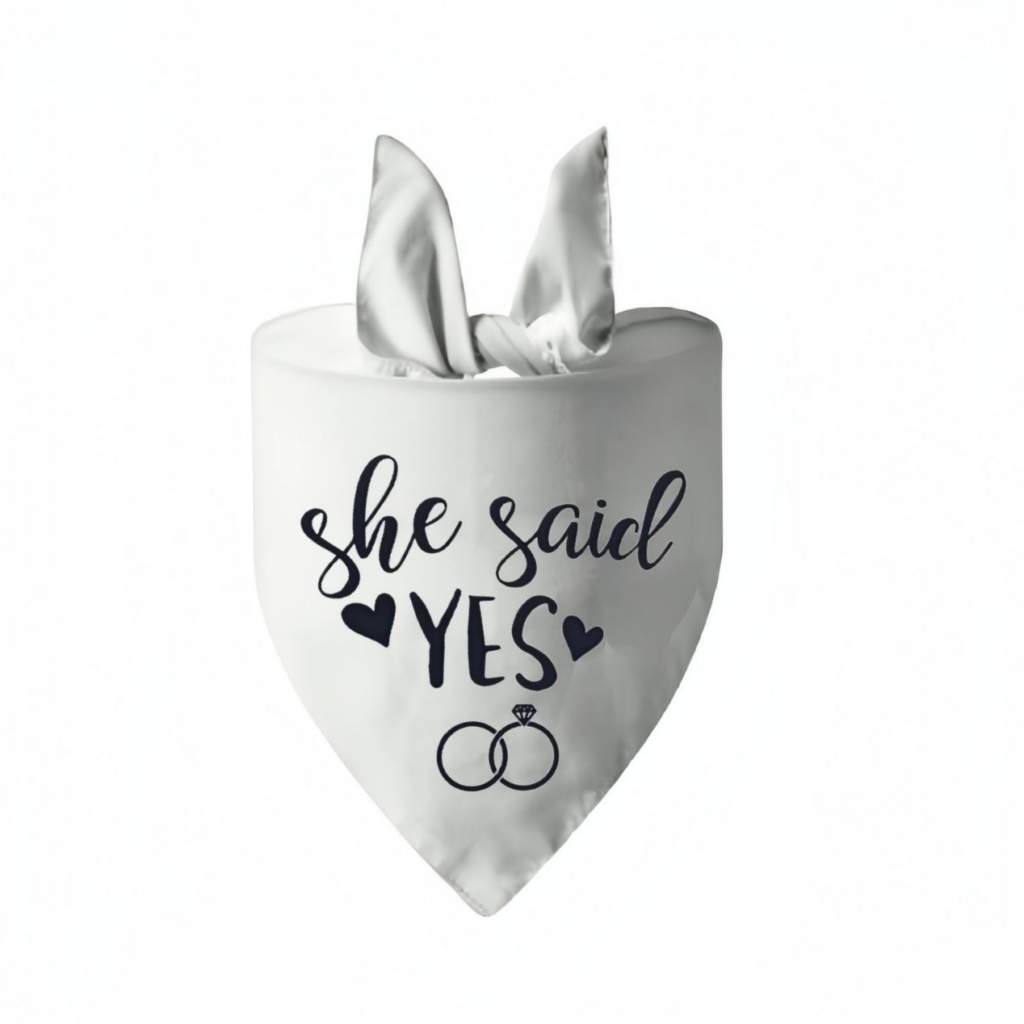
- Photo-Replicated Prints: Turn pet photos into fabric patterns for bespoke jackets or bandanas.
- Owner-Pet Matching Sets: Coordinate outfits where pets wear miniaturized versions of human designs.
Functional Aesthetics
- Reflective Accents: Sublimated reflective strips enhance visibility during nighttime walks.
- Thermoregulatory Fabrics: Moisture-wicking polyester keeps pets cool in summer and warm in winter.
Cultural and Seasonal Themes
- Holiday Collections: Halloween pumpkin prints, Christmas sweaters.
- Breed-Specific Designs: Dachshund-shaped patterns or Persian cat motifs.
Safety and Ethical Considerations
Non-Toxic Dyes
- OEKO-TEX Certification: Ensures dyes are free from heavy metals (lead, cadmium) and allergens.
- VOC Emissions: Low-VOC sublimation inks reduce respiratory risks for pets and owners.
Comfort Engineering
- Ergonomic Seams: Flatlock stitching prevents chafing around legs and necks.
- Adjustable Closures: Velcro or elastic bands accommodate weight fluctuations.
Ethical Production
- Fair Labor Practices: Brands like Pawzazz partner with WRAP-certified factories.
- Recycled Polyester: Companies like Chilly Dogs use post-consumer PET bottles for fabrics.
Manufacturing Workflow: From Concept to Product
Step 1: Prototyping
- 3D Mockups: Tools like CLO3D simulate how designs will fit different breeds.
- Wear Testing: Collaborate with veterinary ergonomists to assess mobility restrictions.
Step 2: Scaling Production
- Automated Cutting Machines: Laser-cut fabrics to minimize waste.
- Batch Dyeing: Sublimate 50–100 units per batch to maintain color consistency.
Step 3: Quality Control
- Colorfastness Tests: Wash fabrics 20+ times to ensure no fading.
- Stress Tests: Simulate chewing, scratching, and stretching to assess durability.
Sustainability Challenges and Solutions
Environmental Impact
- Energy Consumption: Sublimation requires high heat, contributing to carbon footprints. Solution: Solar-powered heat presses and carbon offset programs.
- Microplastic Shedding: Polyester fabrics release microfibers during washing. Solution: Integrate Guppyfriend washing bags to trap particles.
Circular Economy Models
- Take-Back Programs: Brands like Fable Pets recycle old apparel into new products.
- Upcycled Materials: Use deadstock fabrics from human fashion lines.
Care and Maintenance
Washing Guidelines
- Machine Wash: Use cold water (30°C) and mild detergent; avoid fabric softeners.
- Drying: Air-dry or tumble-dry on low heat to prevent shrinkage.
Stain Removal
- Mud or Grass: Pre-treat with baking soda paste before washing.
- Food Stains: Dab with diluted white vinegar and rinse immediately.
Storage Tips
- Avoid Sunlight: Store in breathable garment bags to prevent UV degradation.
- Moth Prevention: Use cedar blocks instead of chemical repellents.
Future Innovations in Sublimation Pet Fashion
Smart Fabrics
- Temperature-Responsive Dyes: Patterns change color based on ambient heat.
- GPS-Embedded Apparel: Track pets via sublimated conductive ink antennas.
Biodegradable Polyesters
- Algae-Based Fibers: Experimental materials that decompose within 6 months.
- Mycelium Dyes: Fungus-derived pigments replace synthetic inks.
Augmented Reality (AR) Customization
- Virtual Try-Ons: Use apps like PetzAR to visualize designs on pets before purchase.
- NFT Integration: Link physical apparel to digital collectibles for gamified loyalty.
Conclusion
Sublimation pet clothing is redefining how we dress our pets, combining artistic expression with scientific precision. While challenges like microplastic pollution and energy use persist, innovations in biodegradable materials and ethical production are paving the way for a more sustainable industry. By prioritizing safety, customization, and eco-consciousness, brands can cater to pet owners seeking both style and substance.
How to Purchase:https://looperbuy.com/search?keywords=sublimation+pet+clothes
Related Questions & Answers
· Are sublimation-printed pet clothes safe for puppies who chew fabric?
Yes, if made with non-toxic, OEKO-TEX certified dyes. However, supervise puppies to prevent ingestion of loose threads.
· How long do sublimation prints last on pet apparel?
High-quality sublimation lasts 50+ washes without fading, provided you follow cold-wash guidelines.
· Can I sublimate designs on existing pet clothes?
Only if the garment contains ≥85% polyester. Cotton or wool fabrics won’t retain sublimation dyes.
· Do sublimation pet clothes work for hairless breeds like Sphynx cats?
Yes, but ensure seams are non-irritating and fabrics are breathable to prevent skin irritation.
· Are there hypoallergenic sublimation inks for sensitive pets?
Yes. Look for brands using water-based, VOC-free inks labeled as hypoallergenic.
Hot Tags: Sublimation Printing Technology; Custom Pet Apparel Design; Non-Toxic Pet Wear; Recycled Polyester Fabrics; OEKO-TEX Certified Dyes; Pet Fashion Sustainability; Temperature-Responsive Textiles; AR Pet Clothing Try-On; Hypoallergenic Pet Fashion.