Table of Contents
Introduction
Living in compact spaces doesn’t mean sacrificing style or functionality. With the rise of urbanization and minimalist lifestyles, small furniture for small rooms has become a cornerstone of modern interior design. From foldable desks to modular shelving, the right pieces can transform cramped quarters into airy, organized sanctuaries. This guide explores innovative furniture designs, space-saving hacks, and styling tricks to maximize even the tiniest rooms. Whether you’re furnishing a studio apartment, a dorm, or a cozy reading nook, these ideas will help you balance aesthetics and practicality.
Why Small Furniture Matters in 2025
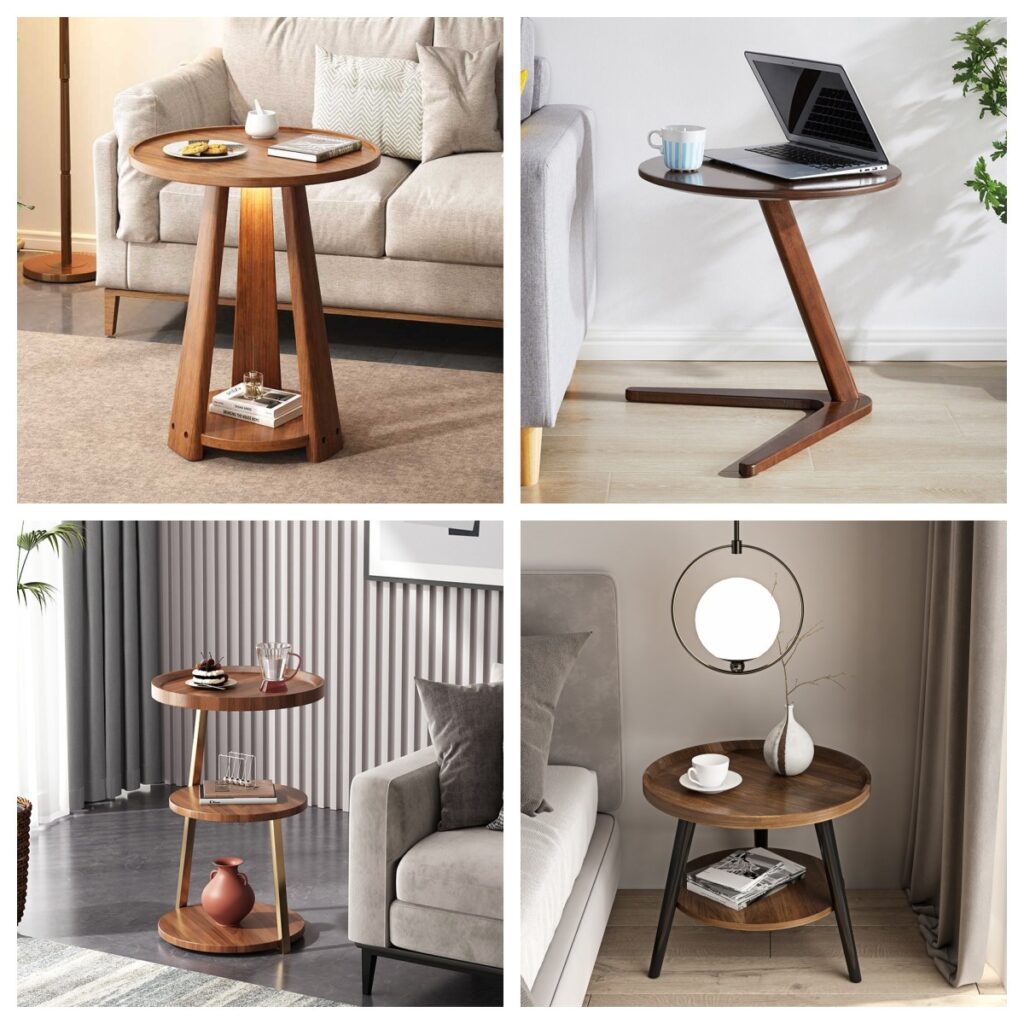
Modern living demands adaptability. Small furniture addresses key challenges like limited floor space, clutter, and the need for multi-functional zones.
Key Benefits of Compact Furniture
- Space Efficiency: Slim profiles and modular designs free up square footage.
- Versatility: Many pieces serve multiple purposes (e.g., ottomans with storage).
- Aesthetic Appeal: Minimalist designs create a clean, uncluttered look.
Trends Driving Demand
- Remote Work: Compact home offices require ergonomic, space-saving desks.
- Sustainability: Eco-friendly materials and modular designs reduce waste.
- Affordability: Smaller furniture often costs less than bulky alternatives.
How to Choose the Right Small Furniture
Selecting pieces requires balancing measurements, materials, and multi-functionality. Follow these guidelines:
1. Measure Twice, Buy Once
- Sketch Your Space: Map out dimensions, including doorways and windows.
- Leave Breathing Room: Aim for 6–12 inches between furniture and walls.
2. Prioritize Multi-Functional Pieces
- Convertible Sofas: Double as beds for guests.
- Nesting Tables: Stackable tables save space when not in use.
- Wall-Mounted Desks: Free up floor space in home offices.
3. Material Matters
- Lightweight Options: Wood, metal, or acrylic furniture is easier to rearrange.
- Durability: Avoid particleboard; opt for solid wood or plywood.
4. Color and Texture
- Light Hues: Whites, pastels, and neutral tones visually expand spaces.
- Reflective Surfaces: Glass or mirrored furniture adds depth.
Top 10 Space-Saving Furniture Ideas for Small Rooms
Transform tight areas with these creative solutions:
1. Murphy Beds with Shelving
Wall-mounted beds fold up to reveal storage shelves or desks.
2. Folding Dining Tables
Compact tables seat 4–6 people when extended but collapse to wall-mounted cabinets.
3. Corner Shelves
Utilize unused corners with floating triangular or hexagonal shelves.
4. Ottoman Storage
Hollow ottomans hide blankets, books, or shoes while doubling as seating.
5. Ladder Shelves
Vertical leaning shelves occupy minimal floor space and suit modern farmhouse or boho styles.
6. Expandable Coffee Tables
Adjustable heights and widths accommodate gatherings or daily use.
7. Hanging Chair Swings
Save floor space by suspending chairs from ceilings.
8. Under-Bed Drawers
Wheeled containers slide beneath beds for off-season clothing storage.
9. Modular Sofas
Reconfigurable sections adapt to changing room layouts.
10. Accordion Doors
Replace traditional doors with folding partitions to save swing space.
Styling Tips for Small Rooms
Even the best furniture needs strategic styling to shine.
1. Declutter Relentlessly
- Use baskets and trays to corral loose items.
- Adopt a “one-in, one-out” rule for accessories.
2. Layer Lighting
- Combine overhead lights, task lamps, and candles to avoid a “cave-like” feel.
3. Create Zones
- Use rugs or room dividers to delineate living, sleeping, and working areas.
4. Add Vertical Interest
- Hang tapestries, galleries, or floating plants to draw the eye upward.
Maintenance and Longevity
Small furniture requires care to endure frequent rearranging.
1. Cleaning Hacks
- Dust weekly with a microfiber cloth.
- Use furniture polish sparingly to avoid buildup.
2. Repair Early
- Fix wobbly legs or peeling veneer immediately to prevent damage.
3. Rotate Pieces
- Swap furniture between rooms to reduce wear in high-traffic zones.
Conclusion
Small furniture for small rooms is a blend of innovation and practicality. By prioritizing multi-functional designs, smart materials, and strategic styling, you can create living spaces that feel spacious and inviting. Always measure twice, declutter regularly, and invest in quality pieces that adapt to your evolving needs.
How to Purchase:https://looperbuy.com/search?keywords=small+furniture+for+small+rooms
Related Questions and Answers
Q: Can small furniture make a room look bigger?
A: Yes. Light colors, reflective surfaces, and minimalist designs create an illusion of space. Avoid bulky pieces that dominate floor areas.
Q: What’s the best material for small-space furniture?
A: Lightweight wood, metal, or acrylic. These materials are durable yet easy to move.
Q: How do I style a tiny living room?
A: Use a neutral color palette, wall-mounted TVs, and multi-functional pieces like a storage ottoman. Add mirrors to amplify light.
Q: Are Murphy beds comfortable?
A: Modern designs use high-quality mattresses and mechanisms, ensuring comfort comparable to traditional beds.
Q: Where can I buy affordable small furniture?
A: IKEA, Wayfair, and local thrift stores offer budget-friendly options. Check online marketplaces for secondhand deals.
Hot Tags: Small Furniture for Small Rooms; Space-Saving Furniture Ideas; Compact Living Room Solutions; Multi-Functional Small Furniture; 2025 Small-Space Design Trends; Murphy Bed with Storage; Folding Dining Tables; Corner Shelves for Small Rooms; Ottoman Storage Hacks; Modular Sofas for Apartments