Table of Contents
Introduction
In recent months, the geopolitical landscape of the Middle East has been significantly influenced by the actions of Russia and its support for Yemen’s Houthi rebels. Reports have emerged indicating that Russia has been supplying the Houthis with critical targeting data, enabling them to conduct assaults on global shipping routes, particularly in the Red Sea. This article delves into the implications of this support, the motivations behind Russia’s actions, and the broader impact on international shipping and security.
The Houthi Threat to Global Shipping
Background of the Houthi Movement
The Houthi movement, officially known as Ansar Allah, has been a significant player in Yemen’s ongoing civil war since 2014. Initially a local insurgency, the Houthis have evolved into a formidable military force, backed by Iran and increasingly supported by Russia. Their strategic location along the Red Sea, a vital maritime corridor for global trade, has made them a critical threat to international shipping.
The Houthis emerged from the Zaidi Shia community in northern Yemen, initially focusing on local grievances against the Yemeni government. However, their agenda expanded to include opposition to U.S. influence in the region and support for Palestinian causes, particularly during the recent conflicts involving Israel. This ideological shift has garnered them support from Iran, which sees the Houthis as a proxy to counter U.S. and Saudi interests in the Middle East.
Recent Attacks on Shipping
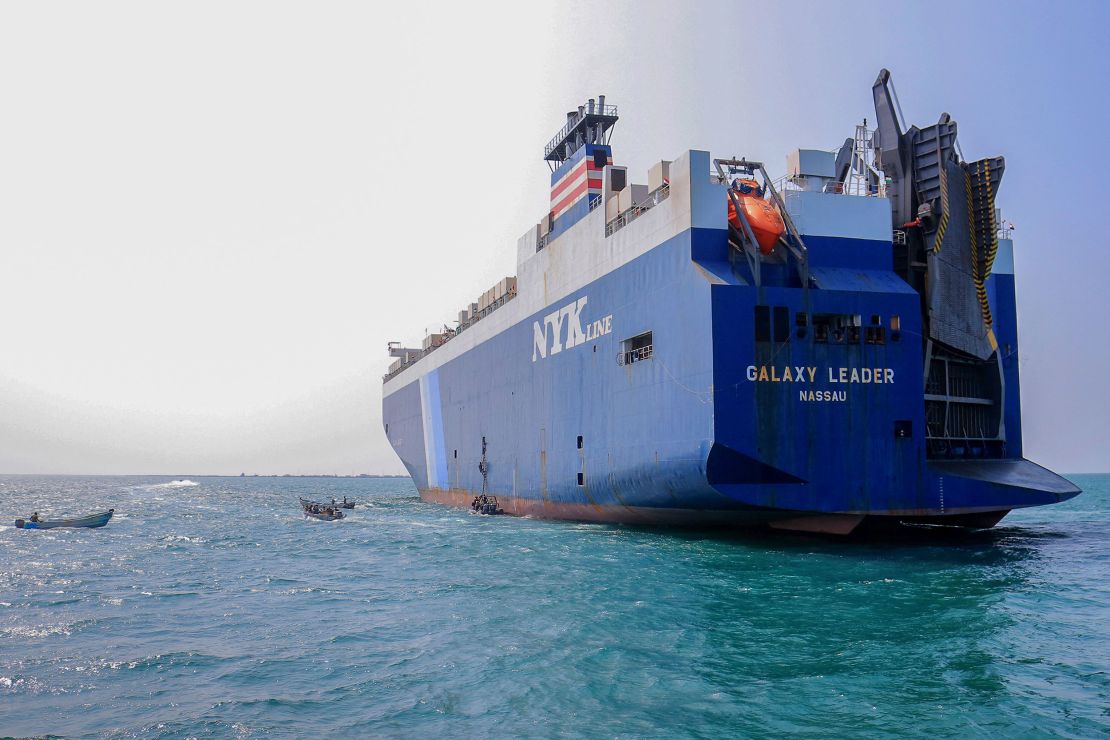
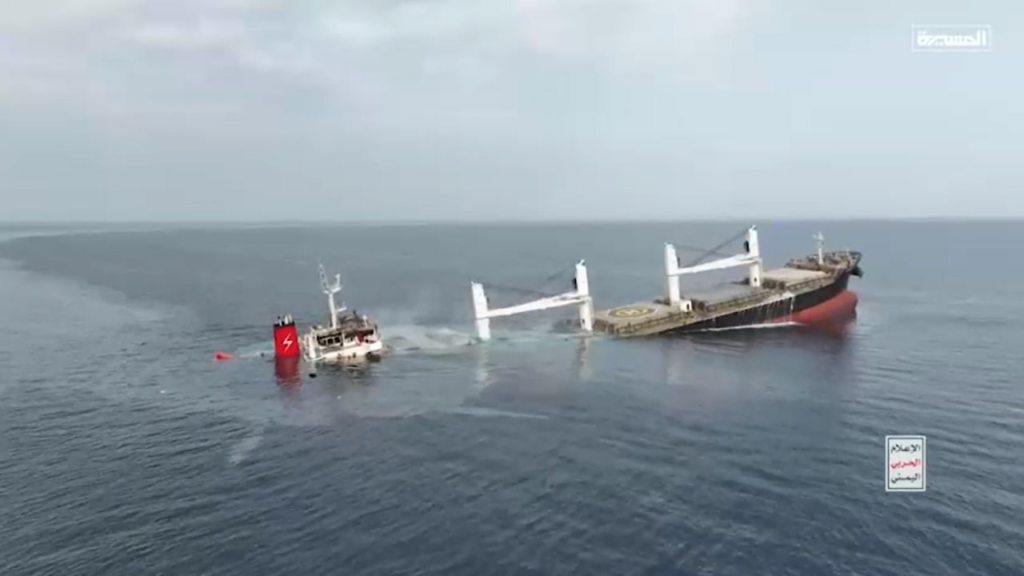
Since late 2023, the Houthis have ramped up their attacks on commercial vessels in the Red Sea. These assaults have targeted ships associated with Western nations and those linked to Israel, causing significant disruptions in maritime trade. The attacks have not only raised concerns about the safety of shipping routes but have also led to increased military presence from Western nations in the region.
The Houthis have employed various tactics in their assaults, including missile strikes and drone attacks. These methods have proven effective, as evidenced by the damage inflicted on several vessels, including oil tankers and cargo ships. The strategic timing of these attacks, often coinciding with heightened tensions in the region, suggests a calculated approach to disrupt global trade and draw attention to their cause.
Russia’s Involvement
Provision of Targeting Data
Recent investigations have revealed that Russia has been actively providing the Houthis with satellite targeting data. This intelligence has enabled the Houthis to enhance their operational capabilities, allowing them to strike with greater precision. The data is reportedly transmitted through members of the Iranian Revolutionary Guard Corps (IRGC), who are embedded with the Houthis in Yemen.
This collaboration between Russia and the Houthis marks a significant escalation in the conflict, as it represents a direct intervention by a major power in a regional dispute. The provision of targeting data not only enhances the Houthis’ military capabilities but also signals Russia’s willingness to engage in proxy warfare to achieve its geopolitical objectives.
Motivations Behind Russian Support
Russia’s support for the Houthis can be understood through several lenses:
- Geopolitical Strategy: By aiding the Houthis, Russia aims to undermine U.S. influence in the Middle East. The ongoing conflict in Ukraine has prompted Moscow to seek ways to distract Western powers and draw their resources away from Europe. This strategy aligns with Russia’s broader goal of reasserting itself as a global power capable of challenging U.S. hegemony.
- Strengthening Alliances: Supporting the Houthis aligns with Russia’s broader strategy of fostering relationships with groups that oppose Western interests. This support not only solidifies ties with Iran but also positions Russia as a key player in Middle Eastern geopolitics. The Houthis’ anti-Western stance resonates with Russia’s narrative of resisting U.S. interventionism, further solidifying their partnership.
- Economic Interests: The Red Sea is a crucial route for global oil shipments. By destabilizing this region, Russia may seek to manipulate oil prices and enhance its own economic position. The disruption of shipping routes can lead to increased shipping costs and, consequently, higher oil prices, benefiting Russia’s economy, which heavily relies on energy exports.
- Diversion of Attention: Russia’s involvement in the Houthi conflict serves to divert international attention from its actions in Ukraine. As the U.S. and its allies focus on the Middle East, they may be less able to respond effectively to Russian aggression in Europe. This diversion of resources and attention is a calculated move by Moscow to strengthen its position on multiple fronts.
Implications for Global Shipping
Disruption of Trade Routes
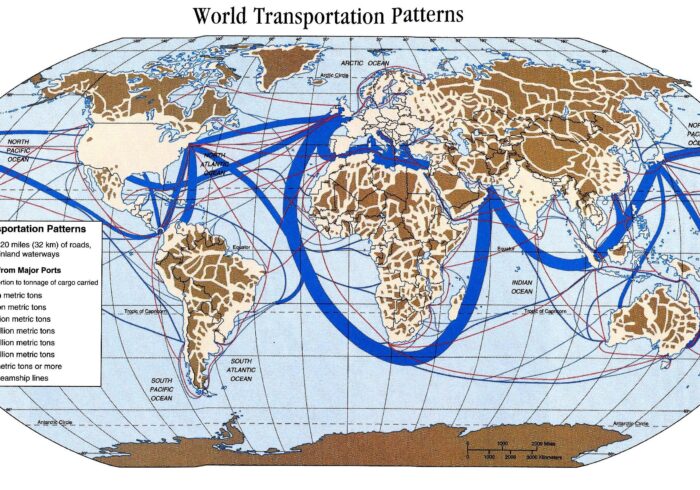
The Houthi attacks, facilitated by Russian intelligence, have led to significant disruptions in global shipping. The Red Sea is a critical chokepoint for maritime trade, with approximately 10% of the world’s trade passing through this region. The increased risk of attacks has forced shipping companies to reroute their vessels, often opting for longer and more expensive routes around the Cape of Good Hope.
The economic impact of these disruptions is profound. Shipping companies face increased insurance costs, and the longer routes result in higher fuel consumption and longer delivery times. These factors contribute to rising prices for goods, ultimately affecting consumers worldwide. The ripple effects of Houthi attacks extend beyond the immediate region, impacting global supply chains and trade dynamics.
Increased Military Presence
In response to the escalating threat, Western nations, particularly the United States, have increased their military presence in the region. Naval forces have been deployed to protect commercial shipping and deter further Houthi aggression. This military buildup not only heightens tensions in the region but also risks escalating into broader conflicts.
The U.S. Navy has conducted freedom of navigation operations in the Red Sea, demonstrating its commitment to ensuring the safety of maritime trade. Additionally, allied nations have joined these efforts, forming coalitions to counter the Houthi threat. However, the presence of military forces in the region can also provoke further hostility from the Houthis and their Iranian backers, potentially leading to a cycle of violence.
Impact on Global Oil Prices
The Red Sea is a vital route for oil shipments, and any disruption in this area can have immediate consequences for global oil prices. The Houthis’ attacks on oil tankers have raised concerns about the security of energy supplies, leading to fluctuations in oil prices. As shipping routes become more perilous, the cost of transporting oil increases, which can contribute to higher prices for consumers and businesses alike.
The potential for a sustained conflict in the Red Sea raises questions about the stability of global energy markets. If the situation escalates further, it could lead to significant disruptions in oil supplies, prompting countries to seek alternative sources of energy or to increase their strategic reserves.
The Broader Geopolitical Context
Impact on U.S.-Russia Relations
Russia’s involvement with the Houthis represents a significant escalation in its confrontational stance towards the West. As the U.S. continues to support Ukraine against Russian aggression, Moscow’s actions in Yemen serve as a reminder of its willingness to engage in proxy conflicts that challenge U.S. interests globally. This dynamic complicates diplomatic efforts and raises the stakes for both nations.
The U.S. has condemned Russia’s support for the Houthis, viewing it as a direct threat to regional stability. As tensions rise, the potential for miscalculations or unintended escalations increases, creating a precarious situation in which both nations must navigate their interests carefully.
Regional Reactions
The actions of the Houthis, supported by Russia, have prompted reactions from various regional players. Saudi Arabia, which has been engaged in a military campaign against the Houthis, views this support as a direct threat to its national security. The potential for a wider regional conflict looms as nations reassess their military strategies in light of these developments.
Other Gulf states, particularly the United Arab Emirates, have also expressed concerns about the Houthi threat. The UAE has been involved in military operations against the Houthis and has sought to strengthen its defenses in response to the increased risk of attacks. The situation has led to a reevaluation of alliances and partnerships in the region, as countries seek to bolster their security in the face of a growing threat.
The Role of Iran
Iran’s involvement in supporting the Houthis is a critical factor in this conflict. As a key ally, Iran has provided the Houthis with military training, weapons, and logistical support. The collaboration between Iran and Russia further complicates the geopolitical landscape, as both nations share a common interest in countering U.S. influence in the region.
The Iranian Revolutionary Guard Corps (IRGC) plays a pivotal role in facilitating this support, providing the Houthis with advanced weaponry and training. This partnership not only enhances the Houthis’ military capabilities but also serves as a platform for Iran to project its influence in the region.
Conclusion
The provision of targeting data by Russia to the Houthi rebels marks a significant shift in the dynamics of the Middle East. This support not only enhances the Houthis’ military capabilities but also poses a direct threat to global shipping and trade. As the situation evolves, the international community must remain vigilant and responsive to the implications of this geopolitical maneuvering.
In summary, the intersection of Russian support for the Houthis and the ongoing conflict in the Red Sea underscores the complexities of modern warfare and the far-reaching consequences of regional conflicts on global trade. The potential for escalation remains high, and the international community must work collaboratively to address the challenges posed by this evolving threat.
As global shipping faces unprecedented challenges, ensuring the safety and efficiency of your logistics is more crucial than ever—explore innovative solutions at LooperBuy.
Article Summary: This article explores Russia’s provision of targeting data to Yemen’s Houthi rebels, enabling them to conduct assaults on global shipping in the Red Sea. It discusses the implications for international trade, the motivations behind Russia’s support, and the broader geopolitical context, highlighting the potential for increased military tensions in the region.
Hot Tags: Russia; Houthi Rebels; Global Shipping; Red Sea; Targeting Data; Geopolitical Strategy; Maritime Security; U.S. Military Presence; Iran; Middle East Conflict; International Trade; Proxy Warfare; Oil Prices; Yemen Civil War; Western Interests; Naval Forces; Shipping Routes; Economic Impact; Military Strategy; Regional Tensions; Satellite Intelligence; Maritime Trade; Conflict Escalation; Security Threats; Global Trade Routes; Military Alliances; Russian Influence; Houthi Attacks; Middle Eastern Geopolitics; International Relations; Yemen Crisis
Related Questions & Answers
· What is the Houthi movement?
The Houthi movement, or Ansar Allah, is a political and armed group in Yemen that has been involved in the civil war since 2014, receiving support from Iran and, more recently, Russia.
· How has Russia supported the Houthis?
Russia has provided the Houthis with satellite targeting data, enhancing their ability to conduct attacks on shipping in the Red Sea.
· What are the implications of Houthi attacks on global shipping?
Houthi attacks disrupt vital trade routes, forcing shipping companies to reroute their vessels, which increases costs and risks further military escalation in the region.
· Why is the Red Sea important for global trade?
The Red Sea is a critical maritime corridor through which approximately 10% of the world’s trade passes, making it essential for oil and goods transportation.
· How has the U.S. responded to Houthi attacks?
The U.S. has increased its military presence in the region to protect shipping routes and deter further Houthi aggression, reflecting heightened tensions in the Middle East.