In an age dominated by sleek, modern appliances and minimalist designs, vintage kitchenware stands out as a nostalgic reminder of the past. These charming pieces not only serve practical purposes but also evoke memories of family gatherings, home-cooked meals, and the warmth of a well-loved kitchen. This article explores the allure of vintage kitchenware, its history, and why it remains a beloved choice for many today.
Table of Contents
The Allure of Vintage Kitchenware
A Journey Through Time
Vintage kitchenware encompasses a wide range of items, from cookware and utensils to decorative pieces. These items often reflect the design trends and manufacturing techniques of their respective eras, making them not just functional tools but also historical artifacts. The term “vintage” typically refers to items that are at least 20 years old, but many collectors focus on pieces from the mid-20th century, particularly the 1950s and 1960s, when kitchen design underwent significant changes.
Why Collect Vintage Kitchenware?
- Nostalgia: For many, vintage kitchenware brings back fond memories of childhood and family traditions. Items like Pyrex dishes or old-fashioned mixers can evoke a sense of comfort and familiarity.
- Quality and Craftsmanship: Many vintage kitchen items were made with higher quality materials and craftsmanship than some modern equivalents. For instance, cast iron skillets and stainless steel cookware from reputable brands often outlast their contemporary counterparts.
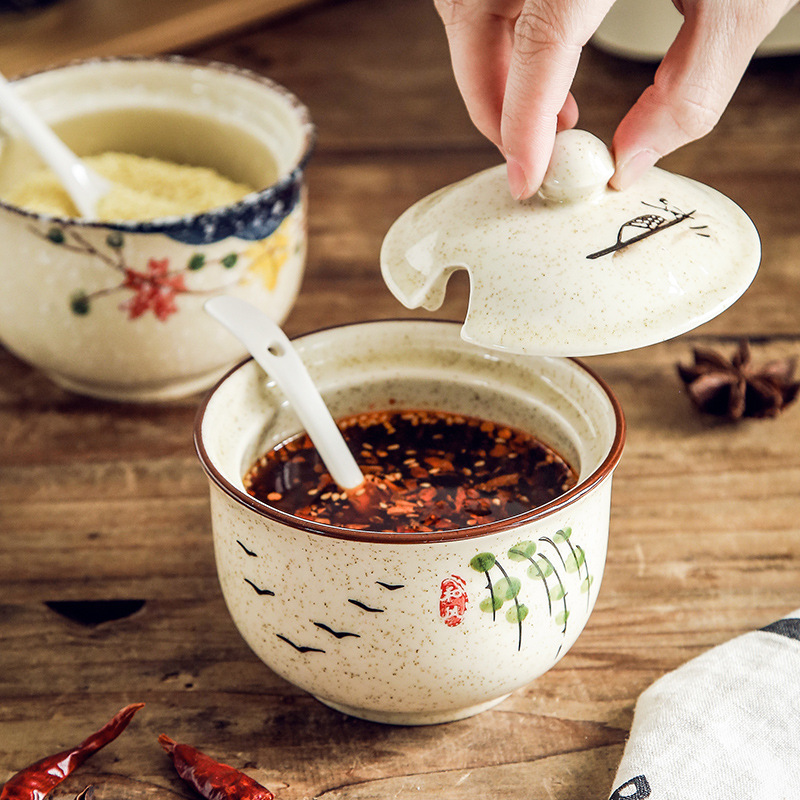
- Unique Aesthetics: Vintage kitchenware often features unique designs and colors that can add character to any kitchen. From the cheerful patterns of Pyrex to the rustic charm of enamelware, these items can serve as both functional tools and decorative accents.
- Sustainability: Choosing vintage items is an eco-friendly option. By reusing and repurposing these pieces, collectors contribute to reducing waste and promoting sustainable practices.
The History of Vintage Kitchenware
The Evolution of Kitchenware
The history of kitchenware is as rich and varied as the cultures that created it. In ancient times, cooking tools were made from natural materials like stone, wood, and clay. As civilizations advanced, so did the materials and techniques used in kitchenware production. The Industrial Revolution marked a significant turning point, introducing mass production methods that made kitchenware more accessible to the general public.
The Rise of Enamelware
Enamelware, which became popular in the late 19th century, is a prime example of innovation in kitchenware. Made by fusing glass to metal, enamelware is durable, easy to clean, and resistant to corrosion. Its popularity peaked in the early 20th century, but it began to decline with the rise of plastic and aluminum cookware. Today, vintage enamelware is highly sought after for its nostalgic appeal and unique aesthetic.
The Pyrex Phenomenon
Pyrex, introduced by Corning Glass Works in 1915, revolutionized kitchenware with its heat-resistant glass. Initially designed for laboratory use, Pyrex quickly found its way into homes, becoming a staple for baking and cooking. The colorful, patterned Pyrex dishes from the mid-20th century are now considered collectibles, with certain patterns fetching high prices at auctions.
Popular Types of Vintage Kitchenware
Cookware
Cast Iron Skillets
Cast iron skillets are a staple in many kitchens, known for their durability and excellent heat retention. Vintage cast iron pieces, especially those from brands like Griswold and Wagner, are highly sought after by collectors. They can be used for everything from frying to baking, and with proper care, they can last for generations.
Pyrex Dishes
Pyrex is synonymous with vintage kitchenware. The colorful, patterned glass dishes are not only visually appealing but also practical for baking and serving. Collectors often seek out specific patterns, such as the “Butterfly Gold” or “Snowflake” designs, which can fetch high prices in the market.
Utensils
Mixing Bowls
Vintage mixing bowls, particularly those made of glass or ceramic, are both functional and decorative. They often come in vibrant colors and patterns, making them perfect for display on kitchen shelves.
Gadgets and Tools
From egg separators to vintage can openers, many kitchen gadgets from the past are still useful today. These tools often have a unique charm that modern gadgets lack, making them a favorite among collectors.
Decorative Items
Vintage Tableware
Vintage plates, cups, and serving dishes can add a touch of elegance to any dining experience. Brands like Fiesta and Royal Worcester are popular among collectors for their distinctive designs and colors.
Kitchen Decor
Items such as old-fashioned scales, spice racks, and wall-mounted utensil holders can serve as charming decor in a vintage-themed kitchen. These pieces not only enhance the aesthetic but also tell a story of culinary history.
How to Start Your Vintage Kitchenware Collection
Research and Education
Before diving into collecting, it’s essential to educate yourself about the different types of vintage kitchenware available. Books, online forums, and collector groups can provide valuable insights into what to look for and how to identify authentic pieces.
Where to Find Vintage Kitchenware
- Thrift Stores and Flea Markets: These are often treasure troves for vintage finds. You can discover unique pieces at affordable prices.
- Estate Sales and Auctions: Estate sales can yield high-quality vintage kitchenware, especially if the previous owner was a collector.
Caring for Your Vintage Kitchenware
Proper care is crucial to maintaining the quality and appearance of vintage kitchenware. Here are some tips:
- Cleaning: Avoid harsh chemicals that can damage the finish. Instead, use mild soap and warm water. For cast iron, avoid soaking and always dry thoroughly to prevent rust.
- Storage: Store items in a cool, dry place. Use protective padding between stacked items to prevent scratches.
- Usage: Many vintage items are still functional, but it’s essential to understand their limitations. For example, some glassware may not be suitable for microwave use.
The Resurgence of Vintage Kitchenware
A Modern Trend
In recent years, there has been a resurgence of interest in vintage kitchenware, particularly among younger generations. Social media platforms like Instagram and TikTok have played a significant role in this trend, with users sharing their vintage finds and showcasing how they incorporate these items into their modern kitchens.
The Appeal of Retro Aesthetics
The retro aesthetic has become increasingly popular in home design, with many people seeking to create warm, inviting spaces that reflect their personality. Vintage kitchenware fits perfectly into this trend, offering a way to blend old and new styles seamlessly.
Current Trends in Vintage Kitchenware
As we move further into the 2020s, certain trends in vintage kitchenware are emerging. Wall-mounted pot racks, copper molds, and traditional kettles are making a comeback, reflecting a desire for both functionality and nostalgia. Collectors are also gravitating towards unique items like butter shapers and vintage glassware, which add character to modern kitchens.
The Rise of Upcycling
Another trend is the upcycling of vintage kitchenware. Many enthusiasts are repurposing old items into new decor or functional pieces, such as turning vintage teacups into candle holders or using old wooden spoons as wall art. This creative approach not only preserves the charm of vintage items but also promotes sustainability.
Tips for Collecting Vintage Kitchenware
- Start Small: If you’re new to collecting, begin with a few pieces that resonate with you. This could be a specific brand, color, or type of item.
- Educate Yourself: Learn about the different brands, patterns, and materials. Understanding what makes certain pieces valuable can help you make informed purchases.
- Network with Other Collectors: Join online forums or local collector groups. Sharing experiences and knowledge can enhance your collecting journey.
- Attend Auctions and Estate Sales: These events can be great opportunities to find unique items at reasonable prices. Be prepared to bid and act quickly.
- Document Your Collection: Keep a record of your items, including their history, condition, and any relevant details. This can help you track your collection and its value over time.
- Be Patient: Collecting vintage kitchenware is a journey. It may take time to find the perfect pieces, so enjoy the process.
Care and Restoration of Vintage Kitchenware
Cleaning Techniques
Cleaning vintage kitchenware requires a gentle touch to preserve its integrity. Here are some effective methods:
- Cast Iron Cookware: For cast iron skillets, avoid soap. Instead, scrub with a stiff brush and hot water. If rust appears, use a mixture of vinegar and water to soak the pan, then scrub and re-season it with oil.
- Glass and Ceramic: For Pyrex and other glass items, soak in warm, soapy water to remove stubborn stains. Avoid abrasive cleaners that can scratch the surface.
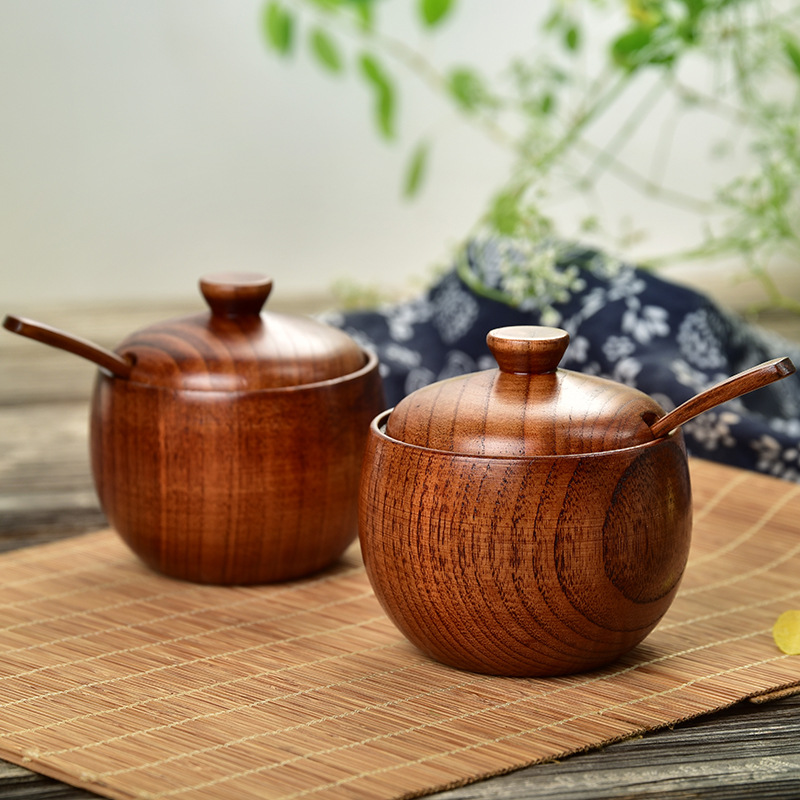
- Wooden Utensils: Wash with mild soap and water, and dry immediately. Periodically apply food-safe mineral oil to keep the wood from drying out.
Restoration Tips
Restoring vintage kitchenware can breathe new life into cherished items. Here are some tips:
- Removing Rust from Cast Iron: Use a lye-based oven cleaner to remove rust. Spray the cleaner on the cookware, seal it in a plastic bag, and let it sit for 24 hours. Rinse and re-season the skillet afterward.
- Polishing Silverware: Use a silver polish or a homemade paste of baking soda and water to remove tarnish. Apply with a soft cloth, then rinse and dry thoroughly.
- Repairing Chips in Ceramics: For minor chips, use a food-safe epoxy to fill in the gaps. This can help prevent further damage and maintain the item’s aesthetic.
Safety Considerations
When using vintage kitchenware, it’s essential to consider safety:
- Lead in Glazes: Some vintage ceramics may contain lead in their glazes. It’s advisable to avoid using these items for food unless they are certified lead-free.
- Old Appliances: Vintage appliances may not meet current safety standards. Ensure they are in good working condition and consider having them inspected by a professional.
Vintage Kitchenware Trends and Styles
Embracing Vintage Aesthetics
The vintage kitchenware trend is not just about nostalgia; it’s about embracing a lifestyle that values craftsmanship, history, and personal expression. Here are some popular styles and trends that are making waves in modern kitchens:
1. Shabby Chic
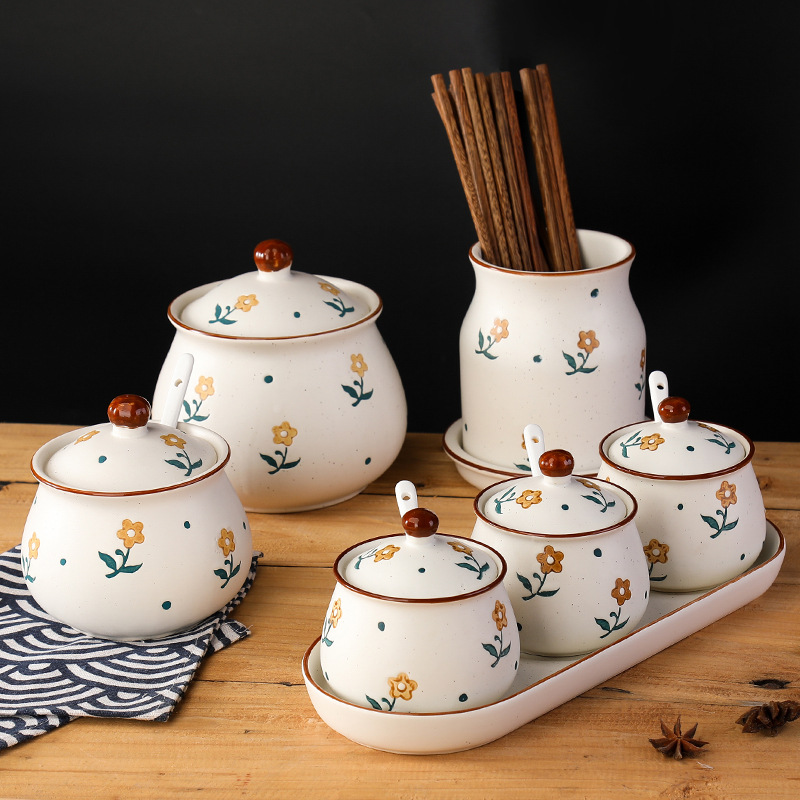
This style combines vintage charm with a soft, romantic aesthetic. Shabby chic kitchens often feature distressed furniture, pastel colors, and floral patterns. Vintage kitchenware, such as mismatched china and rustic wooden utensils, complements this look beautifully.
2. Mid-Century Modern
Characterized by clean lines and functional design, mid-century modern kitchens often incorporate vintage pieces from the 1950s and 1960s. Think bright colors, geometric patterns, and iconic brands like Pyrex and Fire-King. This style celebrates simplicity and practicality while adding a pop of retro flair.
3. Farmhouse Style
The farmhouse aesthetic emphasizes warmth and comfort, often featuring vintage kitchenware as a focal point. Items like enamelware, mason jars, and wooden cutting boards are commonly used to create a cozy, inviting atmosphere. Open shelving displays vintage dishes and utensils, making them both functional and decorative.
4. Industrial Chic
This style combines vintage elements with a raw, urban feel. Exposed brick, metal accents, and reclaimed wood are common features. Vintage kitchenware, such as old metal canisters and industrial-style utensils, can add character to an otherwise modern space.
Current Trends in Vintage Kitchenware
As we move further into the 2020s, certain trends in vintage kitchenware are emerging. Wall-mounted pot racks, copper molds, and traditional kettles are making a comeback, reflecting a desire for both functionality and nostalgia. Collectors are also gravitating towards unique items like butter shapers and vintage glassware, which add character to modern kitchens.
The Rise of Upcycling
Another trend is the upcycling of vintage kitchenware. Many enthusiasts are repurposing old items into new decor or functional pieces, such as turning vintage teacups into candle holders or using old wooden spoons as wall art. This creative approach not only preserves the charm of vintage items but also promotes sustainability.
Tips for Collecting Vintage Kitchenware
- Start Small: If you’re new to collecting, begin with a few pieces that resonate with you. This could be a specific brand, color, or type of item.
- Educate Yourself: Learn about the different brands, patterns, and materials. Understanding what makes certain pieces valuable can help you make informed purchases.
- Network with Other Collectors: Join online forums or local collector groups. Sharing experiences and knowledge can enhance your collecting journey.
- Attend Auctions and Estate Sales: These events can be great opportunities to find unique items at reasonable prices. Be prepared to bid and act quickly.
- Document Your Collection: Keep a record of your items, including their history, condition, and any relevant details. This can help you track your collection and its value over time.
- Be Patient: Collecting vintage kitchenware is a journey. It may take time to find the perfect pieces, so enjoy the process.
Conclusion
Vintage kitchenware is more than just a collection of old items; it represents a connection to the past and a celebration of culinary history. Whether you’re a seasoned collector or just starting, the charm and character of these pieces can enhance your kitchen and bring joy to your cooking experience. As you explore the world of vintage kitchenware, you’ll discover not only beautiful items but also the stories and memories they carry.
How to purchase:Online B2B sourcing platform, China purchase, Chinese suppliers – LooperBuy
Frequently Asked Questions
1. What is considered vintage kitchenware?
Vintage kitchenware typically refers to items that are at least 20 years old, often focusing on pieces from the mid-20th century.
2. Where can I find vintage kitchenware?
You can find vintage kitchenware at thrift stores, flea markets, estate sales, auctions, and online marketplaces like eBay and Etsy.
3. How do I care for vintage kitchenware?
Clean vintage items with mild soap and warm water, avoid harsh chemicals, and store them in a cool, dry place to maintain their quality.
4. Are vintage kitchenware items still functional?
Many vintage kitchenware items are still functional, but it’s essential to understand their limitations and care requirements.
5. Why is vintage kitchenware becoming popular again?
The resurgence of vintage kitchenware is driven by nostalgia, a desire for unique aesthetics, and the influence of social media showcasing retro styles.
HOT TAG: vintage kitchenware, retro kitchen decor, Pyrex collectibles, cast iron skillets, antique utensils, sustainable kitchenware, nostalgic cooking tools, vintage tableware, eco-friendly kitchen items, unique kitchen gadgets, vintage kitchen trends, farmhouse style kitchen, mid-century modern decor, enamelware collection, vintage glassware, upcycled kitchen items, vintage kitchen restoration, kitchen nostalgia, vintage cooking tools, decorative kitchen accents.