Recycling plastic bags is an essential step in reducing waste and promoting environmental sustainability. However, many people are often unsure about where to recycle these items. This article will explore the various options available for recycling plastic bags, the importance of recycling, and how you can contribute to a cleaner planet. By understanding the recycling process and the impact of plastic waste, you can make informed decisions that benefit both the environment and your community.
Table of Contents
Understanding Plastic Bags and Their Impact
Plastic bags are ubiquitous in our daily lives. They are convenient for shopping and carrying items, but their environmental impact is significant. When plastic bags are not disposed of properly, they can end up in landfills, oceans, and other natural habitats, causing harm to wildlife and ecosystems. Understanding the importance of recycling plastic bags is crucial for fostering a sustainable future. The sheer volume of plastic bags used globally is staggering, with millions being distributed every day. This widespread use contributes to a growing problem of plastic pollution that affects not only urban areas but also remote ecosystems.
The Environmental Consequences of Plastic Bags
Plastic bags take hundreds of years to decompose, and during this time, they can break down into smaller microplastics that contaminate soil and water. Wildlife often mistakes these plastics for food, leading to ingestion and death. Additionally, the production of plastic bags contributes to greenhouse gas emissions, further exacerbating climate change. The impact of plastic bags extends beyond immediate environmental concerns; they also disrupt marine life and contribute to the formation of large garbage patches in the oceans. These patches not only harm marine animals but also affect human health as toxins from plastics can enter the food chain.
The Benefits of Recycling Plastic Bags
Recycling plastic bags helps reduce the amount of waste sent to landfills and conserves natural resources. When plastic bags are recycled, they can be transformed into new products, such as composite lumber, recycling bins, and even new bags. This process not only reduces the need for new plastic production but also minimizes energy consumption and pollution. By recycling, we can significantly decrease the demand for virgin plastic, which is derived from fossil fuels. This shift not only conserves energy but also reduces the carbon footprint associated with plastic production.
Where to Recycle Plastic Bags Near You
Finding a recycling location for plastic bags can be straightforward if you know where to look. Many grocery stores and retail outlets have designated collection points for plastic bags. Here are some common places to recycle plastic bags:
Grocery Stores
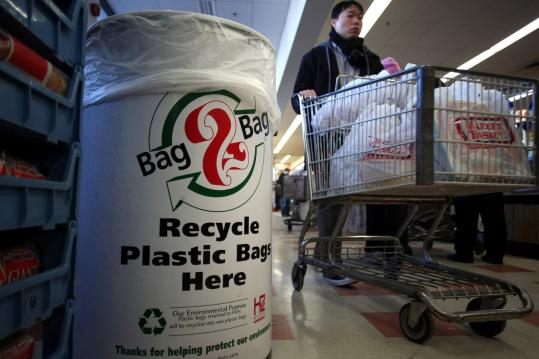
Most grocery stores have recycling bins specifically for plastic bags. Stores like Walmart, Kroger, and Target often provide these bins near the entrance or checkout area. It’s a good idea to check with your local store to confirm their recycling policy and hours. Many stores have implemented these programs as part of their commitment to sustainability, making it easier for customers to participate in recycling efforts. Additionally, some stores may offer incentives for customers who bring back their plastic bags, further encouraging recycling.
Recycling Centers
Local recycling centers may accept plastic bags, but it’s essential to verify their guidelines. Some centers have specific requirements for the types of plastics they accept. You can usually find this information on your city or county’s waste management website. Recycling centers play a crucial role in the recycling process, as they sort and process materials for reuse. By understanding what your local center accepts, you can ensure that your recycling efforts are effective and contribute to a more sustainable community.
Community Events
Many communities host recycling events where residents can drop off plastic bags and other recyclable materials. These events are often organized by local environmental groups or municipal waste management departments. Keep an eye on community bulletin boards or local news for announcements about upcoming events. Participating in these events not only helps recycle plastic bags but also fosters a sense of community and shared responsibility for the environment. Engaging with local organizations can also provide opportunities to learn more about sustainability practices.
Retail Drop-Off Locations
Some retailers, such as Home Depot and Lowe’s, have recycling programs for plastic bags and other plastic materials. These programs may vary by location, so it’s best to contact the store directly for details. Retail drop-off locations are an excellent option for those who may not have access to curbside recycling. By utilizing these programs, you can ensure that your plastic bags are recycled properly and contribute to the circular economy.
How to Prepare Plastic Bags for Recycling
Before recycling plastic bags, it’s important to prepare them properly. Here are some tips to ensure your bags are ready for recycling:
Clean and Dry
Make sure that the plastic bags are clean and dry. Any food residue or moisture can contaminate the recycling stream, making it more difficult to process the materials. Cleaning your bags before recycling not only helps maintain the quality of the recycled material but also ensures that the recycling facility can operate efficiently. A simple rinse and air dry can make a significant difference in the recycling process.
Remove Non-Recyclable Items
Check the bags for any non-recyclable items, such as receipts or stickers. These should be removed before placing the bags in the recycling bin. Non-recyclable items can cause contamination and disrupt the recycling process, leading to more waste being sent to landfills. By taking a few moments to prepare your bags, you can help improve the overall efficiency of recycling programs.
Bundle Bags Together
If you have multiple plastic bags, consider bundling them together. This makes it easier for recycling facilities to process them and reduces the chances of them getting tangled in machinery. Bundling can also help keep your recycling organized, making it simpler to transport to drop-off locations. Using a simple knot or tying them together with a piece of string can keep them neat and manageable.
Alternatives to Plastic Bags
While recycling is essential, reducing the use of plastic bags is even more effective in minimizing environmental impact. Here are some alternatives to consider:
Reusable Bags
Investing in reusable shopping bags is one of the best ways to reduce plastic waste. These bags are durable, can hold more items, and are often made from sustainable materials. Many reusable bags are designed to be foldable and portable, making them easy to carry in your purse or car. By using reusable bags, you not only reduce your reliance on single-use plastic but also promote a culture of sustainability among your peers.
Compostable Bags
Some companies offer compostable bags made from plant-based materials. These bags break down more quickly than traditional plastic bags and can be composted in industrial facilities. Compostable bags provide a more environmentally friendly option for those who need a disposable bag. However, it’s important to ensure that these bags are disposed of in the correct composting facilities to achieve their intended environmental benefits.
Paper Bags
While paper bags are not without their environmental impact, they are generally more sustainable than plastic bags. If you must use bags, opt for paper when possible, and ensure they are recycled after use. Paper bags are biodegradable and can decompose naturally, making them a better choice for the environment. Additionally, many paper bags are made from recycled materials, further reducing their environmental footprint.
Conclusion
Recycling plastic bags is a crucial step in reducing waste and protecting the environment. By knowing where to recycle and how to prepare your bags, you can contribute to a more sustainable future. Remember to consider alternatives to plastic bags and make conscious choices in your daily life. Every small action counts, and collectively, we can make a significant impact on reducing plastic pollution and promoting a healthier planet.
How to purchase:https://looperbuy.com/search?keywords=recycling+plastic+bags+near+me
Frequently Asked Questions
1. Can I recycle plastic bags in my curbside recycling bin?
No, most curbside recycling programs do not accept plastic bags. It’s best to take them to designated recycling locations.
2. What types of plastic bags can be recycled?
Most grocery store plastic bags, bread bags, and some retail bags are recyclable. Check with your local recycling program for specific guidelines.
3. Are there any fees for recycling plastic bags?
Typically, there are no fees for recycling plastic bags at grocery stores or recycling centers.
4. What happens to recycled plastic bags?
Recycled plastic bags can be turned into new products, such as composite lumber, new bags, or other plastic items.
5. How can I reduce my use of plastic bags?
Consider using reusable bags, compostable bags, or paper bags as alternatives to plastic bags.