In an age where digital photography dominates, the charm of physical photographs remains irreplaceable. Whether it’s a cherished family portrait, a snapshot from a memorable vacation, or a candid moment with friends, these images hold significant sentimental value. However, without proper storage, these precious memories can fade, become damaged, or get lost. This is where photo box storage comes into play. In this article, we will explore the importance of photo box storage, the different types available, and tips for organizing your photographs effectively.
Table of Contents
Why Photo Box Storage Matters
Protecting Your Memories
Physical photographs are susceptible to various forms of damage, including fading, tearing, and exposure to moisture. Using a dedicated photo box can help protect these images from environmental factors. High-quality photo storage boxes are designed to be acid-free and lignin-free, ensuring that your photographs remain in pristine condition for years to come. This is particularly important for older photographs, which may be more vulnerable to deterioration.
Moreover, photographs can be affected by pollutants in the air, such as dust and smoke. A well-sealed photo box can act as a barrier against these harmful elements, preserving the integrity of your images. Additionally, storing photos in a controlled environment, away from extreme temperatures and humidity, can significantly extend their lifespan.
Organization and Accessibility
One of the primary benefits of using photo boxes is the organization they provide. Instead of having photos scattered across drawers or piled in shoeboxes, a well-organized photo box system allows you to categorize and easily access your images. This not only saves time when searching for specific photos but also enhances the overall enjoyment of your collection. A well-organized collection can also inspire you to revisit and share memories that might otherwise remain forgotten.
Having a systematic approach to photo storage can also help you avoid the frustration of losing important images. When you know exactly where to find a particular photo, it becomes easier to share it with family and friends or to use it in creative projects, such as scrapbooking or creating photo albums.
Aesthetic Appeal
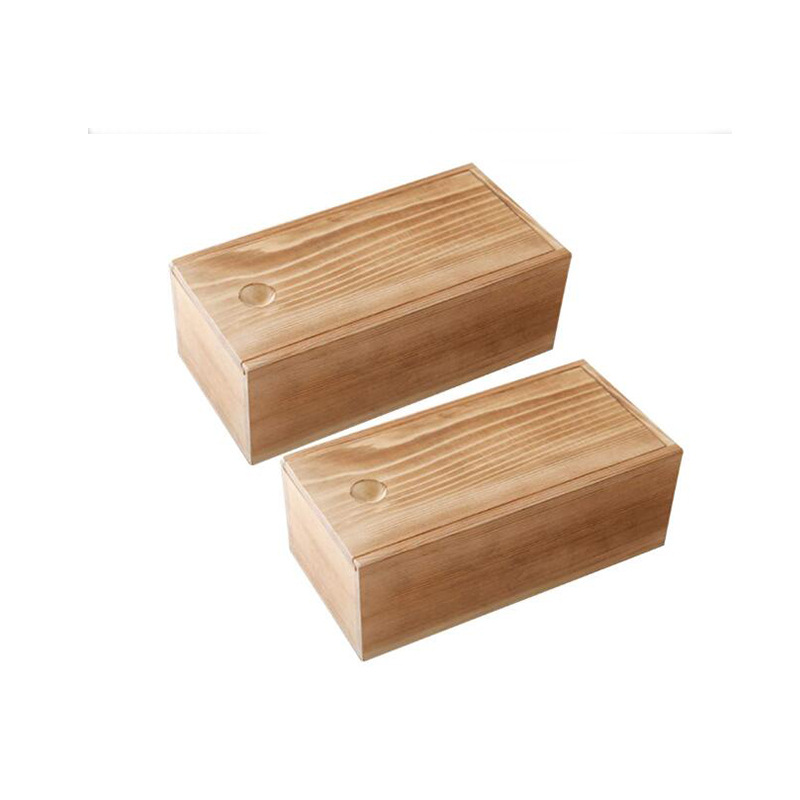
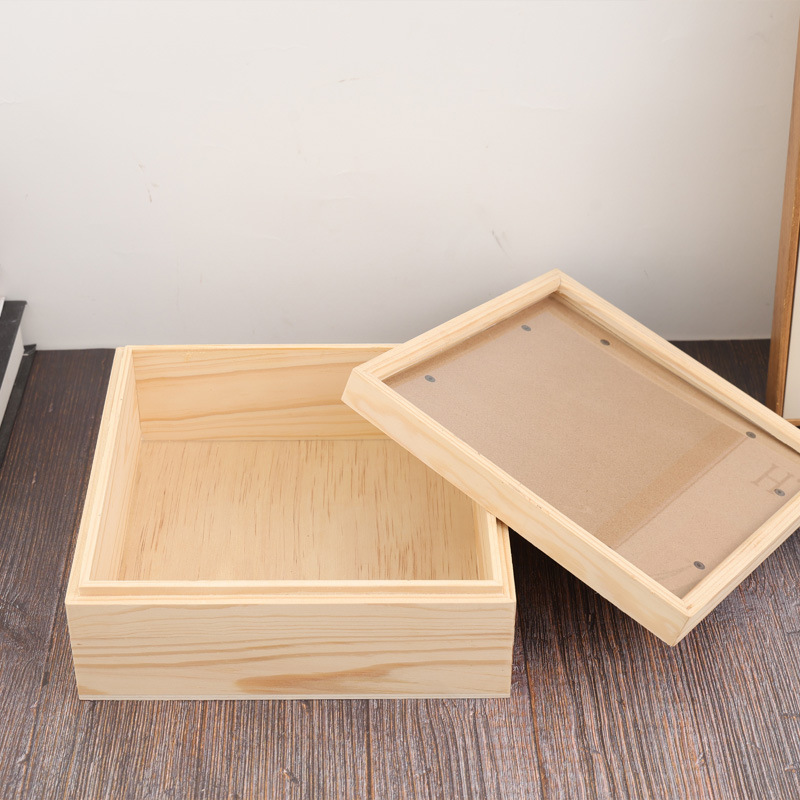
Photo boxes come in various designs, colors, and materials, allowing you to choose options that match your home decor. A beautifully designed photo box can serve as a decorative element in your living space while also being functional. Consider using decorative boxes that complement your interior design, making them a part of your home’s aesthetic rather than just storage solutions.
Incorporating photo boxes into your decor can also encourage you to display your memories more prominently. For instance, you might choose to place a decorative photo box on a coffee table or shelf, inviting guests to explore the memories contained within. This can spark conversations and allow you to share stories associated with the photographs.
Types of Photo Storage Boxes
Archival Quality Boxes
Archival quality boxes are made from materials that are safe for long-term storage. These boxes are typically acid-free and lignin-free, which helps prevent deterioration. They are ideal for storing valuable photographs, such as family heirlooms or professional prints. Investing in archival quality boxes is a wise choice for anyone looking to preserve their most cherished memories.
These boxes often come with features such as reinforced corners and secure closures, providing additional protection against physical damage. Some archival boxes are designed to be stackable, allowing you to maximize your storage space while keeping your collection organized.
Plastic Storage Boxes
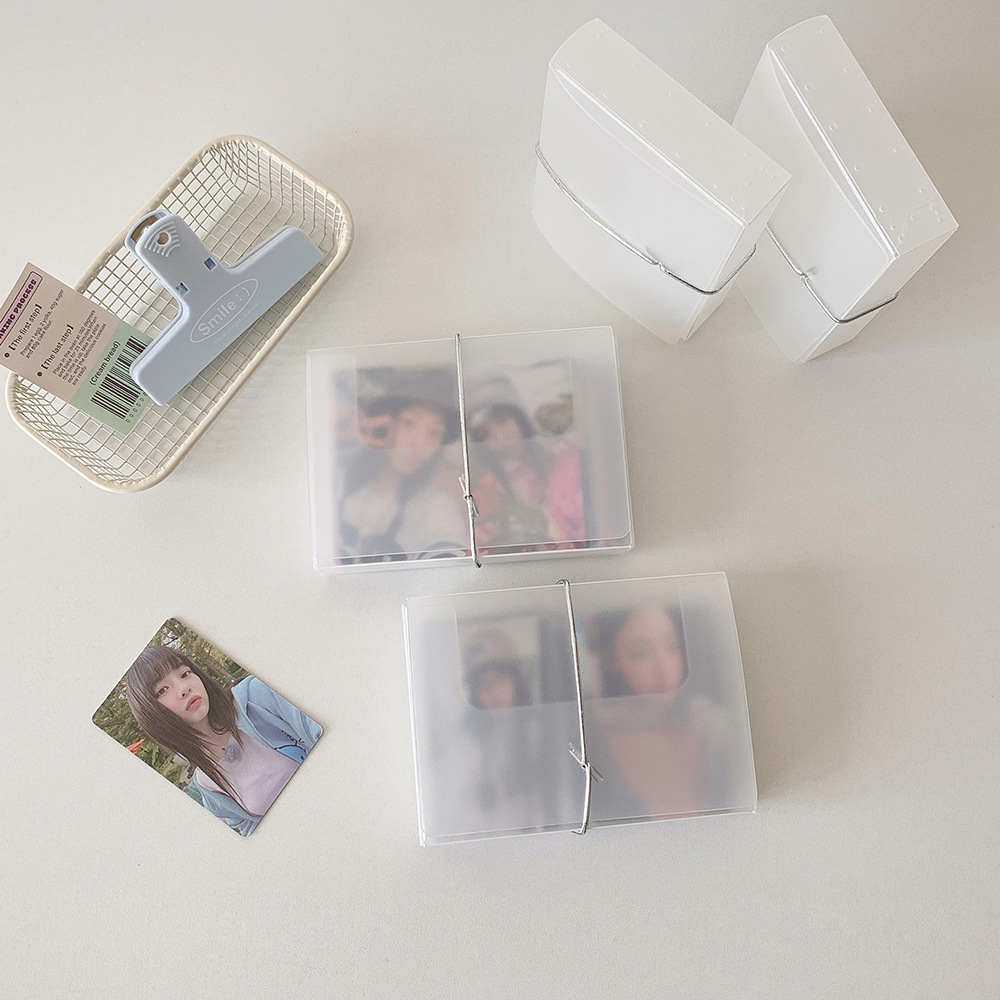
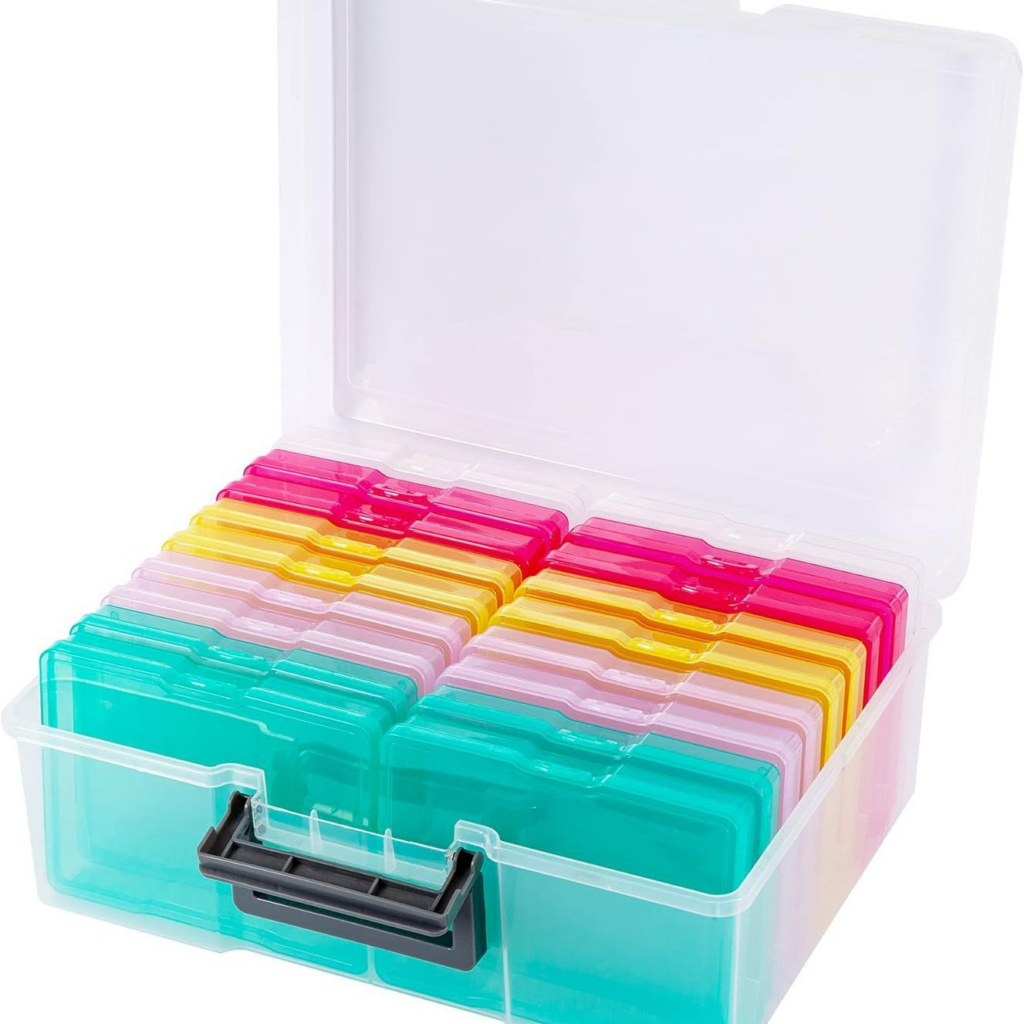
Plastic photo storage boxes are lightweight and often come with dividers to help organize photos by category or date. While they may not offer the same level of protection as archival boxes, they are a practical option for everyday use and are often more affordable. Many plastic boxes are designed to be stackable, making them easy to store in closets or on shelves without taking up too much space.
When selecting plastic storage boxes, look for options that are labeled as acid-free. This will help ensure that your photographs are not adversely affected by the materials used in the box. Additionally, consider boxes with clear lids, which allow you to see the contents without having to open each box.
Decorative Boxes
For those who want to combine functionality with style, decorative photo boxes are an excellent choice. These boxes come in various designs and can be used to store photos while also serving as a decorative piece in your home. Look for boxes that feature beautiful patterns or colors that resonate with your personal style, allowing you to showcase your memories in a visually appealing way.
Decorative boxes can also be customized with labels or embellishments, making them unique to your collection. You might choose to add a personal touch by decorating the boxes with stickers, washi tape, or even photographs of the contents.
DIY Photo Boxes
If you’re feeling crafty, creating your own photo boxes can be a fun project. You can customize the size, color, and design to fit your specific needs. Using materials like cardboard, fabric, or even repurposed items can add a personal touch to your storage solution. DIY photo boxes can also be a great way to involve children in a creative project, teaching them the importance of preserving memories.
When making DIY photo boxes, consider using sturdy materials that will provide adequate protection for your photographs. You can also incorporate features like dividers or compartments to enhance organization. Personalizing the boxes with your child’s artwork or favorite colors can make the project even more special.
Tips for Organizing Your Photo Boxes
Categorize Your Photos
One of the most effective ways to organize your photos is by categorizing them. You can sort them by events, dates, or themes. For example, you might have separate boxes for family gatherings, vacations, or holidays. Labeling each box clearly will make it easier to find specific photos later. Consider using a color-coding system for different categories to make identification even simpler.
Additionally, you can create subcategories within each box. For instance, if you have a box for vacations, you might further divide it into sections for different trips. This level of organization can make it much easier to locate specific images when you need them.
Use Dividers
If you’re using a larger box, consider using dividers to create sections within the box. This can help keep different categories separate and make it easier to navigate through your collection. Dividers can be made from cardstock or plastic, and you can label each section for quick reference.
Using dividers not only enhances organization but also prevents photos from becoming jumbled together. This is especially useful if you have a large collection of images that span many years or events.
Include a Photo Inventory
Creating a simple inventory of the photos in each box can be incredibly helpful. You can maintain a list of what’s inside each box, including the date and event associated with the photos. This can save you time and frustration when searching for specific images. A digital inventory can also be beneficial, allowing you to access your collection from anywhere.
Consider using a spreadsheet or a dedicated app to keep track of your inventory. You can include details such as the number of photos in each box, the types of events represented, and any special notes about the images.
Store in a Cool, Dry Place
To ensure the longevity of your photographs, store your photo boxes in a cool, dry place away from direct sunlight. Excessive heat and humidity can cause photos to deteriorate more quickly. Consider using silica gel packets in your storage area to absorb moisture and protect your photos.
If possible, avoid storing photo boxes in attics or basements, as these areas can be prone to temperature fluctuations and humidity. Instead, choose a climate-controlled environment, such as a closet in your home.
Regularly Review and Update
Make it a habit to review your photo boxes periodically. This allows you to remove duplicates, discard damaged photos, and add new memories. Regular updates will keep your collection organized and relevant. Set a reminder on your calendar to review your collection at least once a year.
During your review, take the time to reminisce about the memories captured in your photos. This can be a wonderful opportunity to share stories with family members and reflect on the moments that matter most.
Creative Uses for Photo Boxes
Gift Wrapping
Photo boxes can be repurposed for gift wrapping. Use them to create unique gift boxes for special occasions. You can decorate the boxes with wrapping paper or fabric to match the theme of the gift. This not only adds a personal touch but also gives the recipient a beautiful box to keep.
Consider using smaller photo boxes for gift cards or small items, and larger boxes for bigger gifts. This can make your presents stand out and show that you put thought into the packaging.
Craft Projects
If you enjoy crafting, photo boxes can be used as materials for various projects. You can cut them up to create scrapbook embellishments, or use them to store craft supplies. The sturdy construction of photo boxes makes them ideal for organizing smaller items like beads, buttons, or ribbons.
You can also use photo boxes to create themed scrapbooks or memory books. By decorating the boxes and filling them with related photos and memorabilia, you can create a cohesive collection that tells a story.
Keepsake Storage
In addition to photographs, photo boxes can be used to store other keepsakes, such as letters, postcards, or small mementos from special events. This can help you keep all your cherished memories in one place. Consider creating themed boxes for different life stages, such as childhood, adolescence, and adulthood.
Keepsake boxes can also be a wonderful way to preserve items from significant life events, such as weddings, graduations, or the birth of a child. Including items like invitations, programs, and other memorabilia can enhance the storytelling aspect of your collection.
Memory Boxes for Children
Creating memory boxes for children can be a wonderful way to preserve their milestones. Include items like their first drawing, report cards, or special awards. This not only helps in organizing their memories but also provides a beautiful keepsake for them to look back on in the future.
Encourage your children to participate in creating their memory boxes. This can be a fun activity that allows them to reflect on their achievements and experiences, fostering a sense of pride in their personal history.
Seasonal Decor
Photo boxes can also be used as part of your seasonal decor. For example, you can decorate a box with holiday-themed designs and use it to store holiday cards or decorations. This adds a festive touch to your home while keeping your items organized.
Consider creating seasonal memory boxes that contain photos and decorations related to specific holidays. This can make it easy to access your decorations each year and can also serve as a nostalgic reminder of past celebrations.
Educational Uses
Photo boxes can also serve educational purposes, especially for children. You can create themed boxes that contain educational materials, such as flashcards, worksheets, or projects related to specific subjects. This can help children engage with their learning materials in a fun and organized way.
For example, a box dedicated to science might include photos of experiments, nature, and related projects. This not only helps in organizing educational content but also makes learning more interactive and enjoyable.
Family History Projects
For those interested in genealogy, photo boxes can be invaluable for organizing family history projects. You can create boxes for different branches of your family tree, including photographs, documents, and stories related to each branch. This can help you keep track of your research and make it easier to share with family members.
Consider including family trees, historical documents, and personal anecdotes alongside photographs. This can create a rich narrative that brings your family history to life.
Conclusion
Photo box storage is an essential practice for anyone who values their physical photographs. By choosing the right type of box and organizing your collection effectively, you can ensure that your memories are preserved for future generations. Whether you opt for archival quality boxes, decorative options, or even DIY solutions, the key is to find a system that works for you. Remember to regularly review and update your collection to keep it organized and enjoyable.
How to purchase:Online B2B sourcing platform, China purchase, Chinese suppliers – LooperBuy
Frequently Asked Questions
1. What is the best type of photo storage box?
The best type of photo storage box is one that is acid-free and lignin-free, providing archival quality protection for your photographs.
2. How should I organize my photo boxes?
You can organize your photo boxes by categorizing photos by events, dates, or themes, and using dividers to separate different sections.
3. Can I use plastic boxes for photo storage?
Yes, plastic boxes are a practical option for everyday use, but ensure they are acid-free to protect your photos.
4. How often should I review my photo collection?
It’s a good idea to review your photo collection at least once a year to remove duplicates and update with new memories.
5. What should I avoid when storing photos?
Avoid storing photos in areas with high humidity or direct sunlight, as these conditions can cause damage over time.
HOT TAG: photo storage solutions, photo box organization tips, archival quality storage, DIY photo boxes, preserving family memories, decorative photo storage, creative uses for photo boxes, keepsake organization, educational photo projects, family history preservation, seasonal decor ideas, memory boxes for children, craft project ideas, organizing photographs effectively, sentimental keepsakes, photo inventory management, photo categorization techniques, long-term photo preservation, family milestone documentation, creative photo display ideas, photo box crafting, memory preservation strategies, photo collection digitization, organizing keepsakes efficiently, family heritage storage solutions.