Plastic shopping bags have become a ubiquitous part of modern life, found in nearly every grocery store and retail outlet. However, their convenience comes at a significant environmental cost. This article explores the environmental impact of plastic shopping bags, the regulations surrounding their use, recycling methods, and potential alternatives, aiming to provide a comprehensive understanding of this pressing issue.
Table of Contents
The Environmental Impact of Plastic Shopping Bags
Plastic shopping bags are primarily made from polyethylene, a type of plastic derived from fossil fuels. Their production and disposal have far-reaching consequences for the environment.
Production and Resource Consumption
The manufacturing of plastic bags requires substantial amounts of energy and natural resources. It is estimated that producing a single plastic bag consumes the equivalent of 0.5 grams of crude oil. This process not only depletes non-renewable resources but also contributes to greenhouse gas emissions, exacerbating climate change. The extraction and processing of fossil fuels for plastic production release significant amounts of carbon dioxide and other pollutants into the atmosphere, further intensifying global warming. Additionally, the water used in the production process can lead to local water scarcity, affecting communities that rely on these resources.
Pollution and Wildlife Threats
Once discarded, plastic bags often end up in landfills, oceans, and other natural habitats. They can take hundreds of years to decompose, during which time they break down into microplastics that contaminate soil and water. Marine life is particularly vulnerable; animals can ingest plastic bags, mistaking them for food, leading to injury or death. Additionally, plastic bags can entangle wildlife, causing further harm to ecosystems. The ingestion of plastic can lead to malnutrition and starvation in marine animals, as their digestive systems become blocked. Furthermore, the toxins released from plastic bags can enter the food chain, posing risks to human health as well.
Contribution to the Great Pacific Garbage Patch
Plastic shopping bags are a significant component of the Great Pacific Garbage Patch, a massive area of floating debris in the Pacific Ocean. This accumulation of waste poses a severe threat to marine biodiversity and highlights the urgent need for effective waste management solutions. The Great Pacific Garbage Patch is not a solid mass but rather a concentration of microplastics and larger debris, including plastic bags, which can be harmful to marine organisms. The presence of plastic in the ocean disrupts the natural balance of marine ecosystems, leading to a decline in fish populations and other marine life.
Regulations Surrounding Plastic Shopping Bags
In response to the environmental crisis caused by plastic waste, many governments worldwide have implemented regulations to reduce the use of plastic shopping bags.
Bans and Charges
Countries like Kenya and France have enacted strict bans on plastic bags, while others, such as the United States and Canada, have introduced charges for their use. These measures aim to discourage consumers from opting for single-use plastic bags and encourage the adoption of reusable alternatives. The effectiveness of these bans varies; in some regions, the reduction in plastic bag usage has been significant, while in others, enforcement remains a challenge. Public awareness campaigns often accompany these regulations to educate consumers about the environmental impacts of plastic bags and promote sustainable practices.
Impact of Legislation
Research indicates that such regulations can lead to a significant reduction in plastic bag consumption. For instance, after California implemented a statewide ban on single-use plastic bags, the use of reusable bags increased dramatically. However, the effectiveness of these measures can vary based on public awareness and compliance. In areas where consumers are educated about the benefits of reducing plastic use, compliance tends to be higher. Conversely, in regions where awareness is low, the impact of such regulations may be minimal. Continuous monitoring and adaptation of these policies are essential to ensure their success.
Recycling Methods for Plastic Shopping Bags
Recycling plastic shopping bags presents unique challenges due to their lightweight and flexible nature. While many consumers believe that plastic bags can be recycled easily, the reality is more complex.
Collection and Processing
Most curbside recycling programs do not accept plastic bags because they can jam machinery at recycling facilities. Instead, many grocery stores offer designated collection bins for plastic bags. However, the recycling rate for plastic bags remains low, with only a small percentage being processed into new products. The collection process can also be inefficient, as many consumers are unaware of where to recycle their bags, leading to increased litter and waste. Additionally, the contamination of plastic bags with food residues can hinder the recycling process, making it more challenging to produce high-quality recycled materials.
Downcycling
When recycled, plastic bags are often downcycled into lower-quality products, such as composite lumber or new bags. This process does not eliminate the environmental impact of plastic bags, as the recycled products still contribute to plastic pollution when they are eventually discarded. Downcycling also means that the lifecycle of the material is shortened, leading to a continuous cycle of plastic production and waste. To address this issue, some companies are exploring innovative recycling technologies that can convert plastic waste back into its original form, potentially creating a closed-loop system.
Alternatives to Plastic Shopping Bags
As awareness of the environmental issues associated with plastic bags grows, many consumers are seeking alternatives. Several options are available, each with its own set of benefits and drawbacks.
Reusable Bags
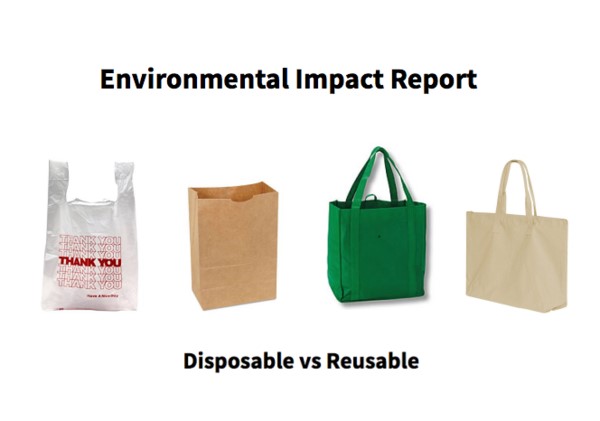
Reusable bags, made from materials like cotton, jute, or recycled plastics, are a popular alternative. They are designed for multiple uses, significantly reducing the need for single-use bags. However, the environmental impact of producing these bags must also be considered, as their production can require substantial resources. For instance, cotton bags require significant water and land to produce, while synthetic bags made from recycled plastics still have an environmental footprint. To maximize their benefits, consumers should aim to use reusable bags consistently and avoid single-use options altogether.
Paper Bags
Paper bags are often marketed as a more environmentally friendly option. While they are biodegradable and recyclable, their production involves cutting down trees and consuming water and energy. Additionally, paper bags can have a higher carbon footprint than plastic bags if not reused multiple times. The environmental impact of paper bags can be mitigated by choosing bags made from recycled paper or those sourced from sustainably managed forests. Consumers should also consider the number of times they use paper bags before discarding them, as this will determine their overall environmental impact.
Biodegradable Bags
Biodegradable bags, made from materials like cornstarch, are designed to break down more quickly than traditional plastic bags. However, they still require specific conditions to decompose effectively, and if they end up in landfills, they may not break down as intended. The term “biodegradable” can be misleading, as many biodegradable bags need industrial composting facilities to decompose properly. Consumers should be cautious and ensure they dispose of these bags in the correct manner to maximize their environmental benefits.
Conclusion
The debate over plastic shopping bags is complex, involving environmental, economic, and social considerations. While they offer convenience, their environmental impact cannot be ignored. Regulations aimed at reducing plastic bag use are essential, but they must be accompanied by public education and the promotion of sustainable alternatives. By making informed choices, consumers can contribute to a more sustainable future. The transition away from plastic shopping bags requires collective action from individuals, businesses, and governments to create a more sustainable and environmentally friendly society.
How to purchase:https://looperbuy.com/search?keywords=Plastic+Shopping+Bags
Frequently Asked Questions
1. What are the main environmental impacts of plastic shopping bags?
Plastic shopping bags contribute to pollution, harm wildlife, and take hundreds of years to decompose, leading to microplastic contamination in ecosystems.
2. Are there any countries that have banned plastic shopping bags?
Yes, several countries, including Kenya and France, have implemented strict bans on plastic shopping bags to combat environmental pollution.
3. How can I recycle plastic shopping bags?
Plastic shopping bags can be recycled at designated collection bins found in many grocery stores, but they are not accepted in curbside recycling programs.
4. What are some eco-friendly alternatives to plastic shopping bags?
Alternatives include reusable bags made from cotton or jute, paper bags, and biodegradable bags made from cornstarch.
5. Do reusable bags have an environmental impact?
Yes, while reusable bags reduce the need for single-use bags, their production can also consume resources and energy, so they should be used multiple times to offset their environmental footprint.