In every household with children, toys can quickly accumulate, transforming living spaces into chaotic playgrounds. To combat this clutter, effective toy storage solutions are essential. Among the most popular options is the toy box, a versatile storage solution that can help keep toys organized and easily accessible. This article will explore the various aspects of toy box storage, including types, benefits, organization tips, and DIY options, ensuring that your home remains tidy and functional.
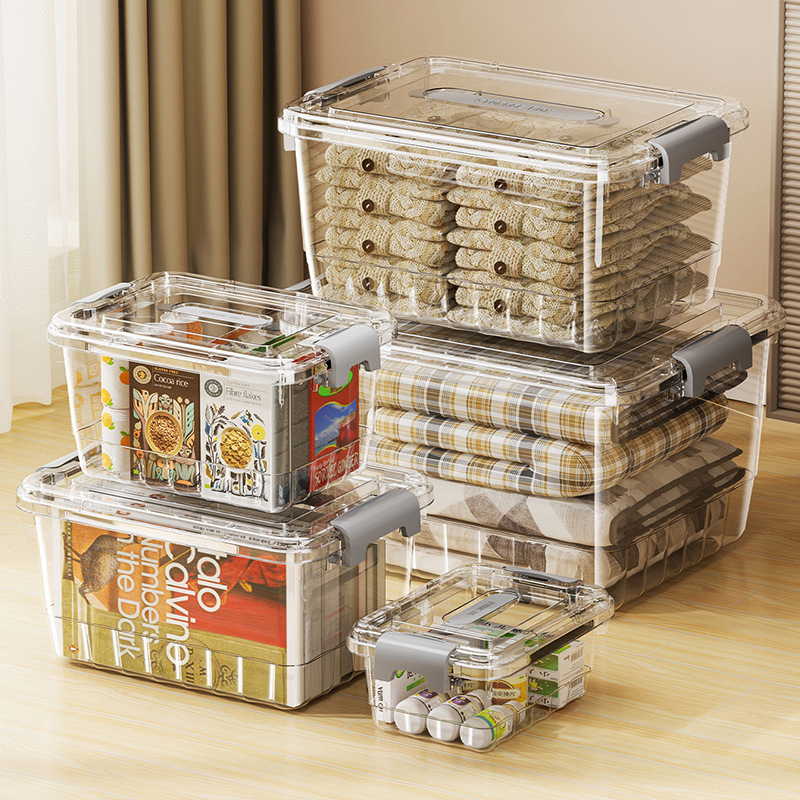
Table of Contents
Understanding Toy Box Storage
What is a Toy Box?
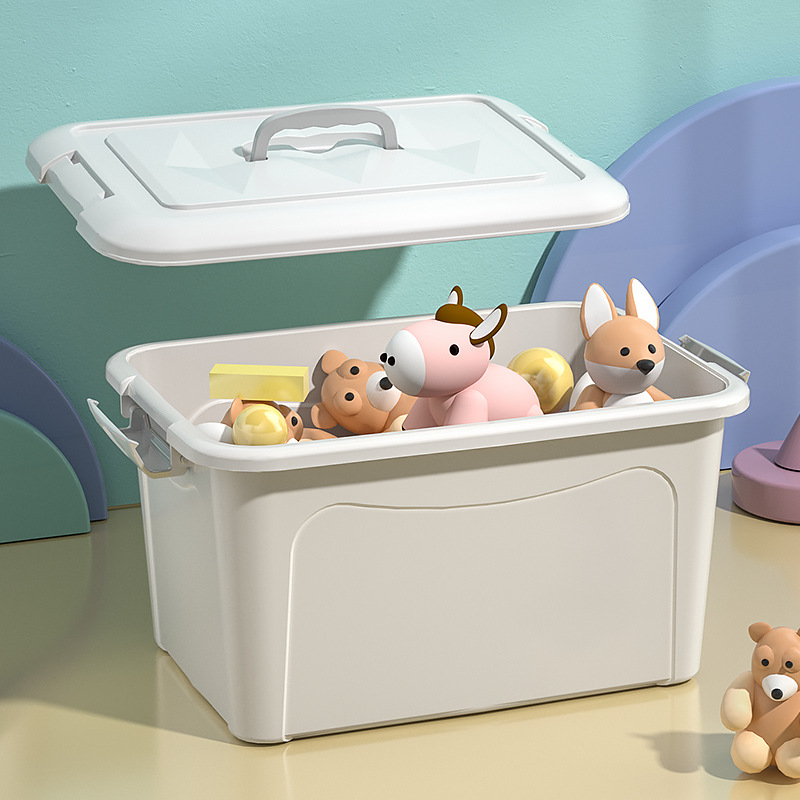
A toy box is a storage container specifically designed to hold children’s toys. It can come in various shapes, sizes, and materials, ranging from simple wooden chests to colorful plastic bins. The primary purpose of a toy box is to provide a designated space for toys, making it easier for children to learn about organization and responsibility while keeping the home clutter-free.
Benefits of Using a Toy Box
- Organization: A toy box helps keep toys in one place, making it easier for children to find what they want to play with and for parents to maintain order in the home.
- Safety: By providing a designated storage space, a toy box can help prevent accidents caused by tripping over toys left on the floor.
- Encourages Clean-Up: Having a specific place for toys encourages children to clean up after themselves, fostering a sense of responsibility and independence.
- Aesthetic Appeal: A well-chosen toy box can enhance the decor of a child’s room or play area, adding a decorative element while serving a functional purpose.
Types of Toy Boxes
Traditional Wooden Toy Boxes
Wooden toy boxes are a classic choice, offering durability and a timeless aesthetic. They can be painted or stained to match the decor of a room and often feature a lid to keep toys out of sight. Many wooden toy boxes also come with safety hinges to prevent accidental slamming, ensuring that little fingers are protected.
Plastic Toy Bins
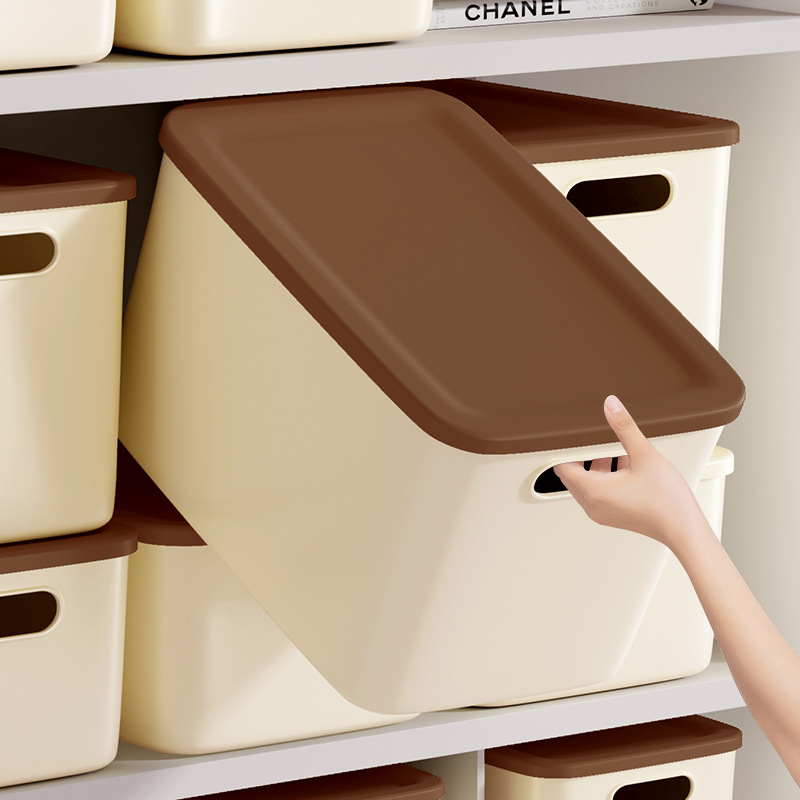
Plastic toy bins are lightweight, affordable, and easy to clean. They come in various colors and sizes, making them a versatile option for any playroom. Many plastic bins are stackable, allowing for efficient use of vertical space. Additionally, some bins feature clear sides, enabling children to see their toys without having to dig through the container.
Fabric Toy Storage
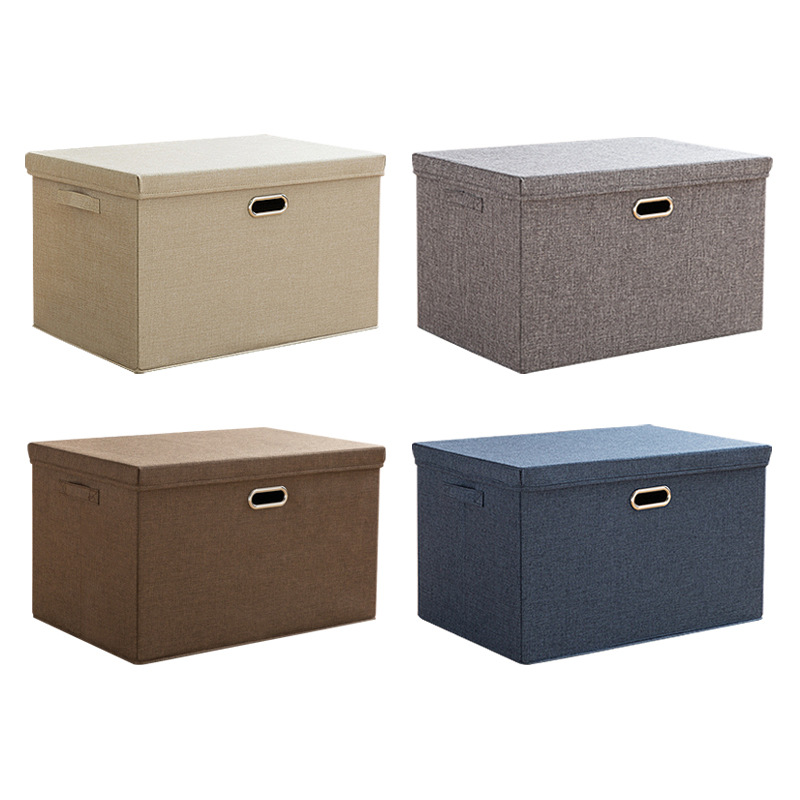
Fabric toy storage solutions, such as collapsible bins or baskets, are another popular option. These containers are often soft-sided, making them safe for young children. Fabric storage solutions can be easily folded and stored when not in use, making them a space-saving choice. They also come in a variety of fun patterns and colors, adding a playful touch to a child’s room.
Multi-Functional Storage Solutions
Some toy boxes are designed to serve multiple purposes. For example, a toy box can double as a bench or a table, providing additional seating or surface space in a playroom. These multi-functional options are ideal for maximizing space in smaller rooms.
Organizing Your Toy Box
Categorizing Toys
To make the most of your toy box storage, categorize toys into groups. This could include:
- Building Blocks: Keep all building toys, such as LEGO or wooden blocks, in one section.
- Stuffed Animals: Designate a space for plush toys to keep them organized.
- Art Supplies: Store crayons, markers, and coloring books together for easy access during creative play.
- Action Figures and Dolls: Group similar toys together to make it easier for children to find their favorites.
Labeling
Labeling is an effective way to help children learn where to put their toys back after playtime. Use colorful labels or pictures to indicate what goes in each section of the toy box. This not only aids in organization but also encourages children to take responsibility for their belongings.
Rotating Toys
To keep playtime fresh and exciting, consider rotating toys in and out of the toy box. Store some toys away for a few weeks or months, then swap them with others. This approach can help reduce clutter and keep children engaged with their toys.
DIY Toy Box Storage Solutions
Building Your Own Toy Box
For those who enjoy woodworking or crafting, building a custom toy box can be a rewarding project. Here are some steps to consider:
- Choose Your Materials: Select durable materials such as plywood or solid wood for construction. Consider using non-toxic finishes to ensure safety.
- Design Your Toy Box: Sketch a design that fits your space and style. Include dimensions, lid design, and any additional features like wheels for mobility.
- Gather Tools: Ensure you have the necessary tools, such as a saw, drill, screws, and sandpaper.
- Construct the Box: Follow your design to cut and assemble the pieces. Sand the edges to prevent splinters and apply a finish if desired.
- Add Personal Touches: Consider painting or decorating the toy box to match your child’s room. You can also add stencils or decals for a fun touch.
Upcycling Old Furniture
If you have an old piece of furniture, such as a chest or a small cabinet, consider upcycling it into a toy box. Here’s how:
- Clean and Repair: Clean the furniture thoroughly and make any necessary repairs.
- Paint or Stain: Give the piece a fresh coat of paint or stain to match your decor.
- Add Storage Solutions: If the furniture has drawers, consider using dividers to keep toys organized. If it’s a chest, add a cushion on top to create a comfortable seating area.
Creative Storage Ideas for Small Spaces
Wall-Mounted Storage
In smaller rooms, wall-mounted storage solutions can help maximize space. Consider installing shelves or pegboards to hold toys, books, and art supplies. This keeps items off the floor and makes them easily accessible.
Under-Bed Storage
Utilize the space under the bed for additional toy storage. Use shallow bins or drawers that can slide in and out easily. This is a great way to keep toys organized while saving valuable floor space.
Over-the-Door Organizers
Over-the-door organizers can be a fantastic solution for storing smaller toys. These organizers often feature pockets that can hold various items, from action figures to art supplies. They are easy to install and can be moved as needed.
Maintaining Your Toy Box
Regular Cleaning
To keep your toy box looking its best, establish a regular cleaning routine. This could involve:
- Wiping Down Surfaces: Use a damp cloth to wipe down the exterior and interior of the toy box to remove dust and dirt.
- Cleaning Toys: Periodically wash or sanitize toys, especially those that are frequently used or shared with other children.
Decluttering
Encourage children to regularly declutter their toys. Set aside time every few months to go through the toy box and remove items that are broken, no longer played with, or outgrown. This helps maintain an organized space and teaches children about the importance of keeping only what they truly need.
Safety Features to Consider in a Toy Box
Lid Safety
When choosing or building a toy box, ensure that it has a safety hinge or a lid that can be easily opened and closed without pinching fingers. Some toy boxes come with a slow-close feature that prevents the lid from slamming shut.
Non-Toxic Materials
If you are building a toy box, opt for non-toxic paints and finishes. Children are often in close contact with their toys, so it’s essential to use materials that are safe and free from harmful chemicals.
Rounded Edges
To prevent injuries, choose a toy box with rounded edges or sand down sharp corners if you are building your own. This is especially important for younger children who may bump into the box while playing.
Involving Your Child in the Toy Organization Process
Teaching Responsibility
Involving your child in the organization of their toy box can teach them valuable lessons about responsibility and organization. Encourage them to help categorize their toys and decide where each item should go. This not only makes the process more enjoyable but also empowers them to take ownership of their belongings.
Making It Fun
Turn the organization process into a fun activity. Play music, set a timer, or create a game out of cleaning up. For example, challenge your child to see how quickly they can put away their toys or reward them with a small treat for completing the task.
Regular Check-Ins
Schedule regular check-ins to review the organization of the toy box. This can be a monthly or seasonal activity where you and your child assess what toys are being used and what can be donated or discarded. This practice reinforces the importance of maintaining an organized space.
Eco-Friendly Materials for Building a Toy Box
Bamboo
Bamboo is a sustainable material that grows quickly and requires minimal resources to cultivate. It is strong and durable, making it an excellent choice for building a toy box. Additionally, bamboo has a unique aesthetic that can add a touch of elegance to your child’s room.
Recycled Plastic
Using recycled plastic for a toy box is an eco-friendly option that helps reduce waste. Many manufacturers produce durable and colorful toy boxes made from recycled materials, which are easy to clean and maintain.
Plywood
Plywood is a versatile and cost-effective material that can be used to build a sturdy toy box. When sourced from sustainable forests, plywood can be an environmentally friendly choice. Look for products that are certified by organizations like the Forest Stewardship Council (FSC).
Emerging Trends in Toy Storage Solutions
Smart Toy Storage
With the rise of technology, smart toy storage solutions are becoming increasingly popular. These innovative products may include features such as built-in sensors that track toy usage or apps that help children learn organization skills through interactive games.
Modular Storage Systems
Modular storage systems allow for flexibility and customization in toy organization. These systems can be rearranged and expanded as needed, making them ideal for growing collections of toys. Parents can easily adapt the storage solution to fit their child’s changing interests and needs.
Eco-Conscious Brands
As awareness of environmental issues grows, more brands are focusing on producing eco-conscious toy storage solutions. These brands prioritize sustainable materials, ethical manufacturing practices, and minimal packaging, appealing to environmentally aware consumers.
Conclusion
How to purchase:https://looperbuy.com/search?keywords=toy+box+storage&globalType=china
A well-organized toy box storage solution can transform your home, making it a more functional and enjoyable space for both children and adults. By understanding the various types of toy boxes available, implementing effective organization strategies, and considering DIY options, you can create a storage solution that meets your family’s needs. Embracing these practices not only helps maintain order but also fosters a sense of responsibility in children, teaching them the value of organization and care for their belongings.
Frequently Asked Questions
1. What is a toy box?
A toy box is a storage container designed specifically for holding children’s toys, helping to keep them organized and easily accessible.
2. What materials are best for a toy box?
Common materials include wood, plastic, and fabric. Each has its benefits, such as durability, ease of cleaning, and aesthetic appeal.
3. How can I organize toys in a toy box?
Categorize toys into groups, use labels for easy identification, and consider rotating toys to keep playtime fresh.
4. Can I build my own toy box?
Yes, building your own toy box can be a rewarding DIY project. You can customize the size, design, and materials to fit your needs.
5. How do I maintain my toy box?
Regularly clean the toy box and its contents, establish a decluttering routine, and ensure that toys are in good condition.
HOT TAG: toy box storage, organizing children’s toys, DIY toy box ideas, toy storage solutions, home organization tips, creative storage ideas, eco-friendly toy storage, maintaining a tidy playroom, multi-functional storage, stylish toy boxes, kids room decor, practical storage solutions, maximizing small spaces, toy organization strategies, building a toy box, upcycling furniture for storage.