Oil lamps and lanterns have illuminated human life for centuries, serving as essential tools for light and ambiance. Their evolution reflects changes in technology, culture, and lifestyle. This article explores the historical significance, design variations, and contemporary applications of oil lamps and lanterns, highlighting their enduring charm and functionality.
Table of Contents
The Historical Significance of Oil Lamps and Lanterns
Early Beginnings
The history of oil lamps dates back to ancient civilizations, with the earliest known examples made from stone or clay. These primitive lamps utilized animal fats or vegetable oils as fuel, providing a crucial source of light in homes and public spaces. The ability to create fire in a controlled manner marked a significant advancement in human ingenuity, allowing societies to extend their productive hours beyond daylight. As these early lamps spread across cultures, they adapted to local materials and customs, leading to a rich diversity in design and function. For instance, the ancient Egyptians used oil lamps in religious ceremonies, while the Greeks and Romans incorporated them into daily life, showcasing their importance in both practical and ceremonial contexts.
The Evolution of Design
As societies advanced, so did the design of oil lamps. The introduction of glass and metal allowed for more intricate and durable constructions. The Romans perfected the use of glass in lamps, creating beautiful designs that were both functional and decorative. These lamps often featured elaborate motifs and were sometimes adorned with precious metals, reflecting the wealth and status of their owners. In the Middle Ages, oil lamps became more common in Europe, often used in churches and homes. The Renaissance period saw a surge in artistic designs, with lamps becoming symbols of wealth and status. Craftsmen began to experiment with different shapes and materials, leading to the creation of ornate chandeliers and wall sconces that not only provided light but also served as stunning decorative pieces.
The Industrial Revolution
The Industrial Revolution brought about significant changes in the production and use of oil lamps. Kerosene, derived from petroleum, became a popular fuel source due to its efficiency and availability. This led to the mass production of oil lamps, making them accessible to the general public. The introduction of the flat wick burner improved the efficiency of oil lamps, providing brighter and more consistent light. This period also saw the rise of companies specializing in lamp manufacturing, which contributed to the standardization of designs and the introduction of safety features. As urbanization increased, oil lamps became essential for lighting streets and homes, transforming the way people lived and worked after dark.
Types of Oil Lamps and Lanterns
Traditional Oil Lamps
Traditional oil lamps are often made from materials like brass, glass, or ceramic. They come in various styles, including:
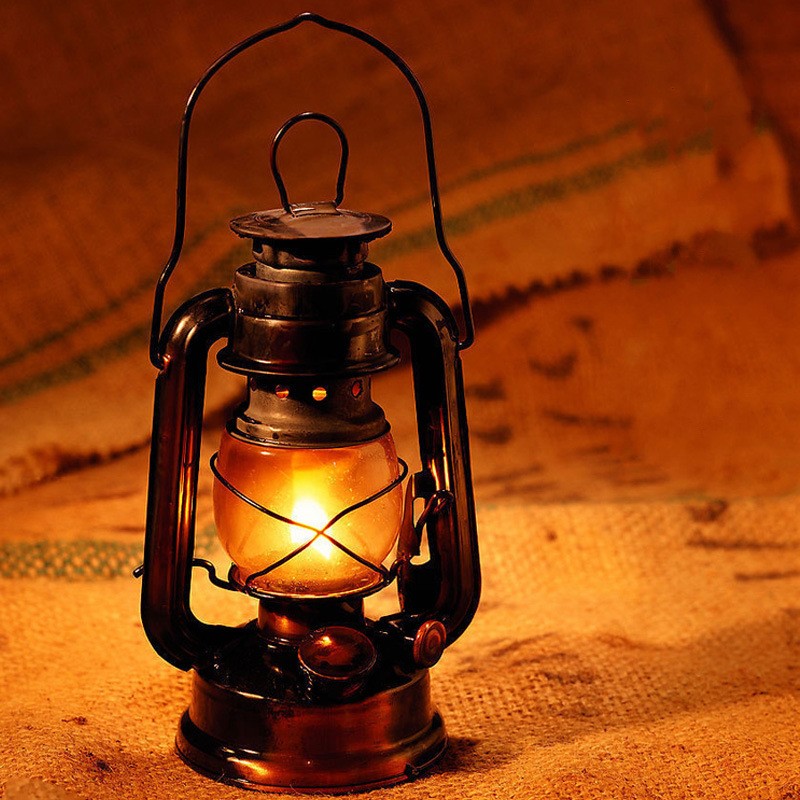
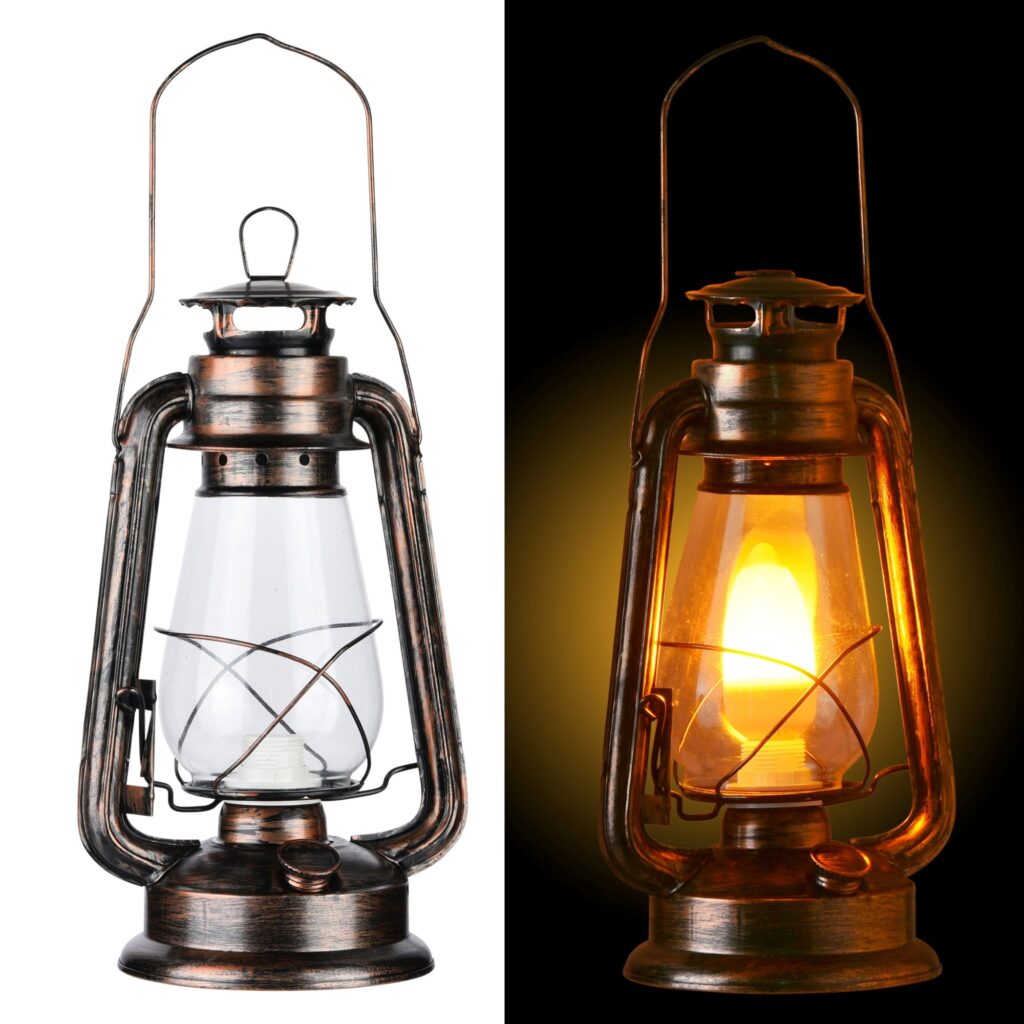
– Hurricane Lamps: Designed to withstand wind and rain, these lamps feature a glass chimney that protects the flame. They are popular for outdoor use and during power outages, providing reliable light in challenging conditions. The design of hurricane lamps has evolved, with modern versions often incorporating decorative elements that enhance their aesthetic appeal while maintaining functionality.
– Aladdin Lamps: Known for their unique design and bright light, Aladdin lamps use a special mantle that enhances illumination. They are often used for both decorative and practical purposes, making them a favorite among collectors and enthusiasts. The ability to produce a steady, bright light has made Aladdin lamps a popular choice for both indoor and outdoor settings, where ambiance and visibility are essential.
Modern Lanterns
Modern lanterns have evolved to include various designs and functionalities. Some popular types include:
– Camping Lanterns: These portable lanterns are designed for outdoor use, often powered by propane or battery. They provide reliable light for camping and hiking, allowing adventurers to navigate safely in the dark. Many modern camping lanterns are lightweight and compact, making them easy to transport and store, while also featuring adjustable brightness settings to suit different needs.
– Decorative Lanterns: Many contemporary designs focus on aesthetics, featuring intricate patterns and colors. These lanterns are often used for home decor, events, and celebrations. From elegant candle holders to elaborate hanging lanterns, the variety available allows individuals to express their personal style while creating a warm and inviting atmosphere in their spaces.
The Role of Oil Lamps and Lanterns Today
Practical Uses
Oil lamps and lanterns continue to serve practical purposes in today’s world. They are commonly used in:
– Emergency Preparedness: Many households keep oil lamps as a backup light source during power outages. Their long burn time and reliability make them ideal for emergencies, providing peace of mind in uncertain situations. In areas prone to natural disasters, having a reliable source of light can be crucial for safety and comfort.
– Outdoor Activities: Campers and hikers often rely on oil lanterns for illumination in remote areas. Their portability and ease of use make them a favorite among outdoor enthusiasts. Additionally, many outdoor events, such as weddings and parties, utilize oil lanterns to create a magical ambiance, blending functionality with aesthetic appeal.
Aesthetic Appeal
Beyond their practical uses, oil lamps and lanterns are cherished for their aesthetic qualities. They add a warm, inviting glow to any space, making them popular for:
– Home Decor: Many people use oil lamps as decorative pieces, enhancing the ambiance of living rooms, dining areas, and patios. The soft light emitted by oil lamps creates a cozy atmosphere, perfect for relaxation and social gatherings. With a wide range of styles available, from vintage to modern, oil lamps can complement various interior design themes.
– Events and Celebrations: Lanterns are often used in weddings, parties, and festivals to create a magical atmosphere. Their soft light adds a romantic touch to any occasion, making them a popular choice for outdoor celebrations. The versatility of lanterns allows them to be used in various settings, from intimate gatherings to large-scale events, enhancing the overall experience for guests.
Caring for Oil Lamps and Lanterns
Maintenance Tips
To ensure the longevity and functionality of oil lamps and lanterns, proper care is essential. Here are some maintenance tips:
– Regular Cleaning: Dust and soot can accumulate on the glass and metal parts. Regular cleaning with a soft cloth and mild soap will keep them looking new. It is important to avoid abrasive cleaners that could scratch the surface, preserving the lamp’s aesthetic appeal.
– Fuel Management: Use high-quality lamp oil to prevent clogging and ensure a clean burn. Always check the fuel level before use and refill as necessary. Storing lamp oil in a cool, dry place will also help maintain its quality and effectiveness.
– Safe Storage: When not in use, store oil lamps in a cool, dry place away from direct sunlight. This helps preserve the materials and prevents damage. Additionally, keeping lamps in a protective case or covering them can prevent dust accumulation and potential accidents.
Safety Precautions
While oil lamps and lanterns are generally safe, it is important to follow safety precautions:
– Ventilation: Always use oil lamps in well-ventilated areas to prevent the buildup of harmful fumes. Ensuring proper airflow will enhance safety and improve the overall burning experience.
– Supervision: Never leave an oil lamp unattended while lit. Always extinguish the flame before leaving the room. This practice is crucial for preventing accidental fires and ensuring the safety of everyone in the vicinity.
– Child and Pet Safety: Keep oil lamps out of reach of children and pets to prevent accidents. Educating family members about the safe use of oil lamps can also help minimize risks and promote responsible handling.
Conclusion
Oil lamps and lanterns have a rich history and continue to play a significant role in modern life. Their blend of functionality and aesthetic appeal makes them timeless pieces that enhance both practical and decorative aspects of our lives. Whether used for emergency lighting, outdoor adventures, or home decor, oil lamps and lanterns remain cherished items that connect us to our past while illuminating our present.
How to purchase:https://looperbuy.com/search?keywords=Oil+Lamps+and+Lanterns
Frequently Asked Questions
1. What types of oil are used in oil lamps?
Oil lamps typically use kerosene, lamp oil, or other liquid fuels designed for safe burning. Each type of oil has its own characteristics, affecting the brightness and burn time of the lamp.
2. How long do oil lamps burn?
The burn time of an oil lamp depends on the size of the fuel reservoir and the wick’s size. Generally, they can burn for several hours to a full day, making them reliable for extended use.
3. Are oil lamps safe to use indoors?
Yes, oil lamps can be safe indoors if used in well-ventilated areas and monitored while lit. Proper care and attention to safety guidelines will ensure a safe environment.
4. Can I use essential oils in an oil lamp?
It is not recommended to use essential oils in traditional oil lamps, as they may not burn properly and could produce harmful fumes. Stick to fuels specifically designed for oil lamps to ensure safety and efficiency.
5. How do I extinguish an oil lamp safely?
To extinguish an oil lamp, gently blow out the flame or use a snuffer. Ensure the wick is lowered to prevent smoking, and allow the lamp to cool before handling.