Table of Contents
Introduction to Global Shipping
In today’s interconnected world, global shipping has become a vital component of international trade. The United Kingdom, with its rich maritime history and strategic location, plays a significant role in global shipping networks. This article explores the various aspects of global shipping in the UK, including its importance, the challenges faced, innovations in the industry, and the future of shipping logistics.

The Importance of Global Shipping in the UK
Economic Impact
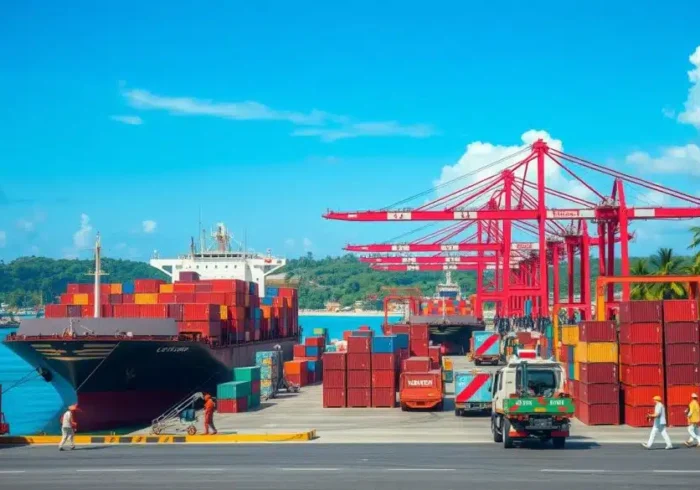
Global shipping is a cornerstone of the UK economy. It facilitates the import and export of goods, contributing significantly to the GDP. The UK is home to some of the busiest ports in Europe, including Felixstowe, Southampton, and Liverpool, which handle millions of containers each year. These ports are crucial for trade, connecting the UK to markets across the globe.
The economic impact of shipping extends beyond just the ports. It influences various sectors, including manufacturing, retail, and agriculture. For instance, the automotive industry relies heavily on shipping for the import of parts and the export of finished vehicles. Similarly, the food and beverage sector depends on efficient shipping to bring products from overseas markets to UK consumers.
Employment Opportunities
The shipping industry also provides numerous job opportunities. From dockworkers and logistics managers to customs brokers and shipping agents, the sector employs thousands of people. The growth of e-commerce has further increased demand for shipping services, leading to the creation of new jobs in logistics and supply chain management.
In addition to direct employment, the shipping industry supports a wide range of ancillary services. This includes warehousing, freight forwarding, and customs brokerage, all of which contribute to the overall employment landscape. The skills required in these roles are diverse, ranging from technical expertise in logistics software to customer service skills in dealing with clients.
Supporting Global Trade
The UK’s shipping industry supports global trade by ensuring that goods move efficiently across borders. With advancements in technology, shipping companies can now track shipments in real-time, improving transparency and reliability. This capability is essential for businesses that rely on timely deliveries to meet customer demands.
Moreover, the UK’s strategic location makes it an ideal hub for transshipment. Goods can be shipped to the UK and then redistributed to other European countries, making it a key player in the global supply chain. This role is particularly important for businesses looking to access the European market post-Brexit, as they navigate new trade agreements and customs regulations.
Challenges in Global Shipping
Regulatory Hurdles
One of the significant challenges in global shipping is navigating the complex web of regulations. Each country has its own customs laws, tariffs, and import/export restrictions. For UK businesses, Brexit has added another layer of complexity, as new trade agreements and customs procedures have come into effect. Companies must stay informed about these changes to avoid delays and additional costs.
The regulatory landscape is constantly evolving, with new laws and agreements being introduced regularly. This requires shipping companies to invest in compliance training and systems to ensure they meet all legal requirements. Failure to comply can result in hefty fines and delays in shipments, which can be detrimental to businesses.
Environmental Concerns
The shipping industry is also under pressure to reduce its environmental impact. Shipping contributes to greenhouse gas emissions, and there is a growing demand for more sustainable practices. The UK government and international organizations are pushing for stricter regulations on emissions, prompting shipping companies to invest in cleaner technologies and more efficient vessels.
In response to these concerns, many shipping companies are exploring alternative fuels, such as liquefied natural gas (LNG) and biofuels. Additionally, there is a push for the adoption of electric and hybrid vessels, which can significantly reduce emissions. The International Maritime Organization (IMO) has set ambitious targets for reducing greenhouse gas emissions from shipping, aiming for a 50% reduction by 2050 compared to 2008 levels.
Supply Chain Disruptions
Recent global events, such as the COVID-19 pandemic, have highlighted the vulnerabilities in supply chains. Disruptions in shipping routes, port closures, and labor shortages have caused delays and increased shipping costs. Companies must develop contingency plans to mitigate these risks and ensure the continuity of their operations.
The pandemic has also accelerated the shift towards digitalization in the shipping industry. Companies are increasingly adopting technology to enhance their resilience against future disruptions. This includes investing in digital platforms for tracking shipments, managing inventory, and optimizing logistics operations.
Innovations in Global Shipping
Technological Advancements
Technology is transforming the shipping industry. Innovations such as blockchain, artificial intelligence, and the Internet of Things (IoT) are enhancing efficiency and transparency. For instance, blockchain technology can streamline documentation processes, reducing the risk of fraud and errors. AI can optimize shipping routes, saving time and fuel costs.
The use of IoT devices allows for real-time monitoring of shipments, providing valuable data on the condition and location of goods. This information can be used to make informed decisions about logistics and supply chain management. For example, if a shipment is delayed, companies can quickly adjust their plans to minimize the impact on their operations.
Automation and Robotics
Automation is becoming increasingly prevalent in shipping operations. Automated cranes and robotic systems are being used in ports to speed up loading and unloading processes. This not only increases efficiency but also reduces the risk of human error. As technology continues to evolve, we can expect to see more automation in various aspects of shipping logistics.
In addition to port operations, automation is also being applied to warehousing and distribution. Automated guided vehicles (AGVs) and robotic picking systems are streamlining the process of moving goods within warehouses, reducing labor costs and improving accuracy.
Sustainable Practices
In response to environmental concerns, many shipping companies are adopting sustainable practices. This includes using alternative fuels, such as LNG (liquefied natural gas), and implementing energy-efficient technologies. The UK is also investing in green shipping initiatives, aiming to reduce the carbon footprint of its maritime industry.
Shipping companies are increasingly focusing on reducing waste and improving energy efficiency. This includes optimizing vessel design to reduce drag and improve fuel efficiency, as well as implementing waste management systems to minimize environmental impact.
The Future of Global Shipping in the UK
E-commerce Growth
The rise of e-commerce is reshaping the shipping landscape. Consumers expect fast and reliable delivery services, prompting shipping companies to adapt their operations. The UK is witnessing a surge in demand for last-mile delivery solutions, with companies exploring innovative ways to meet customer expectations.
To keep pace with e-commerce growth, shipping companies are investing in technology and infrastructure. This includes developing advanced logistics networks that can handle increased volumes and provide faster delivery options. Companies are also exploring partnerships with local delivery services to enhance their last-mile capabilities.
Enhanced Trade Agreements
As the UK navigates its post-Brexit trade relationships, new agreements are being established with countries around the world. These agreements aim to facilitate smoother trade and reduce tariffs, benefiting both importers and exporters. The shipping industry will play a crucial role in implementing these agreements and ensuring that goods flow seamlessly across borders.
The UK government is actively seeking to establish trade agreements with key markets, including the United States, Australia, and Japan. These agreements are expected to open up new opportunities for UK businesses and enhance the competitiveness of the shipping industry.
Investment in Infrastructure
To support the growing demand for shipping services, significant investments are being made in port infrastructure. Upgrades to existing facilities and the development of new ports are essential to accommodate larger vessels and increased cargo volumes. The UK government is committed to enhancing its maritime infrastructure to maintain its competitive edge in global shipping.
Investment in digital infrastructure is also crucial. Shipping companies are increasingly adopting digital platforms to streamline operations and improve customer service. This includes online booking systems, real-time tracking, and automated customer support.
Adapting to Larger Vessels
As global shipping trends shift towards larger container ships, UK ports are adapting to accommodate these vessels. This includes deepening berths, expanding terminal facilities, and investing in advanced cargo handling equipment. The ability to handle larger ships not only increases efficiency but also reduces shipping costs, making UK ports more competitive on the global stage.
Diversification of Shipping Routes
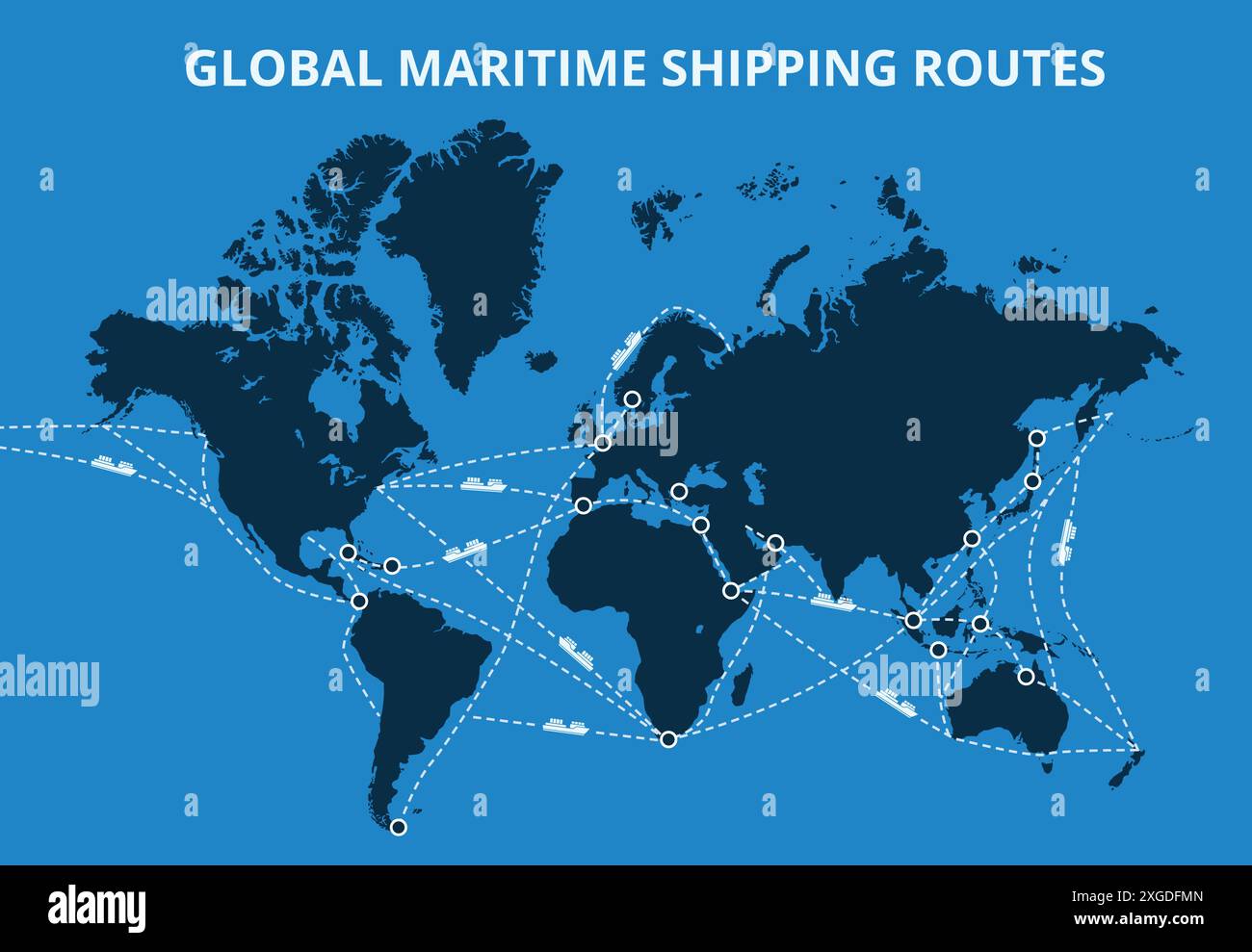
The shipping industry is also diversifying its routes to mitigate risks associated with geopolitical tensions and trade disputes. By exploring alternative shipping lanes and developing new trade partnerships, companies can reduce their reliance on traditional routes that may be vulnerable to disruptions. This strategic diversification is essential for maintaining a resilient supply chain.
Conclusion
Global shipping is a dynamic and essential component of the UK economy. While challenges such as regulatory hurdles and environmental concerns persist, innovations in technology and sustainable practices are paving the way for a more efficient and responsible shipping industry. As the landscape continues to evolve, the UK is well-positioned to remain a key player in global trade.
As you explore the vast opportunities in global shipping and e-commerce, don’t miss out on the chance to find the best deals and products tailored to your needs—visit LooperBuy today!
Article Summary: This comprehensive guide explores the significance of global shipping in the UK, highlighting its economic impact, employment opportunities, and role in supporting international trade. It discusses the challenges faced by the industry, including regulatory hurdles and environmental concerns, while examining innovations such as technology and automation. The future of global shipping in the UK looks promising, with growth in e-commerce, investments in infrastructure, and adaptations to larger vessels and diversified shipping routes.
Hot Tags: Global Shipping; UK Shipping Services; International Trade; Shipping Regulations; Sustainable Shipping; E-commerce Logistics; Shipping Technology; Maritime Industry; Port Infrastructure; Supply Chain Management; Customs Procedures; Shipping Innovations; Freight Forwarding; Logistics Solutions; Shipping Challenges; Environmental Impact; Global Trade Agreements; Shipping Costs; Last-Mile Delivery; Shipping Automation; Blockchain in Shipping; AI in Logistics; Green Shipping Initiatives; Shipping Employment; International Shipping Companies; UK Ports; Shipping Industry Trends; Shipping Efficiency; Cargo Transportation; Global Logistics.
Related Questions & Answers
· What are the UK’s main import and export commodities that rely on global shipping?
The UK’s main import commodities include machinery, vehicles, and pharmaceuticals, while its primary exports consist of machinery, vehicles, and financial services.
· How are UK ports adapting to handle larger container ships and increased volumes?
UK ports are deepening berths, expanding terminal facilities, and investing in advanced cargo handling equipment to accommodate larger vessels and increased cargo volumes.
· What government initiatives support sustainable shipping practices in the UK?
The UK government is promoting green shipping initiatives, including investments in alternative fuels, emissions reduction targets, and support for research and development in sustainable shipping technologies.