Table of Contents
Introduction to Global Shipping
In today’s interconnected world, global shipping plays a crucial role in facilitating international trade and commerce. As businesses expand their reach beyond borders, understanding the complexities of global logistics becomes essential. This article explores the various aspects of global shipping, focusing on strategies, challenges, and solutions that can help businesses optimize their shipping processes.
Understanding Global Shipping
The Importance of Global Shipping
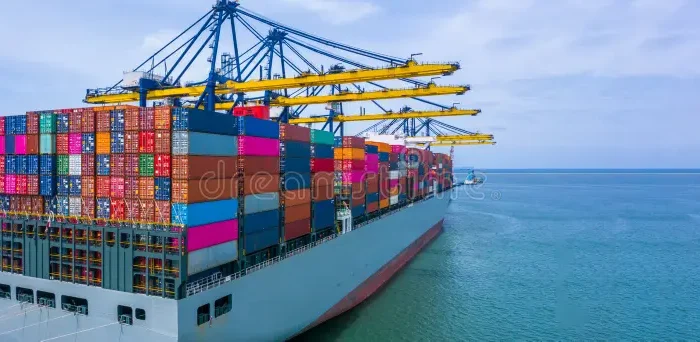
Global shipping is the backbone of international trade, enabling the movement of goods across countries and continents. It allows businesses to access new markets, source materials from different regions, and deliver products to customers worldwide. The efficiency of global shipping directly impacts a company’s bottom line, customer satisfaction, and overall competitiveness.
Key Components of Global Shipping
- Transportation Modes: Global shipping involves various transportation modes, including air, sea, rail, and road. Each mode has its advantages and disadvantages, depending on factors such as cost, speed, and the nature of the goods being transported.
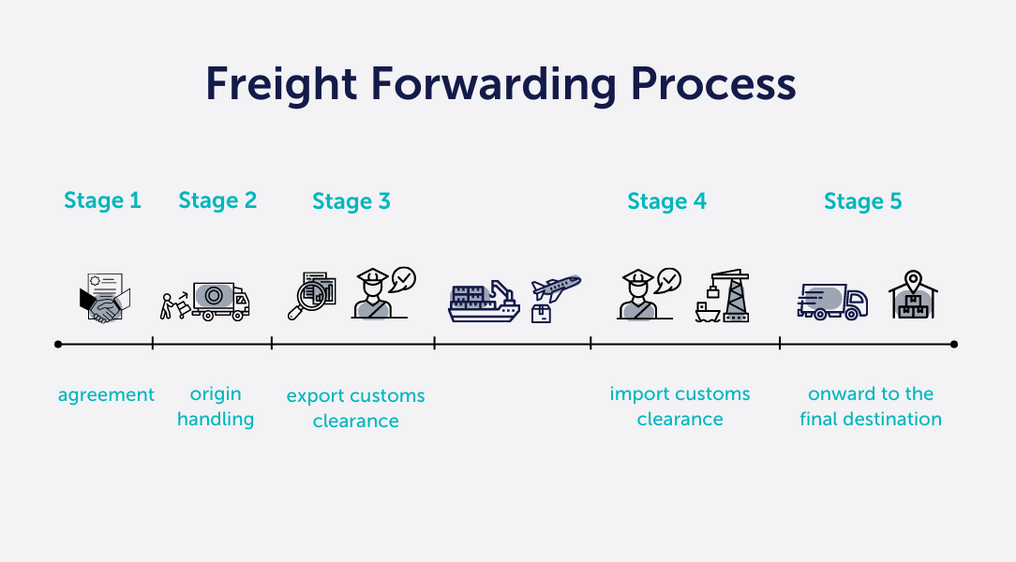
- Customs and Regulations: Navigating customs regulations is a critical aspect of global shipping. Businesses must comply with the laws and regulations of both the exporting and importing countries to avoid delays and penalties.
- Logistics Providers: Partnering with reliable logistics providers is essential for efficient global shipping. These providers offer services such as freight forwarding, warehousing, and distribution, helping businesses streamline their shipping operations.
Strategies for Efficient Global Shipping
Choosing the Right Shipping Partner
Selecting the right shipping partner is crucial for ensuring timely and cost-effective deliveries. When evaluating potential partners, consider the following factors:
- Experience and Expertise: Look for logistics providers with a proven track record in global shipping. Their experience can help navigate complex regulations and optimize shipping routes.
- Network and Reach: A logistics provider with a vast network can offer better shipping options and faster transit times. Ensure they have a presence in the regions you plan to serve.
- Technology and Tracking: Advanced technology solutions, such as real-time tracking and inventory management systems, can enhance visibility and control over your shipments.
Optimizing Shipping Routes
Efficient shipping routes can significantly reduce transportation costs and delivery times. To optimize your shipping routes, consider the following strategies:
- Route Planning Software: Utilize route planning software to analyze various shipping routes and identify the most efficient options. These tools can help minimize transit times and fuel costs.
- Consolidation: Consolidating shipments can reduce costs by maximizing the use of available cargo space. Consider grouping smaller shipments into larger ones to take advantage of economies of scale.
- Regular Review: Regularly review and adjust your shipping routes based on changing market conditions, customer demands, and transportation costs.
Understanding Customs Regulations
Navigating customs regulations is a critical aspect of global shipping. To ensure smooth customs clearance, businesses should:
- Stay Informed: Keep up to date with the customs regulations of the countries you are shipping to and from. Changes in regulations can impact shipping processes and costs.
- Proper Documentation: Ensure that all necessary documentation, such as invoices, packing lists, and certificates of origin, is accurate and complete. Incomplete or incorrect documentation can lead to delays and fines.
- Customs Brokers: Consider working with customs brokers who can help navigate the complexities of customs regulations and ensure compliance.
Challenges in Global Shipping
Rising Shipping Costs
One of the most significant challenges in global shipping is the rising cost of transportation. Factors contributing to increased shipping costs include:
- Fuel Prices: Fluctuations in fuel prices can significantly impact transportation costs. Businesses must account for these changes when budgeting for shipping expenses.
- Supply Chain Disruptions: Events such as natural disasters, political instability, and pandemics can disrupt supply chains and lead to increased shipping costs. Businesses should have contingency plans in place to mitigate these risks.
Delays and Disruptions
Delays in shipping can negatively impact customer satisfaction and business operations. Common causes of delays include:
- Customs Clearance: Delays in customs clearance can occur due to incomplete documentation, inspections, or changes in regulations. Businesses should proactively address these issues to minimize delays.
- Weather Conditions: Adverse weather conditions can disrupt transportation schedules and lead to delays. Businesses should monitor weather forecasts and adjust shipping plans accordingly.
Managing Returns and Reverse Logistics
Handling returns in global shipping can be complex and costly. To manage returns effectively, businesses should:
- Clear Return Policies: Establish clear return policies that outline the process for customers. Transparency can help build trust and reduce confusion.
- Reverse Logistics Solutions: Partner with logistics providers that offer reverse logistics solutions to streamline the return process and minimize costs.
Leveraging Technology in Global Shipping
E-commerce Integration
Integrating e-commerce platforms with shipping solutions can enhance efficiency and improve customer experience. Key benefits include:
- Automated Shipping Processes: Automating shipping processes can reduce manual errors and save time. E-commerce platforms can integrate with shipping providers to streamline order fulfillment and tracking.
- Real-Time Tracking: Providing customers with real-time tracking information can enhance transparency and improve satisfaction. Customers appreciate knowing the status of their orders and estimated delivery times.
Data Analytics
Utilizing data analytics can help businesses make informed decisions regarding their shipping strategies. Key applications include:
- Performance Metrics: Analyzing shipping performance metrics, such as delivery times and costs, can help identify areas for improvement. Businesses can use this data to optimize their shipping processes and reduce expenses.
- Customer Insights: Understanding customer preferences and behaviors can inform shipping strategies. Businesses can tailor their shipping options to meet customer expectations and enhance satisfaction.
Conclusion
Navigating the complexities of global shipping requires careful planning, strategic partnerships, and a commitment to continuous improvement. By understanding the key components of global shipping, implementing effective strategies, and leveraging technology, businesses can optimize their shipping processes and enhance customer satisfaction. As the global marketplace continues to evolve, staying informed and adaptable will be essential for success in the world of logistics.
As you explore the intricacies of global shipping, remember that leveraging the right tools can streamline your logistics and enhance your business efficiency. Discover how LooperBuy can help you optimize your shipping processes and drive your success today! Visit https://looperbuy.com/.
Related Questions & Answers
· What are the most common challenges in global shipping? Common challenges include rising shipping costs, customs delays, and managing returns effectively.
· How can businesses optimize their shipping routes? Businesses can optimize shipping routes by using route planning software, consolidating shipments, and regularly reviewing their routes based on market conditions.
· What role does technology play in global shipping? Technology enhances global shipping by automating processes, providing real-time tracking, and enabling data analytics for informed decision-making.
· How can businesses stay compliant with customs regulations? Staying informed about customs regulations, ensuring proper documentation, and working with customs brokers can help businesses remain compliant.
· What are the benefits of partnering with logistics providers? Logistics providers offer expertise, a vast network, and technology solutions that can streamline shipping processes and improve efficiency.
Hot Tags: Global Shipping; Logistics Solutions; E-commerce Integration; Shipping Strategies; Customs Regulations; Shipping Costs; Technology in Shipping; Supply Chain Management; Reverse Logistics