
In an increasingly interconnected world, the shipping industry plays a pivotal role in facilitating international trade. Companies like Cathay Ocean Global Shipping Line Ltd. are at the forefront of this industry, providing essential services that enable businesses to transport goods across vast distances. This article delves into the complexities of global shipping, exploring the various aspects of the industry, the challenges faced, and the innovative solutions that are shaping its future.
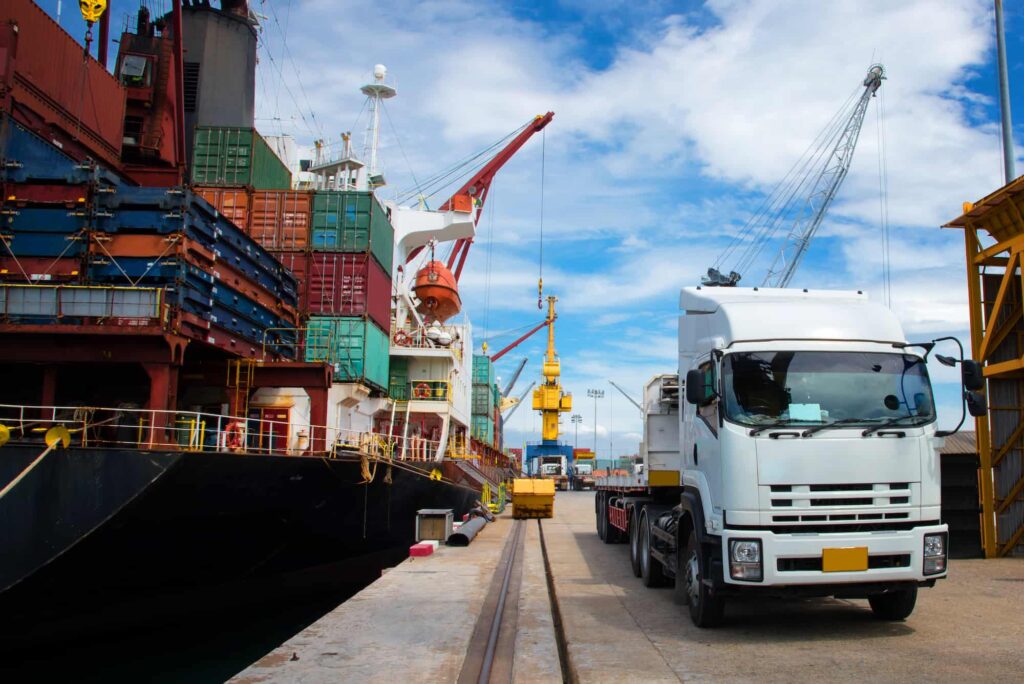
Table of Contents
The Role of Shipping in Global Trade
Shipping is the backbone of global trade, responsible for transporting approximately 90% of the world’s goods. This mode of transportation is not only cost-effective but also essential for moving large quantities of products over long distances. The shipping industry encompasses various sectors, including container shipping, bulk shipping, and specialized freight services.
Understanding Different Shipping Methods
- Container Shipping: This method involves transporting goods in standardized containers, which can be easily loaded and unloaded from ships, trucks, and trains. Container shipping is the most common method for international trade, offering flexibility and efficiency.
- Bulk Shipping: Bulk shipping is used for transporting large quantities of unpackaged goods, such as grains, coal, and minerals. This method is typically more economical for transporting raw materials.
- Specialized Freight Services: Some goods require specialized handling, such as perishable items, hazardous materials, or oversized cargo. Specialized freight services ensure that these items are transported safely and in compliance with regulations.
The Importance of Logistics in Shipping
Logistics is a critical component of the shipping industry, encompassing the planning, execution, and management of the flow of goods. Effective logistics ensure that products are delivered on time and in good condition, which is essential for maintaining customer satisfaction.
Challenges in the Shipping Industry
Despite its importance, the shipping industry faces numerous challenges that can impact efficiency and profitability. Understanding these challenges is crucial for businesses looking to navigate the complexities of global trade.
Regulatory Compliance
The shipping industry is subject to a myriad of regulations, including customs laws, safety standards, and environmental regulations. Compliance with these regulations is essential to avoid fines and delays. Companies must stay informed about changes in regulations and ensure that their operations adhere to all legal requirements.
Rising Costs
Shipping costs have been on the rise due to various factors, including fluctuating fuel prices, increased labor costs, and supply chain disruptions. Businesses must find ways to manage these costs while maintaining competitive pricing for their customers.
Environmental Concerns
The shipping industry is a significant contributor to greenhouse gas emissions, prompting calls for more sustainable practices. Companies are increasingly being held accountable for their environmental impact, leading to a push for greener shipping solutions.
Supply Chain Disruptions
Events such as natural disasters, geopolitical tensions, and pandemics can disrupt supply chains, leading to delays and increased costs. Businesses must develop contingency plans to mitigate the impact of these disruptions on their operations.
Innovative Solutions in Global Shipping
To address the challenges faced by the shipping industry, companies are adopting innovative solutions that enhance efficiency and sustainability. Here are some key trends shaping the future of global shipping:
Digital Transformation
The shipping industry is undergoing a digital transformation, with companies leveraging technology to streamline operations. Digital tools such as tracking software, automated documentation, and data analytics are helping businesses improve visibility and efficiency in their shipping processes.
Sustainable Practices
As environmental concerns grow, the shipping industry is increasingly adopting sustainable practices. This includes using eco-friendly fuels, optimizing shipping routes to reduce emissions, and implementing waste reduction strategies. Companies that prioritize sustainability can enhance their brand reputation and appeal to environmentally conscious consumers.
Automation and Robotics
Automation is revolutionizing the shipping industry, with robotics being used for tasks such as loading and unloading cargo, inventory management, and even customer service. By automating repetitive tasks, companies can reduce labor costs and improve operational efficiency.
Blockchain Technology
Blockchain technology is being explored as a solution for enhancing transparency and security in the shipping industry. By providing a decentralized and tamper-proof record of transactions, blockchain can help reduce fraud, streamline documentation, and improve trust among stakeholders.
The Future of Global Shipping
The future of global shipping is poised for significant changes as technology continues to evolve and consumer demands shift. Companies that embrace innovation and adapt to changing market conditions will be better positioned to succeed in this competitive landscape.
Embracing E-commerce Growth
The rise of e-commerce has transformed the shipping industry, with consumers increasingly expecting fast and reliable delivery options. Shipping companies must adapt to this trend by offering flexible shipping solutions, such as same-day delivery and easy returns.
Enhancing Customer Experience
Providing an exceptional customer experience is essential for retaining customers in the competitive shipping market. Companies can enhance the customer experience by offering real-time tracking, transparent pricing, and responsive customer service.
Expanding Global Reach
As businesses seek to expand their global reach, shipping companies must be prepared to support their growth. This includes offering services in emerging markets, navigating complex regulations, and providing tailored solutions to meet the unique needs of different regions.
Conclusion
The shipping industry is a vital component of global trade, facilitating the movement of goods across borders. Companies like Cathay Ocean Global Shipping Line Ltd. play a crucial role in this process, providing essential services that enable businesses to thrive in the international marketplace. By understanding the challenges and embracing innovative solutions, businesses can navigate the complexities of global shipping and position themselves for success in the future.
As you explore the vast opportunities in global shipping, discover a wide range of products at competitive prices to elevate your business offerings. Start your journey today at https://looperbuy.com/.
Related Questions & Answers
· What are the most common mistakes companies make when first entering global shipping? Common mistakes include failing to understand customs regulations, underestimating shipping costs, and neglecting to research reliable shipping partners.
· How can businesses effectively manage customs clearance to avoid delays? Businesses can manage customs clearance by ensuring accurate documentation, working with experienced customs brokers, and staying informed about regulations.
· What emerging technologies are poised to disrupt the global shipping industry? Emerging technologies include blockchain for transparency, automation for efficiency, and AI for predictive analytics in logistics.
· How can companies reduce their shipping costs? Companies can reduce shipping costs by negotiating better rates with carriers, optimizing shipping routes, and consolidating shipments.
· What role does sustainability play in the shipping industry? Sustainability is becoming increasingly important as companies seek to reduce their environmental impact and meet consumer demand for eco-friendly practices.
Hot Tags: Global Shipping; International Trade; Logistics Solutions; Freight Forwarding; Customs Clearance; E-commerce Shipping; Sustainable Practices; Digital Transformation; Shipping Innovations