
The global shipping industry is a cornerstone of international trade, facilitating the movement of goods across vast distances. As economies become more interconnected, the importance of efficient shipping practices has never been greater. This article delves into the current trends, challenges, and opportunities within the global shipping industry, providing insights for professionals and businesses alike.
Table of Contents
Understanding the Global Shipping Industry
The Importance of Shipping in Global Trade
Shipping is responsible for transporting approximately 90% of the world’s goods. This includes everything from raw materials to finished products, making it an essential component of the global economy. The efficiency of shipping operations directly impacts trade costs, delivery times, and overall economic growth. The shipping industry not only supports the movement of goods but also plays a crucial role in job creation and economic development in various regions.
Key Components of the Shipping Industry
The global shipping industry comprises several key components, including:
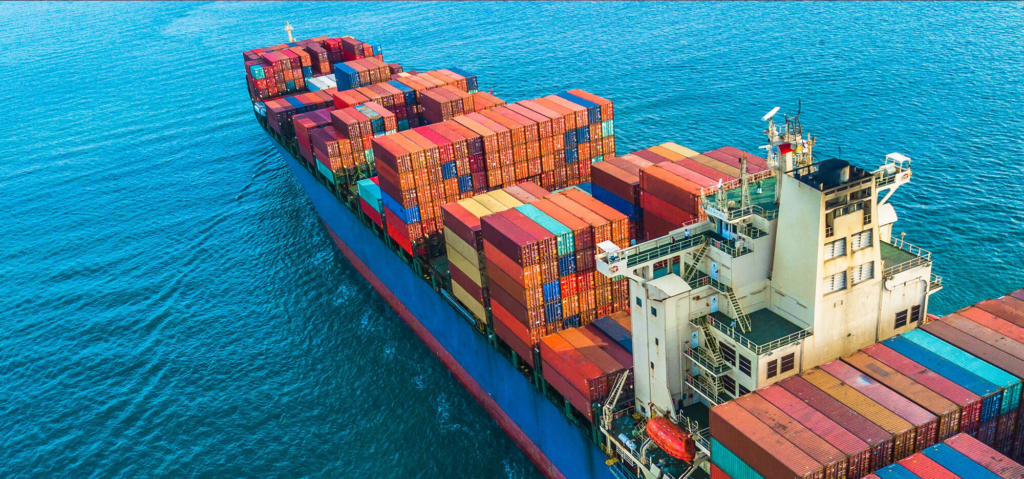
- Container Shipping: The most common method for transporting goods, container shipping involves the use of standardized containers that can be easily transferred between ships, trucks, and trains. This method has revolutionized the shipping industry by increasing efficiency and reducing costs.
- Bulk Shipping: This method is used for transporting large quantities of unpackaged goods, such as oil, coal, and grain. Bulk shipping is essential for industries that rely on raw materials for production.
- Breakbulk Shipping: Involves transporting cargo that must be loaded individually, rather than in containers. This includes heavy equipment and machinery, which require specialized handling and logistics.
- Ro-Ro Shipping: Roll-on/roll-off shipping is used for vehicles and other wheeled cargo that can be driven on and off the ship. This method is particularly useful for transporting cars and trucks.
Current Trends in the Global Shipping Industry
Digital Transformation
The shipping industry is undergoing a significant digital transformation. Technologies such as blockchain, artificial intelligence, and the Internet of Things (IoT) are being integrated into shipping operations to enhance efficiency and transparency. These technologies enable real-time tracking of shipments, predictive analytics for demand forecasting, and improved supply chain management. For instance, blockchain technology can provide a secure and transparent way to track shipments, reducing the risk of fraud and errors.
Sustainability Initiatives
As environmental concerns grow, the shipping industry is increasingly focusing on sustainability. This includes adopting cleaner fuels, optimizing routes to reduce emissions, and implementing energy-efficient practices. The International Maritime Organization (IMO) has set ambitious targets for reducing greenhouse gas emissions from shipping, prompting companies to invest in sustainable technologies. Many shipping companies are exploring alternative fuels, such as LNG (liquefied natural gas) and hydrogen, to reduce their carbon footprint.
E-commerce Growth
The rise of e-commerce has dramatically changed the shipping landscape. Consumers now expect faster delivery times and greater flexibility in shipping options. This has led to an increase in demand for last-mile delivery services and innovative logistics solutions that can accommodate the unique challenges of e-commerce. Companies are investing in technology and infrastructure to meet these demands, including automated warehouses and advanced tracking systems.
Automation and Robotics
Automation is becoming increasingly prevalent in the shipping industry. From automated cranes in ports to robotic sorting systems in warehouses, technology is streamlining operations and reducing labor costs. Automation not only increases efficiency but also enhances safety by minimizing human error in high-risk environments. As the industry continues to adopt these technologies, the workforce will need to adapt, with a greater emphasis on technical skills and training.
AI and Machine Learning
Artificial intelligence (AI) and machine learning are playing a transformative role in optimizing shipping routes and reducing fuel consumption. By analyzing vast amounts of data, these technologies can identify the most efficient routes, taking into account factors such as weather conditions, traffic patterns, and fuel prices. This not only helps in minimizing operational costs but also contributes to sustainability efforts by reducing emissions associated with fuel consumption.
Challenges Facing the Global Shipping Industry
Geopolitical Instability
Geopolitical events, such as trade wars, sanctions, and conflicts, can significantly impact shipping routes and costs. Companies must navigate these complexities to ensure the smooth flow of goods across borders. The ongoing tensions between major economies can lead to increased shipping costs and delays. For example, changes in trade policies can result in tariffs that affect the pricing of goods, ultimately impacting consumer prices.
Supply Chain Disruptions
Recent global events, including the COVID-19 pandemic, have highlighted the vulnerabilities in supply chains. Disruptions can occur due to port closures, labor shortages, and transportation delays. Companies must develop contingency plans to mitigate these risks and ensure business continuity. Diversifying suppliers and investing in inventory management systems can help companies better respond to unexpected disruptions.
Regulatory Compliance
The shipping industry is subject to a myriad of regulations, including environmental standards, safety protocols, and customs requirements. Navigating these regulations can be challenging, particularly for companies operating in multiple jurisdictions. Non-compliance can result in significant fines and operational disruptions. Staying informed about regulatory changes and investing in compliance training for employees is essential for mitigating these risks.
Labor Shortages
The shipping industry is facing a labor shortage, particularly in skilled positions such as truck drivers and maritime engineers. As the demand for shipping services continues to grow, companies must find ways to attract and retain talent. Offering competitive salaries, benefits, and training programs can help address this issue. Additionally, promoting careers in shipping and logistics to younger generations can help build a sustainable workforce for the future.
Opportunities in the Global Shipping Industry
Emerging Markets
As developing countries continue to grow economically, they present new opportunities for shipping companies. Increased trade and investment in infrastructure can lead to higher demand for shipping services. Companies that can establish a presence in these markets will be well-positioned for growth. For instance, countries in Africa and Southeast Asia are experiencing rapid economic development, creating new trade routes and opportunities for shipping.
Technological Advancements
The integration of advanced technologies in shipping operations presents numerous opportunities for efficiency gains. Companies that invest in automation, data analytics, and digital platforms can streamline their operations and reduce costs. Embracing technology will be crucial for staying competitive in the evolving shipping landscape. For example, using data analytics to optimize shipping routes can lead to significant cost savings and improved delivery times.
Collaboration and Partnerships
Collaboration between shipping companies, logistics providers, and technology firms can lead to innovative solutions that enhance efficiency and reduce costs. Strategic partnerships can help companies leverage each other’s strengths and expand their service offerings. For instance, collaborating with tech startups can provide shipping companies with access to cutting-edge technologies that improve operations.
Focus on Customer Experience
As competition in the shipping industry intensifies, companies are increasingly focusing on enhancing the customer experience. Providing reliable, transparent, and efficient shipping services can help companies differentiate themselves in the market. Investing in customer service training and technology that improves communication with customers can lead to higher satisfaction and loyalty.
Innovative Financing Models
Emerging financing models are also supporting sustainable shipping practices. Green financing initiatives, which provide funding for environmentally friendly projects, are gaining traction in the shipping industry. These models encourage companies to invest in cleaner technologies and practices, aligning financial incentives with sustainability goals.
Mitigating Supply Chain Disruptions
To effectively mitigate supply chain disruptions, companies can adopt several strategies. Diversifying suppliers and logistics partners can reduce dependency on a single source, making the supply chain more resilient. Additionally, investing in technology that provides real-time visibility into supply chain operations can help companies respond quickly to disruptions. Implementing robust risk management frameworks and conducting regular assessments of potential vulnerabilities can further enhance resilience.
Competing with Larger Corporations
Smaller shipping companies can compete with larger corporations by focusing on niche markets and providing personalized services. Building strong relationships with customers and offering tailored solutions can differentiate smaller firms from their larger counterparts. Additionally, leveraging technology to improve operational efficiency and reduce costs can help smaller companies remain competitive in a crowded market.
Long-Term Implications of Automation
The long-term implications of automation on the workforce within the shipping industry are significant. While automation can lead to increased efficiency and reduced labor costs, it may also result in job displacement for certain roles. However, it can create new opportunities in areas such as technology management, data analysis, and system maintenance. The industry will need to invest in retraining and upskilling programs to prepare the workforce for these changes.
Key Technological Advancements
The shipping industry is witnessing several key technological advancements that are transforming operations. These include:
- Blockchain Technology: This technology enhances transparency and security in shipping transactions. By providing a decentralized ledger, blockchain can help track shipments in real-time, reducing the risk of fraud and improving accountability.
- IoT Devices: Internet of Things (IoT) devices are being used to monitor cargo conditions, track shipments, and optimize routes. Sensors can provide real-time data on temperature, humidity, and location, allowing companies to respond quickly to any issues.
- Autonomous Vessels: The development of autonomous ships is on the rise, promising to reduce labor costs and improve safety. These vessels can operate with minimal human intervention, using advanced navigation systems and AI to make decisions.
- Data Analytics: Advanced data analytics tools are enabling shipping companies to analyze vast amounts of data to improve decision-making. By leveraging data, companies can optimize routes, forecast demand, and enhance operational efficiency.
The Role of Governments and International Organizations
Governments and international organizations play a crucial role in shaping the global shipping industry. They establish regulations, standards, and policies that govern shipping practices. Collaborative efforts among nations can lead to improved safety, environmental protection, and trade facilitation. Initiatives such as the International Maritime Organization’s (IMO) regulations on emissions and safety standards are essential for promoting sustainable practices in the industry.
Addressing Maritime Cybersecurity Threats
As the shipping industry becomes more reliant on digital technologies, the threat of cyberattacks is increasing. Cybersecurity is a critical concern for shipping companies, as breaches can lead to significant operational disruptions and financial losses. Companies must invest in robust cybersecurity measures, including employee training, system monitoring, and incident response plans, to protect their operations from cyber threats.
The Future of the Global Shipping Industry
Looking ahead, the global shipping industry is poised for significant changes. The integration of advanced technologies, coupled with a focus on sustainability, will shape the future landscape of shipping. Companies that can adapt to these changes and embrace innovation will be better positioned to thrive in a competitive market.
The ongoing evolution of consumer expectations, particularly in the e-commerce sector, will continue to drive demand for faster and more efficient shipping solutions. As businesses strive to meet these expectations, the shipping industry will need to invest in infrastructure, technology, and workforce development to ensure it can keep pace with the changing landscape.
Conclusion
The global shipping industry is at a crossroads, facing both significant challenges and exciting opportunities. As the industry evolves, professionals must stay informed about trends and developments to navigate the complexities of global trade successfully. By embracing technology, focusing on sustainability, and adapting to changing market dynamics, companies can thrive in this dynamic environment.
As you explore the evolving landscape of the global shipping industry, take advantage of the latest deals and innovations that can enhance your logistics experience. Discover more at LooperBuy.
Related Questions & Answers
· What are the current trends in the global shipping industry?
Current trends include digital transformation, sustainability initiatives, and the growth of e-commerce, all of which are reshaping shipping practices.
· How does geopolitical instability affect shipping careers?
Geopolitical instability can disrupt shipping routes and increase costs, requiring professionals to adapt their strategies and stay informed about global trade policies.
· What educational paths lead to advanced roles in logistics?
Degrees in logistics, supply chain management, or international business, along with relevant certifications, can prepare individuals for advanced roles in the shipping industry.
· What are the biggest challenges facing global shipping companies today?
Challenges include geopolitical instability, supply chain disruptions, and regulatory compliance, all of which can impact shipping operations.
· How can companies leverage technology in the shipping industry?
Companies can use technology to enhance efficiency, improve tracking and visibility, and streamline operations, ultimately reducing costs and improving customer satisfaction.
Hot Tags: Global Shipping Industry, Shipping Trends, Logistics Careers, Maritime Operations, Supply Chain Management, E-commerce Shipping, Sustainability in Shipping, Geopolitical Impact, Digital Transformation, AI in Shipping, Labor Shortages, Emerging Markets, Innovative Financing Models, Automation in Shipping, Supply Chain Resilience, Maritime Cybersecurity, Digital Logistics Solutions, Freight Forwarding, Container Shipping, Bulk Shipping, Breakbulk Shipping, Ro-Ro Shipping, International Trade, Shipping Regulations, Supply Chain Disruptions, Workforce Development, Shipping Technology Innovations.